Journal
Notting Hill vs Holland Park: Where Should You Live?
Written by Nina Castellano · Investment Property Advisor
Published 22 June 2026 · Updated 14 August 2026 · 7 min read
The short answer
The debate between Notting Hill vs Holland Park ranks among the most frequently discussed questions we encounter from buyers and tenants seeking prime West London addresses. These neighbouring enclaves share a postcode area and leafy garden squares, yet each possesses a distinct character that appeals to different lifestyles.
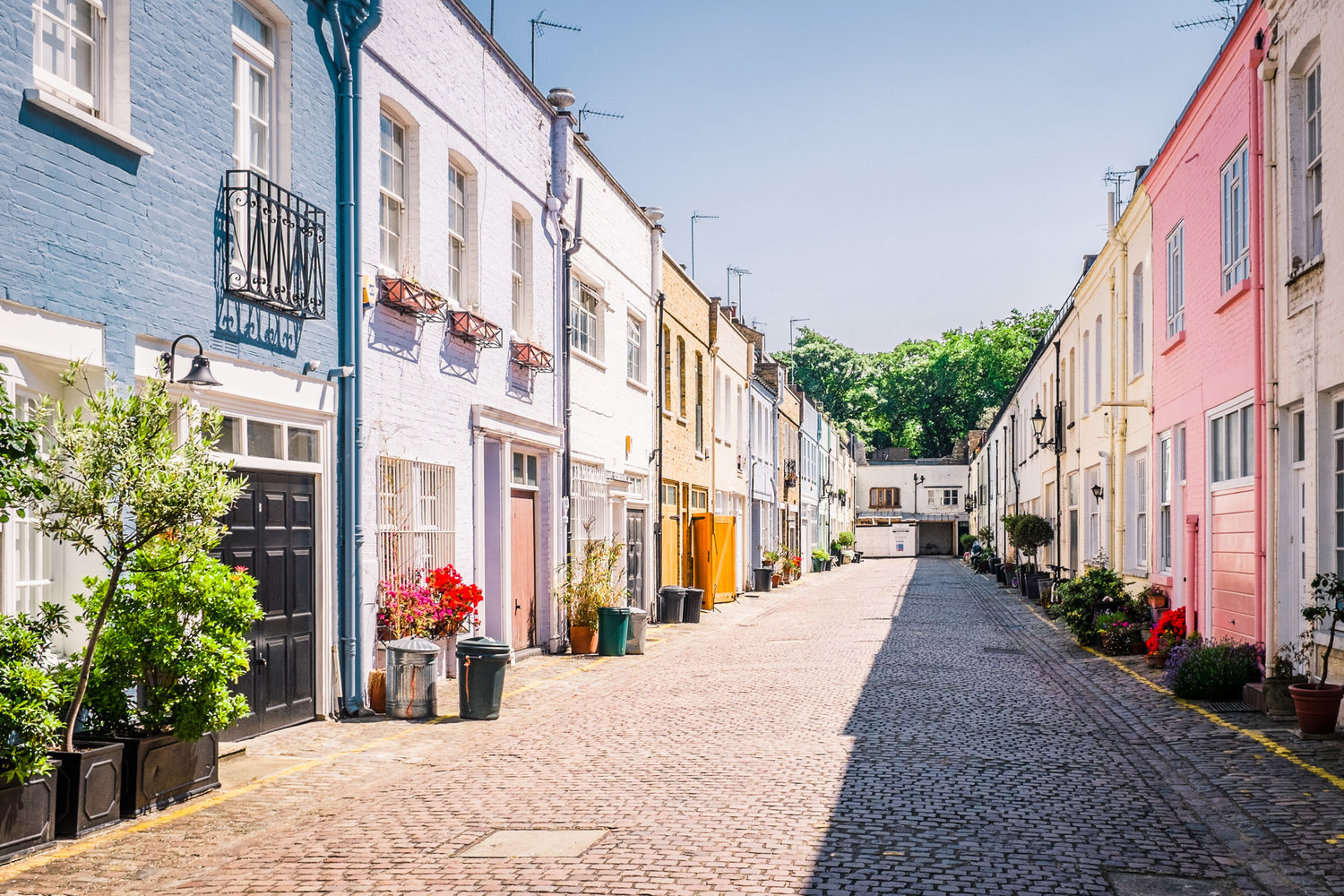
The debate between Notting Hill vs Holland Park ranks among the most frequently discussed questions we encounter from buyers and tenants seeking prime West London addresses. These neighbouring enclaves share a postcode area and leafy garden squares, yet each possesses a distinct character that appeals to different lifestyles. Notting Hill pulses with creative energy, its pastel-hued terraces lining streets filled with independent boutiques, antique markets, and a cosmopolitan dining scene. Whether you're drawn to the bohemian charm of Portobello Road or the elegant crescents that sweep through this storied neighbourhood, understanding what makes Notting Hill unique will help you decide if it's the right home for you.
The Character and Culture of Notting Hill
Notting Hill has cultivated a reputation as West London's creative heart, where Victorian and Georgian architecture provides the backdrop for one of the capital's most vibrant street scenes. The area's cultural identity crystallised in the 1960s and 70s, when artists, musicians, and writers gravitated towards its then-affordable housing stock, establishing a bohemian atmosphere that persists today despite considerable gentrification.
The annual Notting Hill Carnival transforms the neighbourhood each August bank holiday, with steel bands and costumed dancers celebrating Caribbean heritage along streets that normally hum with gallery openings, film screenings, and literary events. This tradition reflects the area's multicultural history and its continuing role as a meeting point for diverse communities.
Portobello Road anchors the neighbourhood's commercial life, its market stretching from antiques at the Notting Hill Gate end through fruit stalls and vintage clothing towards the Ladbroke Grove terminus. Saturday mornings see the market at its most animated, with dealers, collectors, and tourists navigating stalls that have traded here for generations. The Notting Hill bookshop—immortalised in film—represents just one of dozens of independent retailers that give the area its distinctive character, far removed from the homogenised high streets found elsewhere in London.
Elgin Crescent, Clarendon Cross, and Westbourne Grove host boutique fashion labels, interior design studios, and specialist food shops that cater to the neighbourhood's discerning residents. We've observed that buyers particularly value this retail diversity, which allows for genuine village-style living within Zone 2.
Notting Hill Property Prices and Market Dynamics
According to HM Land Registry data, Notting Hill recorded 733 property transactions with a median sale price of £860,000. These figures reveal a market characterised by significant variety, from conversion flats to multi-million-pound family houses on the area's most prestigious addresses.
Flats dominate the market, accounting for 481 transactions with a median price of £665,000, according to HM Land Registry records. These range from compact studios in mansion block conversions to lateral apartments in grand Victorian villas, with prices spanning from £100,000 to £10,450,000 depending on size, condition, and location. Terraced houses commanded a median of £1,642,500 across 186 sales, reflecting strong demand for the characterful townhouses that line streets such as Chepstow Villas, Pembridge Square, and Elgin Crescent.
The premium end of the market saw semi-detached properties achieve a median of £3,412,500, whilst detached houses—rare in this predominantly terraced neighbourhood—reached a median of £3,475,000. Notable streets including Lansdowne Road and Ladbroke Grove feature on buyers' wish lists, with values reflecting both architectural merit and proximity to private garden squares.
For those exploring rental options, ONS data indicates studio apartments range from £1,000 to £1,550 per month, one-bedroom properties from £1,325 to £2,050, and two-bedroom homes from £1,800 to £2,800. Families seeking three-bedroom houses can expect monthly rents between £2,400 and £3,750, whilst four-bedroom properties command £3,200 to £5,000, and five-bedroom homes reach £4,200 to £6,550. Our team at [Seymont's Notting Hill estate agency](/estate-agents/notting-hill) can provide detailed guidance on current [property for sale in Notting Hill](/property-for-sale/notting-hill) across all price brackets.
Dining, Drinking, and Social Life
The restaurant scene in Notting Hill reflects the neighbourhood's eclectic personality, with establishments ranging from Michelin-recognised fine dining to hole-in-the-wall cafés serving exceptional coffee and pastries. Notting Hill restaurants cluster particularly around Westbourne Grove, Kensington Park Road, and the streets radiating from Notting Hill Gate, offering cuisines that span continents and budgets.
We've noticed that residents particularly value the area's independent spirit—restaurant Notting Hill searches consistently highlight venues that eschew chain formulas in favour of chef-driven menus and neighbourhood intimacy. Ledbury Road has emerged as a particular gastronomic destination, whilst Portobello Road's eateries cater to market-goers seeking quick bites alongside those settling in for leisurely weekend brunches.
The pub and bar scene in Notting Hill maintains traditional locals alongside cocktail bars that draw crowds from across London. The area's Victorian architecture lends itself to atmospheric drinking establishments, many occupying corner plots with original tilework and etched glass. Bar Notting Hill venues tend towards the sophisticated end of the spectrum, complementing rather than competing with the historic pubs that have served the community for generations.
Evening entertainment extends beyond food and drink, with the Electric Cinema on Portobello Road offering luxury screening experiences in one of Britain's oldest purpose-built picture houses, complete with armchairs, footstools, and side tables for wine and dinner.
Talk to Seymont
What's your home worth?
A considered view on price, timing and how to bring your London home to market — a personal reply within 24 hours.
Your property
Step 1 of 2Compare Notting Hill Holland Park: Key Distinctions
When you compare Notting Hill Holland Park, the differences become apparent within metres of crossing Ladbroke Grove or Holland Park Avenue. Holland Park skews towards quiet residential streets and diplomatic residences, its character defined by proximity to the eponymous royal park and a preference for discretion over display. Notting Hill embraces a more public-facing identity, where street life forms an integral part of the neighbourhood's appeal.
Notting Hill or Holland Park—the choice often comes down to lifestyle priorities. Families who value educational options, private garden access, and proximity to office hubs may find themselves drawn to properties near [Holland Park](/estate-agents/holland-park), whilst those who prioritise cultural vibrancy, retail diversity, and a village atmosphere within the city tend to favour Notting Hill's more animated streets.
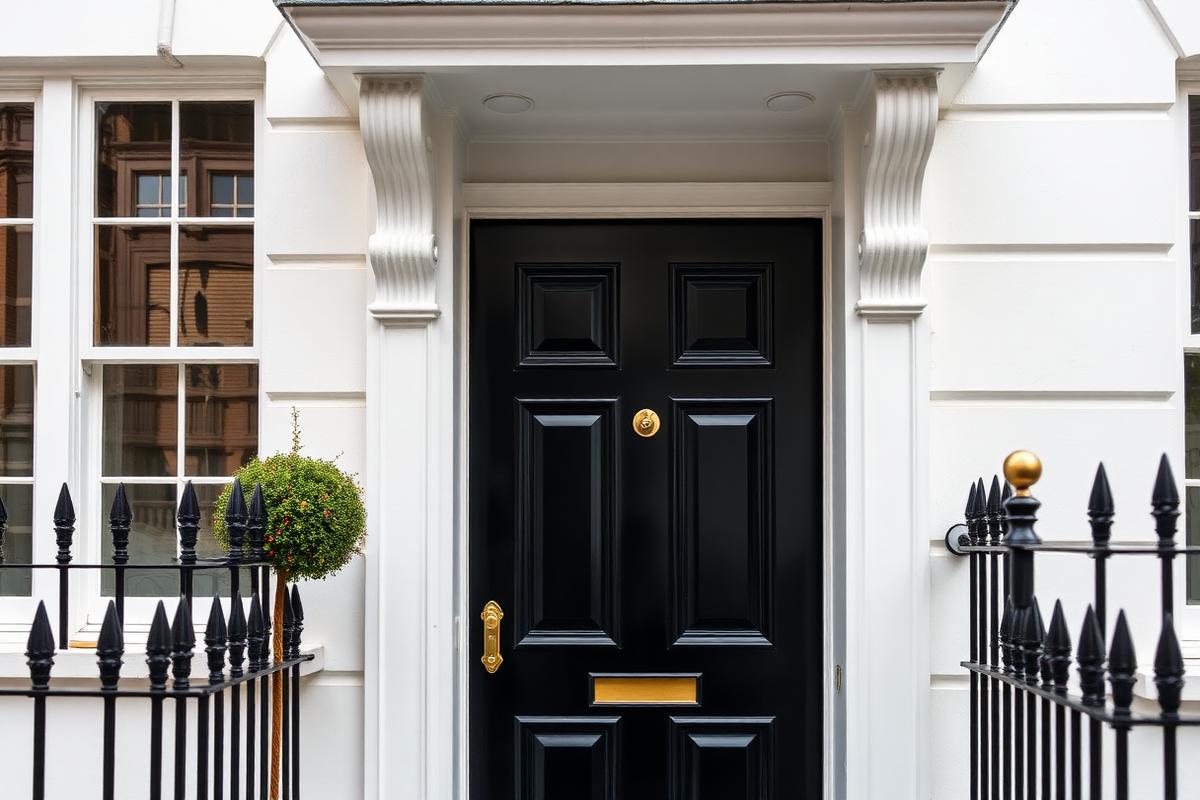
The architectural language differs subtly but significantly. Whilst both areas feature predominantly Victorian and Georgian housing stock, Notting Hill's famous pastel-painted facades and eclectic conversions contrast with Holland Park's preference for white stucco and pristine period restoration. We find that buyers seeking character and individuality often gravitate towards Notting Hill properties, where sympathetic modernisation sits comfortably alongside original features.
Transport connectivity favours Notting Hill for sheer variety, with Notting Hill Gate serving Central and District lines, whilst Ladbroke Grove and Westbourne Park provide rapid access to Paddington and the Elizabeth Line. Holland Park station offers Central Line services, but the area relies more heavily on buses for north-south journeys. For detailed [house prices in Notting Hill](/house-prices/notting-hill) compared with neighbouring areas, our analysis provides borough-wide context.
Making the Best of Notting Hill and Holland Park
Rather than viewing the question as purely Notting Hill or Holland Park, many residents discover that the best of Notting Hill and Holland Park can be accessed from either address. The areas share permeable boundaries, with locals from both neighbourhoods frequenting the same schools, tennis clubs, and specialist shops.
Portobello Road market draws visitors from Holland Park and beyond, whilst Holland Park itself—with its Japanese gardens, opera performances, and woodland walks—serves as a backyard amenity for Notting Hill residents living on the area's western edge. This geographic proximity means that choosing between the two often comes down to specific street preference rather than wholesale neighbourhood commitment.
We've observed that buyers increasingly seek properties on the cusp—addresses that allow them to enjoy Notting Hill's commercial vitality whilst benefiting from Holland Park's green spaces and tranquillity. Streets such as Ladbroke Grove and Clarendon Road occupy this transitional zone, offering aspects of both worlds within a single postcode.
For those considering [letting property in Notting Hill](/let-your-property/notting-hill), the area's enduring appeal to both young professionals and established families ensures consistent tenant demand. The neighbourhood's transport links, cultural amenities, and distinctive character continue to attract renters willing to pay premiums for addresses that deliver genuine lifestyle benefits rather than mere proximity to central London.
Practical Considerations for Notting Hill Living
Daily life in Notting Hill balances urban convenience with residential calm, though prospective buyers should understand the neighbourhood's rhythms before committing. Weekend market crowds bring animation to Portobello Road and surrounding streets, creating a buzz that some residents relish and others prefer to observe from quieter residential pockets further north.
Parking presents the challenges common to inner London, with controlled zones operating throughout and off-street spaces commanding significant premiums when included with property sales. Most residents adapt by relying on excellent public transport connections from Notting Hill Gate, supplemented by buses along major routes and increasingly, cycling infrastructure that connects to Hyde Park and beyond.
School provision spans state and independent sectors, with several highly regarded primaries within catchment and secondary options accessible by short bus journeys. The presence of families across price points creates a genuine community feel, with children's activities, sports clubs, and informal playground networks providing social infrastructure beyond the neighbourhood's more publicised attractions.
Green space comes in the form of private garden squares—accessible to keyholders from surrounding properties—and nearby Kensington Gardens and Holland Park. Whilst lacking the sweeping commons found in south-west London, these manicured gardens provide peaceful retreats and safe play areas that residents value highly, with access rights significantly influencing property desirability and values.
Talk to Seymont
What's your home worth?
A considered view on price, timing and how to bring your London home to market — a personal reply within 24 hours.
Your property
Step 1 of 2About the author
Nina CastellanoInvestment Property Advisor
Nina advises landlords and investors on rental yields, tenant demand and portfolio structure across Greater London, after running lettings and management at Bellhouse Property Partners. She has overseen single units and multi-property portfolios, and works through compliance, void periods and running costs before a purchase is agreed. Her articles deal with the numbers behind a buy-to-let rather than the headline gross yield.
Lettings and portfolio management · 9 years in London rentals
- Buy-to-let
- Rental yields
- Portfolio strategy
- Landlord compliance
Frequently asked
- What is the typical price for a house in Notting Hill?
- According to HM Land Registry data, terraced houses in Notting Hill achieved a median sale price of £1,642,500, with transactions ranging from £399,000 to £31,900,000 depending on size, location, and condition. Semi-detached properties commanded a median of £3,412,500, whilst the small number of detached houses recorded a median of £3,475,000. Premium streets such as Chepstow Villas, Lansdowne Road, and Pembridge Square typically command values at the higher end of these ranges.
- How much does it cost to rent a flat in Notting Hill?
- Rental costs in Notting Hill vary considerably by size and specification. ONS data shows studio apartments ranging from £1,000 to £1,550 per month, one-bedroom flats from £1,325 to £2,050, and two-bedroom properties from £1,800 to £2,800. Three-bedroom homes typically rent for £2,400 to £3,750 monthly, with four-bedroom properties commanding £3,200 to £5,000, and five-bedroom houses reaching £4,200 to £6,550 per month.
- Is Notting Hill a good area for families?
- Notting Hill offers considerable appeal for families, combining excellent transport links, diverse schooling options, and a genuine community atmosphere. Private garden squares provide safe outdoor space for children, whilst Portobello Road's market and independent shops create opportunities for weekend family activities. The area hosts numerous families across its housing stock, from mansion flats to substantial townhouses, and benefits from proximity to Kensington Gardens and Holland Park for larger green spaces.
- Which Notting Hill streets are most desirable for property buyers?
- Notable streets in Notting Hill include Chepstow Villas, Lansdowne Road, Pembridge Square, Elgin Crescent, and Clarendon Cross, all of which feature elegant period architecture and access to private garden squares. Portobello Road offers commercial vibrancy alongside residential addresses, whilst Westbourne Grove and Ladbroke Grove provide a mix of retail amenities and housing stock. Properties on these streets typically command premium prices due to their architectural merit, location, and community atmosphere.
- What are the best restaurants and pubs in Notting Hill?
- Notting Hill's dining scene encompasses Michelin-recognised establishments alongside neighbourhood bistros and international cuisines. Ledbury Road has emerged as a particular gastronomic destination, whilst Westbourne Grove, Kensington Park Road, and streets around Notting Hill Gate host diverse restaurant options. Traditional pubs occupy corner plots throughout the area, many retaining original Victorian features, whilst contemporary bars along Portobello Road and side streets attract both locals and visitors seeking sophisticated drinking venues.