Journal
The Insider’s Guide to Things to Do in Notting Hill
Written by Amara Bennett · Property Market Analyst
Published 22 May 2026 · Updated 18 August 2026 · 4 min read
The short answer
When we are valuing a property on Chepstow Villas or showing a buyer around the hidden cobbles of a mews off Westbourne Grove, the conversation invariably turns to the unique rhythm of life here. Notting Hill is not just a postcode; it is a tapestry of village-like enclaves stitched together by a global reputation.
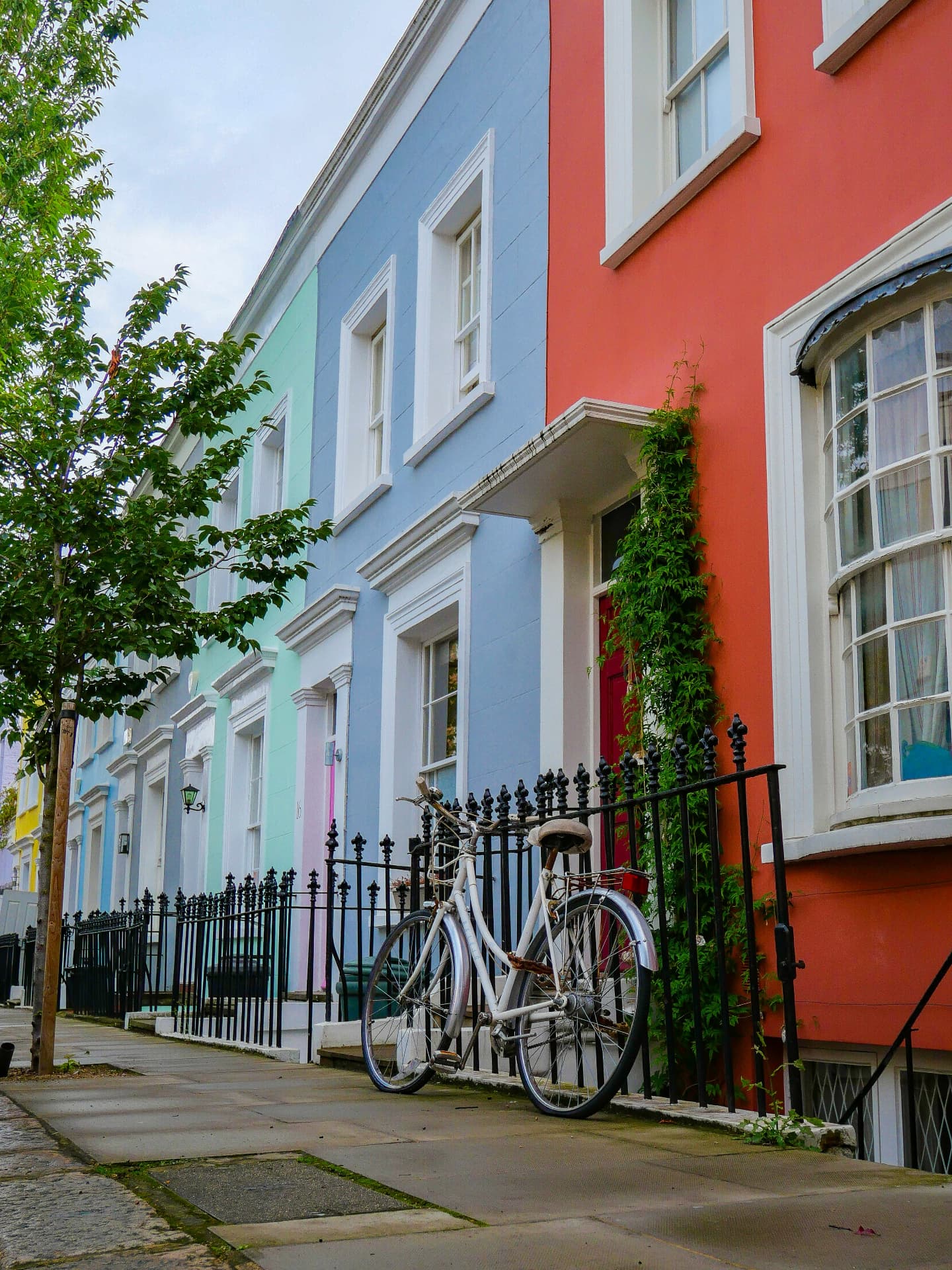
When we are valuing a property on Chepstow Villas or showing a buyer around the hidden cobbles of a mews off Westbourne Grove, the conversation invariably turns to the unique rhythm of life here. Notting Hill is not just a postcode; it is a tapestry of village-like enclaves stitched together by a global reputation. Whether you are a long-term resident in a stucco-fronted terrace or a visitor seeking the quintessential London experience, the variety of things to do in Notting Hill is what makes this corner of the Royal Borough of Kensington & Chelsea so magnetic. In this journal, we share the perspective of a founder who lives and breathes this market, looking beyond the tourist trails to the authentic soul of W11.
Green Spaces and the Garden Square Culture
One of the most rewarding things to do in Notting Hill is to simply walk the perimeter of its private garden squares. While Holland Park is our grand neighbor to the south, the real character of Notting Hill is found in the communal gardens shared by the residents of Lansdowne Road and Elgin Crescent. These green lungs are the reason family houses here command such a premium. According to HM Land Registry data for August 2026, houses with garden square rights remain firm in value, even when the wider market fluctuates, because they offer a private sanctuary that is increasingly rare in the capital.
For those seeking public space, a stroll through the Ladbroke Estate towards the northern edges of the postcode reveals a more rugged charm. The connectivity between the manicured lawns of Pembridge Square and the sprawling open spaces of nearby Kensington Gardens allows for a lifestyle where nature is never more than a few minutes away. It is this proximity to greenery, combined with the architectural grandeur of four-storey terraced houses, that defines the residential experience in W11.
Markets, Shopping, and the Spirit of Portobello
No list of things to do in Notting Hill is complete without mentioning Portobello Road. While the weekend market is world-famous for its antiques and curiosities, we find the street is best enjoyed on a weekday morning when the local produce stalls are in full swing and the pace is more deliberate. For a more curated shopping experience, Clarendon Cross offers a sophisticated selection of boutiques that feel worlds away from the high street, while Westbourne Grove remains the destination for high-end fashion and interior design.
At Seymont London, we often tell clients that the 'Notting Hill lifestyle' is found in these micro-communities. Shopping here is an artisanal affair; it is about knowing your butcher, your florist, and the gallerist on the corner. The retail landscape is a blend of heritage brands and independent spirit, mirroring the property market where unique mews houses sit alongside grand Victorian conversions. It is a place where commerce and community are inextricably linked.
Culture and Education: The Pillars of W11
The cultural heartbeat of the area extends far beyond the annual Carnival. From the Electric Cinema—one of the oldest working film theatres in the country—to the intimate venues of Notting Hill Gate, there is always a sense of creative energy. This cultural depth is a significant draw for the families we work with, who are often equally motivated by the exceptional educational landscape. The presence of institutions like Fox Primary School and Notting Hill Preparatory School, alongside the prestigious Wetherby and Pembridge Hall, creates a stable, long-term demand for family homes.
The 'school run geography' of W11 is a real phenomenon that dictates property prices. Families will move streets just to be within the desired catchment for these schools. This commitment to education and culture ensures that even in a 'slower' market for upper-floor flats, the appetite for substantial family residences remains robust. Living here means being immersed in an environment that prizes intellectual and artistic growth as much as historical preservation.
Talk to Seymont
What's your home worth?
A considered view on price, timing and how to bring your London home to market — a personal reply within 24 hours.
Your property
Step 1 of 2Navigating the Property Market: A Founder's Perspective
As of August 2026, the average price in Notting Hill stands at approximately £2,450,000, with a price per square foot hovering around £1,480 according to HM Land Registry figures. However, these numbers only tell half the story. As a founder who handles every transaction personally, we see the market split between two distinct tiers. The 'garden square' houses remain the gold standard, fiercely protected by a loyal buyer pool, while conversion flats without outside space require a more nuanced marketing strategy.
When we prepare a property for sale, particularly in streets like Ladbroke Grove or Pottery Lane, the photography brief is never a formality. In a neighborhood this aesthetic, the presentation must capture the 'home' rather than just the 'house.' Whether it is a scarce mews house with its original cobbles or a sprawling lateral apartment, the narrative of the property must align with the sophisticated expectations of the Notting Hill buyer. Understanding these nuances is one of the essential things to do in Notting Hill for any serious seller.
Talk to Seymont
What's your home worth?
A considered view on price, timing and how to bring your London home to market — a personal reply within 24 hours.
Your property
Step 1 of 2About the author
Amara BennettProperty Market Analyst
Amara spent seven years as a market analyst at Kestrel Lane Research, a small London property consultancy, before joining our editorial desk. She reads sold-price and rental data street by street to explain how individual London postcode districts actually behave, and reviews every price figure we publish. Her focus is separating headline national averages from what a specific address is worth today.
MSc Real Estate Economics · Seven years in property market research
- Valuations
- Local market data
- Sold prices
- Pricing strategy
Frequently asked
- What is the best way to spend a weekend in Notting Hill?
- A perfect weekend involves a morning coffee on Westbourne Grove, a browse through the antiques at Portobello Road Market, followed by a walk through the private communal gardens if you have access, or a trip to the nearby Holland Park. Finishing the day with a film at the Electric Cinema is a quintessential W11 experience.
- How does the transport connectivity look for Notting Hill?
- The area is exceptionally well-connected. Notting Hill Gate provides access to the Central, Circle, and District lines. Ladbroke Grove serves the Hammersmith & City line, while Paddington station—offering the Elizabeth line and Heathrow Express—is just a 15-minute walk from the W2 borders of the area.
- Is Notting Hill a good investment for families?
- Yes, primarily due to the density of top-tier schools like Fox Primary and Notting Hill Prep. While the market for upper-floor conversions can be slower, the demand for three-to-five-bedroom terraced houses with garden rights remains consistently firm, making them a historically resilient asset class.