Journal
The best areas to live in Notting Hill: A curated guide for the discerning buyer
Written by Thomas Lindqvist · Mortgage & Financing Specialist
Published 12 July 2026 · Updated 7 August 2026 · 4 min read
The short answer
When buyers ask us to define the best areas to live in Notting Hill, they are rarely just asking for a postcode. They are seeking a specific atmosphere—the scent of jasmine over a communal garden gate, the quiet prestige of a stucco-fronted terrace, or the eclectic energy of a hidden mews.
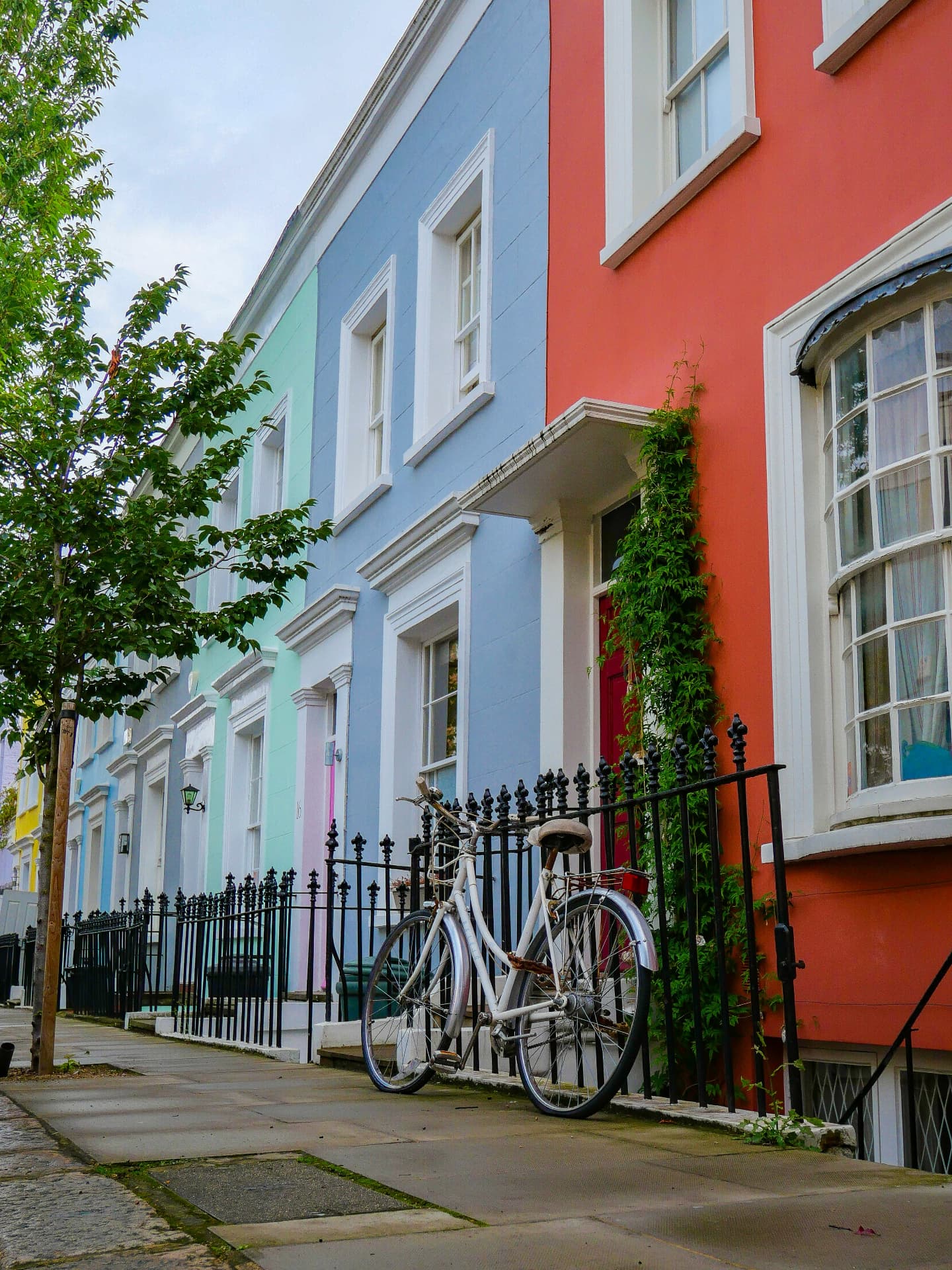
When buyers ask us to define the best areas to live in Notting Hill, they are rarely just asking for a postcode. They are seeking a specific atmosphere—the scent of jasmine over a communal garden gate, the quiet prestige of a stucco-fronted terrace, or the eclectic energy of a hidden mews. At Seymont London, we manage the sale of these homes personally, from the initial valuation to the final exchange. In a market where the average price sits at £2,450,000 according to HM Land Registry figures, the nuances of the W11, W2, and W10 postcodes require a level of scrutiny that goes beyond a standard floor plan. Notting Hill is not one single market; it is a tapestry of distinct pockets, each with its own architectural language and social gravity.
The Garden Square Royalty: W11’s Golden Postcode
For many, the search for the best areas to live in Notting Hill begins and ends with the Ladbroke Estate. This is the architectural heart of the Royal Borough of Kensington & Chelsea, defined by its grand crescents and private communal gardens. Streets such as Lansdowne Road and Elgin Crescent represent the pinnacle of this lifestyle. These are not merely gardens; they are private woodlands and manicured lawns shared by a community of neighbours, offering a level of privacy and greenery that is rare in central London. Our internal data shows that while the wider market remains nuanced, price trends remain exceptionally firm for houses with communal garden rights, as these assets are viewed as 'generational' holds.
Living on a garden square changes the way you interact with the city. You aren't just buying a terraced house with three to five bedrooms over four storeys; you are buying into a tradition. The premium for direct garden access is significant. Based on HM Land Registry data, Notting Hill achieves an average price per square foot of £1,480, but for those prime houses backing onto the Arundel or Ladbroke gardens, that figure often commands a substantial uplift. At Seymont London, we advise sellers that the photography brief for these homes must capture the transition from the internal living space to the verdant exterior—it is this emotional connection that drives the highest valuations.
The Pembridge and Chepstow Enclaves
If the Ladbroke Estate is the heart, the Pembridge and Chepstow pockets are the elegant soul of Notting Hill. Pembridge Square and Chepstow Villas offer some of the most substantial villas in W11. These are often broad, white-stucco houses that provide the lateral space so coveted by families. The school run here is a defining feature of the local geography, with Wetherby and Pembridge Hall shaping the morning movements of residents. This is an area where the property types are predominantly grand terraced houses and significant conversion flats, often occupying the raised-ground or garden levels of these historic buildings.
Proximity to Notting Hill Gate station—with its access to the Central, Circle, and District lines—makes this pocket particularly attractive to those who need to reach the City or West End quickly, while still being steps away from the boutiques of Westbourne Grove. It is here that we see the 'two-market' split most clearly. While the grand houses are tightly held, the upper-floor conversion flats without outside space have seen a slightly slower pace of movement. As a senior-led agency, we work closely with sellers to ensure their property is positioned to stand out, focusing on the quality of light and the historic proportions that make these W11 homes unique.
The Village Charm of Clarendon Cross and Pottery Lane
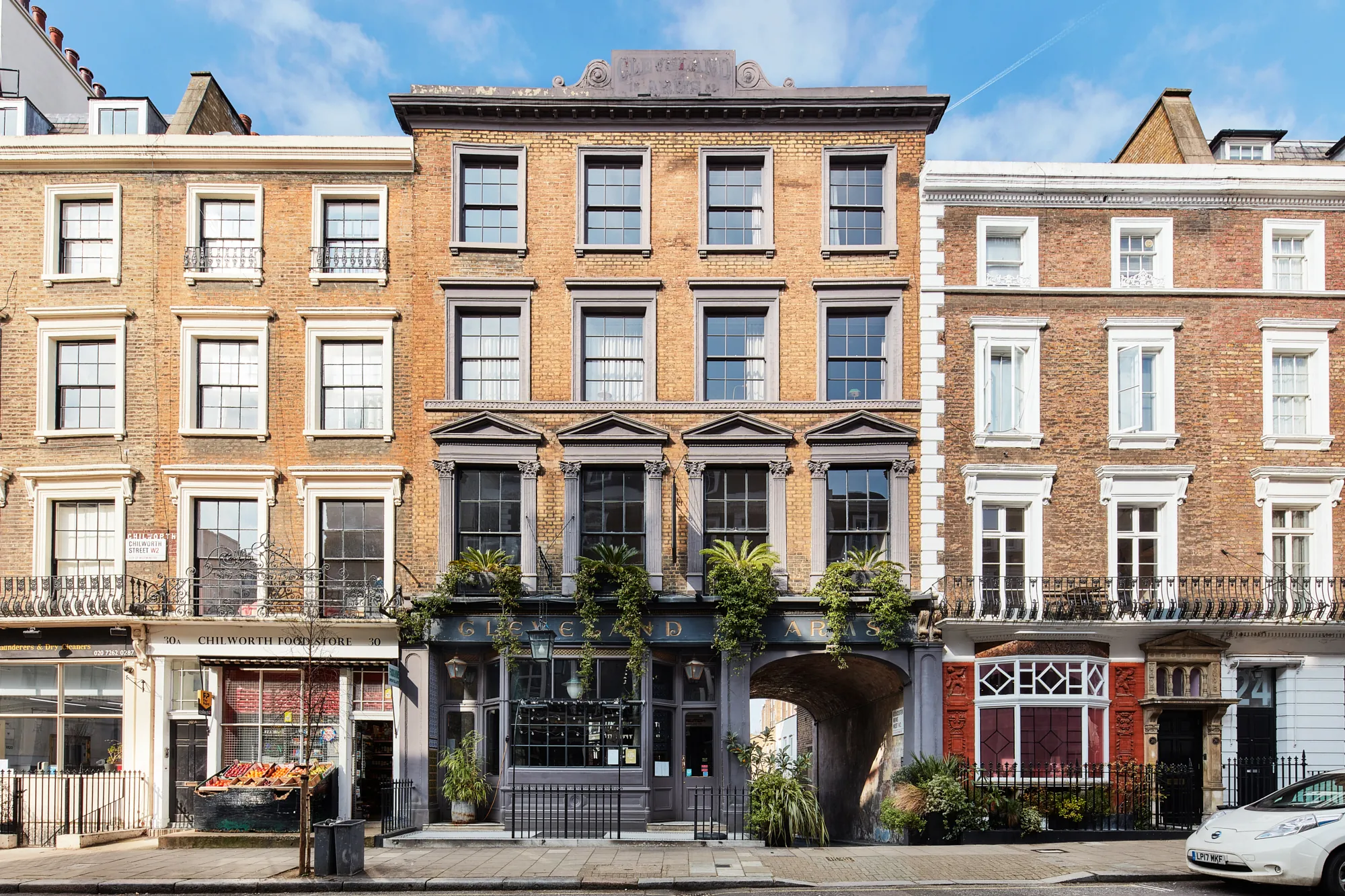
For those seeking a more intimate scale, the best areas to live in Notting Hill often include the charming streets around Clarendon Cross. This micro-neighbourhood feels more like a country village than a London suburb. Pottery Lane, with its colourful cottages and historic brick kilns, offers a distinct contrast to the grand stucco of the main avenues. Here, you will find a fiercely loyal buyer pool searching for scarce mews houses—typically two to three bedrooms with cobbled frontage and integral garaging. These properties rarely stay on the market long, as they appeal to both downsizers and young professionals who value character and security.
Clarendon Cross itself is home to iconic local institutions like Julie’s Restaurant and the boutiques of Portland Road. It is a quiet pocket that remains insulated from the tourist bustle of Portobello Road, yet it sits conveniently between Holland Park and the main arteries of Notting Hill. When we value properties in this enclave, we look for the specific period details—original floorboards, fireplace surrounds, and the 'mews charm'—that drive demand. The Elizabeth Line at Paddington is roughly 15 minutes away on foot from the W2 borders of this area, adding a layer of modern connectivity to this historic setting.
Talk to Seymont
What's your home worth?
A considered view on price, timing and how to bring your London home to market — a personal reply within 24 hours.
Your property
Step 1 of 2The Northern Fringe: Ladbroke Grove and W10
Heading north towards Ladbroke Grove and the W10 postcode, the atmosphere shifts towards a more bohemian, creative energy. This area has seen significant interest as buyers seek more space for their money while remaining within the Notting Hill orbit. The streets branching off the northern end of Ladbroke Grove offer larger Victorian terraces and close proximity to the Hammersmith & City line, which provides a direct link to Paddington and the City fringe. For families, the presence of Notting Hill Preparatory School and the proximity to the green spaces of Wormwood Scrubs and Little Wormwood Scrubs make this a compelling choice.
Market data from August 2026 suggests that the W10 sector is increasingly popular for those who appreciate the proximity to the Golborne Road market—Portobello’s cooler, less frantic sibling. Here, the mix of property types is diverse, ranging from classic terraced houses to modern loft conversions. At Seymont London, we emphasize to our clients that selling in W10 requires a narrative that highlights this cultural richness. The photography must reflect the lifestyle—the local cafes, the art galleries, and the sense of community that defines this northern stretch of the neighbourhood.
Talk to Seymont
What's your home worth?
A considered view on price, timing and how to bring your London home to market — a personal reply within 24 hours.
Your property
Step 1 of 2About the author
Thomas LindqvistMortgage & Financing Specialist
Thomas advised buyers for a decade at Ashgrove Financial, an independent brokerage, on borrowing capacity, product selection and the full cost of a purchase, including stamp duty, legal fees and lender charges. He follows rate decisions and lender criteria changes and translates them into what a household can realistically afford. His guides cover affordability, remortgaging and the closing costs that buyers routinely underestimate.
CeMAP qualified · Whole-of-market mortgage advice background
- Mortgages
- Affordability
- Closing costs
- Remortgaging
Frequently asked
- What is the average price for a home in Notting Hill?
- As of August 2026, HM Land Registry figures indicate an average property price of £2,450,000 in Notting Hill, with a price per square foot of approximately £1,480. However, prices vary significantly between lateral garden-square houses and upper-floor conversion flats.
- Which are the most prestigious streets in Notting Hill?
- The best areas to live in Notting Hill often centre around Lansdowne Road, Elgin Crescent, and Chepstow Villas. Pembridge Square is also highly regarded for its grand proportions and exclusive communal garden access.
- How does the 'communal garden' system work?
- Many houses in the Ladbroke Estate have 'garden square rights,' meaning residents pay a levy for the maintenance of a private, gated park accessible only to the houses that back onto it. These properties are currently the strongest performing segment of the W11 market.