Journal
The Ultimate Guide to Moving to Notting Hill
Written by Nina Castellano · Investment Property Advisor
Published 18 June 2026 · Updated 23 June 2026 · 4 min read
The short answer
There is a specific rhythm to Notting Hill that defies the standard London pace. As the founder of Seymont London, we have spent our career navigating the nuances of the Royal Borough of Kensington & Chelsea, and we can say with certainty that moving to Notting Hill is as much about lifestyle curation as it is about property acquisition.
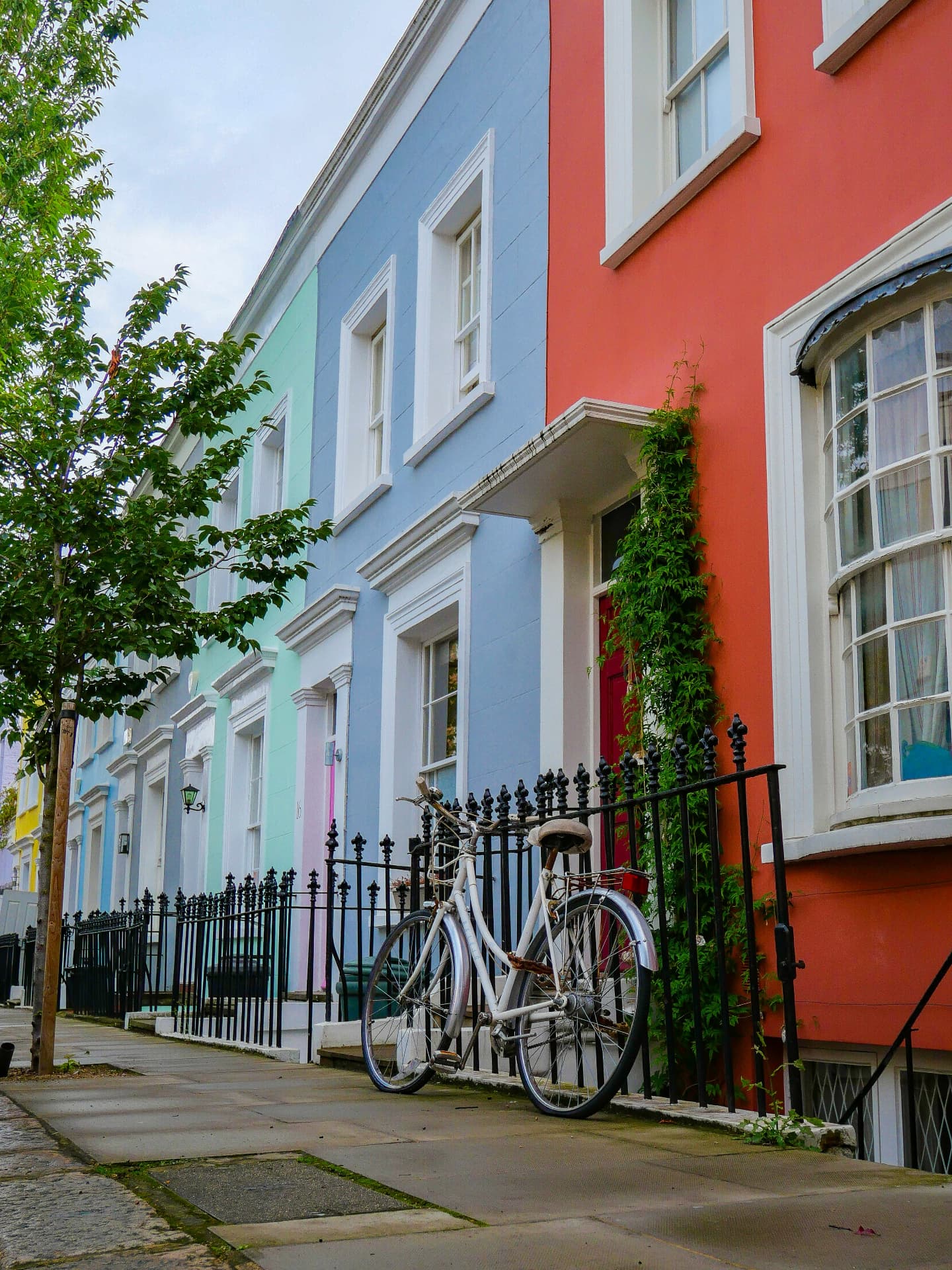
There is a specific rhythm to Notting Hill that defies the standard London pace. As the founder of Seymont London, we have spent our career navigating the nuances of the Royal Borough of Kensington & Chelsea, and we can say with certainty that moving to Notting Hill is as much about lifestyle curation as it is about property acquisition. From the stucco-fronted terraces of W11 to the cobbles of W2, this area offers a tapestry of architectural history and modern vibrancy. When you work with us, you are not just buying a floor plan; you are buying into a community where the local butcher on Westbourne Grove knows your name and the gates to the communal gardens are the keys to a private sanctuary.
Understanding the Market: Costs and Postcodes
According to August 2026 data sourced from HM Land Registry and local market analysis, the average price for a property in Notting Hill stands at approximately £2,450,000, with an average price per square foot of £1,480. However, these figures only tell half the story. The market here is effectively split into two distinct tiers: houses with communal garden rights and everything else. Properties on Elgin Crescent or Lansdowne Road, which back onto those coveted private parks, remain firm and highly sought after. Conversely, upper-floor conversion flats without private outdoor space have seen a slightly slower pace of growth.
When moving to Notting Hill, you will likely be looking across the W11, W2, and W10 postcodes. Terraced houses are the most common asset class, typically offering three to five bedrooms over four storeys. For those seeking something more intimate, the area’s scarce mews houses—tucked away behind Portobello Road or near Pottery Lane—offer a unique combination of historical charm and garaging, supported by a fiercely loyal buyer pool that rarely looks elsewhere.
The School Run and Local Education
For many families moving to Notting Hill, the decision is anchored by education. The 'school-run geography' of W11 is a significant driver of property values, particularly around Pembridge Square and Chepstow Villas. Institutions such as Wetherby and Pembridge Hall have long-standing reputations that shape the local demographic. Notting Hill Preparatory School is another cornerstone of the community, often cited as the primary reason families choose to upgrade to a larger house rather than move out of the area.
State education is equally impressive, with Fox Primary School standing as a long-standing pillar for the local catchment. This density of high-performing schools creates a stable, family-oriented environment that persists even through broader economic shifts. When we advise clients on a purchase, we always look at the proximity to these institutions, as a home within a specific catchment area is one of the most resilient investments in the London market.
Transport, Connectivity, and Timing
Logistically, Notting Hill is exceptionally well-connected, making it a practical choice for professionals working in the City or the West End. Notting Hill Gate serves as the central hub, providing access to the Central, Circle, and District lines. Further north, Ladbroke Grove offers the Hammersmith & City line, which is ideal for reaching Paddington and the City fringe. For those who travel internationally, the proximity to Paddington is a major advantage; it is roughly 15 minutes on foot from parts of W2, offering the Elizabeth line and the Heathrow Express.
Timing your move is critical. The market typically peaks in spring and early autumn, but we often find the best opportunities for our clients occur when the 'communal garden' season begins. Seeing a property on Lansdowne Road when the private park is in full bloom is a powerful experience. However, be prepared for the paperwork; Notting Hill transactions can be complex, particularly when dealing with Share of Freehold structures or heritage-listed buildings where planning history is paramount.
Talk to Seymont
What's your home worth?
A considered view on price, timing and how to bring your London home to market — a personal reply within 24 hours.
Your property
Step 1 of 2What to Expect: The Notting Hill Lifestyle
Life here revolves around the balance of quiet residential streets and the theatrical energy of Portobello Road. You can spend a morning at the boutique shops of Westbourne Grove or Clarendon Cross, then retreat to the silence of a mews house. The culinary scene is world-class, with institutions like The Ledbury providing Michelin-starred dining, while local favourites like Granger & Co. maintain the area's relaxed, cosmopolitan feel. Nearby Holland Park and Kensington Gardens provide vast green spaces for those who need more than a communal square.
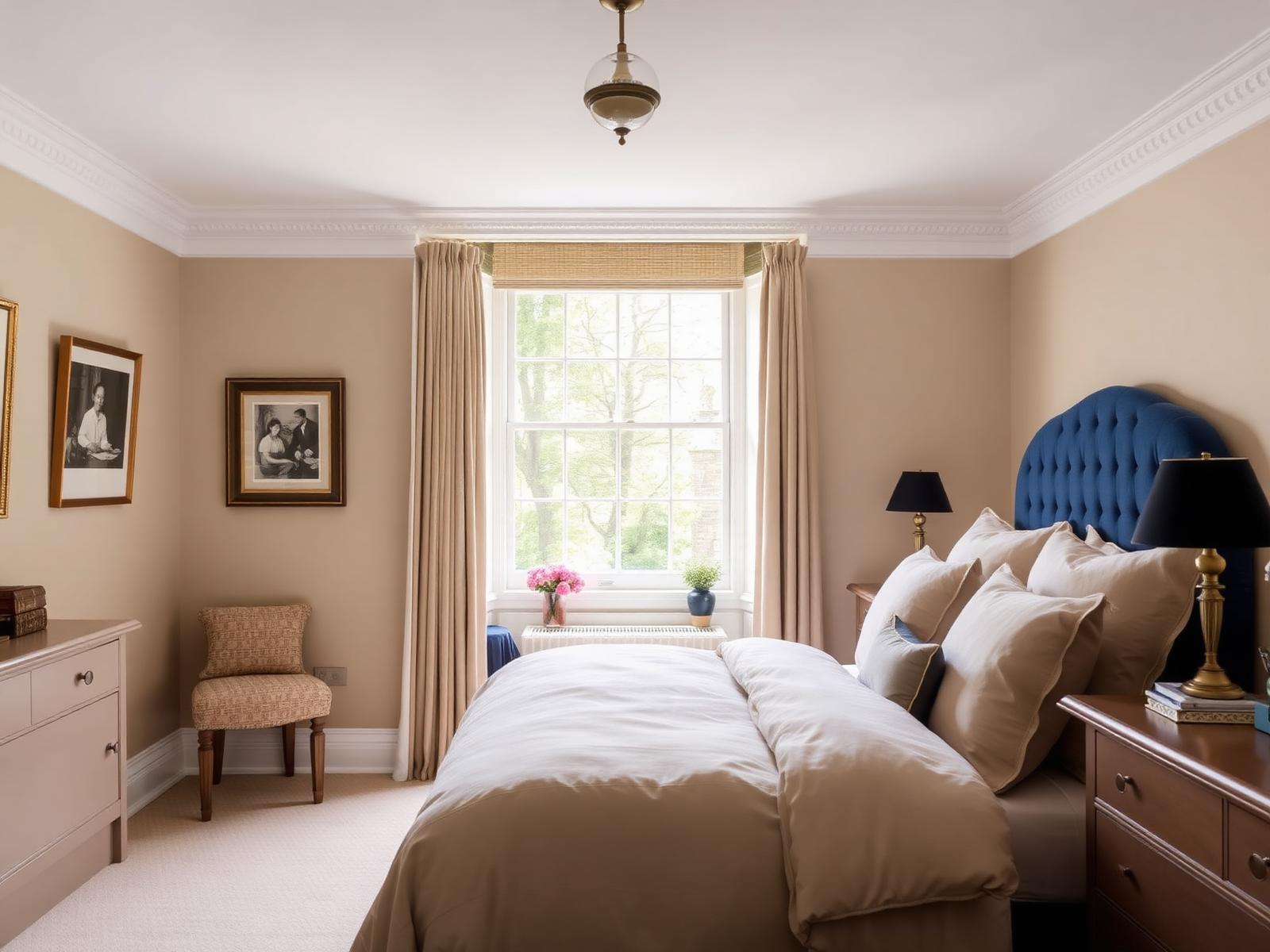
When selling in this area, we always tell our clients that the photography brief is not a mere formality; it is the difference between a house that reads as a home and one that reads as a cold floor plan. Buyers moving to Notting Hill are looking for a narrative. They want to see how the light hits the kitchen at breakfast and how the reception rooms flow for entertaining. Our role is to ensure that story is told correctly, managing every detail from valuation to completion personally to ensure a seamless transition into this unique London enclave.
Talk to Seymont
What's your home worth?
A considered view on price, timing and how to bring your London home to market — a personal reply within 24 hours.
Your property
Step 1 of 2About the author
Nina CastellanoInvestment Property Advisor
Nina advises landlords and investors on rental yields, tenant demand and portfolio structure across Greater London, after running lettings and management at Bellhouse Property Partners. She has overseen single units and multi-property portfolios, and works through compliance, void periods and running costs before a purchase is agreed. Her articles deal with the numbers behind a buy-to-let rather than the headline gross yield.
Lettings and portfolio management · 9 years in London rentals
- Buy-to-let
- Rental yields
- Portfolio strategy
- Landlord compliance
Frequently asked
- What are the most prestigious streets for someone moving to Notting Hill?
- While subjective, Lansdowne Road, Elgin Crescent, and Chepstow Villas are consistently ranked among the most desirable due to their architecture and access to communal gardens. Pembridge Square is also highly prized for its grand, stucco-fronted residences.
- How does the 'communal garden' system work?
- Many houses in Notting Hill have 'garden square rights,' meaning residents pay a small annual fee (via their council tax or a separate management charge) for a key to a private, gated park. This is a significant factor in property valuation and is highly regulated by local committees.
- Is Notting Hill a good investment in the current market?
- Data from HM Land Registry shows that while the broader London market can fluctuate, prime Notting Hill property—especially family houses in W11—tends to be incredibly resilient. The scarcity of stock and the global appeal of the 'Notting Hill' brand provide a strong floor for property values.