Journal
Notting Hill Property Market Report
Written by Amara Bennett · Property Market Analyst
Published 19 January 2026 · Updated 25 March 2026 · 7 min read
The short answer
The Notting Hill property market remains one of London's most prestigious and sought-after residential enclaves, characterising the perfect blend of Victorian elegance, cultural vibrancy and enduring investment appeal. Our team at Seymont London has analysed the latest transaction data to provide you with an authoritative assessment of current pricing dynamics, rental performance and investment potential across this iconic W11 postcode.
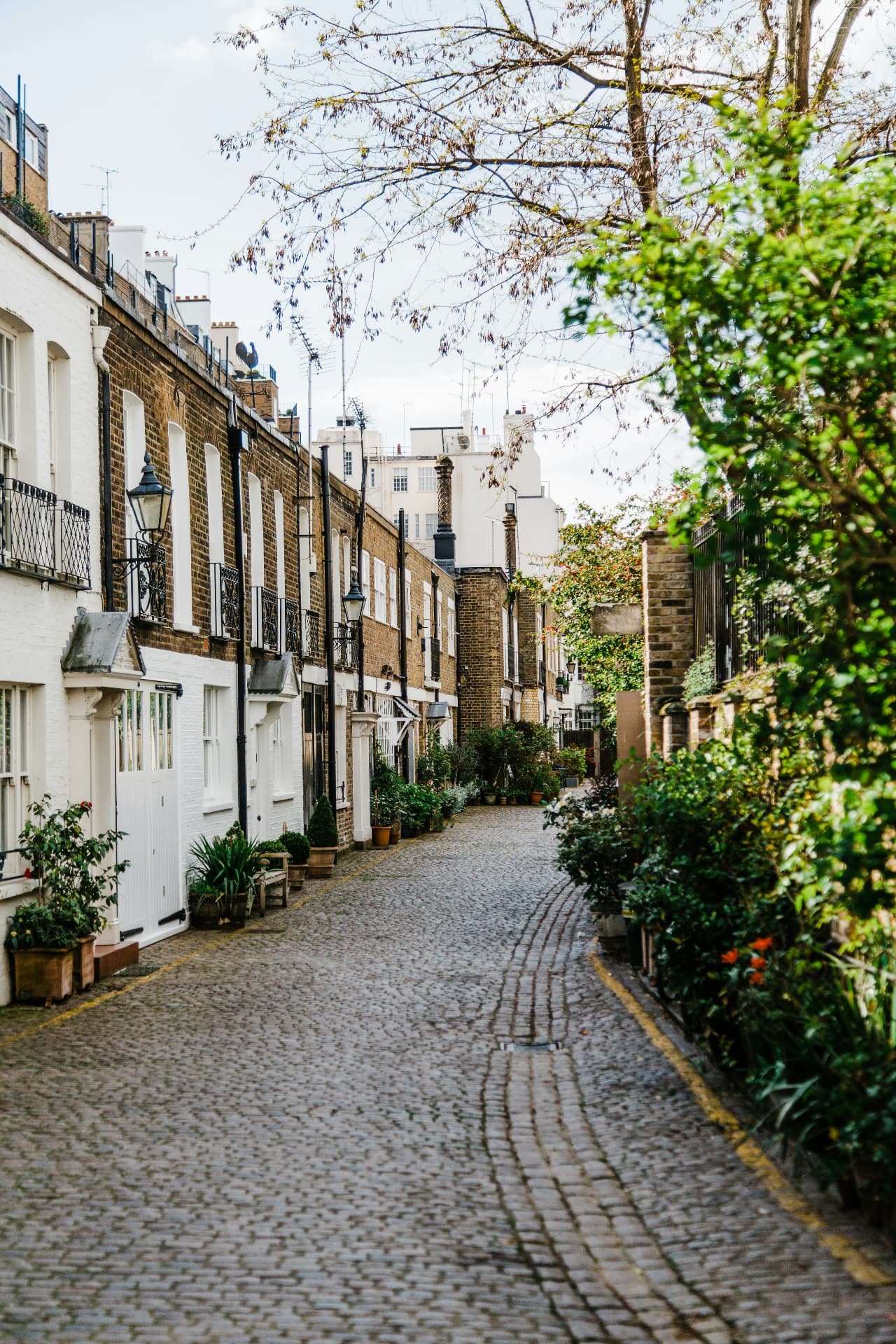
The Notting Hill property market remains one of London's most prestigious and sought-after residential enclaves, characterising the perfect blend of Victorian elegance, cultural vibrancy and enduring investment appeal. Our team at Seymont London has analysed the latest transaction data to provide you with an authoritative assessment of current pricing dynamics, rental performance and investment potential across this iconic W11 postcode. Drawing on HM Land Registry figures, we examine 146 recent sales transactions that reveal a median property price of £765,000, alongside nuanced patterns across different property types and the area's most coveted addresses. Whether you're considering acquisition, disposal or portfolio expansion, understanding the Notting Hill property market fundamentals is essential for informed decision-making in this distinguished corner of West London.
Current Price Trends and Transaction Activity
According to HM Land Registry Price Paid Data, the Notting Hill housing market has recorded 146 property transactions with a median sale price of £765,000. This figure provides a reliable benchmark across the diverse housing stock, though the market exhibits significant stratification by property type and location.
Flats dominate transaction volumes, representing 98 of the 146 sales, with a median price of £600,000. The range spans from £95,000 to £4,565,000, reflecting everything from compact studio conversions to expansive lateral apartments in premier mansion blocks along streets such as Pembridge Square and Chepstow Villas. Terraced houses commanded a median of £1,225,000 across 32 transactions, with values extending from £750,000 to an exceptional £31,900,000 for a prime Notting Hill house on one of the area's most distinguished crescents.
At the upper echelons, semi-detached properties achieved a median of £6,975,000 (based on two sales ranging from £5,100,000 to £8,850,000), whilst a single detached house transaction recorded £9,300,000. The 'other' category—encompassing commercial conversions and mixed-use properties—saw 13 sales with a median of £1,100,000, demonstrating the neighbourhood's evolving character as former shops and commercial premises undergo residential transformation.
Notable streets including Portobello Road, Lansdowne Road, Westbourne Grove, Ladbroke Grove, Clarendon Cross and Elgin Crescent continue to anchor market activity, each offering distinct architectural character and micro-market dynamics that our team monitors closely for clients seeking [property for sale in Notting Hill](/property-for-sale/notting-hill).
Rental Market Performance and Yield Analysis
ONS rental data illuminates the income-generating potential for landlords and investors evaluating the Notting Hill price trend from a yield perspective. Studio apartments command monthly rents between £875 and £1,375, whilst one-bedroom properties range from £1,150 to £1,825 per calendar month.
Two-bedroom flats—the most liquid segment for both sales and lettings—achieve £1,575 to £2,475 monthly, offering attractive returns for investors targeting young professionals and couples drawn to the area's restaurants, bars and transport connectivity at Notting Hill Gate. Three-bedroom properties rent for £2,100 to £3,300, appealing to families seeking access to catchment areas for sought-after state and independent schools.
Larger family homes command premium rents: four-bedroom properties range from £2,825 to £4,400 monthly, whilst five-bedroom and larger houses achieve £3,700 to £5,775. These upper-tier rentals often feature period details, private gardens and proximity to the green expanses of Holland Park and Kensington Gardens, attributes that justify the rental premium.
For those considering whether to [let your property in Notting Hill](/let-your-property/notting-hill), these figures suggest gross yields typically ranging from 2.5% to 4% depending on property type and condition—modest by comparison to emerging London markets, yet consistent with prime central locations where capital appreciation historically provides the principal investment return.
Is Notting Hill a Good Investment? Market Fundamentals
When clients ask us whether is Notting Hill a good investment, we examine both quantitative metrics and qualitative factors that distinguish this market from comparable West London neighbourhoods. The area's enduring appeal rests on several pillars: architectural heritage, with preserved Victorian and Georgian terraces protected by conservation area status; cultural cachet reinforced by the annual Carnival, independent boutiques and the internationally recognised Notting Hill bookshop; and exceptional connectivity via Notting Hill Gate, Ladbroke Grove and Royal Oak underground stations.
The Notting Hill housing market has demonstrated resilience through economic cycles, supported by constrained supply—planning restrictions and conservation designations limit new development—and persistent demand from international and domestic buyers attracted to the lifestyle proposition. Recent transaction data shows buyers remain willing to pay substantial premiums for properties on garden squares, houses with original features intact, and lateral apartments offering both space and period charm.
Investment suitability depends heavily on individual objectives and timeframes. For capital growth over five to ten-year horizons, Notting Hill's established prestige and supply constraints support the thesis. For income-focused investors, yields are modest but tenant demand remains robust, particularly for well-presented one and two-bedroom flats. Portfolio diversification into tangible assets within a proven London micromarket represents another strategic rationale.
We observe that successful Notting Hill investors typically maintain properties to high standards, recognise the value of architectural authenticity, and understand that restaurant Notting Hill, pub Notting Hill and the broader retail and hospitality infrastructure contribute materially to residential desirability. The concentration of Notting Hill restaurants, independent shops and cultural amenities creates a self-reinforcing ecosystem that underpins long-term value.
Talk to Seymont
What's your home worth?
A considered view on price, timing and how to bring your London home to market — a personal reply within 24 hours.
Your property
Step 1 of 2Property Types and Architectural Character
Understanding the diverse housing stock is essential for navigating the Notting Hill property market effectively. The area is renowned for its grand stucco-fronted terraces arranged around communal garden squares—Pembridge Square, Ladbroke Square and Arundel Gardens amongst them—where freehold houses and lateral apartments command the highest premiums.
Conversion flats within Victorian villas constitute the majority of available stock, particularly across the streets radiating from Portobello Road and Westbourne Grove. These conversions vary enormously in quality: some retain magnificent original features including cornicing, fireplaces and ceiling heights exceeding three metres, whilst others have been subdivided with less sensitivity. Discerning buyers investigate lease lengths, service charge structures and the condition of communal areas before proceeding.
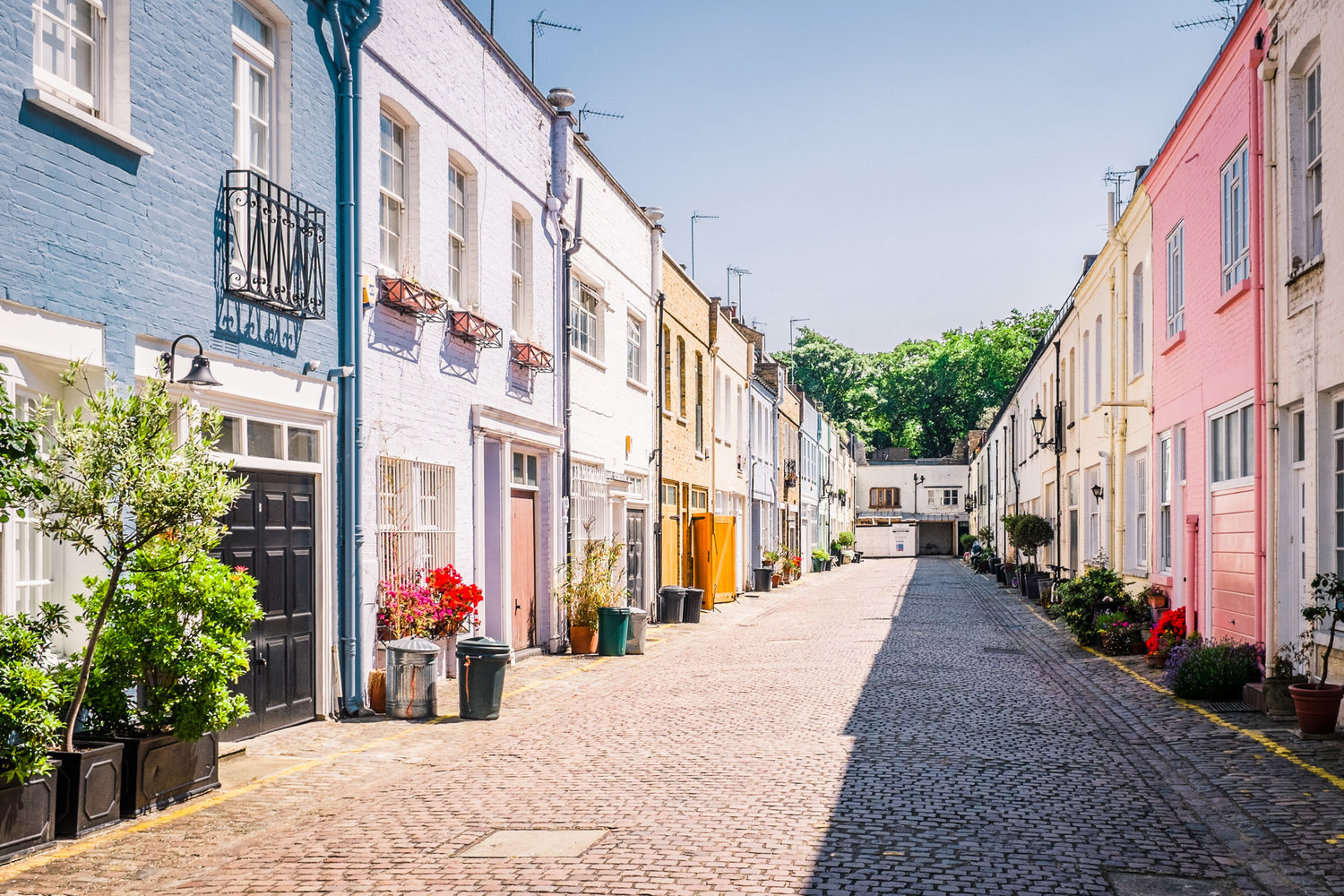
Mews houses tucked behind principal thoroughfares offer characterful alternatives, often providing private garaging—a genuine rarity and valuable commodity in this part of London. Former industrial and commercial buildings, particularly along Ladbroke Grove and the northern stretches of Portobello Road, have undergone conversion to residential lofts and apartments, appealing to buyers seeking contemporary specifications within period envelopes.
Our [estate agents in Notting Hill](/estate-agents/notting-hill) maintain detailed knowledge of individual buildings, share-of-freehold arrangements, and the nuances that distinguish premium from secondary stock—expertise that proves invaluable during acquisition due diligence and pricing strategy formulation for vendors.
Neighbourhood Infrastructure and Lifestyle Appeal
The Notting Hill property market derives considerable strength from its exceptional amenity infrastructure. Portobello Road—famous for its Saturday antiques market—anchors the retail and social landscape, whilst Westbourne Grove offers designer boutiques, delicatessens and cafés that cater to sophisticated local tastes.
Dining options span from Michelin-recognised establishments to neighbourhood bistros, with prospective residents frequently searching for restaurant Notting Hill, bar Notting Hill and pub Notting Hill options as part of their relocation research. The concentration and quality of hospitality venues materially enhance residential appeal, creating the village-within-London atmosphere that defines the area's character.
Educational provision includes several outstanding state primary schools and proximity to elite independent institutions in neighbouring Kensington and Holland Park, making family-sized houses particularly competitive when they reach the market. Transport connectivity via the Central, Circle and District lines at Notting Hill Gate provides access to the City, West End and Canary Wharf within 30 minutes, whilst the Elizabeth line at Paddington sits within walking distance for many addresses.
Green space—often overlooked in property analysis—contributes significantly to desirability. Holland Park, Kensington Gardens and the private garden squares accessible to keyholders provide recreational amenity and contribute to the area's relatively low-density, residential character that distinguishes it from more intensively developed central London districts.
Market Outlook and Strategic Considerations
Looking ahead, we anticipate the Notting Hill property market will continue to exhibit the stability characteristic of established prime London locations. Structural factors—limited development opportunity, conservation protections, and the area's cultural and architectural identity—suggest supply constraints will persist, supporting values over the medium term.
Buyers currently benefit from more negotiating latitude than during the frenzied conditions of previous cycles, with vendors generally adopting realistic pricing expectations. We advise clients to focus on properties offering genuine quality: original features, sound building fabric, favourable lease terms for flats, and positions on quieter residential streets rather than main thoroughfares subject to traffic and commercial activity.
For those monitoring [house prices in Notting Hill](/house-prices/notting-hill), transaction evidence suggests the market has found equilibrium following post-pandemic adjustments, with well-presented properties in prime pockets achieving competitive bidding whilst secondary stock requires careful pricing to secure completion.
Investors weighing the question "is Notting Hill a good investment" should adopt a holistic perspective: combining rental income analysis with capital growth assumptions, factoring holding costs including stamp duty, maintenance and potential refurbishment, and aligning acquisition strategy with personal financial objectives and risk tolerance. As with all property investment, location selection at the micro level—the specific street, building and aspect—often determines success more powerfully than broader market timing.
Our team remains available to provide bespoke market guidance, comparative transaction analysis and strategic counsel tailored to individual circumstances, ensuring clients navigate this distinguished market with confidence and clarity.
Talk to Seymont
What's your home worth?
A considered view on price, timing and how to bring your London home to market — a personal reply within 24 hours.
Your property
Step 1 of 2About the author
Amara BennettProperty Market Analyst
Amara spent seven years as a market analyst at Kestrel Lane Research, a small London property consultancy, before joining our editorial desk. She reads sold-price and rental data street by street to explain how individual London postcode districts actually behave, and reviews every price figure we publish. Her focus is separating headline national averages from what a specific address is worth today.
MSc Real Estate Economics · Seven years in property market research
- Valuations
- Local market data
- Sold prices
- Pricing strategy
Frequently asked
- What is the average property price in Notting Hill?
- According to HM Land Registry data, the median property price in Notting Hill is £765,000 across all property types. However, this varies significantly by category: flats have a median of £600,000, terraced houses £1,225,000, and larger detached properties commanded £9,300,000 in recent transactions. The market spans from compact conversions under £100,000 to exceptional houses exceeding £30 million.
- How much does it cost to rent in Notting Hill?
- ONS rental data shows studio apartments rent for £875–£1,375 per month, one-bedroom properties £1,150–£1,825, two-bedroom flats £1,575–£2,475, and three-bedroom homes £2,100–£3,300. Larger family houses with four bedrooms achieve £2,825–£4,400 monthly, whilst five-bedroom properties command £3,700–£5,775, reflecting the premium for space and period features in this sought-after location.
- Is Notting Hill a good area to invest in property?
- Notting Hill offers compelling investment fundamentals including constrained supply due to conservation protections, enduring cultural appeal, exceptional transport links and strong tenant demand. Whilst rental yields typically range from 2.5% to 4%—modest compared to emerging areas—the area's established prestige and architectural heritage support capital appreciation over medium to long-term horizons. Investment suitability depends on individual objectives, timeframes and whether priority is income generation or capital growth.
- Which are the most desirable streets in Notting Hill?
- Transaction data highlights Chepstow Villas, Lansdowne Road, Pembridge Square, Clarendon Cross and Elgin Crescent as particularly sought-after addresses. Streets with access to private garden squares, preserved Victorian architecture and lower traffic volumes command premiums. Portobello Road and Westbourne Grove offer vibrant retail frontage but properties on quieter residential turnings typically achieve higher per-square-foot values for buyers prioritising tranquillity.
- What types of properties are available in Notting Hill?
- The market comprises predominantly conversion flats within Victorian terraces (67% of recent transactions), terraced houses including those on garden squares (22%), former commercial conversions (9%), and rare semi-detached and detached houses (2%). Property hunters will find everything from studio apartments and mews houses to grand lateral flats and freehold family homes, with architectural character, original features and lease terms being key differentiators in value and desirability.