Journal
Notting Hill Area Guide
Written by Julian Reyes · Licensed Real Estate Agent
Published 26 October 2025 · Updated 15 March 2026 · 7 min read
The short answer
Few London neighbourhoods capture the imagination quite like Notting Hill. This West London enclave has evolved from its bohemian roots into one of the capital's most desirable addresses, where pastel-painted townhouses line tree-shaded streets and a village atmosphere persists despite the central location.
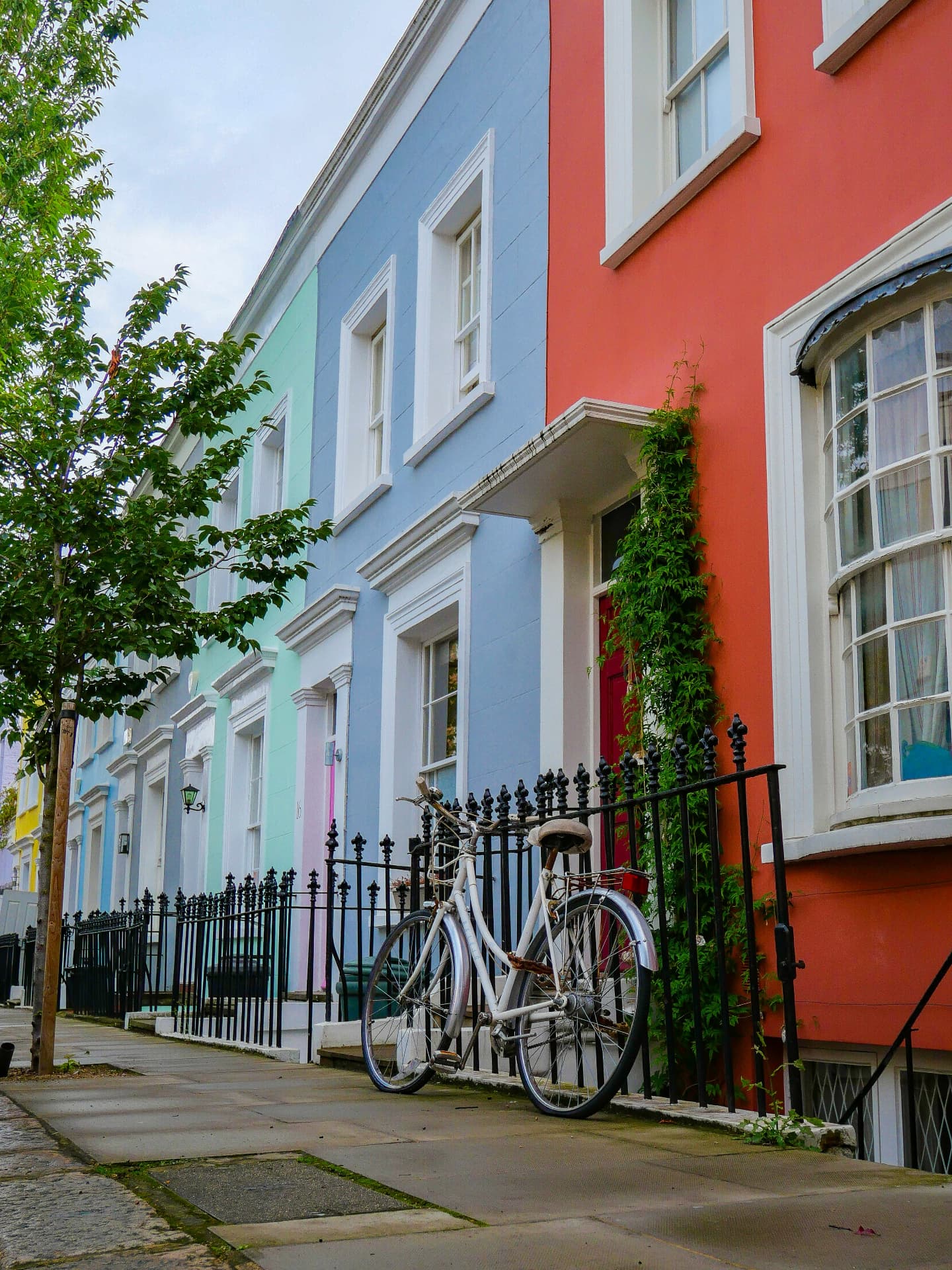
Few London neighbourhoods capture the imagination quite like Notting Hill. This West London enclave has evolved from its bohemian roots into one of the capital's most desirable addresses, where pastel-painted townhouses line tree-shaded streets and a village atmosphere persists despite the central location. Our Notting Hill area guide explores what makes this W11 postcode so enduringly popular, from its famous market and independent shops to the property landscape that continues to attract discerning buyers and tenants. Whether you're considering a move to the area or simply want to understand its unique character, we've gathered the insights that matter.
The Notting Hill Property Market
The Notting Hill property market reflects the area's prestigious reputation, with HM Land Registry data revealing a median sale price of £765,000 across 146 transactions in the most recent period. The market is dominated by flats, which accounted for 98 sales at a median of £600,000, making apartments the most accessible entry point for those seeking a Notting Hill address.
Terraced houses command a significant premium, with 32 sales recording a median price of £1,225,000, though values range dramatically from £750,000 to an exceptional £31,900,000 for the most prestigious properties. The scarcity of detached and semi-detached homes in this densely built Victorian neighbourhood means they rarely come to market, but when they do, prices reflect their rarity—the single detached sale reached £9,300,000, whilst semi-detached properties achieved a median of £6,975,000.
For those exploring rental options, ONS data shows studio flats ranging from £875 to £1,375 per month, whilst one-bedroom properties typically command £1,150 to £1,825. Family-sized homes come at a premium: three-bedroom properties range from £2,100 to £3,300 monthly, whilst five-bedroom homes stretch from £3,700 to £5,775. Our team at [Seymont London](/estate-agents/notting-hill) works closely with clients navigating this nuanced market, where street-by-street variations can significantly impact value.
Notable Notting Hill streets including Chepstow Villas, Lansdowne Road, Portobello Road, Pembridge Square, Westbourne Grove, Ladbroke Grove, Clarendon Cross and Elgin Crescent each possess distinct architectural character and appeal. Browse our current [property for sale in Notting Hill](/property-for-sale/notting-hill) to explore these distinguished addresses.
Living in Notting Hill: The Village Within the City
Notting Hill's enduring appeal lies in its ability to feel like a self-contained village whilst offering immediate access to central London. The area radiates outward from Notting Hill Gate, the transport hub that connects residents to the Circle, District and Central lines, placing the West End just minutes away. Yet step onto the residential streets that climb towards Ladbroke Grove and you'll find a quieter, more intimate atmosphere.
The neighbourhood's architectural heritage centres on the grand Victorian terraces and garden squares that were developed in the mid-19th century. Ladbroke Square, with its private communal gardens, exemplifies the area's original vision as an exclusive residential estate. Today, these stucco-fronted houses in shades of cream, powder blue and pale pink have become synonymous with Notting Hill's visual identity, their elegant proportions and high ceilings making them perennially desirable.
Community spirit thrives here, nurtured by longstanding independent businesses and annual traditions. The Notting Hill Carnival, Europe's largest street festival, transforms the area each August Bank Holiday, celebrating the Caribbean heritage that has shaped the neighbourhood's multicultural character. Throughout the year, residents enjoy a genuine village atmosphere where familiar faces populate the cafés, shopkeepers know their customers, and the streets maintain a human scale often lost in larger London districts.
Families are drawn by the proximity to outstanding schools, generous green spaces including Holland Park to the south, and the safe, walkable streets that allow children genuine independence as they grow. Young professionals appreciate the blend of sophistication and authenticity, whilst the creative industries that cluster here—from publishing to film production—add intellectual vitality to the neighbourhood.
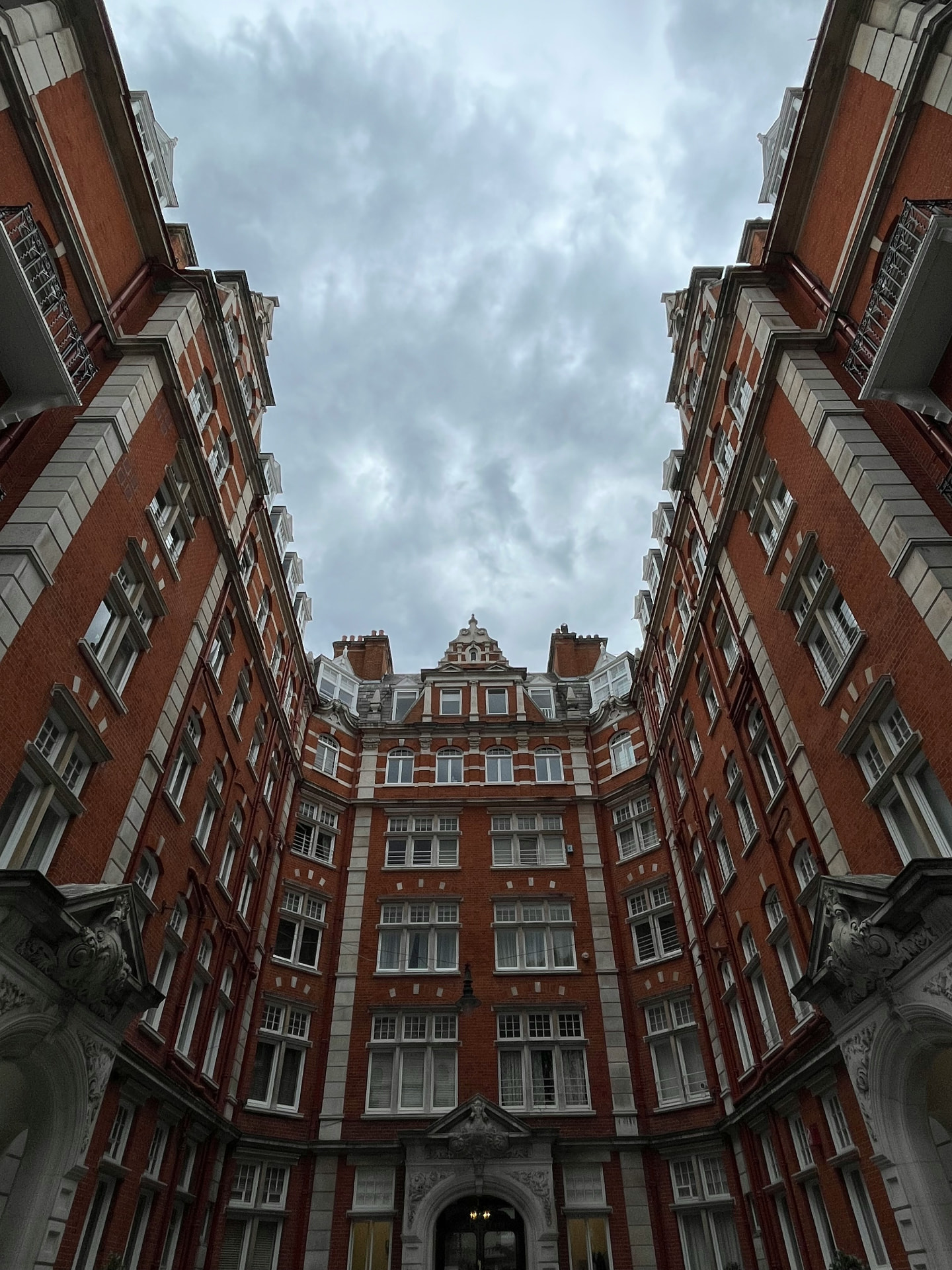
Portobello Road and Notting Hill's Shopping Scene
Portobello Road forms the commercial and cultural spine of Notting Hill, its famous market stretching nearly a mile from Notting Hill Gate towards the Westway. Saturday brings the full spectacle: antiques dealers at the southern end, fresh produce and street food through the middle section, and vintage fashion towards the northern reaches. Weekday visits reveal a different character, when the permanent shops—selling everything from rare books to contemporary homeware—take centre stage without the weekend crowds.
The Notting Hill bookshop culture extends beyond the famous blue-doored store that inspired the romantic comedy; independent booksellers and specialist shops dot the area, reflecting the neighbourhood's literary leanings. Lutyens & Rubinstein on Kensington Park Road and the Travel Bookshop continue traditions of curated, knowledgeable bookselling that chain stores cannot replicate.
Westbourne Grove offers a more polished shopping experience, where independent fashion boutiques, interiors shops and design-led stores cater to Notting Hill's style-conscious residents. The street has evolved into a destination for those seeking unique pieces rather than high-street uniformity, from contemporary art galleries to specialist food purveyors.
The smaller streets harbour hidden gems: Clarendon Cross clusters a handful of excellent independent shops and cafés, whilst Ledbury Road has emerged as a hub for fashion and lifestyle brands. This commitment to independent retail gives Notting Hill a distinct shopping personality that reinforces its village character and keeps residents loyal to local businesses.
Talk to Seymont
What's your home worth?
A considered view on price, timing and how to bring your London home to market — a personal reply within 24 hours.
Your property
Step 1 of 2Notting Hill Restaurants, Bars and Social Life
The dining scene in Notting Hill balances neighbourhood favourites with destination restaurants that draw visitors from across London. Ledbury Road hosts The Ledbury, a two-Michelin-starred restaurant that represents the area's fine-dining credentials, whilst more casual establishments along Westbourne Grove and Kensington Park Road serve everything from Japanese to modern British cuisine.
Restaurants in Notting Hill tend towards the intimate and independently run rather than chain operations. Long-established venues like E&O on Blenheim Crescent and The Cow on Westbourne Park Road have been serving the neighbourhood for decades, their staying power testament to consistent quality and genuine local following. All Saints Road, once notorious, has been thoroughly gentrified and now hosts popular spots including The Oak and Pizza East.
The pub culture here reflects Notting Hill's dual character—traditional locals sit alongside more design-conscious venues. The Churchill Arms on Kensington Church Street, with its extraordinary floral displays and Thai kitchen, exemplifies the area's eclectic spirit. The Portobello Star and The Westbourne offer gastropub experiences that elevate the traditional boozer without losing authenticity.
Bars in Notting Hill range from relaxed wine spots to cocktail lounges, with particular concentrations along Portobello Road and the streets surrounding Notting Hill Gate. The area's evening economy maintains a relatively civilised character compared to louder West End districts, appealing to those who want sophisticated options without late-night chaos. This measured approach to nightlife suits the residential character and helps maintain the neighbourhood's family-friendly reputation whilst still offering adults plenty of choice.
Transport, Schools and Practical Considerations
Connectivity ranks among Notting Hill's practical advantages, with Notting Hill Gate station providing Circle, District and Central line services. Neighbouring stations at Holland Park, Ladbroke Grove and Westbourne Park extend coverage across the area, whilst numerous bus routes serve those travelling locally. The proximity to Paddington—just two stops on the Circle line—offers national rail connections and the Heathrow Express, valuable for both business travel and international departures.
School provision attracts families to the area, with several outstanding state primary schools within catchment. The proximity to leading independent schools in Kensington, Holland Park and further west adds options for those choosing private education. Competition for places at the best state schools remains intense, and catchment areas can be surprisingly tight, making precise location crucial for families prioritising education. Our team provides detailed guidance on school catchments when helping families identify suitable [Notting Hill property](/house-prices/notting-hill).
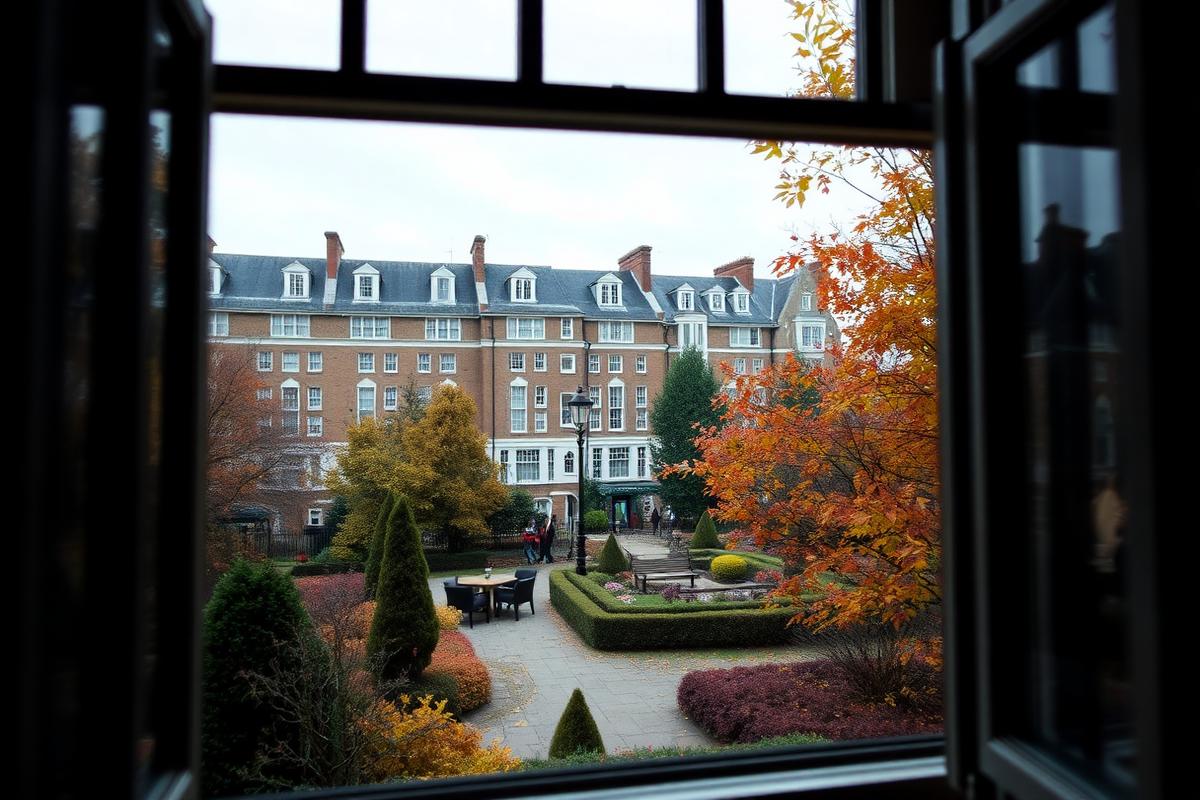
Green space comes primarily from Holland Park to the south, whose 54 acres include formal gardens, woodland, sports facilities and the open-air Holland Park Opera in summer. The communal gardens within Notting Hill's residential squares offer additional private green space for residents of surrounding properties, contributing to the area's environmental quality without requiring large individual gardens.
Practical amenities cluster around Notting Hill Gate, where supermarkets, pharmacies, banks and service providers ensure residents needn't travel for everyday necessities. The high street may lack the grandeur of Kensington High Street, but its functional mix serves the neighbourhood efficiently. Parking remains challenging, with residents' permits essential and visitor spaces scarce, though the excellent public transport somewhat mitigates car dependency.
Is Notting Hill Right for You?
Choosing Notting Hill means embracing a particular vision of London life—one that values character over modernity, community over anonymity, and quality over convenience. The premium commanded by Notting Hill property reflects not just location but an entire lifestyle built around independent shops, architectural beauty and genuine neighbourhood identity.
The area suits those who appreciate that perfection comes with quirks: beautiful period buildings that may lack lifts or modern insulation, charming streets that become impassable during Carnival weekend, and a retail landscape that closes earlier than central shopping districts. Residents here typically value these eccentricities as part of the area's authenticity rather than viewing them as inconveniences.
For professionals working in central, west or northwest London, the location offers genuine time savings compared to more distant suburbs, whilst families find the combination of excellent schools, safe streets and cultural richness hard to match. The creative industries that cluster here mean many residents work locally or from home, further strengthening community bonds.
If you're considering making Notting Hill your home, whether buying or renting, our team brings detailed local knowledge and a commitment to matching clients with properties that truly suit their needs. We understand the subtle distinctions between streets, the nuances of the local market, and the practical considerations that make the difference between a house and a home. Explore our services for [letting your property in Notting Hill](/let-your-property/notting-hill) or speak with us about your requirements—we're here to help you navigate this distinctive corner of West London.
Talk to Seymont
What's your home worth?
A considered view on price, timing and how to bring your London home to market — a personal reply within 24 hours.
Your property
Step 1 of 2About the author
Julian ReyesLicensed Real Estate Agent
Julian has spent eleven years handling residential sales across west and central London, previously with the independent agencies Harlowe & Vance and Marchmont Row. He runs listings end to end, from pricing and presentation through to negotiating offers and holding chains together to completion. His writing focuses on the practical mechanics of buying and selling a home in a market where timing and preparation decide the outcome.
Licensed estate agent · 11 years in London residential sales
- Residential sales
- First-time buyers
- Offer negotiation
- Chain management
Frequently asked
- What is the average property price in Notting Hill?
- According to HM Land Registry data, the median sale price in Notting Hill is £765,000 across all property types. Flats, which dominate the market, have a median price of £600,000, whilst terraced houses command a median of £1,225,000. The market shows significant variation, with properties ranging from £95,000 to over £31 million depending on type, size and specific location.
- Is Notting Hill a good area to live in?
- Notting Hill consistently ranks among London's most desirable neighbourhoods, offering excellent transport links via Notting Hill Gate station, outstanding schools, independent shops and restaurants, and beautiful Victorian architecture. The area combines a village atmosphere with central London convenience, though this desirability is reflected in property prices that command a premium over many other London districts.
- What is Notting Hill famous for?
- Notting Hill is renowned for Portobello Road Market, particularly its Saturday antiques section; the annual Notting Hill Carnival, Europe's largest street festival; and its distinctive pastel-coloured Victorian terraced houses. The area gained additional international recognition from the 1999 film 'Notting Hill', though its cultural significance extends far beyond cinema to encompass a rich multicultural heritage and thriving independent retail scene.
- How much does it cost to rent in Notting Hill?
- Rental costs in Notting Hill vary significantly by property size. ONS data shows studio flats ranging from £875 to £1,375 per month, one-bedroom properties from £1,150 to £1,825, two-bedroom homes from £1,575 to £2,475, and three-bedroom properties from £2,100 to £3,300 monthly. Larger family homes of four bedrooms or more command £2,825 to £5,775 per month, reflecting the area's premium status.
- What are the best streets in Notting Hill?
- Notable Notting Hill streets include Chepstow Villas, Lansdowne Road, Pembridge Square and Elgin Crescent, all featuring beautiful Victorian architecture and prime locations. Portobello Road offers vibrant market-side living, whilst Westbourne Grove provides elegant shopping and dining. Clarendon Cross is prized for its village-like intimacy, and the residential streets around Ladbroke Square offer access to prestigious communal gardens. Each street has distinct character, and property values reflect their individual appeal and amenities.