Journal
Living in Notting Hill
Written by Amara Bennett · Property Market Analyst
Published 16 February 2026 · Updated 18 April 2026 · 6 min read
The short answer
Living in Notting Hill offers an intoxicating blend of village charm and cosmopolitan energy that has captivated Londoners and international buyers alike for decades. This iconic West London neighbourhood, with its pastel-fronted townhouses, world-famous market and garden squares, represents one of the capital's most desirable postcodes.
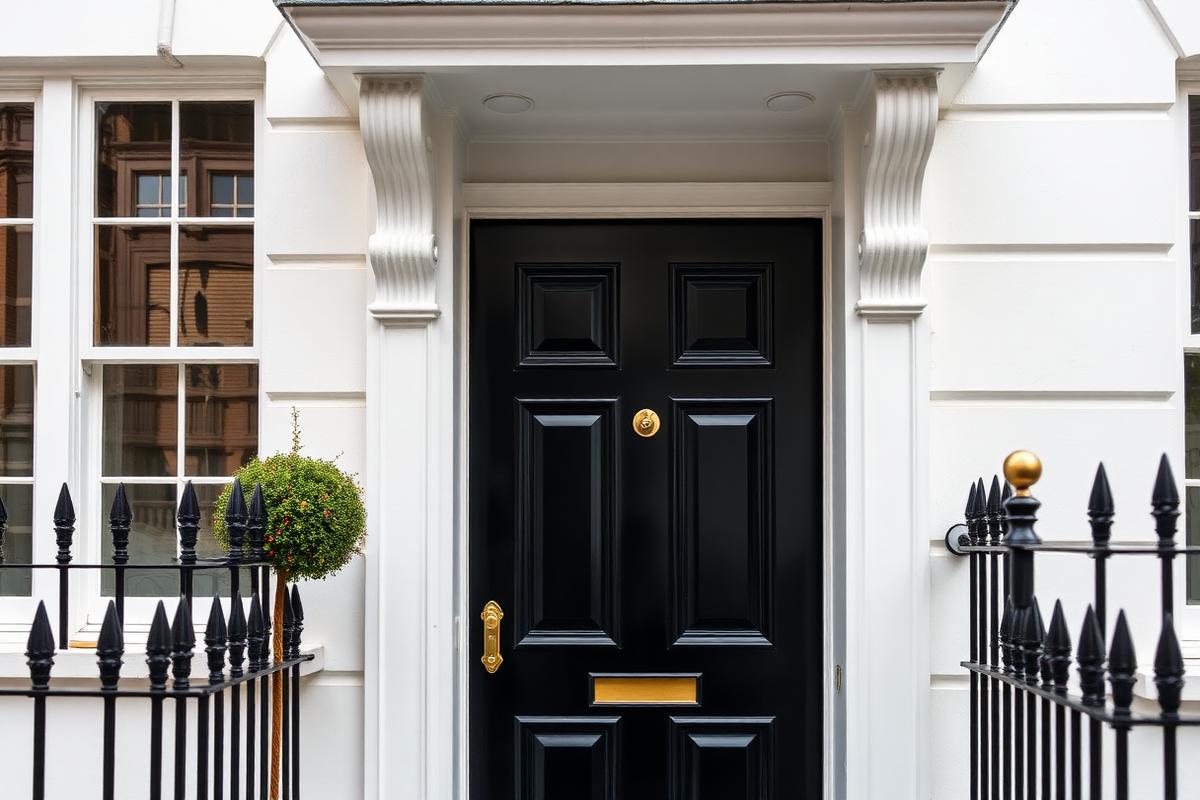
Living in Notting Hill offers an intoxicating blend of village charm and cosmopolitan energy that has captivated Londoners and international buyers alike for decades. This iconic West London neighbourhood, with its pastel-fronted townhouses, world-famous market and garden squares, represents one of the capital's most desirable postcodes. Our team has watched this vibrant community evolve whilst retaining the bohemian character that makes it so distinctive. Whether you're drawn by the antique stalls of Portobello Road, the independent boutiques along Westbourne Grove, or the leafy tranquillity of its residential streets, Notting Hill delivers a lifestyle unlike anywhere else in London.
What Is Notting Hill Like?
The character of Notting Hill is defined by its architectural beauty and cultural diversity. Victorian terraces painted in sorbet shades line streets that rise and fall across the neighbourhood's gentle hills, whilst communal gardens tucked behind wrought-iron railings offer residents private green spaces that are rare in central London. The area pulses with creative energy—independent cinemas sit alongside art galleries, whilst the annual Carnival transforms the streets into Europe's largest street festival each August.
The neighbourhood's villages-within-a-village structure creates distinct micro-communities. The streets around Clarendon Cross and Elgin Crescent form the picturesque heart that inspired countless films and photographs, whilst the Portobello Road corridor buzzes with market life from dawn until dusk on Saturdays. Ladbroke Grove brings a grittier, more authentic edge to the western side, and the elegant garden squares of Pembridge Square and surrounding enclaves offer architectural grandeur and residential calm.
What truly distinguishes Notting Hill is its genuine social mix. Despite soaring property values, the area maintains a diverse community where vintage dealers, creative professionals, established families and international residents coexist. This authenticity—increasingly rare in prime central London—underpins the neighbourhood's enduring appeal and ensures it remains a living, breathing community rather than merely a wealthy enclave.
The Notting Hill Lifestyle
The Notting Hill lifestyle revolves around a daily rhythm that balances metropolitan convenience with neighbourhood intimacy. Mornings might begin with coffee from one of the independent roasteries along Westbourne Grove, followed by a browse through the Notting Hill Bookshop—the literary landmark that has become a pilgrimage site for visitors yet remains a genuine local resource. Weekend mornings draw residents to Portobello Road, where the antiques market has operated since the 1940s, offering everything from Georgian silver to mid-century furniture.
Dining options reflect the area's cosmopolitan character and discerning residents. Restaurant Notting Hill searches peak each weekend as both locals and visitors seek tables at establishments ranging from intimate neighbourhood bistros to destination dining rooms. The pub scene maintains traditional character—historic locals serve their purpose as genuine community gathering spots rather than designer gastropubs. For those seeking evening entertainment, bars in Notting Hill range from relaxed wine bars to cocktail destinations, many tucked along side streets away from the main thoroughfares.
Cultural life extends beyond the obvious attractions. The Electric Cinema on Portobello Road, dating from 1910, remains one of London's most atmospheric picture houses, with leather armchairs and side tables for your wine glass. The area supports thriving independent retail, from fashion boutiques to antique specialists, creating a shopping experience that cannot be replicated online. This blend of cultural richness and everyday convenience allows residents to conduct much of their lives within a half-mile radius—a rare luxury in a city of London's scale.
Transport and Connectivity
Notting Hill transport connections provide comprehensive access across London and beyond, a significant factor for those considering living in Notting Hill. Notting Hill Gate station serves as the primary hub, offering Central, District and Circle lines that deliver swift connections to the West End, the City and Canary Wharf. The station handles over 96,000 search queries monthly, reflecting both its importance as a transport interchange and its status as a destination in its own right.
Ladbroke Grove station to the north and Westbourne Park to the northwest provide additional tube access via the Circle and Hammersmith & City lines, ensuring most residents live within a ten-minute walk of underground services. For overground connections, Royal Oak and Westbourne Park stations offer Elizabeth line proximity, transforming journey times to Heathrow, Canary Wharf and beyond since the line's full opening.
Bus services blanket the area with exceptional coverage—routes along Notting Hill Gate, Pembridge Road and Ladbroke Grove connect to every corner of London. For those who drive, the A40 Westway provides rapid access to the M40 and M25, whilst residents benefit from proximity to Paddington for national rail services. The neighbourhood's walkability and cycling infrastructure mean many residents find they use public transport less than they anticipated, conducting daily life on foot whilst retaining excellent connections when needed.
Talk to Seymont
What's your home worth?
A considered view on price, timing and how to bring your London home to market — a personal reply within 24 hours.
Your property
Step 1 of 2The Property Market in Notting Hill
The property market reflects Notting Hill's status as one of London's most coveted addresses. According to HM Land Registry Price Paid Data, the median sale price across 146 transactions in the most recent period reached £765,000, though this figure masks significant variation by property type. Flats—which constitute the majority of sales at 98 transactions—recorded a median of £600,000, offering relative accessibility for those entering this prime market. Our [estate agents in Notting Hill](/estate-agents/notting-hill) work with buyers across all price points, from compact studios to substantial family houses.
Terraced houses command a significant premium, with a median price of £1,225,000 across 32 sales, reflecting the enduring appeal of the Victorian and Georgian townhouses that define the area's character. Notable streets including Chepstow Villas, Lansdowne Road and Pembridge Square represent the pinnacle of the market, where architectural distinction and garden square access drive values considerably higher. The limited supply of semi-detached and detached properties—just three sales in the data period—underscores their rarity, with prices reflecting their exceptional status.
For those exploring rental options, ONS data reveals a structured market across property sizes. Studio apartments range from £875 to £1,375 per calendar month, whilst one-bedroom flats command £1,150 to £1,825. Family-sized accommodation escalates accordingly: two-bedroom properties range from £1,575 to £2,475, three-bedroom homes from £2,100 to £3,300, and larger family houses from £2,825 to £5,775 for five or more bedrooms. Those interested in the lettings market can explore options through our [property letting services](/let-your-property/notting-hill), whilst buyers can view current [properties for sale in Notting Hill](/property-for-sale/notting-hill) or examine long-term [house price trends](/house-prices/notting-hill) to inform their decisions.
Schools, Green Spaces and Community
Educational provision plays a central role for families living in Notting Hill, with the area offering strong state and independent options. Several outstanding-rated primary schools serve the neighbourhood, whilst secondary options include well-regarded comprehensives and selective grammars within reasonable distance. The concentration of prestigious independent schools across West London provides additional choice for families prioritising private education.
Green space, though not as abundant as in outer London, exceeds what most central locations offer. The private garden squares—accessible only to keyholders from surrounding properties—create verdant oases behind the Victorian façades, adding significant value to homes with access rights. Kensington Gardens lies within a fifteen-minute walk, offering expansive parkland, whilst Holland Park to the south provides woodlands, formal gardens and peacocks. These spaces transform the experience of urban living, offering children room to play and adults space to breathe.
The community dimension distinguishes Notting Hill from more transient central London neighbourhoods. Long-established residents create continuity and neighbourhood memory, whilst the constant influx of newcomers—both British and international—maintains vitality and diversity. Residents' associations actively shape local issues, independent businesses cultivate loyal followings, and the annual Carnival reminds everyone that this remains a neighbourhood with deep Caribbean heritage alongside its contemporary prosperity. This layered identity, where past and present coexist rather than compete, creates the authentic character that makes living in Notting Hill so rewarding.
Talk to Seymont
What's your home worth?
A considered view on price, timing and how to bring your London home to market — a personal reply within 24 hours.
Your property
Step 1 of 2About the author
Amara BennettProperty Market Analyst
Amara spent seven years as a market analyst at Kestrel Lane Research, a small London property consultancy, before joining our editorial desk. She reads sold-price and rental data street by street to explain how individual London postcode districts actually behave, and reviews every price figure we publish. Her focus is separating headline national averages from what a specific address is worth today.
MSc Real Estate Economics · Seven years in property market research
- Valuations
- Local market data
- Sold prices
- Pricing strategy
Frequently asked
- Is Notting Hill a good area to live in?
- Notting Hill consistently ranks among London's most desirable neighbourhoods, offering exceptional transport links, cultural richness, independent shops and restaurants, and beautiful Victorian architecture. The area successfully balances village character with central London convenience, creating a genuine community atmosphere that's increasingly rare in Zone 1 and 2. Property values reflect this desirability, though the market offers options from flats to substantial family houses across varying price points.
- How much does it cost to rent in Notting Hill?
- According to ONS data, rental costs in Notting Hill vary by property size. Studio apartments range from £875 to £1,375 per calendar month, one-bedroom flats from £1,150 to £1,825, two-bedroom properties from £1,575 to £2,475, and three-bedroom homes from £2,100 to £3,300. Larger family houses with four bedrooms start around £2,825, whilst five-bedroom properties can reach £5,775 monthly. Prices reflect the area's prime location, transport connections and lifestyle amenities.
- What is the transport like in Notting Hill?
- Notting Hill offers excellent transport connectivity through multiple underground stations. Notting Hill Gate provides Central, District and Circle line services, whilst Ladbroke Grove and Westbourne Park offer additional Circle and Hammersmith & City line access. The Elizabeth line is accessible via nearby stations, dramatically improving connections to Heathrow, the City and Canary Wharf. Comprehensive bus services and proximity to the A40 Westway provide additional options, though many residents find the area's walkability reduces their reliance on transport.
- What are property prices like in Notting Hill?
- HM Land Registry data shows a median sale price of £765,000 across recent transactions in Notting Hill. Flats, which form the majority of sales, have a median price of £600,000, whilst terraced houses command a median of £1,225,000. Semi-detached properties are rare and command premiums around £6,975,000, reflecting their scarcity. Notable streets including Chepstow Villas, Pembridge Square and Lansdowne Road represent the upper end of the market, where architectural distinction and location drive values significantly higher.
- What is Notting Hill famous for?
- Notting Hill is internationally famous for Portobello Road Market, the colourful Victorian terraces, the Notting Hill Carnival—Europe's largest street festival—and the 1999 film that bears the neighbourhood's name. The Notting Hill Bookshop became a cultural landmark following the film, whilst the area's distinctive pastel-painted houses create one of London's most photographed streetscapes. Beyond these iconic elements, Notting Hill is recognised for its authentic community character, independent businesses and enduring bohemian spirit within an increasingly corporate London.