Journal
The Cost of Living in Notting Hill
Written by Nina Castellano · Investment Property Advisor
Published 14 February 2026 · Updated 14 April 2026 · 6 min read
The short answer
Notting Hill remains one of London's most coveted postcodes, synonymous with pastel-coloured townhouses, world-class dining and a vibrant cultural scene. Yet understanding the full cost of living in Notting Hill requires looking beyond property prices alone.
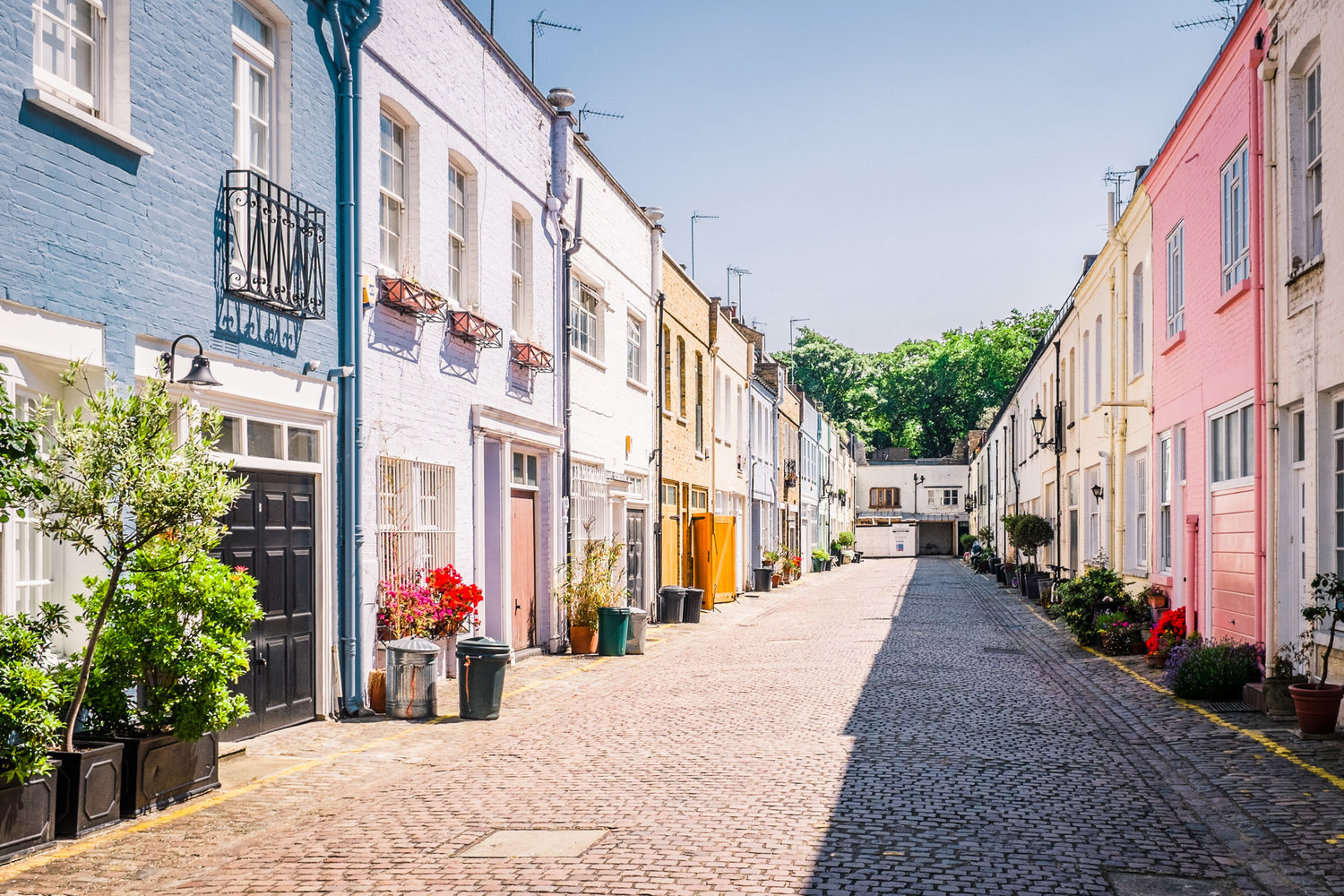
Notting Hill remains one of London's most coveted postcodes, synonymous with pastel-coloured townhouses, world-class dining and a vibrant cultural scene. Yet understanding the full cost of living in Notting Hill requires looking beyond property prices alone. From council tax bands and service charges to the price of your morning coffee on Portobello Road, we've assembled a comprehensive guide to help you budget for life in this iconic West London neighbourhood. Whether you're considering a studio flat or a family home, our team at Seymont London has distilled the essential financial considerations into this detailed overview.
Property Purchase Prices and Market Trends
According to HM Land Registry data, the median property price in Notting Hill stands at £765,000 across 146 recorded sales. This figure, however, masks considerable variation depending on property type and location within the neighbourhood.
Flats constitute the majority of transactions, with 98 sales recorded at a median of £600,000. The range is substantial—from £95,000 for leasehold interests to £4,565,000 for prime lateral apartments. Terraced houses, the architectural hallmark of streets like Chepstow Villas and Elgin Crescent, command a median of £1,225,000 across 32 transactions, though exceptional properties on Lansdowne Road have sold for upwards of £31.9 million.
Semi-detached and detached properties represent the pinnacle of Notting Hill real estate, with median prices of £6,975,000 and £9,300,000 respectively. These are predominantly found on garden squares such as Pembridge Square and the most prestigious sections of Ladbroke Grove. For those exploring opportunities in the area, our [Notting Hill property listings](/property-for-sale/notting-hill) provide current market availability.
Notable streets including Portobello Road, Westbourne Grove and Clarendon Cross each offer distinct character and price points, reflecting everything from bohemian market charm to refined residential elegance. Understanding these micro-markets is essential when evaluating how expensive is Notting Hill for your particular requirements.
Rental Costs Across Property Sizes
For those considering renting before purchasing, ONS data reveals a tiered structure that reflects Notting Hill's premium status. Studio apartments range from £875 to £1,375 per calendar month (pcm), offering an entry point for young professionals drawn to the neighbourhood's creative energy and proximity to Notting Hill Gate.
One-bedroom flats command between £1,150 and £1,825 pcm, whilst two-bedroom properties—ideal for couples or small families—range from £1,575 to £2,475 pcm. The jump to three bedrooms brings rental costs to £2,100–£3,300 pcm, reflecting the scarcity of family-sized accommodation in an area where period conversions dominate.
Four-bedroom homes sit between £2,825 and £4,400 pcm, whilst five-bedroom properties and above—typically full-width townhouses—command £3,700 to £5,775 pcm. These upper-tier rentals often feature private gardens, original architectural details and locations on the most desirable garden squares.
Those seeking rental opportunities should note that Notting Hill's lettings market moves quickly, particularly for well-presented properties in prime locations. Our [letting services](/let-your-property/notting-hill) cater to both landlords and prospective tenants navigating this competitive landscape.
Notting Hill Council Tax and Service Charges
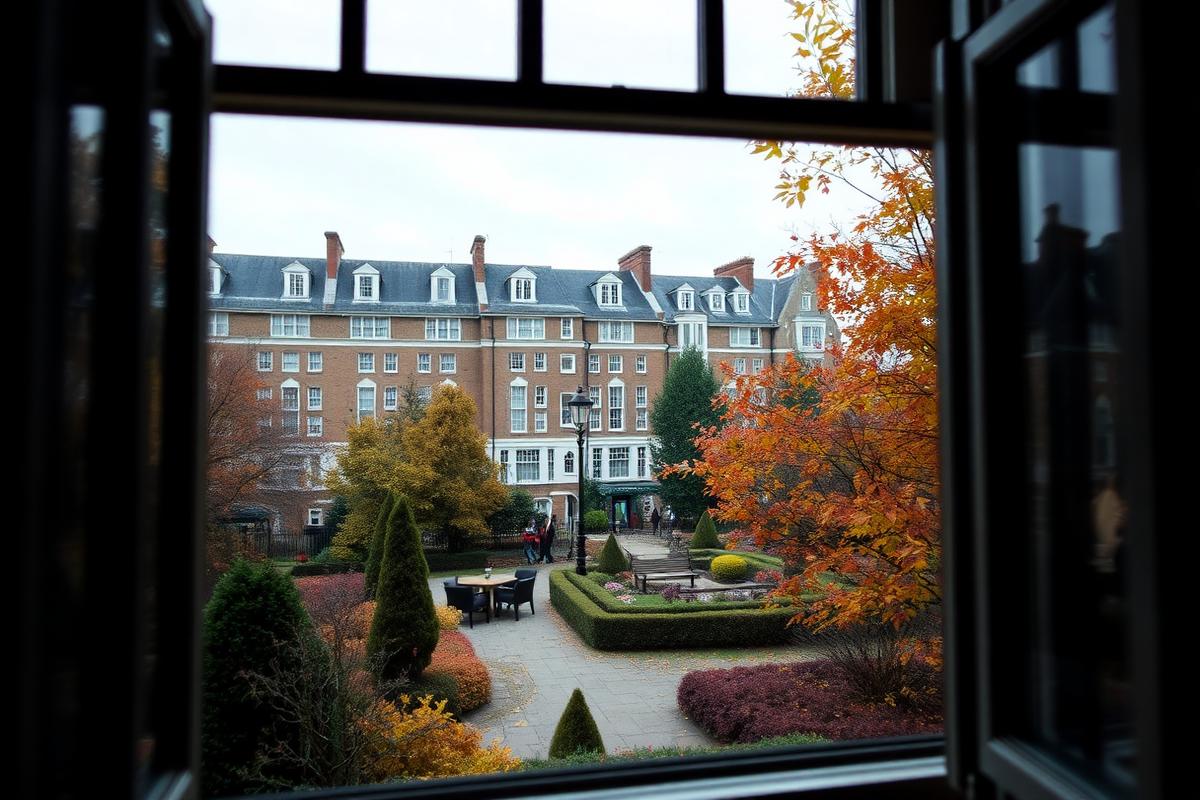
Notting Hill falls within the Royal Borough of Kensington and Chelsea, which sets council tax rates annually. For the current tax year, Band D properties pay approximately £1,086, though most homes in the area fall into higher bands. A typical terraced house on Portobello Road might sit in Band F (around £1,991 annually), whilst larger properties on garden squares often occupy Bands G or H, commanding £2,438 and £2,896 respectively.
Notting Hill service charges merit particular attention, especially for flat owners in converted Victorian and Edwardian buildings. Annual charges vary dramatically based on building size, amenities and maintenance schedules. Modest mansion blocks might levy £2,000–£4,000 annually, covering basic maintenance, building insurance and communal area upkeep.
Portered buildings with lifts, gym facilities or 24-hour concierge services—increasingly common in newer developments near Notting Hill Gate—can command £6,000–£12,000 or more per annum. Properties on prestigious garden squares with maintained communal gardens add separate garden square charges, typically £500–£1,500 annually. We always advise prospective buyers to scrutinise service charge accounts and sinking fund provisions before committing to purchase.
Ground rent, whilst often nominal (£50–£250 annually for older leases), should also be factored into your budget, alongside buildings insurance for house owners, which typically costs £800–£2,000 depending on property value and rebuild costs.
Talk to Seymont
What's your home worth?
A considered view on price, timing and how to bring your London home to market — a personal reply within 24 hours.
Your property
Step 1 of 2Daily Living Expenses and Lifestyle Costs
The question of how expensive is Notting Hill extends well beyond housing costs. Grocery shopping reflects the area's upmarket character, with Whole Foods Market on Kensington High Street and numerous independent delicatessens along Westbourne Grove. Weekly shopping for a couple typically runs £80–£150, compared to £60–£100 in less central London locations. The famous Portobello Road market offers more affordable fresh produce on Fridays and Saturdays, though even here, prices reflect the tourist-heavy footfall.
Dining out constitutes a significant lifestyle expense for Notting Hill residents. A meal for two at a mid-range restaurant in Notting Hill averages £70–£100 excluding wine. Popular establishments like The Ledbury (two Michelin stars) command considerably more, whilst casual dining at neighbourhood favourites along Westbourne Park Road might cost £40–£60 for two. Coffee culture thrives here, with flat whites typically priced at £3.50–£4.50, compared to £2.80–£3.50 in outer London boroughs.
Those searching for a "pub notting hill" or "bar notting hill" will find establishments like The Churchill Arms or The Portobello Star charging £6–£8 for pints, whilst cocktail bars command £12–£16 per drink. Entertainment costs similarly reflect the area's premium positioning—cinema tickets at the Electric Cinema on Portobello Road cost £20–£30, including luxurious armchair seating.
Transport represents a more standardised cost, with Notting Hill Gate providing Central, Circle and District line access (Zone 1/2 boundary). An annual Travelcard for Zones 1-2 costs £1,472, though many residents walk or cycle within the neighbourhood, taking advantage of its excellent walkability and proximity to Hyde Park.
Schools, Childcare and Family Expenses
For families evaluating the cost of living in Notting Hill, education represents a substantial consideration. The area hosts outstanding state primaries including Colville Primary School and Fox Primary School, which are free but extraordinarily competitive for admissions. Many families opt for independent education, with schools like Wetherby Pre-Preparatory and Pembridge Hall charging £6,000–£7,500 per term for younger children.
Childcare costs in Notting Hill rank among London's highest. Full-time nursery places for under-twos typically cost £2,000–£2,800 per month, whilst after-school nannies command £15–£20 gross per hour. Au pairs, sharing accommodation, offer a more affordable option at roughly £150–£250 weekly including lodging, though they provide more limited hours and responsibilities.
Children's activities reflect the neighbourhood's family-friendly infrastructure. Music lessons cost £40–£70 per hour, weekend football clubs charge £15–£25 per session, and popular children's classes at venues along Kensington Park Road run £18–£30 per attendance. The cumulative effect means that families with two or three children can easily spend £800–£1,500 monthly on childcare, activities and education beyond basic schooling.
Proximity to Kensington Gardens and Holland Park provides valuable free recreational space, partially offsetting these structured activity costs, whilst the Notting Hill branch library on Kensington Church Street offers free children's programming throughout the year.
Weighing Value Against Lifestyle
Our team at Seymont London regularly guides clients through the financial realities of Notting Hill living, and we've observed that successful residents share a common perspective: they view the premium not merely as a cost but as an investment in lifestyle, convenience and community.
The neighbourhood's walkability means reduced transport costs and time savings that translate into genuine quality-of-life improvements. The concentration of independent shops along Westbourne Grove, the weekly rhythms of Portobello Road market, and the village atmosphere along Clarendon Cross create an urban experience that feels simultaneously cosmopolitan and intimate.
For those working in central London, particularly in Mayfair, the City or Canary Wharf, the transport connections via Notting Hill Gate provide door-to-door commutes that rival or exceed those from ostensibly cheaper outer boroughs when total journey time is calculated. Property values have historically appreciated strongly, though past performance never guarantees future returns.
When comparing Notting Hill to other prime central London locations like Kensington, Chelsea or Marylebone, the cost differential narrows considerably. What distinguishes Notting Hill is its particular blend of cultural vibrancy, architectural heritage and neighbourhood cohesion—qualities that have inspired countless searches for "house notting hill" and sustained the area's reputation across generations.
For those seriously considering a move, we recommend viewing our comprehensive [Notting Hill house prices analysis](/house-prices/notting-hill) and exploring our [estate agency services](/estate-agents/notting-hill) to understand how we support clients throughout their property journey in this exceptional corner of London.
Talk to Seymont
What's your home worth?
A considered view on price, timing and how to bring your London home to market — a personal reply within 24 hours.
Your property
Step 1 of 2About the author
Nina CastellanoInvestment Property Advisor
Nina advises landlords and investors on rental yields, tenant demand and portfolio structure across Greater London, after running lettings and management at Bellhouse Property Partners. She has overseen single units and multi-property portfolios, and works through compliance, void periods and running costs before a purchase is agreed. Her articles deal with the numbers behind a buy-to-let rather than the headline gross yield.
Lettings and portfolio management · 9 years in London rentals
- Buy-to-let
- Rental yields
- Portfolio strategy
- Landlord compliance
Frequently asked
- What is the average property price in Notting Hill?
- According to HM Land Registry data, the median property price in Notting Hill is £765,000. However, this varies significantly by property type: flats have a median of £600,000, terraced houses £1,225,000, semi-detached properties £6,975,000, and detached homes £9,300,000. The range spans from £95,000 to over £31 million for exceptional properties on premier streets.
- How much does it cost to rent in Notting Hill?
- Rental costs in Notting Hill vary by property size. Based on ONS data, studios range from £875–£1,375 per month, one-bedroom flats £1,150–£1,825, two-bedroom properties £1,575–£2,475, three-bedroom homes £2,100–£3,300, four-bedroom houses £2,825–£4,400, and five-bedroom properties £3,700–£5,775 monthly. Prime locations and period features command the upper end of these ranges.
- What are typical service charges for Notting Hill flats?
- Notting Hill service charges vary considerably depending on building type and amenities. Basic mansion blocks typically charge £2,000–£4,000 annually, covering essential maintenance and insurance. Buildings with lifts, porters, concierge services or gym facilities can levy £6,000–£12,000 or more per year. Properties on garden squares incur additional annual charges of £500–£1,500 for communal garden maintenance.
- Is Notting Hill more expensive than other London areas?
- Yes, Notting Hill ranks among London's most expensive neighbourhoods, comparable to Kensington, Chelsea and Marylebone. Property prices, rents, dining costs and daily expenses all reflect its prime central location, excellent transport links via Notting Hill Gate, outstanding schools, and unique cultural character. However, many residents consider the premium justified by the exceptional quality of life, architectural beauty and strong sense of community.
- What council tax band are most Notting Hill properties?
- Most properties in Notting Hill fall into higher council tax bands due to elevated property values. Typical flats might be Band D-E (£1,086–£1,538 annually), terraced houses often Band F-G (£1,991–£2,438), and larger homes on garden squares Band G-H (£2,438–£2,896). The Royal Borough of Kensington and Chelsea sets these rates, which are reviewed annually.