Journal
Where to Live in Prime London: The Definitive Comparison by Seymont London
Written by Amara Bennett · Property Market Analyst
Published 5 August 2026 · Updated 8 August 2026 · 6 min read
The short answer
Choosing where to live in prime London is rarely a decision based solely on a floor plan; it is a choice of lifestyle, architecture, and proximity to the specific pockets of culture that define this corner of the capital. As the founder of Seymont London, we have spent our career navigating these specific streets, from the stucco-fronted terraces of Kensington to the vibrant mews of Notting Hill.
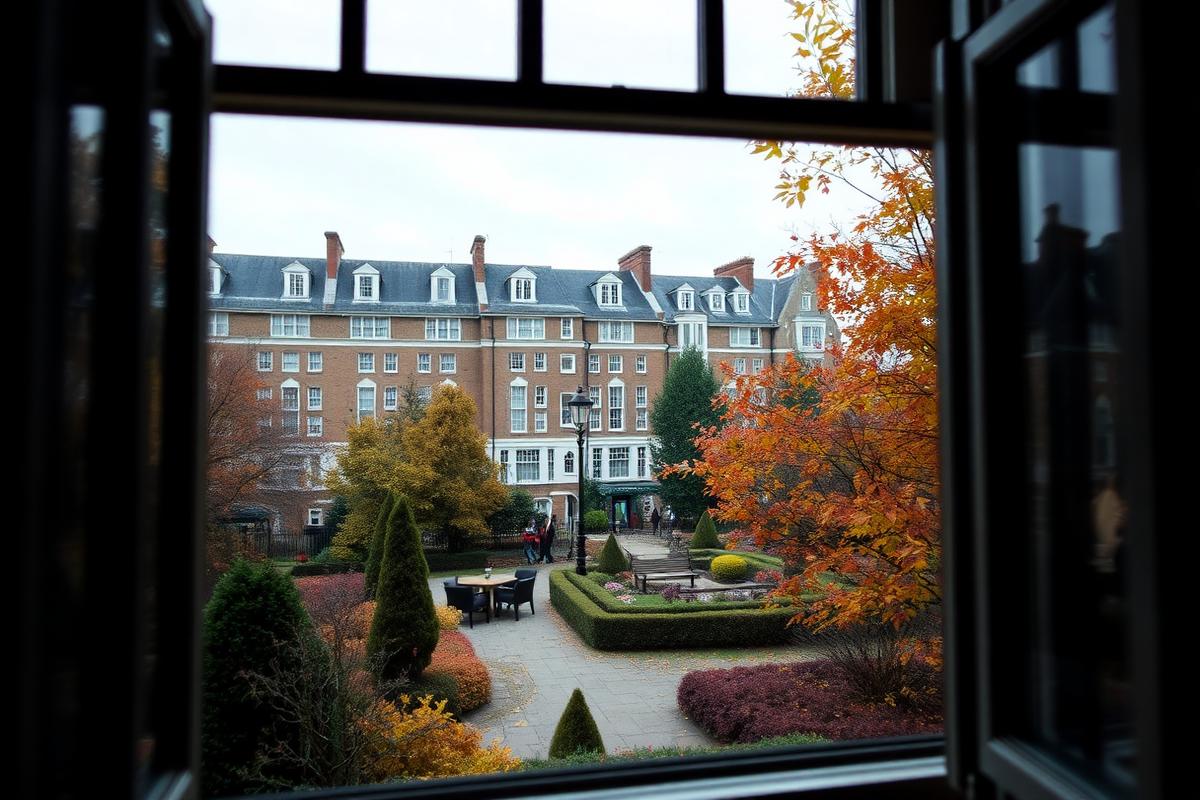
Choosing where to live in prime London is rarely a decision based solely on a floor plan; it is a choice of lifestyle, architecture, and proximity to the specific pockets of culture that define this corner of the capital. As the founder of Seymont London, we have spent our career navigating these specific streets, from the stucco-fronted terraces of Kensington to the vibrant mews of Notting Hill. We handle every instruction personally, from the initial valuation to the final completion, ensuring our clients benefit from a direct, unmediated market perspective. In this guide, we draw upon our latest data and our own daily observations to help you decide which of these exceptional neighbourhoods aligns with your requirements. To provide an objective baseline, all average price and price per square foot figures cited in this analysis are informed by HM Land Registry for figures up to August 2026. Whether you are looking for a lateral apartment overlooking a communal garden or a quiet townhouse tucked behind a busy high street, understanding the nuances of these micro-markets is essential. Finding the best areas to live in London requires looking beyond the postcodes to the specific street-level dynamics that drive value and long-term desirability.
Kensington: The Bastion of Period Elegance
Kensington, particularly the W8 and SW7 postcodes, remains the gold standard for many international and domestic buyers. According to HM Land Registry for figures, the average price here sits at £2,650,000, with a price per square foot of approximately £1,550. The market has remained flat to modestly firmer over the last year, though we have observed that best-in-class houses on streets like Phillimore Gardens and Stafford Terrace are outperforming compromised stock by a wide margin. In Kensington, value is driven by scarcity rather than transaction volume; therefore, we advise our clients to watch withdrawn listings as closely as sold ones to understand true owner sentiment.
The housing stock is dominated by raised-ground and first-floor period conversion flats, often boasting the high ceilings and ornate cornicing that define the Royal Borough. For families, the scarcity of terraced and semi-detached houses behind Kensington Church Street and on Campden Hill creates a fiercely competitive environment. Residents enjoy the proximity to High Street Kensington station for the Circle and District lines, and the green expanse of Kensington Gardens is never more than a few minutes' walk away. For those considering where to live in prime London, Kensington offers a sense of permanence and prestige that is difficult to replicate.
When selling in Kensington, we find that owners are almost always experienced and value a single point of contact who has read the lease before the first viewing. They want a specialist who understands why a flat on Kensington Square commands a different premium than one on Argyll Road. The presence of elite preparatory schools and the proximity to Imperial College London further bolsters the rental and secondary markets here, making it one of the best areas to live in London for long-term capital preservation.
Notting Hill: The Culturally Vibrant Garden Squares
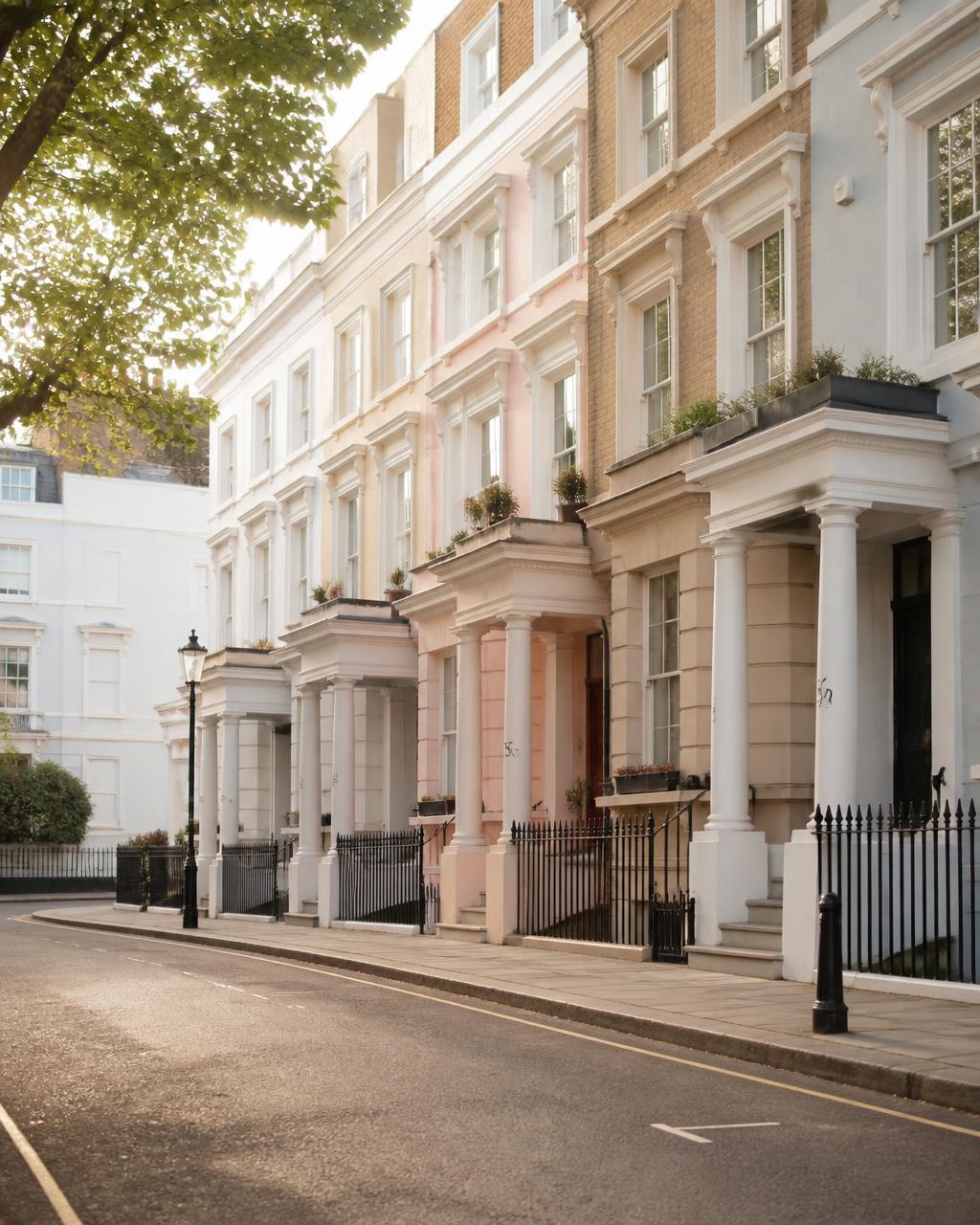
Notting Hill (W11) offers a distinctively different energy to its southern neighbour. With an average price of £2,450,000 and a price per square foot of £1,480, the market remains firm, particularly for houses with communal garden rights. However, we have noted a slower pace for upper-floor conversion flats that lack private or communal outside space. The area is essentially two markets sharing a single postcode: the grand, garden-square houses on Lansdowne Road and Elgin Crescent, and the more bohemian, eclectic pockets near Portobello Road and Clarendon Cross.
Transport connectivity is a significant draw, with Notting Hill Gate providing Central line access to the City and West End, while Ladbroke Grove serves the Hammersmith & City line. The Elizabeth line at nearby Paddington has further enhanced the appeal of the W2 borders. For families, the educational landscape is a primary driver, with Fox Primary School and Wetherby Prep shaping the local school-run geography. It is these institutions, alongside the boutique charm of Westbourne Grove, that keep families rooted in the area for decades.
In our experience at Seymont London, the photography brief for a Notting Hill property is never a formality. It is the crucial difference between a house that reads as a home and one that reads as a mere floor plan. Buyers here are looking for a lifestyle—a cobble-stoned mews house or a stucco terrace with a view of a private park. As you evaluate where to live in prime London, Notting Hill stands out for its unique blend of architectural grandeur and community-focused living, consistently ranking among the best areas to live in London for those who value character.
Holland Park: Discretion and Stucco Grandeur
Holland Park represents the most exclusive tier of our patch, with an average price of £2,900,000 and a price per square foot of £1,620. The market at the very top is thinly traded and often occurs privately, meaning headline averages frequently understate the true value of assets on Addison Road or Holland Park Avenue. The mid-market flats here have proven remarkably resilient, showing more stability than in neighbouring postcodes. The area is defined by its large detached and semi-detached villas, which are among the most coveted residences in the capital.
The lifestyle here revolves around the park itself, a 54-acre haven containing the Kyoto Garden and the open-air Opera Holland Park. Educational needs are met by the flagship Holland Park School and Norland Place, drawing families across the W8 and W11 boundaries. Transport is seamless via the Holland Park Central line station, offering direct access to Oxford Circus and the City, while the proximity to Westfield London provides unparalleled retail convenience.
For sellers in Holland Park, the most critical decision is whether to launch via an open market campaign or a quiet, off-market approach. We work closely with our clients to make this decision deliberately, backed by real-time data. Whether it is a lateral flat in Royal Crescent or a hidden gem on Aubrey Walk, Holland Park remains a pinnacle of prime London living. If your search for where to live in prime London prioritises privacy and architectural purity, Holland Park is often the final destination.
Talk to Seymont
What's your home worth?
A considered view on price, timing and how to bring your London home to market — a personal reply within 24 hours.
Your property
Step 1 of 2Bayswater and South Kensington: Connectivity and International Appeal
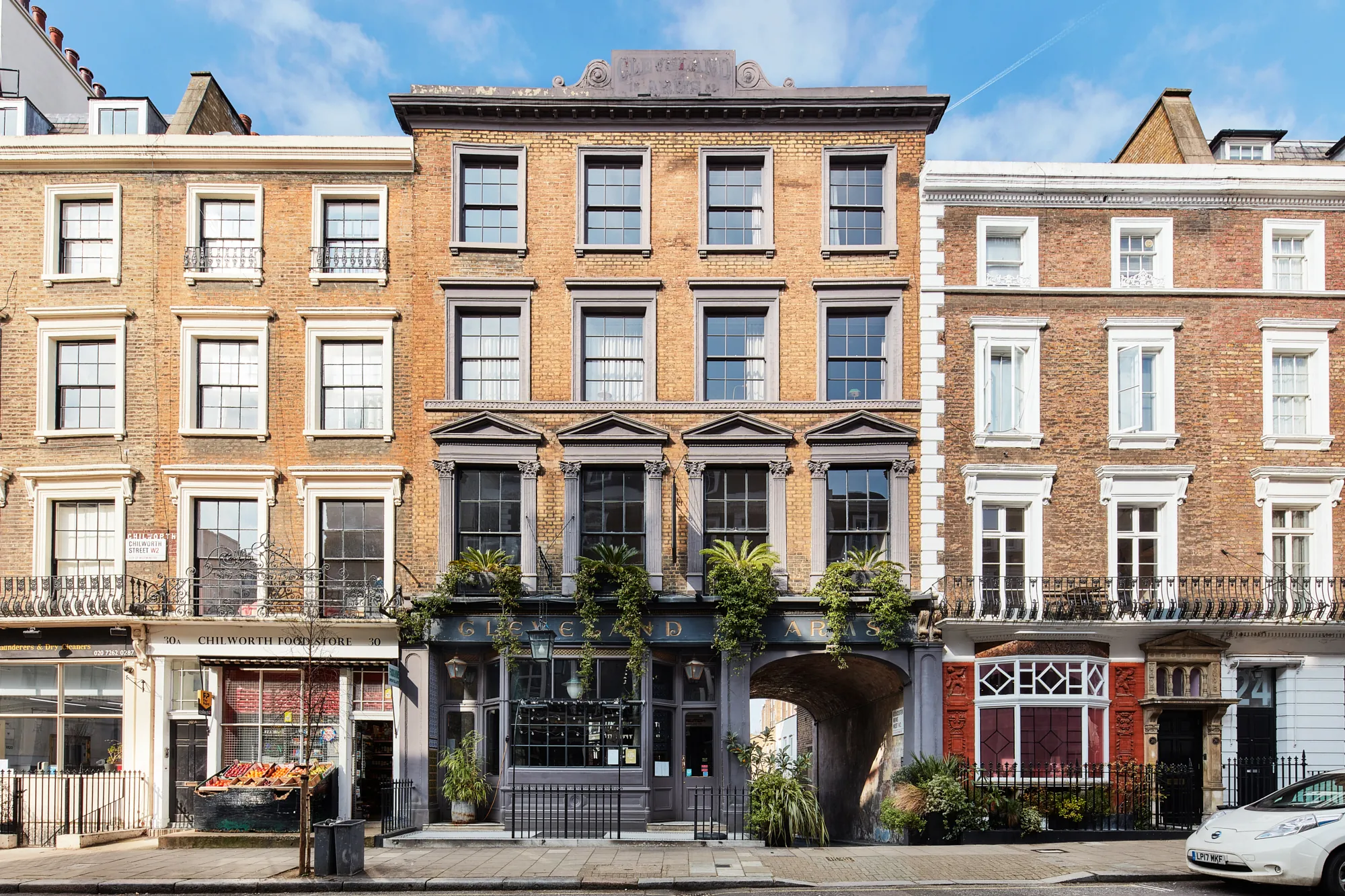
Bayswater (W2) has recently seen the strongest relative improvement in our patch, with an average price of £1,650,000 and a price per square foot of £1,250. This growth is underpinned by the Elizabeth line at Paddington and the massive regeneration of Queensway, including the Whiteleys development. It rewards buyers who compare properties on a price-per-square-foot basis. In W2, we ensure that the lease details and service charges are at the forefront of marketing, as these practicalities are vital to the savvy professional buyers attracted to Leinster Square and Hyde Park Gardens.
South Kensington (SW7), by contrast, tracks the academic calendar more closely than the interest rate cycle. With an average price of £2,350,000 and a price per square foot of £1,580, the area is driven by the Lycée Français Charles de Gaulle and Imperial College. Demand for garden-square conversions on Onslow Gardens or Egerton Gardens spikes in the spring and late summer. In SW7, the building itself often sells the flat; we always advise our sellers to ensure communal hallways are pristine and freeholder paperwork is ready before the first viewing.
Both areas offer distinct advantages for those deciding where to live in prime London. Bayswater offers the best value-for-space and connectivity, while South Kensington offers a museum-quarter lifestyle with deep international roots. When determining the best areas to live in London, these two neighbourhoods provide excellent alternatives to the traditional cores of Kensington and Notting Hill, each serving different professional and familial requirements with distinction.
Talk to Seymont
What's your home worth?
A considered view on price, timing and how to bring your London home to market — a personal reply within 24 hours.
Your property
Step 1 of 2About the author
Amara BennettProperty Market Analyst
Amara spent seven years as a market analyst at Kestrel Lane Research, a small London property consultancy, before joining our editorial desk. She reads sold-price and rental data street by street to explain how individual London postcode districts actually behave, and reviews every price figure we publish. Her focus is separating headline national averages from what a specific address is worth today.
MSc Real Estate Economics · Seven years in property market research
- Valuations
- Local market data
- Sold prices
- Pricing strategy
Frequently asked
- Which area in prime London has seen the most growth?
- Based on HM Land Registry for figures up to August 2026, Bayswater (W2) has shown the strongest relative improvement. This is largely due to the 'Elizabeth Line effect' at Paddington and significant investment in the regeneration of Queensway and the Whiteleys area.
- Where should we look for the best schools in London?
- South Kensington is highly sought after by French-speaking families due to the Lycée Français, while Notting Hill and Kensington offer a dense cluster of elite preps like Wetherby, Pembridge Hall, and Fox Primary. Holland Park School is a flagship state secondary for the borough.
- What is the average price per square foot in Holland Park?
- The average price per square foot in Holland Park is approximately £1,620. However, for the large detached villas on Addison Road and Holland Park Avenue, which often trade privately, this figure can be significantly higher.
- Is it better to sell a property in South Kensington during a specific season?
- Yes, the South Kensington market is heavily influenced by the academic calendar. We typically see sharper activity during the spring and late summer as families look to secure homes before the new term at the Lycée or Imperial College.