Journal
What £2m actually buys in the prime London property market this autumn
Written by Nina Castellano · Investment Property Advisor
Published 14 August 2026 · Updated 16 August 2026 · 4 min read
The short answer
As we move into the autumn market, we are frequently asked by both domestic families and international arrivals whether £2m remains the 'sweet spot' for a home in W8, W11, or W2. The answer is nuanced.
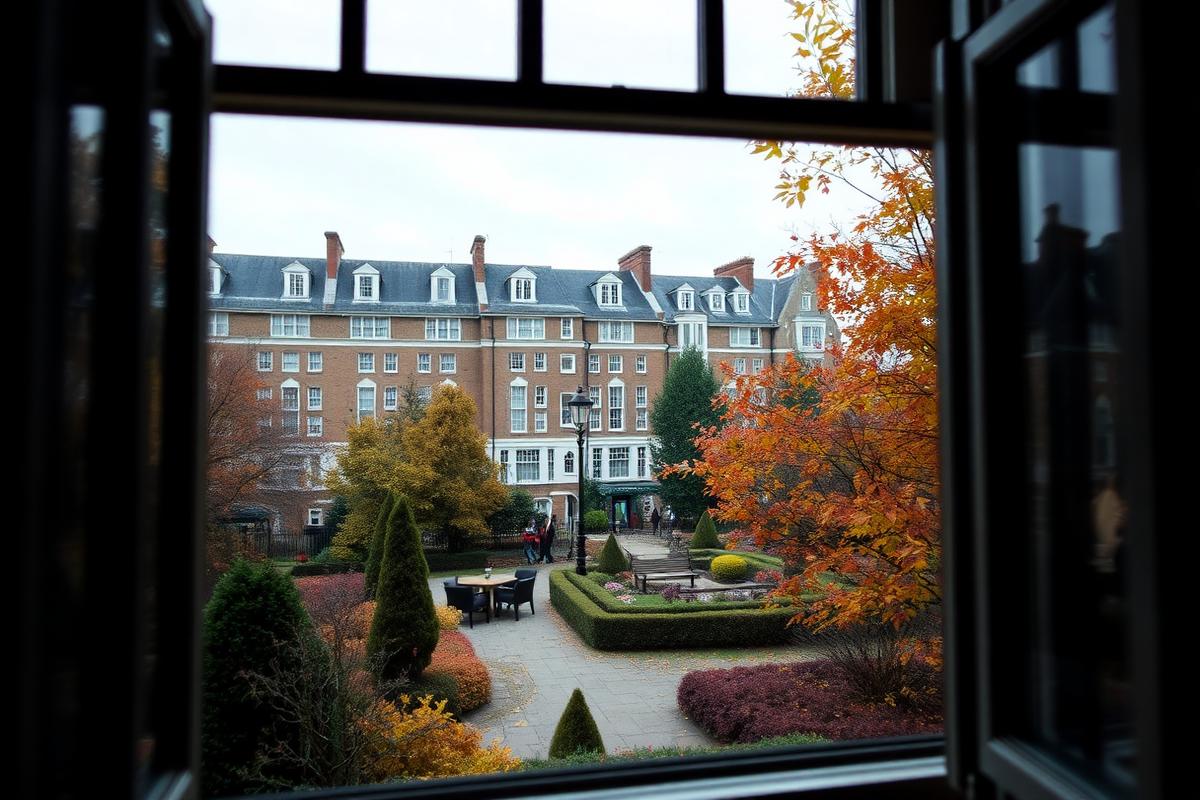
As we move into the autumn market, we are frequently asked by both domestic families and international arrivals whether £2m remains the 'sweet spot' for a home in W8, W11, or W2. The answer is nuanced. While headline price growth has remained relatively flat to modestly firmer according to recent HM Land Registry data, the composition of what that capital secures has shifted significantly. In the prime London property market, £2m is no longer a guaranteed entry point for a family house, but it remains a powerful budget for those seeking 'best-in-class' lateral living or exceptional period conversions. At Seymont London, we manage every instruction personally, from the initial valuation to the final completion. This direct oversight allows us to see the friction points that automated valuations miss. This autumn, the market is defined by a flight to quality. Whether you are selling a house in London or looking to downsize into a portered block, the distinction between 'compromised' stock and 'turnkey' excellence has never been more pronounced.
Kensington and the Search for Lateral Space
In Kensington (W8 and W14), HM Land Registry figures suggest an average price of £2,650,000, with values achieving approximately £1,550 per square foot. For a £2m budget this autumn, buyers are typically looking at premium two-bedroom period conversions on the raised-ground or first floors of white stucco terraces. Streets like Stafford Terrace or Argyll Road remain perennially popular for their proximity to Kensington High Street and the green expanses of Holland Park. However, £2m here rarely secures a house; instead, it buys a share-of-freehold apartment with the volume and ceiling heights that define the Victorian era.
When selling a house in London, particularly in the scarce W8 enclaves behind Church Street or on Campden Hill, the strategy must be surgical. Kensington sellers are almost always experienced; they value a single point of contact who understands the specific nuances of their lease or the historical significance of their terrace. This autumn, we are seeing that 'best-in-class' properties—those with uncompromised light and proximity to the Circle and District lines—are outperforming the broader market by a wide margin.
Notting Hill: The Garden Square Premium
Notting Hill presents a fascinating split in the prime London property market. With an average price of £2,450,000 and £1,480 per square foot, W11 remains a destination for those who value lifestyle as much as square footage. A £2m budget here typically offers a choice: a substantial two-bedroom flat in a stucco terrace on Elgin Crescent or Lansdowne Road—potentially with coveted communal garden rights—or a two-bedroom mews house tucked away in the cobbles of Pottery Lane.
The market for houses with garden square access remains remarkably firm, effectively operating as a separate micro-market. For those selling a house in London within the W11 or W10 postcodes, the photography and presentation brief are critical. It is not just about a floor plan; it is about capturing the essence of the 'Notting Hill lifestyle' that attracts families to schools like Fox Primary or Wetherby. If a property lacks outside space, the marketing needs to work twice as hard to highlight proximity to Westbourne Grove and the local amenities.
The Bayswater Renaissance and Elizabeth Line Impact
Bayswater (W2) currently represents the strongest relative improvement within our patch. With an average price of £1,650,000 and a more accessible £1,250 per square foot, £2m goes significantly further here than in neighboring Holland Park. In W2, this budget can often secure a large three-bedroom lateral conversion overlooking a garden square like Leinster Square or Prince’s Square. The area has been buoyed by the 'Elizabeth Line effect' at Paddington and the ongoing multi-million-pound refurbishments along Queensway.
For sellers in Bayswater, transparency is the primary currency. We always advise our clients to have the lease and service charge details ready before the first viewing. In a market where buyers are increasingly comparing price per square foot across W2 and W11, being 'sale-ready' is the difference between a three-month lag and a swift completion. The practical end of the market—portered blocks with lifts—is seeing high demand from those who want the convenience of Hyde Park on their doorstep without the Kensington price tag.
Talk to Seymont
What's your home worth?
A considered view on price, timing and how to bring your London home to market — a personal reply within 24 hours.
Your property
Step 1 of 2Holland Park and South Kensington: Scarcity and Seasonality
Holland Park remains the most expensive pocket of our area, with HM Land Registry data showing an average price of £2,900,000 and £1,620 per square foot. Much of the top-end activity on Addison Road or Abbotsbury Road happens privately, away from the public portals. For £2m, one is looking at a two-bedroom lateral flat in a stucco terrace or perhaps a compact mews house near Portland Road. The market here is resilient, driven by the prestige of the park and the proximity to Norland Place School.
South Kensington (SW7) operates on a different rhythm, largely dictated by the academic calendar and the Lycée Français Charles de Gaulle. Prices here average £2,350,000, with a focus on garden-square conversions. This autumn, we are seeing steady demand for mansion-block apartments along Old Brompton Road. Because the building often 'sells' the flat in SW7, we work closely with sellers to ensure communal areas are presented as impeccably as the private residence itself. In this part of the prime London property market, timing your launch to the school-run geography is essential for a successful exit.
Talk to Seymont
What's your home worth?
A considered view on price, timing and how to bring your London home to market — a personal reply within 24 hours.
Your property
Step 1 of 2About the author
Nina CastellanoInvestment Property Advisor
Nina advises landlords and investors on rental yields, tenant demand and portfolio structure across Greater London, after running lettings and management at Bellhouse Property Partners. She has overseen single units and multi-property portfolios, and works through compliance, void periods and running costs before a purchase is agreed. Her articles deal with the numbers behind a buy-to-let rather than the headline gross yield.
Lettings and portfolio management · 9 years in London rentals
- Buy-to-let
- Rental yields
- Portfolio strategy
- Landlord compliance
Frequently asked
- Is £2m enough for a house in the prime London property market?
- In the current autumn market, £2m is generally insufficient for a freehold house in Kensington or Holland Park, where prices typically start above £3m-£4m. However, it can secure a two-bedroom mews house in parts of Notting Hill or a very substantial lateral apartment in Bayswater.
- What is the most important factor when selling a house in London right now?
- Accurate, data-led pricing and a single, senior point of contact. Buyers in this bracket are sophisticated; they want to negotiate with someone who knows the property's technical details—like lease terms and service charges—inside out, who stays with the sale from start to finish.
- How has the Elizabeth Line affected W2 property prices?
- Bayswater has seen the strongest relative growth in our patch, with the Elizabeth Line at Paddington significantly increasing its appeal to City professionals. This has narrowed the price gap between W2 and the traditionally more expensive W11 and W8 postcodes.