Journal
Notting Hill House Prices in 2026
Written by Julian Reyes · Licensed Real Estate Agent
Published 6 May 2026 · Updated 26 June 2026 · 6 min read
The short answer
Notting Hill house prices continue to reflect the area's position as one of London's most desirable postcodes, where Victorian elegance meets contemporary cosmopolitan living. With a median sale price of £765,000 according to HM Land Registry data from 146 transactions, the neighbourhood remains a compelling proposition for discerning buyers.
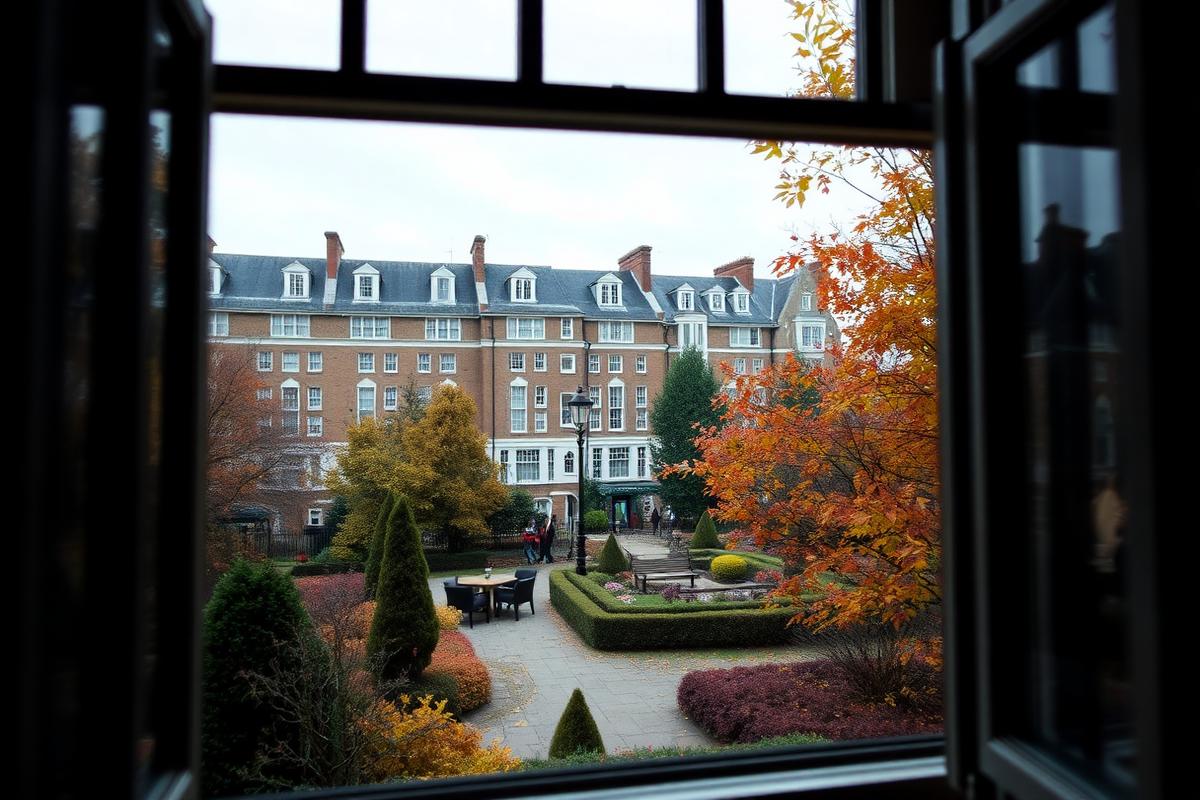
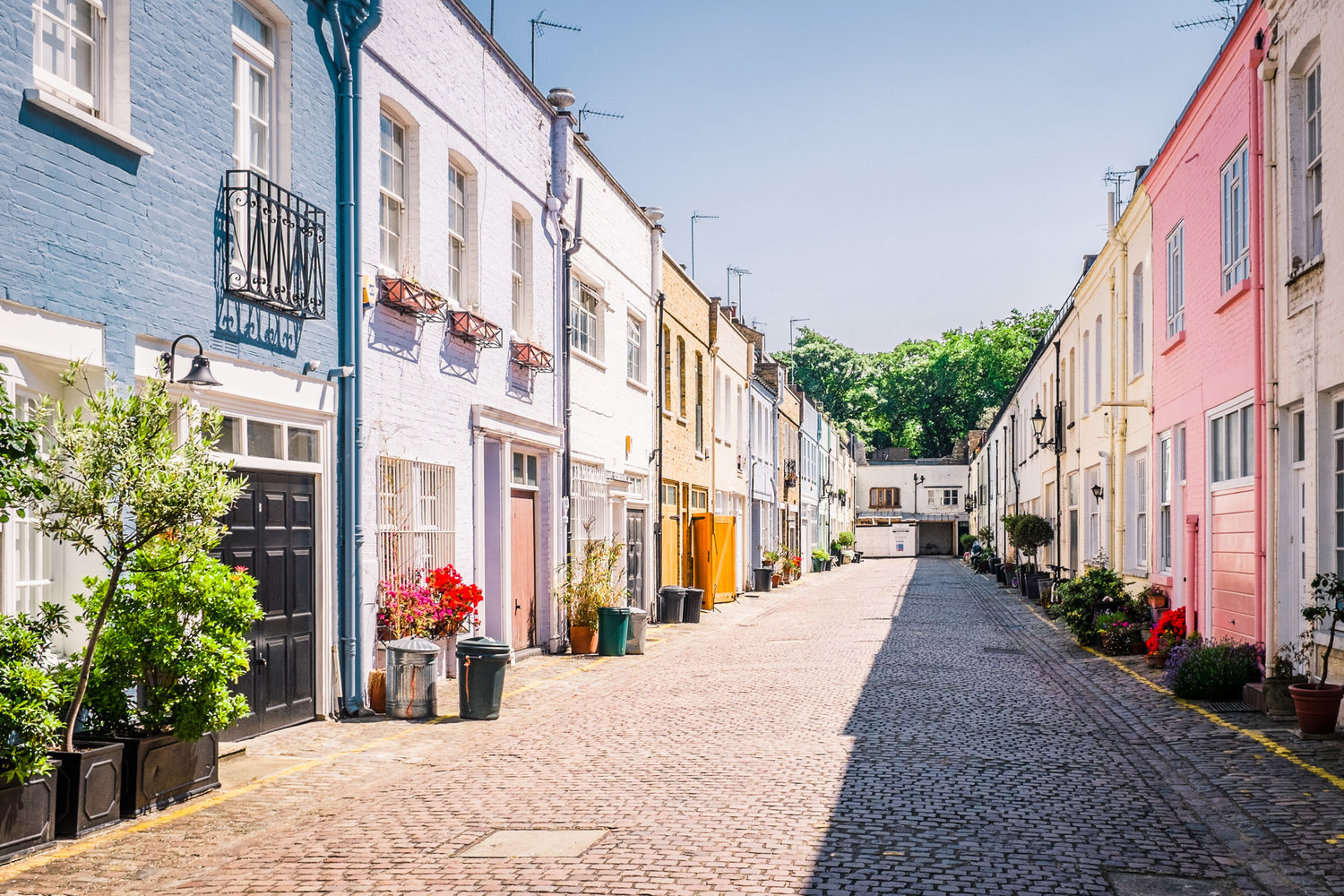
Notting Hill house prices continue to reflect the area's position as one of London's most desirable postcodes, where Victorian elegance meets contemporary cosmopolitan living. With a median sale price of £765,000 according to HM Land Registry data from 146 transactions, the neighbourhood remains a compelling proposition for discerning buyers. Our analysis of Notting Hill property prices reveals a diverse market, from flats starting around £95,000 to exceptional properties commanding over £30 million. Whether you're drawn to the pastel-hued terraces immortalised in film, the bustling energy of Portobello Road, or the refined garden squares that define the conservation area, understanding the nuances of this market is essential for making informed property decisions in 2026.
Average House Price Notting Hill: Market Overview
The average house price Notting Hill varies significantly depending on property type, with flats representing the majority of transactions in the local market. According to HM Land Registry data, flats accounted for 98 of the 146 recorded sales, with a median price of £600,000. This accessibility point has made apartment living the gateway for many buyers seeking to establish themselves in this prestigious W11 postcode.
Terraced houses, which epitomise Notting Hill's architectural character, commanded a median price of £1,225,000 across 32 transactions. These properties, many of which are handsome Victorian conversions or restored townhouses along streets such as Chepstow Villas and Elgin Crescent, represent the quintessential Notting Hill aesthetic that has captivated buyers for generations.
At the upper echelons of the market, semi-detached properties achieved a median of £6,975,000, whilst the single detached house sale recorded reached £9,300,000. These figures underscore the premium attached to larger family homes with private outdoor space in an area where such properties are exceptionally rare. The 'other' category, which typically includes mixed-use buildings and new-build developments, showed a median of £1,100,000 across 13 transactions.
Our team at Seymont London has observed that Notting Hill sold prices demonstrate remarkable resilience, even as broader London market conditions fluctuate. The neighbourhood's enduring appeal rests on its unique combination of village-like atmosphere, cultural cachet, and convenient access to Central London, factors that continue to underpin property values in 2026.
Prime Streets and Property Hotspots
Certain addresses in Notting Hill carry particular prestige, and the data confirms that notable streets such as Chepstow Villas, Lansdowne Road, and Pembridge Square remain highly sought after. These tree-lined thoroughfares offer the architectural grandeur and tranquillity that define the area's most exclusive residential pockets.
Portobello Road, famous worldwide for its antiques market and featured prominently in searches for 'notting hill bookshop' and 'notting hill house', presents a fascinating dichotomy. Whilst the southern stretches near Notting Hill Gate offer vibrant urban living with flats and converted spaces, the northern sections toward Ladbroke Grove provide more diverse property types at varying price points. This single street effectively encapsulates the economic range within the broader neighbourhood.
Westbourne Grove and Clarendon Cross have evolved into dining and retail destinations, with searches for 'restaurant notting hill', 'notting hill restaurants', and 'bar notting hill' reflecting the area's thriving hospitality scene. Properties on these streets benefit from the energy and amenities on the doorstep, though buyers should be mindful of potential noise considerations. We always recommend viewing at different times to assess the ambient environment.
Ladbroke Grove marks the western boundary where Notting Hill transitions toward North Kensington, offering a different character and often more accessible entry points to the market. The Victorian house stock here remains impressive, with generous proportions and period features that appeal to buyers seeking authenticity without the premium attached to the conservation area's most protected streets.
Rental Market and Investment Perspective
For landlords and investors examining Notting Hill property prices through a yield lens, ONS rental data provides valuable context. Studio flats command monthly rents between £875 and £1,375, whilst one-bedroom properties range from £1,150 to £1,825. These figures reflect sustained tenant demand from young professionals drawn to the area's lifestyle offerings and excellent transport links via Notting Hill Gate.
Two-bedroom properties, the sweet spot for sharers and small families, achieve rents of £1,575 to £2,475 monthly, whilst three-bedroom homes range from £2,100 to £3,300. The premium tiers—four-bedroom properties at £2,825 to £4,400 and five-bedroom-plus homes at £3,700 to £5,775—cater to international executives and established families who prioritise space and location.
Our experience marketing properties for sale in Notting Hill and managing lettings demonstrates that well-presented homes with period features, modern conveniences, and proximity to the area's amenities consistently outperform. Tenants searching for 'house notting hill' or 'notting hill house' typically seek the lifestyle associated with the neighbourhood: the Saturday market, independent shops, and the cosmopolitan dining scene that makes searches like 'pub notting hill' and 'restaurants notting hill' so popular.
When considering investment returns, prospective landlords should factor in service charges for mansion blocks, potential restrictions in conservation areas, and the competitive letting market. Working with a specialist Notting Hill estate agent who understands these nuances is essential for maximising return on investment whilst ensuring compliance with all regulatory requirements.
Talk to Seymont
What's your home worth?
A considered view on price, timing and how to bring your London home to market — a personal reply within 24 hours.
Your property
Step 1 of 2Buying in Notting Hill: What to Expect
For those searching 'house for sale' or 'house for sale near me' with Notting Hill in mind, understanding the local market dynamics is crucial. The area's 146 transactions reflect a market characterised by selective buyers and limited stock, where well-priced, well-presented properties move decisively whilst overpriced homes languish.
The data revealing properties sold between £95,000 and £31,900,000 illustrates the breadth of opportunity, from share-of-freehold flats requiring modernisation to magnificent family homes on the area's most prestigious streets. Buyers should be prepared for competition on the best properties, particularly those offering outdoor space, period features, and locations within the catchment areas of sought-after schools.
Our team recommends that prospective buyers familiarise themselves with the neighbourhood's distinct micro-markets. The streets around Pembridge Square and Clarendon Cross offer a refined, village-like atmosphere, whilst areas closer to Westbourne Grove and Portobello Road provide more urban energy. Proximity to Notting Hill Gate underground station adds convenience but may affect tranquillity, a trade-off that each buyer must weigh according to their priorities.
For those interested in sold house prices as a research tool, we maintain comprehensive market analysis at our dedicated Notting Hill house prices page. Understanding recent comparable sales is invaluable when formulating an offer strategy, particularly in a market where properties can vary dramatically in condition, lease length, and specific location even within the same postcode.
Market Outlook and Final Considerations
Looking ahead through 2026, Notting Hill property prices appear well-supported by fundamental supply-demand dynamics. The area's fixed geographic boundaries, strict planning controls, and enduring international reputation create a scarcity premium that has historically provided resilience during broader market corrections.
The neighbourhood continues to evolve, with the ongoing appeal evidenced by search volumes for experiential queries—'shop notting hill', 'notting hill restaurants', and even 'notting hill bookshop'—demonstrating that the area's cultural currency remains strong. This lifestyle appeal translates directly into property values, as buyers increasingly prioritise neighbourhood character and amenities over pure square footage.
For sellers considering the market, working with specialists who understand how to position Notting Hill properties is essential. Whether you're exploring options to let your property in Notting Hill or preparing for sale, presentation, accurate pricing, and strategic marketing determine outcomes. The premium market particularly rewards properties that tell a story and offer something distinctive, whether architectural pedigree, garden access, or exceptional design.
We continue to see interest from both domestic buyers seeking to upsize within the area and international purchasers drawn to London's enduring stability. For those searching for an estate agent in Notting Hill who combines local expertise with borough-wide market intelligence, our approach prioritises transparency, market knowledge, and a genuine understanding of what makes this neighbourhood exceptional. The auction house model hasn't gained significant traction here, as the market generally favours traditional private treaty sales that allow for proper due diligence on these often complex, high-value properties.
Talk to Seymont
What's your home worth?
A considered view on price, timing and how to bring your London home to market — a personal reply within 24 hours.
Your property
Step 1 of 2About the author
Julian ReyesLicensed Real Estate Agent
Julian has spent eleven years handling residential sales across west and central London, previously with the independent agencies Harlowe & Vance and Marchmont Row. He runs listings end to end, from pricing and presentation through to negotiating offers and holding chains together to completion. His writing focuses on the practical mechanics of buying and selling a home in a market where timing and preparation decide the outcome.
Licensed estate agent · 11 years in London residential sales
- Residential sales
- First-time buyers
- Offer negotiation
- Chain management
Frequently asked
- What is the average house price in Notting Hill in 2026?
- According to HM Land Registry data, the median house price in Notting Hill is £765,000 based on 146 transactions. However, this varies significantly by property type: flats have a median of £600,000, terraced houses £1,225,000, semi-detached properties £6,975,000, and the single detached house recorded sold for £9,300,000. The market spans from £95,000 to over £31 million depending on size, condition, and precise location.
- Which are the most expensive streets in Notting Hill?
- The most notable streets for premium property prices include Chepstow Villas, Lansdowne Road, Pembridge Square, and Clarendon Cross. These addresses offer the quintessential Notting Hill combination of Victorian architecture, garden squares, and village-like tranquillity. Properties on these streets typically command significant premiums over the area median, particularly for restored period houses with outdoor space.
- How much does it cost to rent in Notting Hill?
- Based on ONS data, rental prices vary by property size. Studio flats range from £875 to £1,375 monthly, one-bedroom properties from £1,150 to £1,825, two-bedroom homes from £1,575 to £2,475, three-bedroom properties from £2,100 to £3,300, four-bedroom houses from £2,825 to £4,400, and five-bedroom-plus properties from £3,700 to £5,775 per month. Location and condition significantly influence where properties fall within these ranges.
- Is Notting Hill a good investment for buy-to-let?
- Notting Hill offers strong fundamentals for buy-to-let investment, including sustained tenant demand from professionals and international renters, limited housing stock, and the area's enduring cultural appeal. However, investors should carefully consider service charges, potential planning restrictions in conservation areas, and ensure rental yields justify the capital investment. Working with a specialist letting agent who understands the local market is essential for maximising returns.
- What types of properties are most common in Notting Hill?
- Flats represent the majority of transactions in Notting Hill, accounting for 98 of 146 recorded sales according to HM Land Registry data. These are typically conversions of grand Victorian houses into apartments, ranging from studio flats to substantial lateral conversions. Terraced houses, the area's architectural signature, accounted for 32 sales. Detached and semi-detached houses are exceptionally rare, with only three such transactions recorded, reflecting the scarcity of these property types in this densely built Victorian neighbourhood.