Journal
Nicest Areas in London to Live in 2026
Written by Nina Castellano · Investment Property Advisor
Published 6 June 2026 · Updated 7 June 2026 · 4 min read
The short answer
Finding the nicest areas in London to live depends on what matters most to you—whether that's green spaces, transport links, school catchments or village-like atmosphere. London's 32 boroughs each offer distinct character, and in 2026 the capital's residential landscape continues to evolve as Crossrail beds in and buyers reassess value for money.
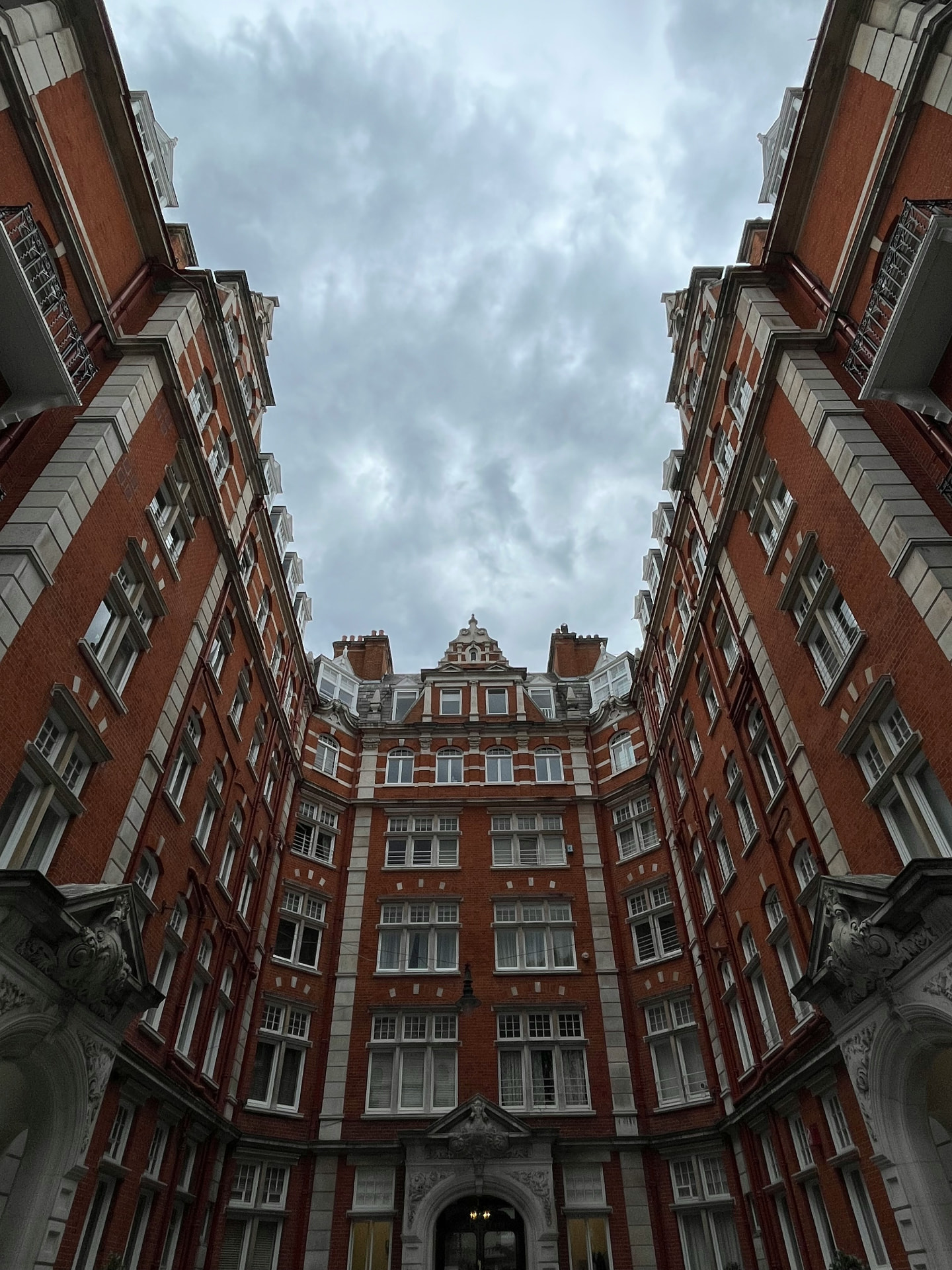
Finding the nicest areas in London to live depends on what matters most to you—whether that's green spaces, transport links, school catchments or village-like atmosphere. London's 32 boroughs each offer distinct character, and in 2026 the capital's residential landscape continues to evolve as Crossrail beds in and buyers reassess value for money. We've worked across every corner of the city and know that the best places to live in London balance lifestyle, safety and long-term investment potential. Below, we share our perspective on the neighbourhoods that consistently deliver on all three.
What Makes a London Neighbourhood One of the Nicest?
We measure a neighbourhood's appeal by a handful of practical factors: crime rates, average commute times, local amenities, green space per capita and school performance. The safest areas in London typically sit in the outer boroughs—Richmond upon Thames, for instance, regularly records some of the lowest crime figures published by the Metropolitan Police. But safety alone doesn't make a neighbourhood desirable; access to transport, quality schools and a cohesive community culture all play equally important roles.
In 2026, many families are prioritising walkability and local high streets over proximity to Zone 1. Areas with independent shops, weekend farmers' markets and well-maintained parks score highly, as do those with reliable Tube or Overground links that keep commutes under 40 minutes. Our /areas guide breaks down transport, schools and amenities borough by borough, so you can compare options side by side.
South-West London: Richmond, Wimbledon and Barnes
Richmond upon Thames consistently ranks among the best places to live in London for families. Richmond Park—at over 2,500 acres—offers unrivalled green space, and the riverside villages of Barnes and East Sheen combine period architecture with excellent state primaries. Wimbledon Village retains a small-town feel despite sitting on the District line, and its catchment schools attract buyers year-round.
Property prices here reflect demand: HM Land Registry data shows the borough's median sale price has remained resilient even through market corrections. Commutes into central London range from 20 to 35 minutes depending on station, and crime statistics from the Met Police place Richmond well below the London average. If you're considering south-west postcodes, our /sold-prices tool lets you track recent transaction data street by street.
West London: Kensington, Chiswick and Notting Hill
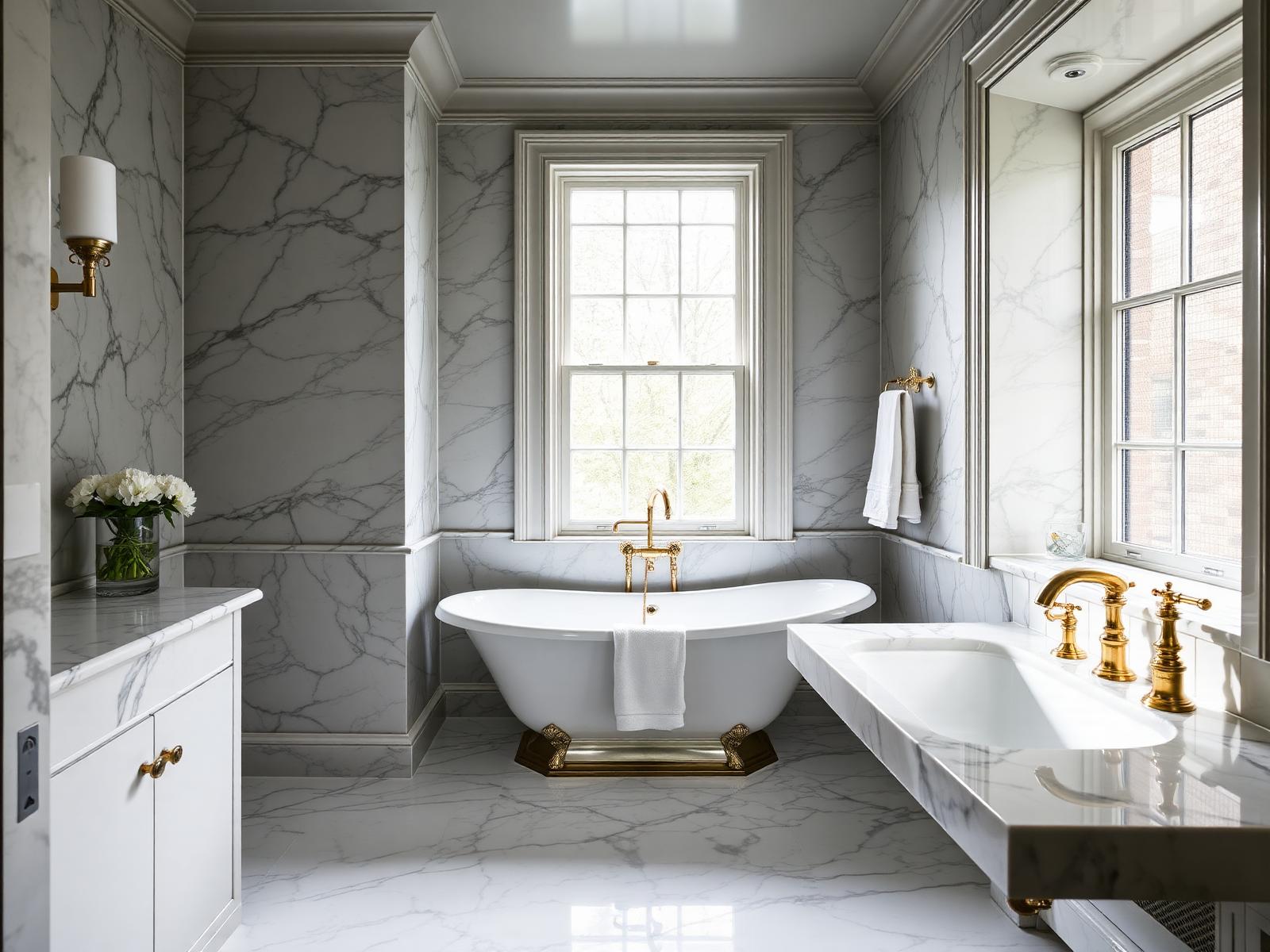
Kensington has long been synonymous with elegance, and in 2026 it remains one of the nicest areas in London to live for those seeking cultural amenities, top-tier schools and garden squares. Our /estate-agents/kensington team sees sustained interest in mansion flats along Kensington High Street and family houses near Holland Park. Chiswick offers a more relaxed pace, with riverside walks, independent delis and the A4 corridor for fast access west.
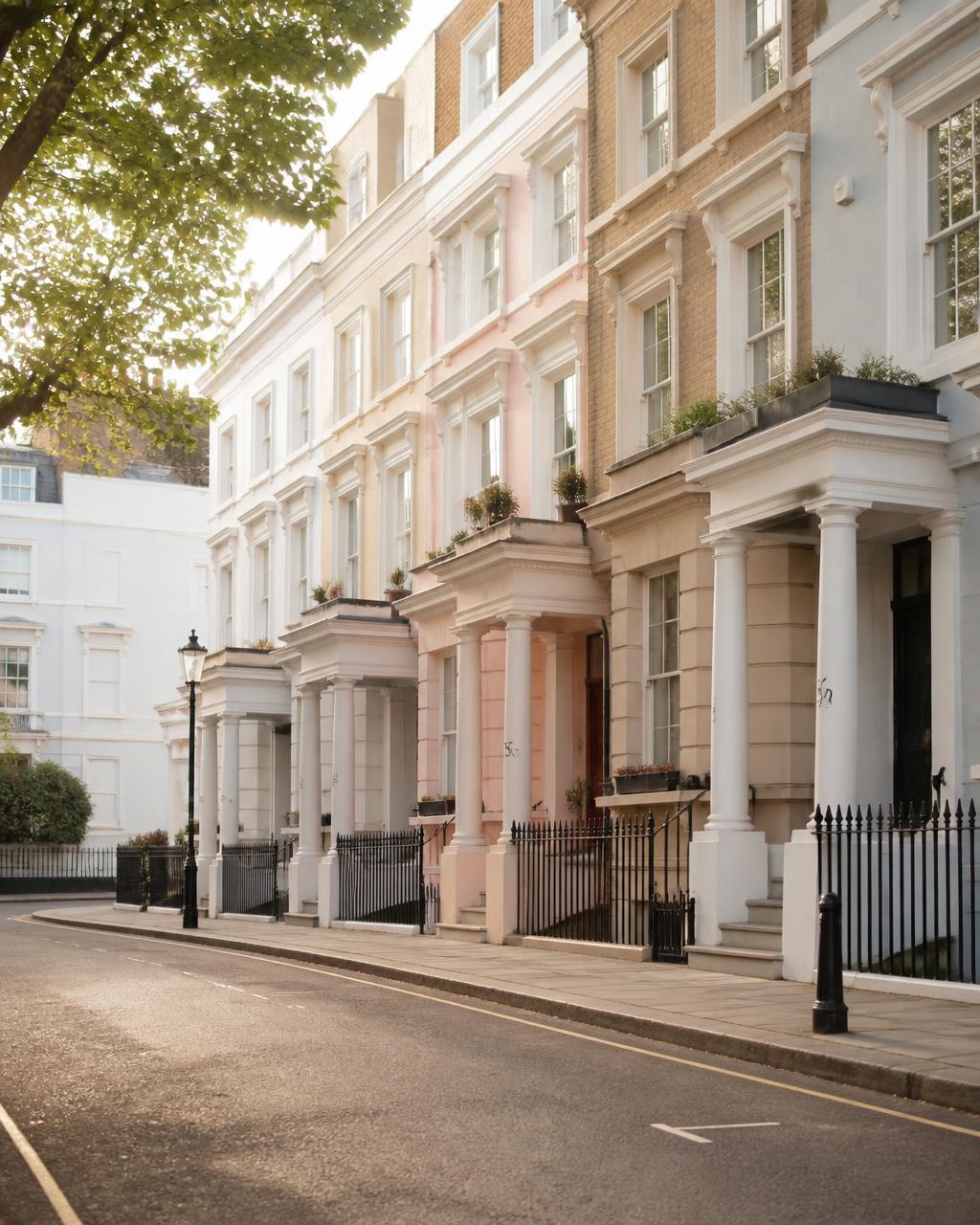
Notting Hill blends pastel-fronted townhouses with the energy of Portobello Road Market, appealing to creative professionals and young families alike. Transport links across West London are excellent—the Central, District, Circle and Piccadilly lines all serve the area—and the Elizabeth line at Ealing Broadway has shortened commutes further west. Browse current listings via our /property-for-sale/kensington page to understand pricing and stock levels.
Talk to Seymont
What's your home worth?
A considered view on price, timing and how to bring your London home to market — a personal reply within 24 hours.
Your property
Step 1 of 2North London: Hampstead, Highgate and Crouch End
North London's village enclaves offer some of the capital's most characterful streets. Hampstead Heath alone covers 790 acres, and both Hampstead and Highgate village centres feature Georgian and Victorian architecture, boutique shops and gastropubs. These are among the safest areas in London according to Met Police borough statistics, with strong community networks and Neighbourhood Watch schemes.
Crouch End appeals to a slightly younger demographic, with a thriving independent cinema, weekend farmers' market and quick access to King's Cross via the Piccadilly line at Finsbury Park. Families value the mix of state and private schools, while commuters appreciate Northern line links from Archway and Highgate. The area has seen steady price growth, supported by limited housing stock and enduring demand.
East London: Wanstead, Blackheath and Canary Wharf
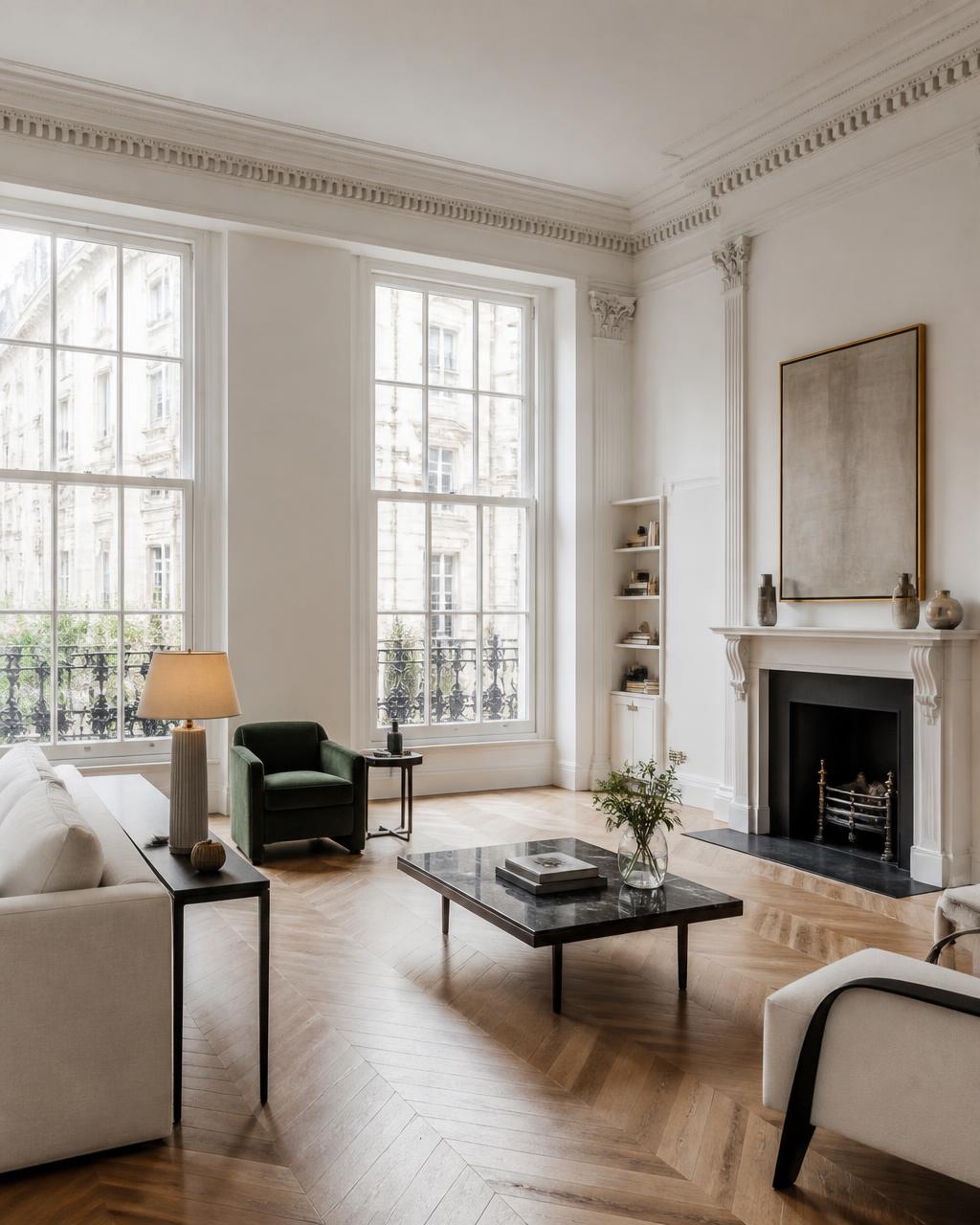
East London's character varies widely, but pockets of Wanstead and parts of Blackheath offer period homes, parks and strong transport without the premium of inner West London. Wanstead benefits from Central line services and Wanstead Flats, while Blackheath's heath and village atmosphere attract families looking for space and good schools.
Canary Wharf and the surrounding Docklands developments cater to professionals seeking modern builds, on-site gyms and short commutes to the financial district. The Elizabeth line, DLR and Jubilee line converge here, making east–west travel faster than ever. Though the aesthetic differs from Victorian terraces elsewhere, the infrastructure and amenities make this a practical choice for buy-to-let investors and first-time buyers alike.
How to Choose the Right Area for You
Before committing to a postcode, we recommend spending time in the neighbourhood at different times of day and week. Walk the school run, try the local coffee shops, check evening safety and weekend activity. Use our /areas resource to compare boroughs on crime, transport and schools, then cross-reference /sold-prices data to understand whether your budget aligns with recent transactions.
Every household weighs trade-offs differently—some prioritise garden size, others value a 20-minute commute or proximity to extended family. The nicest areas in London to live are ultimately those that fit your daily routine, support your long-term plans and feel like home. If you're ready to take the next step, book a free, no-obligation valuation with Seymont London at /valuation and our team will provide honest, current insight into your options.
Talk to Seymont
What's your home worth?
A considered view on price, timing and how to bring your London home to market — a personal reply within 24 hours.
Your property
Step 1 of 2About the author
Nina CastellanoInvestment Property Advisor
Nina advises landlords and investors on rental yields, tenant demand and portfolio structure across Greater London, after running lettings and management at Bellhouse Property Partners. She has overseen single units and multi-property portfolios, and works through compliance, void periods and running costs before a purchase is agreed. Her articles deal with the numbers behind a buy-to-let rather than the headline gross yield.
Lettings and portfolio management · 9 years in London rentals
- Buy-to-let
- Rental yields
- Portfolio strategy
- Landlord compliance
Frequently asked
- Which is the safest area in London to live?
- Richmond upon Thames and Kingston upon Thames regularly record some of the lowest crime rates in the capital, according to Metropolitan Police data. Other boroughs with below-average crime include Sutton, Harrow and Bexley.
- What are the best places to live in London for families?
- Families often favour Richmond, Wimbledon, Hampstead, Blackheath and parts of Chiswick for their combination of green space, good schools and community feel. Each offers a range of property types, from Victorian terraces to modern family houses.
- Are the nicest areas in London to live also the most expensive?
- Not always. While Kensington, Hampstead and Richmond command premium prices, neighbourhoods such as Wanstead, Crouch End and parts of Blackheath offer strong amenities and safety at more accessible price points, especially for first-time buyers.
- How do I find recent sold prices for a London postcode?
- HM Land Registry publishes all residential sales data for England and Wales. You can search by postcode or street on the official register, or use our /sold-prices tool for a streamlined view of recent transactions.
- Is West or South-West London better for commuting?
- Both offer excellent transport. South-West London benefits from South Western Railway and District line services, while West London has the Central, Piccadilly, Circle and Elizabeth lines. Journey times into Zone 1 from either typically range from 20 to 40 minutes.