Journal
Living in Holland Park: A Definitive Area Guide
Written by Nina Castellano · Investment Property Advisor
Published 10 March 2026 · Updated 16 August 2026 · 9 min read
The short answer
Living in Holland Park places you at the heart of one of London's most distinguished residential enclaves, where Victorian and Georgian architecture meets expansive greenery and a village-like atmosphere. Nestled in the Royal Borough of Kensington and Chelsea, this W11 neighbourhood has long attracted discerning buyers and tenants who value its combination of cultural sophistication, excellent schools, and remarkably peaceful streets just moments from central London.
Living in Holland Park places you at the heart of one of London's most distinguished residential enclaves, where Victorian and Georgian architecture meets expansive greenery and a village-like atmosphere. Nestled in the Royal Borough of Kensington and Chelsea, this W11 neighbourhood has long attracted discerning buyers and tenants who value its combination of cultural sophistication, excellent schools, and remarkably peaceful streets just moments from central London. Our team has watched Holland Park maintain its position as one of the capital's most sought-after addresses, where the eponymous park—with its Kyoto Garden, peacocks, and summer opera—forms the green centrepiece of a community that balances cosmopolitan elegance with genuine neighbourhood charm.
What Is Holland Park Like?
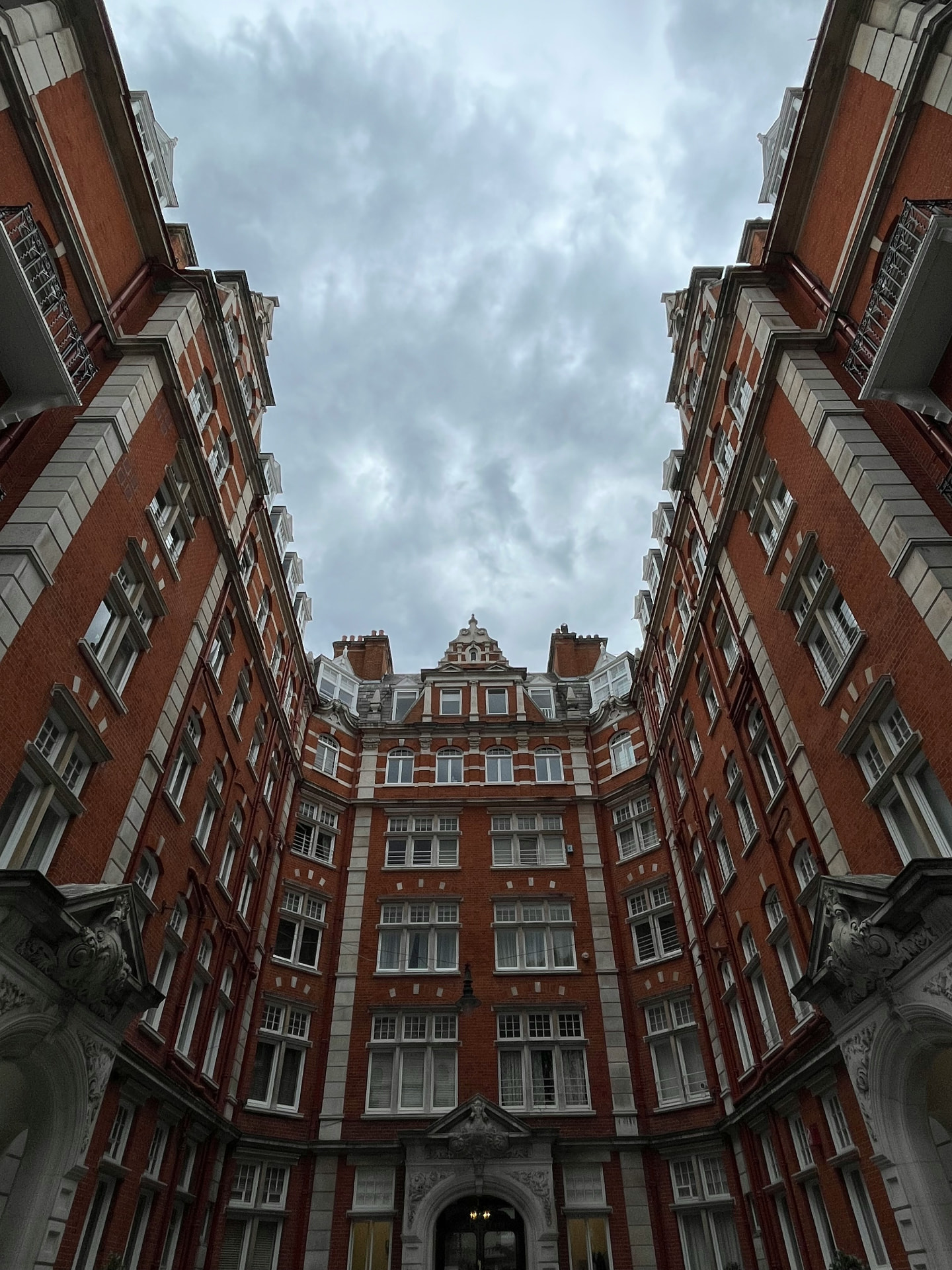
Holland Park presents a character quite unlike anywhere else in London, defined by its sweeping crescents of stucco-fronted villas, tree-lined avenues, and an almost village-like tranquillity that feels worlds away from the bustle of Oxford Street, less than two miles east. The area radiates outward from the 54-acre Holland Park itself, where the ruins of the Jacobean Holland House create a romantic backdrop for the seasonal Holland Park Opera performances that draw audiences throughout the summer months. Walking these streets, you'll notice the architectural grandeur: Italianate mansions along Addison Road, elegant terraces on Royal Crescent, and the charming garden squares such as Norland Square and St James's Gardens that give the neighbourhood its distinctive rhythm.
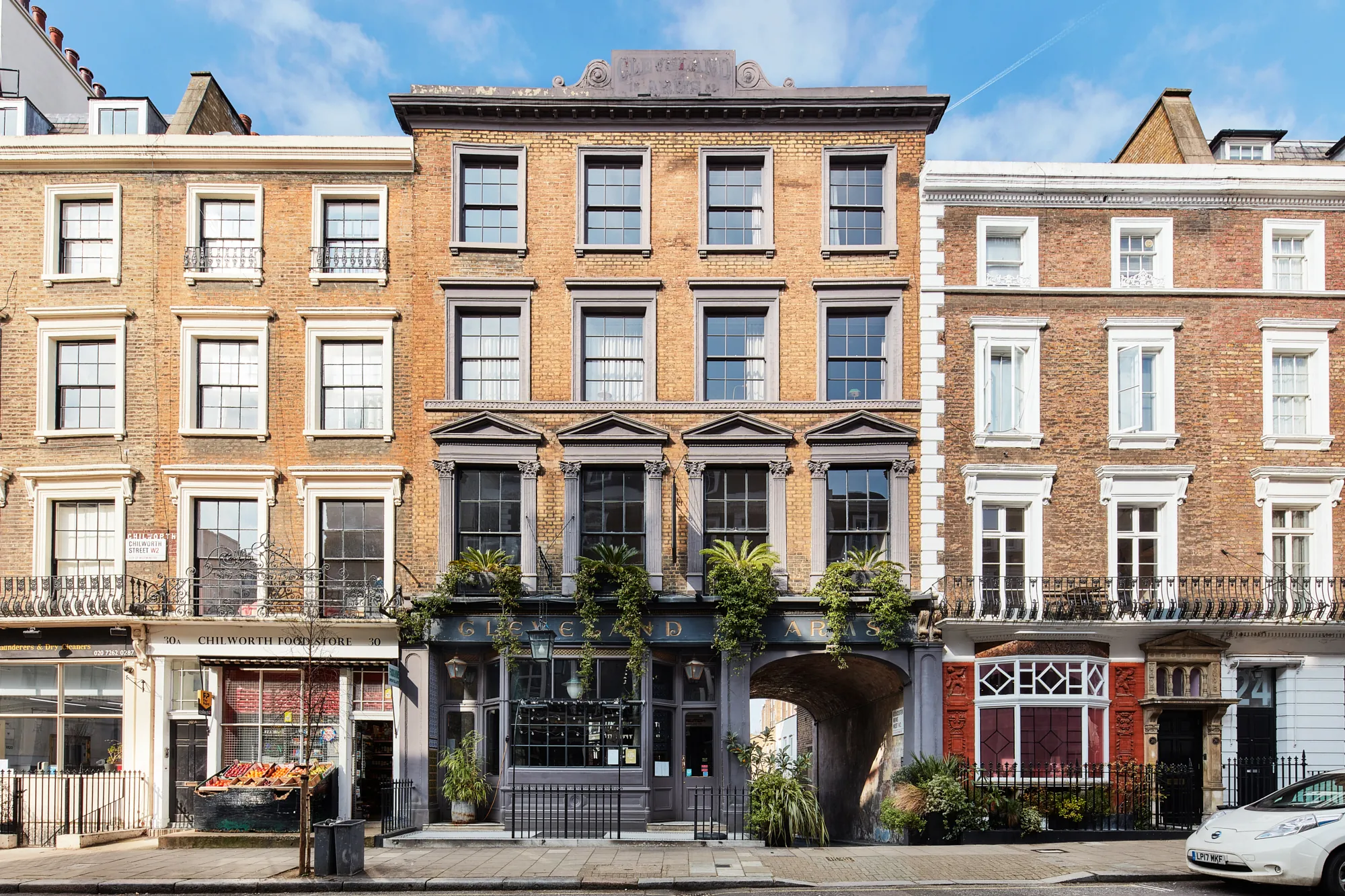
The commercial heart beats gently along Holland Park Avenue, where independent boutiques, antique dealers, and acclaimed restaurants sit alongside essential services—a Waitrose, artisan bakeries, and wine merchants that cater to the area's sophisticated residents. We've observed how this strip maintains a refreshingly human scale, free from chain-store homogeneity, while still offering everything needed for daily life. The demographic skews international and affluent, with a significant proportion of families drawn by the proximity to outstanding schools including Holland Park School (rated Outstanding by Ofsted), Fox Primary, and nearby independents such as Norland Place School.
Culturally, the area punches well above its weight. Beyond the Holland Park opera season, you'll find the Design Museum a short walk south on Kensington High Street, while Notting Hill's cinemas, theatres, and the famous Portobello Road Market lie immediately to the north. This positioning—between Kensington's institutions and Notting Hill's bohemian energy—gives Holland Park a unique duality: it offers sanctuary and sophistication in equal measure.
The streets themselves tell stories of careful urban planning. Portland Road and Clarendon Cross provide neighbourhood focal points with their cafés and delis, while Aubrey Walk and similar residential roads demonstrate the area's commitment to preserving its heritage character. Recent HM Land Registry data shows 123 sales in the past year, with a median price of £585,000, though this figure encompasses everything from mansion conversions to substantial family houses, reflecting the area's diverse housing stock.
Holland Park Lifestyle and Daily Living
The Holland Park lifestyle revolves around a refined daily rhythm that our team frequently describes to prospective clients as 'quietly luxurious'. Mornings might begin with a run through the park's woodland trails or a coffee at one of Clarendon Cross's pavement cafés, followed by browsing the independent shops that give the area its distinctive retail character. The neighbourhood attracts professionals who appreciate the short commute, creative industries figures drawn to the area's artistic heritage, and internationally mobile families who value the combination of excellent schools, green space, and cultural amenities.
Dining options reflect the cosmopolitan demographic: Belvedere in Holland Park itself offers fine dining in a former ballroom, while Holland Park Avenue hosts everything from Japanese izakayas to Italian trattorias and modern British gastropubs. The area has quietly become a destination for food lovers without ever courting the scene-driven atmosphere of neighbouring Notting Hill. For everyday shopping, residents enjoy unusual access to quality: specialist cheese shops, fishmongers, butchers, and greengrocers complement the supermarkets, making the weekly shop a genuinely pleasant experience.
Recreational life centres on the park, naturally. Beyond its formal gardens and children's playgrounds, Holland Park offers tennis courts, a café, and the extraordinary Kyoto Garden—a Japanese landscape complete with koi pond and waterfall that provides an unexpectedly serene escape. The park's ecology centre and peacocks add to its unique character, whilst summer brings the open-air opera season that transforms the park into London's most romantic cultural venue.
Community ties remain strong despite—or perhaps because of—the area's transient international population. Residents' associations actively preserve the neighbourhood's character, local festivals celebrate the park's heritage, and the selection of nearby state and independent schools creates natural networks for families. We've noticed how Holland Park manages to feel genuinely residential in a way that many central London postcodes struggle to achieve, with neighbours who know each other and streets quiet enough for children to play.
Holland Park Transport and Connectivity
Holland Park transport connections offer precisely the balance most residents seek: excellent links to central London and beyond, without the noise and density that come with being on a major transport hub. Holland Park tube station on the Central line provides the primary underground access, delivering Bank in 14 minutes and Liverpool Street in 17 minutes—making City commutes remarkably swift. Notting Hill Gate station sits just north, offering additional Central line services plus connections to the Circle and District lines, expanding access to Westminster, Victoria, and South Kensington within minutes.
For those working in West London or travelling to Heathrow, the geography proves equally advantageous. Shepherd's Bush stations (Central, Overground, and forthcoming Elizabeth line services) lie fifteen minutes' walk west, while High Street Kensington station (Circle and District lines) provides southern access. This multiplicity of options means redundancy: when one line faces disruption, alternatives exist. Bus services along Holland Park Avenue, Kensington High Street, and Notting Hill Gate further enhance connectivity, with routes reaching Paddington, Victoria, and beyond.
For driving, the A402 Holland Park Avenue provides direct access east-west, whilst the A315 and surrounding A-roads connect to the wider network. That said, we consistently advise clients that Holland Park suits those who've moved beyond car dependency: parking remains challenging and expensive, whilst Controlled Parking Zones operate throughout. Many residents we work with deliberately choose the area precisely to reduce driving, finding that the walkability, cycling infrastructure, and public transport render a vehicle largely unnecessary for London life—reserving cars for weekend escapes rather than daily necessity.
Talk to Seymont
What's your home worth?
A considered view on price, timing and how to bring your London home to market — a personal reply within 24 hours.
Your property
Step 1 of 2Property in Holland Park: Houses, Flats and Market Insights
The Holland Park property market reflects the area's premium positioning within London's residential landscape. According to HM Land Registry Price Paid Data, the median sale price across the 123 transactions recorded in the past year stood at £585,000, though this headline figure masks considerable variation across property types. Flats—which dominated with 101 sales—showed a median of £563,000, with prices ranging from £255,000 for smaller conversions to £3,510,000 for lateral apartments in the finest mansion blocks. Terraced houses commanded a median of £1,395,000 across 14 sales, with a range extending from £500,000 to £8,400,000 for the most substantial family homes.
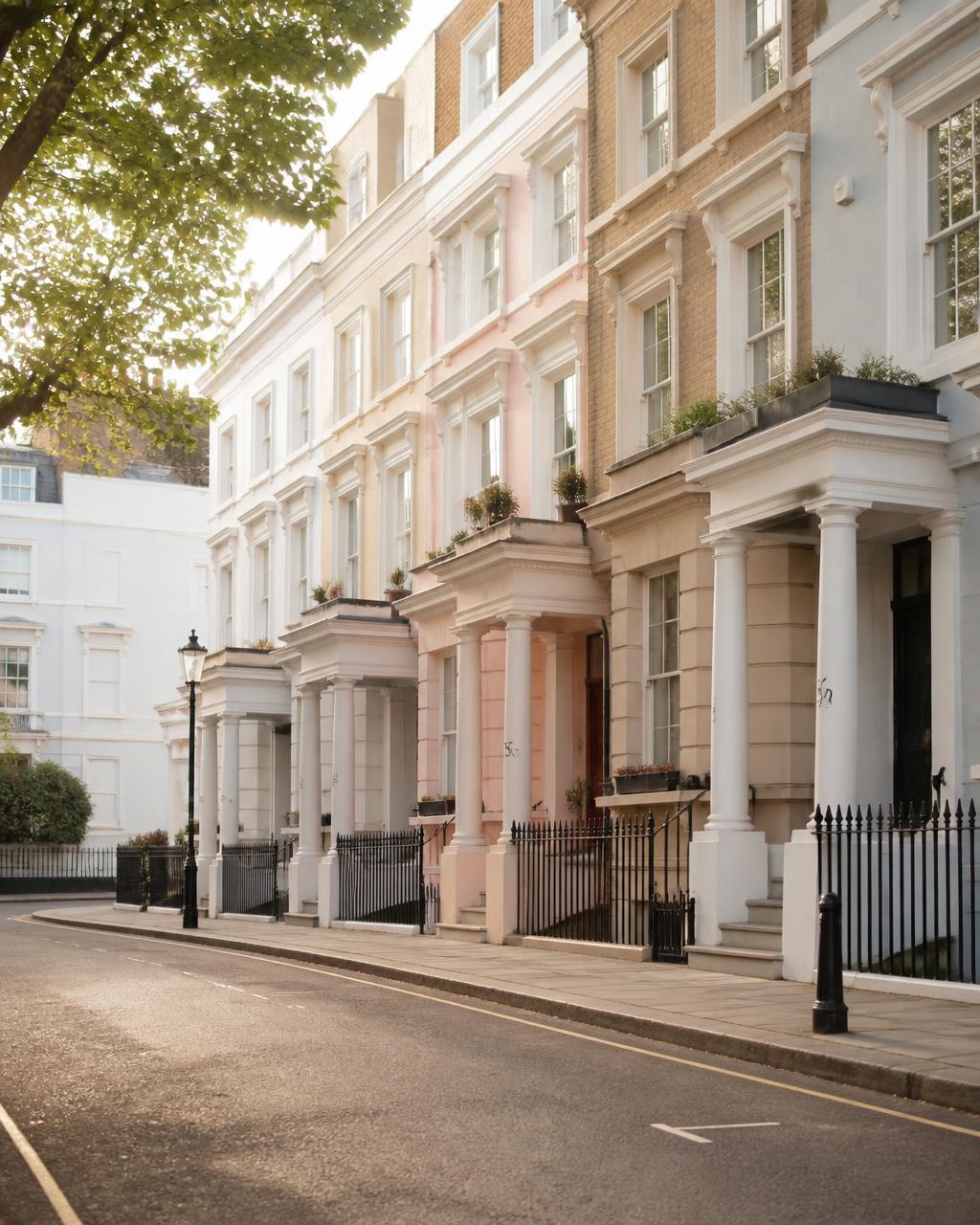
Notable streets command particular premiums: addresses on Holland Park Avenue itself, Abbotsbury Road, Addison Road, and Royal Crescent represent the area's architectural pinnacle, where multi-million-pound houses and grand conversions attract international buyers. Portland Road, Norland Square, St James's Gardens, and Aubrey Walk offer slightly smaller-scale elegance whilst retaining the neighbourhood's essential character. Properties here typically feature high ceilings, original period details, generous room proportions, and—crucially for the area—access to communal or private gardens that make outdoor space more attainable than in many comparable central locations.
For those considering renting, ONS data reveals a mature rental market spanning all household sizes. Studios typically range from £675 to £1,050 per week, one-bedroom flats from £900 to £1,400, whilst two-bedroom properties command £1,225 to £1,900 weekly. Family homes show significant variation: three-bedroom properties rent for £1,625 to £2,550, four-bedroom homes for £2,175 to £3,400, and five-bedroom-plus houses from £2,850 to £4,450 per week—reflecting both the scarcity and desirability of substantial family accommodation in W11.
Our team regularly guides clients through the practicalities of buying or renting here. For purchasers, understanding that properties for sale in Holland Park often receive multiple offers remains essential, particularly for those rare family houses with gardens. The market moves swiftly for well-presented homes in prime positions, whilst more dated conversions may linger—offering opportunity for buyers prepared to renovate. Rental demand stays consistently strong year-round, driven by relocating professionals and families seeking fixed-term lets near international schools. Those exploring [house prices in Holland Park](/house-prices/holland-park) will find the granular street-level data invaluable for understanding the neighbourhood's distinct micro-markets, whilst our [estate agents in Holland Park](/estate-agents/holland-park) provide the local expertise essential for navigating this nuanced market successfully.
Schools, Green Spaces and Neighbourhood Amenities
Education drives many family relocations to Holland Park, where the state-independent mix provides genuine choice. Holland Park School, the area's comprehensive secondary, has transformed into an Outstanding-rated institution occupying striking modern facilities—a rare example of truly excellent state secondary education in central London. Primary provision includes Fox Primary School and Colville Primary, both well-regarded, whilst numerous independent preparatory schools pepper the surrounding streets: Norland Place School, Pembridge Hall, and Chepstow House Preparatory among them. This density of quality education creates a family-oriented atmosphere unusual for Zone 2 London.
Beyond the eponymous park, green space abounds. Kensington Gardens and Hyde Park stretch endlessly to the east, accessible via a pleasant twenty-minute walk, whilst numerous garden squares—many reserved for keyholding residents—provide additional private greenery. The cumulative effect creates an unusually verdant living environment where mature trees line most residential streets and seasonal colour features prominently. For families, the park's adventure playground, ecology centre, and open lawns provide daily recreation without requiring travel, whilst the summer opera season offers accessible culture quite literally on the doorstep.
Health and wellness services cluster conveniently: the area falls within several excellent GP practices, whilst private medical facilities on Harley Street lie fifteen minutes northeast. Gyms, yoga studios, Pilates classes, and personal training services proliferate—reflecting demographic priorities—and the park itself functions as an outdoor gymnasium for runners, bootcamp classes, and casual sports. For everyday amenities, the density of service businesses surprises many newcomers: dry cleaners, tailors, cobblers, and key-cutters maintain a presence that serves the area's professional households effectively.
Cultural amenities extend beyond the opera. The nearby Leighton House Museum on Holland Park Road showcases the extraordinary studio-house of Victorian artist Frederic Leighton, complete with its famous Arab Hall—an overlooked gem that exemplifies the area's artistic heritage. Contemporary culture thrives at the Design Museum, whilst cinema, theatre, and live music venues in Notting Hill and Kensington remain within easy reach. This layering of cultural opportunity—from grand institutions to intimate venues—characterises the Holland Park experience.
Is Living in Holland Park Right for You?
Living in Holland Park ultimately suits those who prioritise quality of environment over maximising square footage per pound. If your London criteria include architectural beauty, green space, cultural richness, excellent schools, and genuine neighbourhood character, whilst accepting higher costs and more modest property sizes than outer zones, Holland Park warrants serious consideration. The area particularly appeals to professionals and families who've graduated beyond entry-level London life and seek an established, refined base with staying power—somewhere to settle rather than a stepping stone.
The trade-offs deserve honest assessment. Properties command premium prices relative to space: a budget securing a substantial house with garden in Zone 4 yields a two-bedroom flat here. Parking frustrates those unwilling to abandon car ownership. The demographic skews affluent and international, which suits some whilst feeling exclusive to others. Nightlife and edgy culture exist elsewhere; Holland Park offers sophistication and calm instead. Yet for those whose priorities align with what the area delivers naturally—leafy streets, beautiful buildings, cultural depth, and that rare commodity of genuine tranquillity within Zone 2—few London neighbourhoods compete.
Our team consistently finds that successful Holland Park residents share certain characteristics: they value aesthetics and environment highly, they've typically lived in London long enough to know what they want, and they're prepared to pay for location, quality and convenience rather than chase maximum space. Whether buying or renting, approaching the area with clear priorities proves essential. Those seeking [property for sale in Holland Park](/property-for-sale/holland-park) should move decisively when the right opportunity emerges, whilst landlords considering whether to [let your property in Holland Park](/let-your-property/holland-park) can expect strong tenant demand provided pricing remains realistic for current market conditions.
Ultimately, Holland Park represents a mature choice—London living at its most civilised, where the park's peacocks somehow encapsulate the neighbourhood's unhurried elegance. It rewards those who appreciate what it offers rather than lamenting what it lacks, and for the right household, it provides precisely the balance of urban energy and residential sanctuary that defines successful London living.
Talk to Seymont
What's your home worth?
A considered view on price, timing and how to bring your London home to market — a personal reply within 24 hours.
Your property
Step 1 of 2About the author
Nina CastellanoInvestment Property Advisor
Nina advises landlords and investors on rental yields, tenant demand and portfolio structure across Greater London, after running lettings and management at Bellhouse Property Partners. She has overseen single units and multi-property portfolios, and works through compliance, void periods and running costs before a purchase is agreed. Her articles deal with the numbers behind a buy-to-let rather than the headline gross yield.
Lettings and portfolio management · 9 years in London rentals
- Buy-to-let
- Rental yields
- Portfolio strategy
- Landlord compliance
Frequently asked
- What is the average property price in Holland Park?
- According to HM Land Registry Price Paid Data, the median property price in Holland Park over the past year was £585,000 across 123 transactions. However, this varies significantly by property type: flats showed a median of £563,000 (ranging from £255,000 to £3,510,000), whilst terraced houses commanded a median of £1,395,000 (from £500,000 to £8,400,000). Prime streets such as Addison Road, Royal Crescent and Abbotsbury Road typically command substantial premiums.
- How much does it cost to rent in Holland Park?
- Rental prices in Holland Park vary by property size, according to ONS data. Studios typically range from £675 to £1,050 per week, one-bedroom flats from £900 to £1,400 weekly, and two-bedroom properties from £1,225 to £1,900 per week. Family homes command higher rents: three-bedroom properties range from £1,625 to £2,550 weekly, four-bedroom homes from £2,175 to £3,400, and five-bedroom-plus houses from £2,850 to £4,450 per week.
- What is Holland Park tube station's connectivity like?
- Holland Park station on the Central line provides excellent connectivity, reaching Bank in 14 minutes and Liverpool Street in 17 minutes—ideal for City commuters. The station offers step-free access and sits on Holland Park Avenue. Additional options include Notting Hill Gate station (Central, Circle and District lines) just north, and High Street Kensington (Circle and District lines) to the south, giving residents multiple route options and resilience against service disruptions.
- Is Holland Park a good area for families?
- Holland Park is excellent for families, offering the rare combination of outstanding state and independent schools, substantial green space, and safe, quiet residential streets within Zone 2. Holland Park School provides Outstanding-rated secondary education, whilst numerous preparatory schools serve younger children. The park itself features playgrounds, ecology programmes, and open space for recreation. The neighbourhood's walkability, cultural amenities, and genuine community atmosphere make it particularly suitable for families prioritising environment and education over maximum property size.
- What happens at Holland Park Opera?
- Holland Park Opera runs an annual summer season (typically June to August) within the park itself, staging full-scale opera productions under a purpose-built canopy near the ruins of Holland House. The programme combines popular classics with rare works, accompanied by a professional orchestra. The intimate 1,000-seat venue offers a unique alfresco cultural experience, with audiences often picnicking in the park beforehand. Beyond opera, the venue hosts ballet and musical performances, making it one of London's most romantic and accessible seasonal cultural attractions, available exclusively to those willing to brave British summer weather.