Journal
Moving to Holland Park: An Expert Guide to Life in W11
Written by Amara Bennett · Property Market Analyst
Published 18 June 2026 · Updated 31 July 2026 · 3 min read
The short answer
When a client approaches us about moving to Holland Park, they are rarely looking for just a house; they are looking for a specific kind of London permanence. In our years at Seymont London, we have observed that while Notting Hill captures the headlines for its vibrancy, Holland Park remains the discreet choice for those who value privacy, scale, and the luxury of quietude.
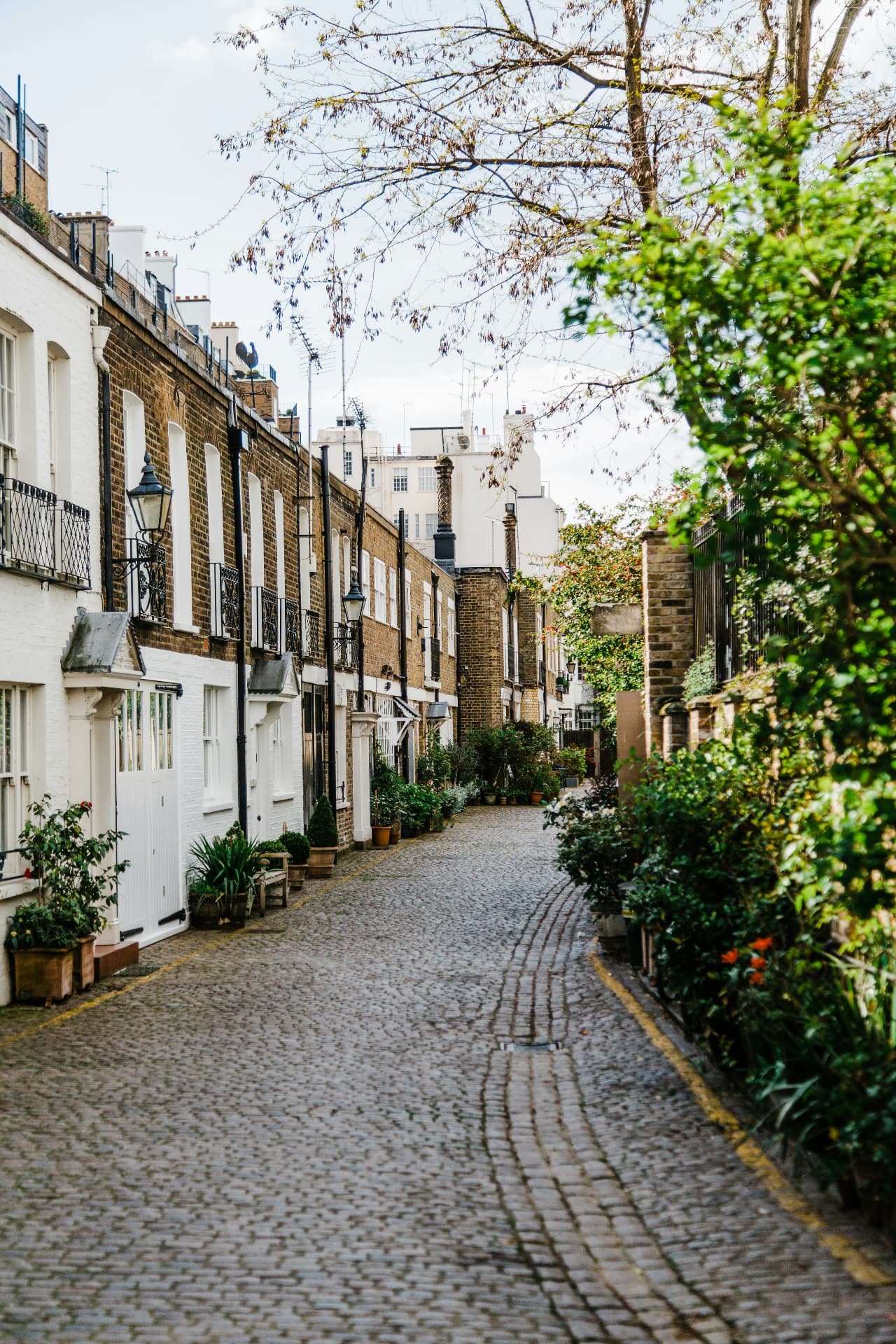
When a client approaches us about moving to Holland Park, they are rarely looking for just a house; they are looking for a specific kind of London permanence. In our years at Seymont London, we have observed that while Notting Hill captures the headlines for its vibrancy, Holland Park remains the discreet choice for those who value privacy, scale, and the luxury of quietude. As the founder of this agency, we personally oversee every instruction here, from the initial valuation to the final completion. This guide draws on our current August 2026 market data to help you navigate the nuances of one of the Royal Borough of Kensington & Chelsea’s most prestigious enclaves.
Understanding the Holland Park Property Landscape
The architectural identity of Holland Park is defined by its grand scale. According to the latest figures sourced from HM Land Registry and our internal analysis, the average property price in the area stands at approximately £2,900,000, with an average price per square foot of £1,620. However, these figures require a nuanced reading. The 'headline' market is dominated by the vast detached and semi-detached villas found on Addison Road and Holland Park Avenue. These assets are traded slowly and, more often than not, via private off-market transactions that never reach the public portals.
For those moving to Holland Park, the most transacted segment is the conversion flat market. These are typically two and three-bedroom lateral residences situated within the magnificent stucco-fronted terraces that radiate from the park. We also see significant demand for the area’s mews houses—particularly those along Portland Road and the W14 borders. These properties are prized for their privacy and tend to sell remarkably quickly. Current trends show that while the top end of the market is thinly traded, it remains resilient, with mid-market flats proving steadier than in neighbouring postcodes.
Transport and Connectivity: The W11 Arteries
One of the primary practical advantages of moving to Holland Park is the seamless balance between residential serenity and city accessibility. The Holland Park Underground station serves the Central line, offering a direct link to the retail hub of Oxford Circus and the financial district of the City. This makes the area a perennial favourite for professionals who require a swift commute without sacrificing the greenery of a suburban setting.
Alternative options are equally robust. Shepherd’s Bush provides access to the Overground and the extensive facilities of Westfield London, while Kensington (Olympia) offers additional District line and Overground services. For those who prefer to travel by car, the A40 is easily accessible, providing a gateway to the west and Heathrow Airport. Despite this connectivity, the residential streets like St James’s Gardens and Royal Crescent remain remarkably buffered from the noise of these major thoroughfares.
Education and Community Life
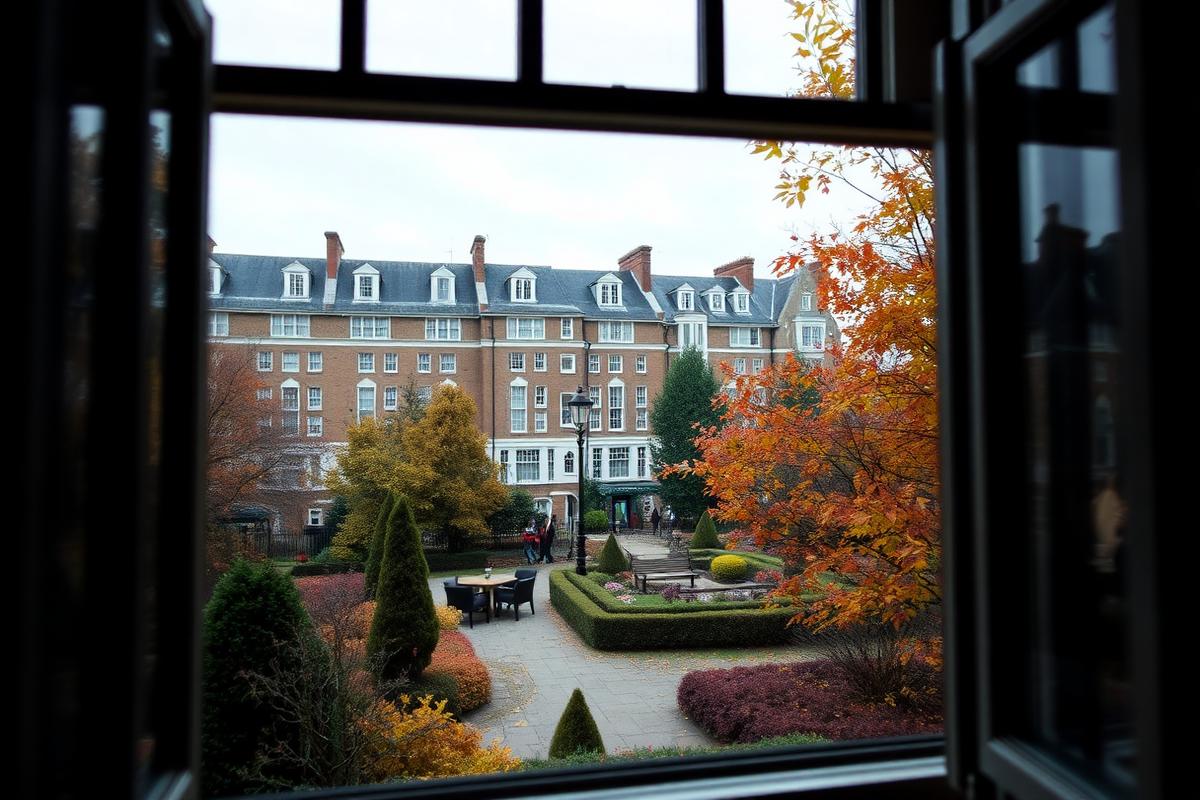
Education is often the catalyst for families moving to Holland Park. The area is home to some of the borough’s most respected institutions. Holland Park School, often cited as the flagship state secondary for the Royal Borough of Kensington & Chelsea, occupies a striking modern site on the edge of the park itself. Its presence has long bolstered local property values, particularly for families seeking high-quality state education within walking distance.
In the preparatory sector, Norland Place School on Holland Park Avenue is a long-established pillar of the community, while Thomas’s Kensington continues to draw families from across the W8 and W11 boundaries. The lifestyle here is anchored by the 54-acre park itself, featuring the Kyoto Garden and the Belvedere Restaurant. Beyond the park, the 'village' feel is maintained by the independent boutiques and cafes along Holland Park Avenue, such as Lidgate’s Butchers and the Daunt Books branch, which serve as local meeting points for long-term residents.
Talk to Seymont
What's your home worth?
A considered view on price, timing and how to bring your London home to market — a personal reply within 24 hours.
Your property
Step 1 of 2Timing, Paperwork, and the Seller’s Strategy
When you are preparing for a move, timing is everything. In Holland Park, the market operates at two distinct speeds. Open-market listings usually peak in the spring and autumn, but the truly exceptional villas often move in the 'quiet' market. As a seller, you must decide early whether to opt for a public launch or a discreet placement. We always advise our clients to make this decision deliberately, with the latest HM Land Registry data and specific street-level comparables in front of them.
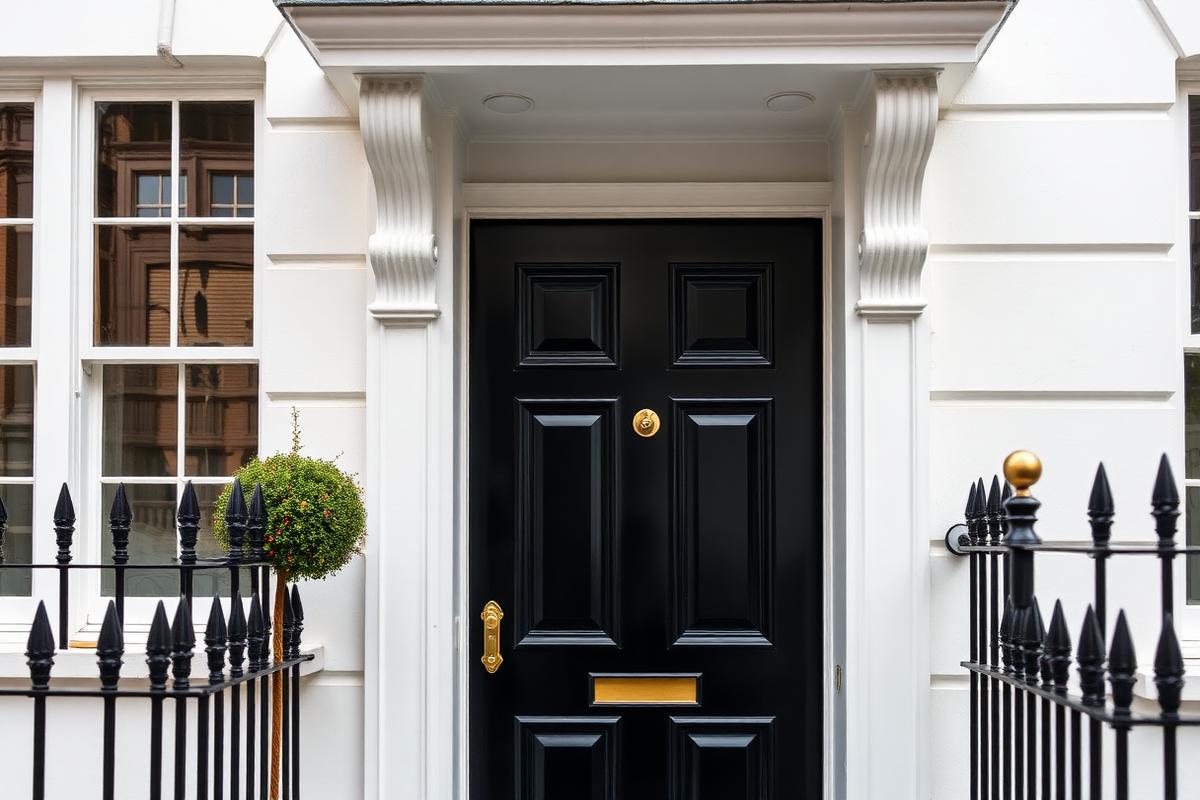
Paperwork in the Royal Borough can be intricate, especially regarding Grade II listed buildings on streets like Aubrey Walk or the Norland Conservation Area. Ensuring you have an experienced solicitor who understands the nuances of Kensington & Chelsea planning permissions and leasehold extensions for conversion flats is vital. At Seymont London, we personally manage the coordination between all parties to ensure that the transition—whether you are buying or selling—is handled with the discretion this postcode demands.
Talk to Seymont
What's your home worth?
A considered view on price, timing and how to bring your London home to market — a personal reply within 24 hours.
Your property
Step 1 of 2About the author
Amara BennettProperty Market Analyst
Amara spent seven years as a market analyst at Kestrel Lane Research, a small London property consultancy, before joining our editorial desk. She reads sold-price and rental data street by street to explain how individual London postcode districts actually behave, and reviews every price figure we publish. Her focus is separating headline national averages from what a specific address is worth today.
MSc Real Estate Economics · Seven years in property market research
- Valuations
- Local market data
- Sold prices
- Pricing strategy
Frequently asked
- What are the most prestigious streets for someone moving to Holland Park?
- Addison Road and Holland Park Avenue are the premier addresses for large villas. For those seeking iconic architecture, Royal Crescent and the stucco terraces of Norland Square and St James’s Gardens are highly coveted.
- How does the price per square foot compare to Notting Hill?
- Holland Park currently averages around £1,620 per square foot. While similar to Notting Hill, Holland Park often offers more lateral space and larger communal gardens, providing slightly better value for those prioritising internal volume.
- Is the Holland Park market currently softening?
- The market is best described as resilient. While transaction volumes at the top end are lower, prices for prime villas have held firm, and the mid-market flat sector remains more stable than many other parts of Prime Central London.