Journal
Letting agent Notting Hill: Letting a Property in Notting Hill
Written by Nina Castellano · Investment Property Advisor
Published 9 October 2025 · Updated 12 August 2026 · 8 min read
The short answer
Notting Hill remains one of London's most sought-after residential postcodes, where pastel-fronted townhouses, tree-lined crescents and a vibrant cultural scene converge to create exceptional demand from discerning tenants. For landlords considering letting a property in Notting Hill, the area offers a unique combination of heritage charm, excellent transport links via Notting Hill Gate, and a rental market characterised by professionals, international executives and families seeking premium accommodation.
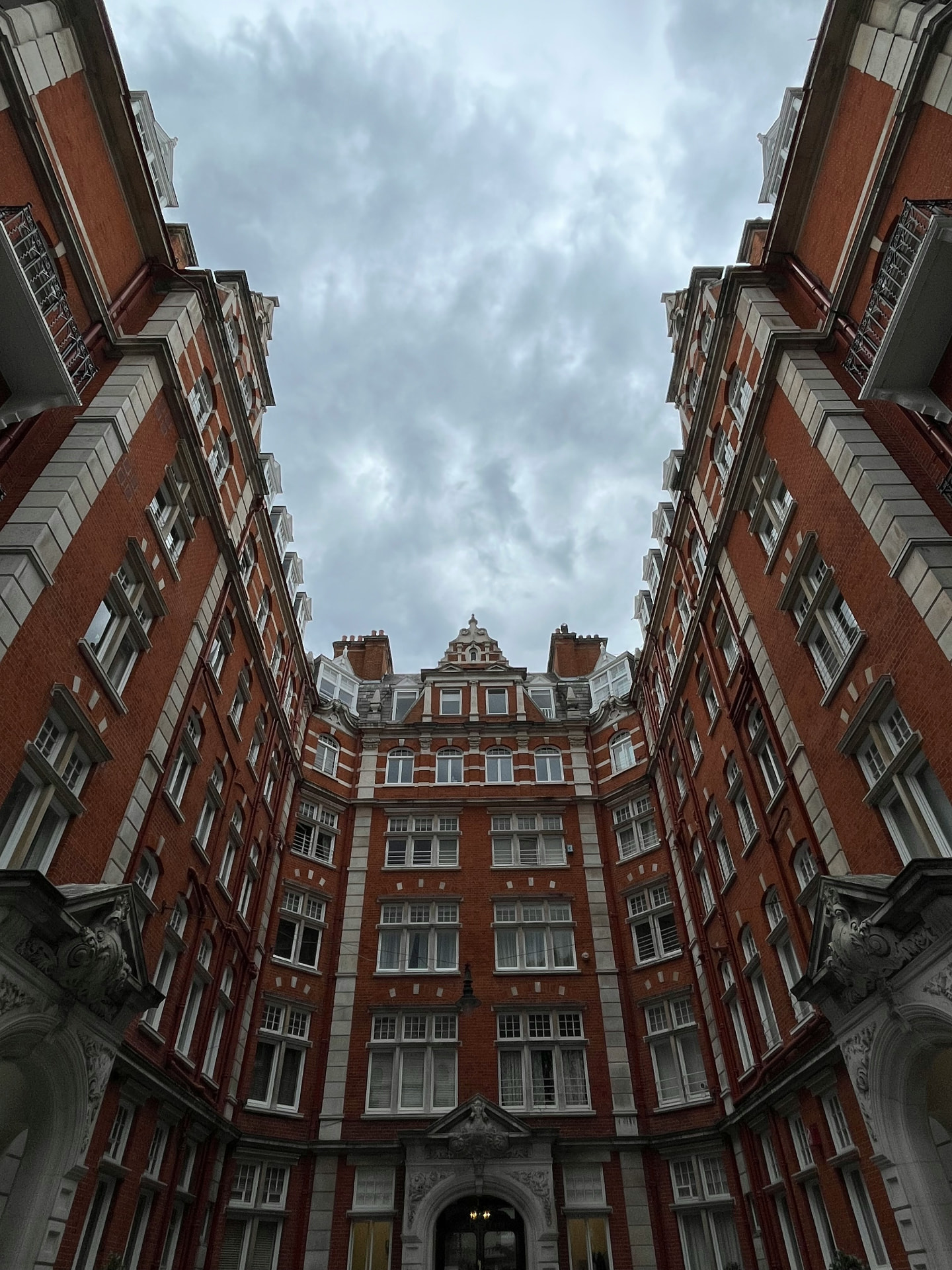
Notting Hill remains one of London's most sought-after residential postcodes, where pastel-fronted townhouses, tree-lined crescents and a vibrant cultural scene converge to create exceptional demand from discerning tenants. For landlords considering letting a property in Notting Hill, the area offers a unique combination of heritage charm, excellent transport links via Notting Hill Gate, and a rental market characterised by professionals, international executives and families seeking premium accommodation. Working with an experienced letting agent Notting Hill can make the difference between a smooth, profitable let and a protracted void period. Our team has prepared this comprehensive guide to help landlords navigate the opportunities and considerations specific to this distinguished W11 neighbourhood.
Understanding the Notting Hill rental market
The Notting Hill rental landscape reflects the area's dual character: grand garden squares and stucco-fronted conversions attract long-term professional tenants, whilst the vibrant stretch along Portobello Road and the cafés near the famous Notting Hill Bookshop appeal to creative professionals and younger renters seeking the neighbourhood's bohemian legacy. According to ONS data, studio flats typically command between £875 and £1,375 per calendar month, whilst one-bedroom properties range from £1,150 to £1,825. Two-bedroom flats—the most liquid segment of the rental market—achieve £1,575 to £2,475, and three-bedroom homes let for between £2,100 and £3,300 monthly.
For larger family houses, rental values climb considerably: four-bedroom properties achieve £2,825 to £4,400, and five-bedroom houses command upwards of £3,700, with prime examples on notable streets such as Chepstow Villas, Lansdowne Road and Pembridge Square reaching £5,775 or more. Recent HM Land Registry sales data shows the median flat price sits at £600,000, whilst terraced houses achieve a median of £1,225,000, underlining the capital values that underpin these rental figures.
Tenant demand remains consistently strong year-round, driven by the area's proximity to the City and West End, excellent schools, and the enduring appeal of Portobello Road Market. International relocations, corporate lets and families seeking access to outstanding state and independent schools form the bedrock of demand. Void periods for well-presented, realistically priced properties are typically minimal, particularly when managed by a knowledgeable letting agent Notting Hill who understands the nuances of this micro-market.
Seasonal patterns do exist: enquiries from overseas tenants peak in late spring and early autumn, aligning with academic and corporate relocation cycles. Landlords bringing properties to market in April through June, or September through October, often benefit from the highest volume of qualified applicants and can achieve asking rents more readily.
Preparing your Notting Hill property for letting
First impressions matter profoundly in Notting Hill's competitive rental market, where tenants accustomed to high standards will swiftly move on to the next viewing if a property disappoints. Period features—original cornicing, wooden floors, high ceilings and sash windows—should be highlighted and sensitively maintained, as these architectural details form much of the area's appeal. We advise landlords to ensure all decoration is neutral yet considered, with contemporary bathrooms and kitchens that balance modern functionality with the character of the building.
Furnishing decisions depend on your target demographic. Corporate tenants and international relocators typically prefer fully furnished properties with quality pieces, integrated appliances and ample storage. Conversely, young professionals and families often favour unfurnished or part-furnished arrangements, allowing them to imprint their own style. Properties near Ladbroke Grove and Westbourne Grove, where the atmosphere skews younger and more eclectic, may benefit from contemporary furnishings that echo the neighbourhood's creative edge.
Energy efficiency has become a critical compliance and marketing consideration. Since April 2020, it has been unlawful to let properties with an Energy Performance Certificate (EPC) rating below E, and prospective tenants increasingly prioritise running costs. We recommend landlords invest in improving insulation, upgrading boiler systems and installing energy-efficient lighting, not only to meet regulatory requirements but also to enhance appeal and justify premium rents.
Professional photography and floor plans are non-negotiable. Tenants searching for a flat to rent in London will scroll past poorly presented listings within seconds. High-quality imagery that captures both the property's interior charm and its Notting Hill context—whether that's a leafy communal garden, proximity to independent shops on Clarendon Cross, or views towards Portobello Road—significantly accelerates letting timescales and supports asking rents.

Choosing the right letting agent and management approach
The decision between self-management and appointing a professional for Notting Hill property management hinges on your experience, proximity to the property, and appetite for tenant liaison and regulatory compliance. Notting Hill's tenant demographic expects swift responses, rigorous maintenance standards and professional administration; any landlord unable to provide this consistently risks reputational damage, negative reviews and tenancy challenges.
A full-service letting agent Notting Hill will typically handle property marketing, tenant vetting (including right-to-rent checks, referencing and credit assessments), tenancy agreement preparation, deposit registration with a government-approved scheme, check-in and inventory, rent collection, maintenance coordination, periodic inspections, and check-out procedures. This comprehensive approach offers peace of mind and ensures legislative compliance with a fast-evolving regulatory landscape encompassing deposit protection, gas and electrical safety certificates, How to Rent guides, and the Tenant Fees Act 2019.
Our team at Seymont London offers a transparent fee structure and tailored service levels, from tenant-find-only arrangements for experienced landlords preferring to retain day-to-day control, through to fully managed packages where we handle every aspect of the tenancy lifecycle. We maintain close relationships with corporate relocation agents, international schools and professional networks, ensuring access to a curated pool of high-quality tenants seeking properties in this postcode.
When evaluating agents, scrutinise their local presence and track record. An agent with an established office presence and demonstrable experience across notable streets such as Elgin Crescent, Lansdowne Road and Pembridge Square will understand hyper-local pricing nuances, appreciate the distinct appeal of garden squares versus mansion blocks, and possess the negotiation skills to secure optimal terms. Membership of professional bodies such as ARLA Propertymark and adherence to Client Money Protection schemes are essential indicators of credibility and competence.
Talk to Seymont
What's your home worth?
A considered view on price, timing and how to bring your London home to market — a personal reply within 24 hours.
Your property
Step 1 of 2Setting the right rent and marketing strategy
Pricing a Notting Hill rental property requires balancing aspiration with realism. Overpricing by even 10% can result in extended void periods, necessitating subsequent reductions that signal desperation and attract lower-quality tenants. Conversely, underpricing leaves money on the table throughout the tenancy term. Our methodology combines recent comparable lettings within a five-minute walk radius, current market supply on to let properties, and a qualitative assessment of your property's specific strengths—whether that's a private garden, lateral space, recent refurbishment or proximity to Notting Hill Gate Tube station.
HM Land Registry data indicates the median sale price across all property types in Notting Hill stands at £765,000, with 146 transactions recently recorded. Flats dominate the market with 98 sales at a median of £600,000, whilst the terraced segment—32 transactions—achieved a median of £1,225,000. These capital values inform yield calculations: a two-bedroom flat purchased for £600,000 and let at £2,000 per calendar month yields approximately 4% gross, before management fees, maintenance and void periods.
Marketing should extend beyond the major portals. Notting Hill attracts international tenants who may be searching from overseas and rely on estate agent near me searches upon arrival, corporate relocation platforms, and recommendations from schools and employers. High-quality listings should emphasise lifestyle amenities: the Saturday bustle of Portobello Road, the independent boutiques along Westbourne Grove, the gastropubs and wine bars that define evenings in the neighbourhood, and the quick connections into central London.
Transparency around tenancy terms is vital. Clearly state whether the property is available furnished or unfurnished, the preferred tenancy length (typically 12 months initially, with options to extend), pet policies, and any restrictions. Flexibility on move-in dates and a willingness to consider corporate lets or diplomatic tenants can broaden your applicant pool and reduce void risk.

Legal compliance and ongoing responsibilities for landlords
Letting a flat in Notting Hill carries significant legal obligations that cannot be delegated, even when using a managing agent. Landlords must ensure the property meets the Homes (Fitness for Human Habitation) Act 2018 standards, provide an annual Gas Safety Certificate conducted by a Gas Safe registered engineer, and arrange Electrical Installation Condition Reports (EICR) at least every five years. Smoke alarms must be installed on every storey, and carbon monoxide detectors are required in rooms with solid-fuel appliances.
Deposit protection is a legal requirement: any tenancy deposit must be placed in a government-authorised scheme (Deposit Protection Service, MyDeposits or Tenancy Deposit Scheme) within 30 days of receipt, and tenants must receive prescribed information detailing the scheme used and how to reclaim their deposit at tenancy end. Failure to comply exposes landlords to penalties of up to three times the deposit value and restricts access to the Section 21 possession process.
Licensing requirements vary by borough. The Royal Borough of Kensington and Chelsea, which encompasses Notting Hill, operates selective and additional licensing schemes for certain property types and areas. Landlords of houses in multiple occupation (HMOs) must obtain mandatory licences if the property is occupied by five or more people forming more than one household. We recommend verifying current licensing obligations with the council or your letting agent to avoid substantial fines and rent repayment orders.
Ongoing responsibilities include maintaining the property's structure and exterior, ensuring heating and hot water systems function properly, and responding to repair requests within reasonable timescales. Under the Tenant Fees Act 2019, landlords and agents are prohibited from charging tenants fees beyond rent, refundable deposits (capped at five weeks' rent for annual rents below £50,000) and holding deposits. Transparent, compliant practices not only protect you legally but foster positive tenant relationships and encourage renewals, reducing turnover costs and void periods.
Maximising returns and tenant retention
The most successful landlords in Notting Hill view their property as a long-term investment and prioritise tenant satisfaction alongside financial returns. High tenant turnover incurs direct costs—marketing fees, void periods, check-out and check-in, and potential redecoration—as well as indirect costs such as accelerated wear and the risk of a problematic tenant slipping through rushed vetting.
Proactive maintenance preserves both property condition and tenant goodwill. Addressing minor repairs swiftly, scheduling annual boiler services ahead of winter, and conducting six-monthly inspections to identify issues early all contribute to a professional landlord reputation. Tenants who feel valued and well-supported are significantly more likely to renew, accept modest rent increases in line with market movements, and care for the property as if it were their own.
Rent reviews should be approached with sensitivity and market awareness. Notting Hill's rental market can fluctuate with broader economic trends, international sentiment and local supply dynamics. Imposing aggressive increases risks losing a reliable tenant and incurring re-letting costs that outweigh the additional income. Our approach involves reviewing comparable rents six to eight weeks before a tenancy anniversary, discussing any proposed increase transparently, and considering the tenant's track record and the broader market context.
Tax efficiency and financial planning are beyond the scope of this guide but merit professional advice. Changes to mortgage interest relief, increased compliance costs, and potential reforms to capital gains tax and Section 24 restrictions have reshaped landlord economics. Engaging a property tax specialist can help structure ownership, claim allowable expenses, and plan for long-term capital growth alongside income generation.
For further insights into the Notting Hill market, explore our dedicated pages on <a href="/estate-agents/notting-hill">estate agents in Notting Hill</a>, view current <a href="/property-for-sale/notting-hill">properties for sale in Notting Hill</a>, review detailed <a href="/house-prices/notting-hill">house price data for Notting Hill</a>, or learn more about our <a href="/let-your-property/notting-hill">property letting services in Notting Hill</a>.

Talk to Seymont
What's your home worth?
A considered view on price, timing and how to bring your London home to market — a personal reply within 24 hours.
Your property
Step 1 of 2About the author
Nina CastellanoInvestment Property Advisor
Nina advises landlords and investors on rental yields, tenant demand and portfolio structure across Greater London, after running lettings and management at Bellhouse Property Partners. She has overseen single units and multi-property portfolios, and works through compliance, void periods and running costs before a purchase is agreed. Her articles deal with the numbers behind a buy-to-let rather than the headline gross yield.
Lettings and portfolio management · 9 years in London rentals
- Buy-to-let
- Rental yields
- Portfolio strategy
- Landlord compliance
Frequently asked
- What rental yield can I expect from a Notting Hill property?
- Gross rental yields in Notting Hill typically range between 3.5% and 4.5%, depending on property type, condition and exact location. According to HM Land Registry data, the median flat price is £600,000, and ONS figures show two-bedroom flats achieving £1,575 to £2,475 per calendar month, equating to approximately 3.5–4% gross yield before costs. Premium properties on sought-after streets such as Chepstow Villas and Pembridge Square may deliver lower percentage yields but stronger capital appreciation prospects.
- How long does it take to let a property in Notting Hill?
- Well-presented properties priced in line with market expectations typically let within two to four weeks, particularly during peak letting seasons in spring and early autumn. Flats near Notting Hill Gate, Portobello Road and Westbourne Grove benefit from high footfall and excellent transport links, often attracting multiple applications within days of listing. Working with an experienced letting agent Notting Hill and investing in professional photography can significantly reduce time to let.
- Do I need a licence to let my Notting Hill property?
- Licensing requirements depend on property type and occupancy. Mandatory HMO licences apply to houses occupied by five or more people forming more than one household. The Royal Borough of Kensington and Chelsea also operates selective and additional licensing schemes in certain areas and for specific property types. We recommend checking current licensing obligations with the council or consulting your letting agent to ensure full compliance and avoid penalties.
- What type of tenant should I expect in Notting Hill?
- Notting Hill attracts a diverse, affluent tenant demographic including professionals working in the City and West End, international executives on corporate relocations, diplomats, families seeking access to outstanding schools, and creative professionals drawn to the area's cultural heritage. Properties near Notting Hill Gate and Ladbroke Grove appeal to younger professionals, whilst family houses on garden squares such as Elgin Crescent and Lansdowne Road attract long-term tenants prioritising space, greenery and community.
- Should I offer my Notting Hill property furnished or unfurnished?
- The optimal approach depends on your target tenant. Corporate lets and international relocators typically require fully furnished properties with quality furniture, integrated appliances and kitchenware. Young professionals and established families often prefer unfurnished or part-furnished arrangements, allowing them to bring their own belongings. An experienced letting agent Notting Hill can advise based on current market demand, comparable properties and your specific location within the neighbourhood.