Journal
Kensington Area Guide: Navigating the Royal Borough's Most Coveted Streets
Written by Julian Reyes · Licensed Real Estate Agent
Published 19 February 2026 · Updated 14 April 2026 · 5 min read
The short answer
When clients ask us what defines the true heart of London, the conversation invariably turns to Kensington. As the founder of Seymont London, we have spent our career navigating the intricate nuances of the W8, W14, and SW7 postcodes, where the architecture tells a story of Victorian ambition and Georgian elegance.
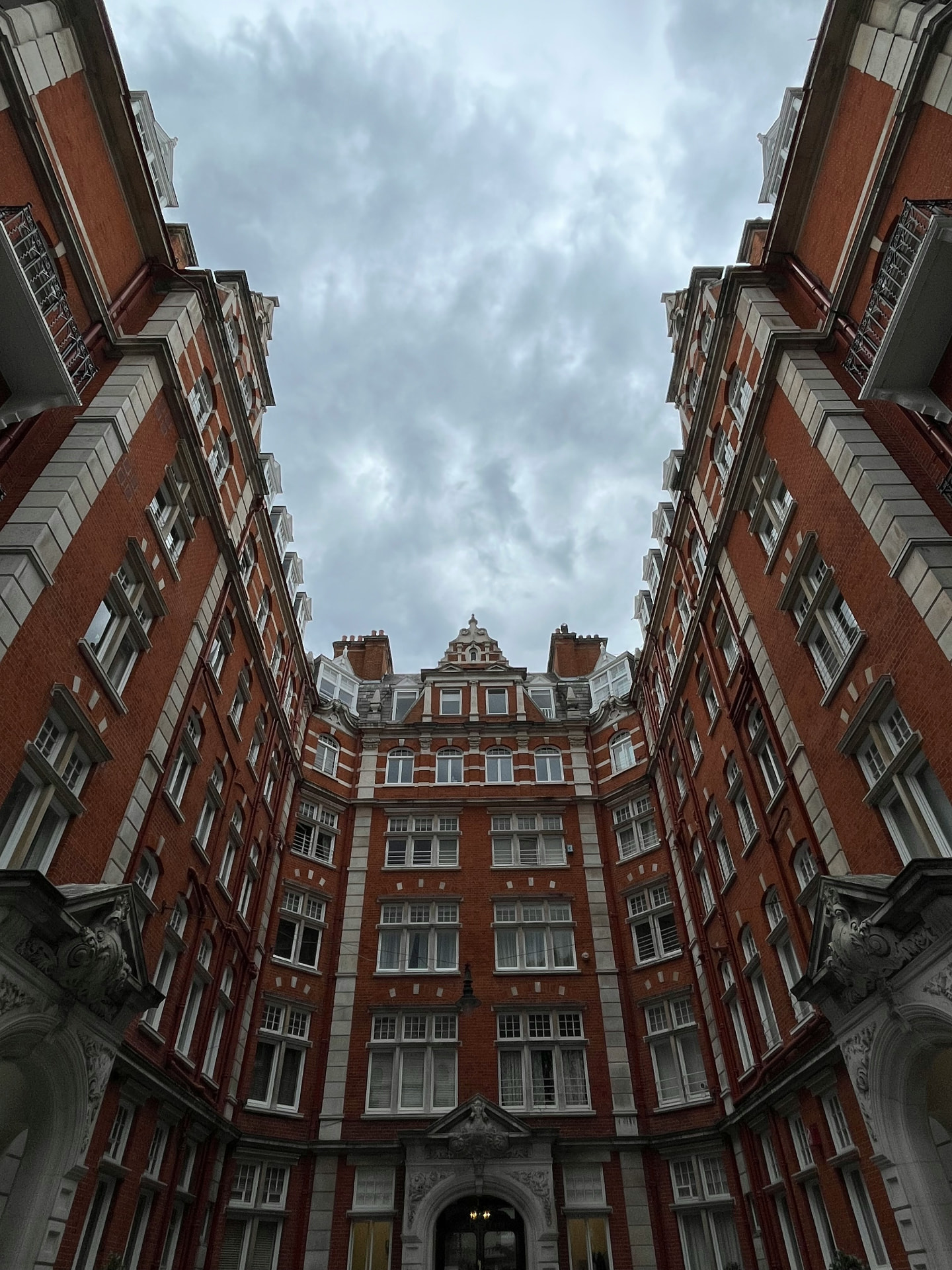
When clients ask us what defines the true heart of London, the conversation invariably turns to Kensington. As the founder of Seymont London, we have spent our career navigating the intricate nuances of the W8, W14, and SW7 postcodes, where the architecture tells a story of Victorian ambition and Georgian elegance. This Kensington area guide is born from a decade of advising sellers who value discretion and a bespoke service. We manage every instruction personally, from the initial valuation to the final exchange of keys, ensuring that the unique heritage of your property is articulated with precision. Kensington is not merely a collection of high-value postcodes; it is a series of micro-markets, each with its own distinct rhythm. According to data from HM Land Registry, the average property price in Kensington currently sits at approximately £2,650,000, with best-in-class residences commanding upwards of £1,550 per square foot. While the broader London market has faced headwinds, Kensington has remained resilient, with price trends staying flat to modestly firmer over the last year. However, we are seeing a widening gulf: immaculate, 'turn-key' houses are outperforming compromised stock by a significant margin. In this market, scarcity is the primary driver of value.
The Golden Postcodes: Campden Hill and The Phillimores
If you seek the pinnacle of Kensington living, one must look toward the elevated enclave of Campden Hill. Streets such as Campden Hill Road and Holland Street offer a quintessential village atmosphere despite their proximity to the bustle of the High Street. The architecture here is a masterful blend of grand terraced houses and discreet semi-detached villas. Living on Holland Street provides immediate access to the independent boutiques and bakeries that define the area's local charm, while the higher reaches of the hill offer views that are arguably the best in the borough.
Just a short stroll away lies the Phillimore Estate, home to the illustrious Phillimore Gardens and Argyll Road. These streets are famed for their imposing five-to-six-bedroom Victorian houses, many of which have been meticulously restored to include subterranean leisure suites and modern amenities behind their heritage facades. In our experience, these properties are rarely 'on the market' in the traditional sense; they are often traded via private networks where discretion is paramount. For a seller, having a single point of contact who has read the lease and understood the structural history before the first viewing is not just a luxury—it is a necessity for a successful disposal at this level.
Garden Squares and Architectural Heritage
Kensington Square remains one of the most prestigious addresses in London, standing as a testament to the area's long-standing appeal to the British elite. It offers a sense of seclusion that is difficult to replicate, with residents enjoying private access to the central manicured gardens. Similarly, Edwardes Square is often cited by our clients as the most beautiful garden square in the city. The houses here may be slightly smaller than those on the Phillimore Estate, but their aesthetic uniformity and the quality of the communal gardens make them highly sought after by families and long-term investors alike.
Further north, Stafford Terrace offers a masterclass in Late Victorian architecture. This street is part of the Phillimore Estate and is perhaps best known for the Sambourne House museum, which preserves the interiors of a 19th-century artist's home. Living on Stafford Terrace means inhabiting a piece of history. In this Kensington area guide, we must emphasise that the market note for such streets is one of low volume; sellers here are sophisticated and experienced, often choosing to withdraw a listing rather than compromise on value. Monitoring these withdrawn listings is just as vital as tracking sold prices when assessing true market sentiment.
Property Types: From Mansion Blocks to Mews
The housing stock in Kensington is diverse, ranging from the white stucco-fronted period conversions found near Kensington Church Street to the robust red-brick mansion blocks that line the streets off the High Street. These mansion blocks often feature porterage, lifts, and long leases, making them the preferred choice for international buyers and those seeking a secure 'pied-à-terre'. Raised-ground and first-floor flats within period terraces remain the most common property type, frequently offering the coveted 'share of freehold' status that provides owners with greater control over their building's management.
However, it is the scarce terraced and semi-detached houses behind Church Street and on Campden Hill that truly define the top tier of the market. These three-to-five-bedroom homes are the 'blue chips' of London real estate. Because we deal directly with every seller, we often find that the most successful sales occur when we lean into the property's specific character—whether that is the original cornicing of a first-floor drawing room or the potential for a modern kitchen extension that opens onto a private courtyard.
Talk to Seymont
What's your home worth?
A considered view on price, timing and how to bring your London home to market — a personal reply within 24 hours.
Your property
Step 1 of 2Connectivity and Education: A Hub for Families
Kensington's enduring appeal is underpinned by its exceptional infrastructure. High Street Kensington station provides seamless access to the Circle and District lines, reaching Victoria in approximately 15 minutes. For those requiring the Central line, Notting Hill Gate is a short walk away, linking the borough to the City and the West End. Furthermore, Gloucester Road station offers a direct Piccadilly line connection to Heathrow Airport, a critical factor for the frequent international travellers who call this area home.
Education is another pillar of the local market. The area boasts a dense cluster of elite preparatory schools, including Kensington Prep, which attracts families from across London. The presence of Holland Park School, one of the most renowned state secondaries in the borough, along with proximity to Imperial College and the Royal College of Art (RCA) just five minutes south, creates a robust demand for both sales and rentals. This educational ecosystem ensures that a Kensington property is more than just a home; it is an investment in a lifestyle that values academic excellence and cultural proximity.
The Local Lifestyle: Parks, Dining, and Culture
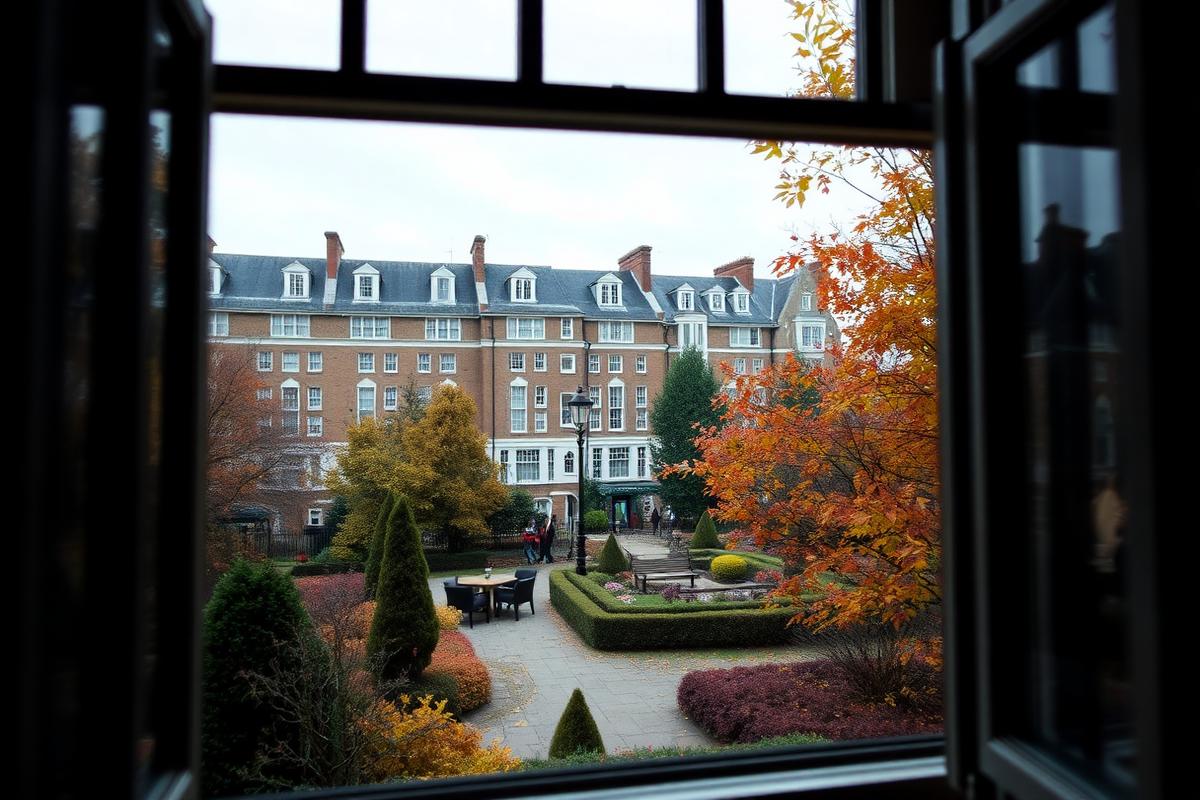
Living in Kensington means having two of London’s finest parks as your back garden. To the west lies Holland Park, with its serene Kyoto Garden and resident peacocks, while to the east, Kensington Gardens offers the grandeur of the Serpentine and the Italian Gardens. This abundance of green space is a primary reason why this Kensington area guide remains relevant regardless of economic cycles. The ability to walk from a quiet residential street like Argyll Road into the vast expanse of a Royal Park within minutes is a luxury that few global cities can match.
Culinary and cultural options are equally impressive. From the refined dining at The Ivy Kensington Brasserie to the independent charm of the shops along Kensington Church Street, there is a constant sense of activity. Nearby areas like South Kensington, Notting Hill, and Bayswater each add their own flavour to the local experience, yet Kensington remains the anchor. Whether you are visiting the Design Museum or spending a quiet afternoon in a local café, the area offers a balanced pace of life that is neither too frantic nor too hushed.
Talk to Seymont
What's your home worth?
A considered view on price, timing and how to bring your London home to market — a personal reply within 24 hours.
Your property
Step 1 of 2About the author
Julian ReyesLicensed Real Estate Agent
Julian has spent eleven years handling residential sales across west and central London, previously with the independent agencies Harlowe & Vance and Marchmont Row. He runs listings end to end, from pricing and presentation through to negotiating offers and holding chains together to completion. His writing focuses on the practical mechanics of buying and selling a home in a market where timing and preparation decide the outcome.
Licensed estate agent · 11 years in London residential sales
- Residential sales
- First-time buyers
- Offer negotiation
- Chain management
Frequently asked
- What is the current average price per square foot in Kensington?
- According to data from HM Land Registry and recent market analysis, the average price per square foot in Kensington is approximately £1,550. However, for 'best-in-class' houses on premium streets like Phillimore Gardens, this figure can be significantly higher.
- Which are considered the most prestigious streets in W8?
- The most coveted addresses include Phillimore Gardens, Kensington Square, Edwardes Square, and Stafford Terrace. These streets are prized for their architectural integrity, proximity to parks, and historical significance.
- How is the Kensington property market performing compared to the rest of London?
- The Kensington market has remained resilient, with prices staying flat to modestly firmer over the last year. The market is driven by a scarcity of high-quality stock rather than transaction volume, meaning well-maintained period homes continue to outperform the wider market.