Journal
Moving to Kensington: A Definitive Guide to Prime London Living
Written by Thomas Lindqvist · Mortgage & Financing Specialist
Published 18 June 2026 · Updated 4 July 2026 · 4 min read
The short answer
When clients approach us about moving to Kensington, they are rarely looking for just a property; they are seeking a permanent foothold in London’s most sophisticated enclave. As the founder of Seymont London, we have spent our career navigating the nuances of the Royal Borough of Kensington & Chelsea.
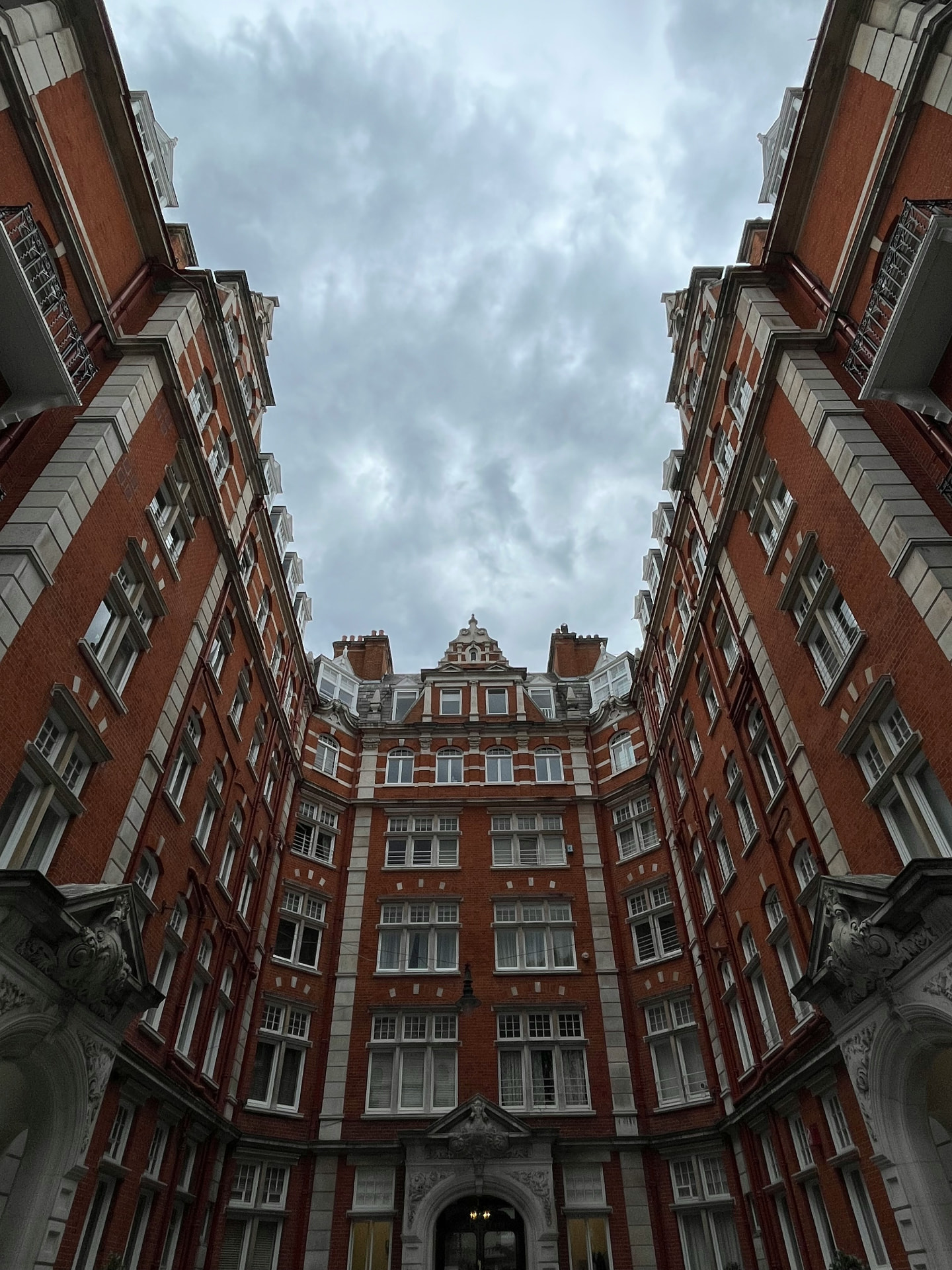
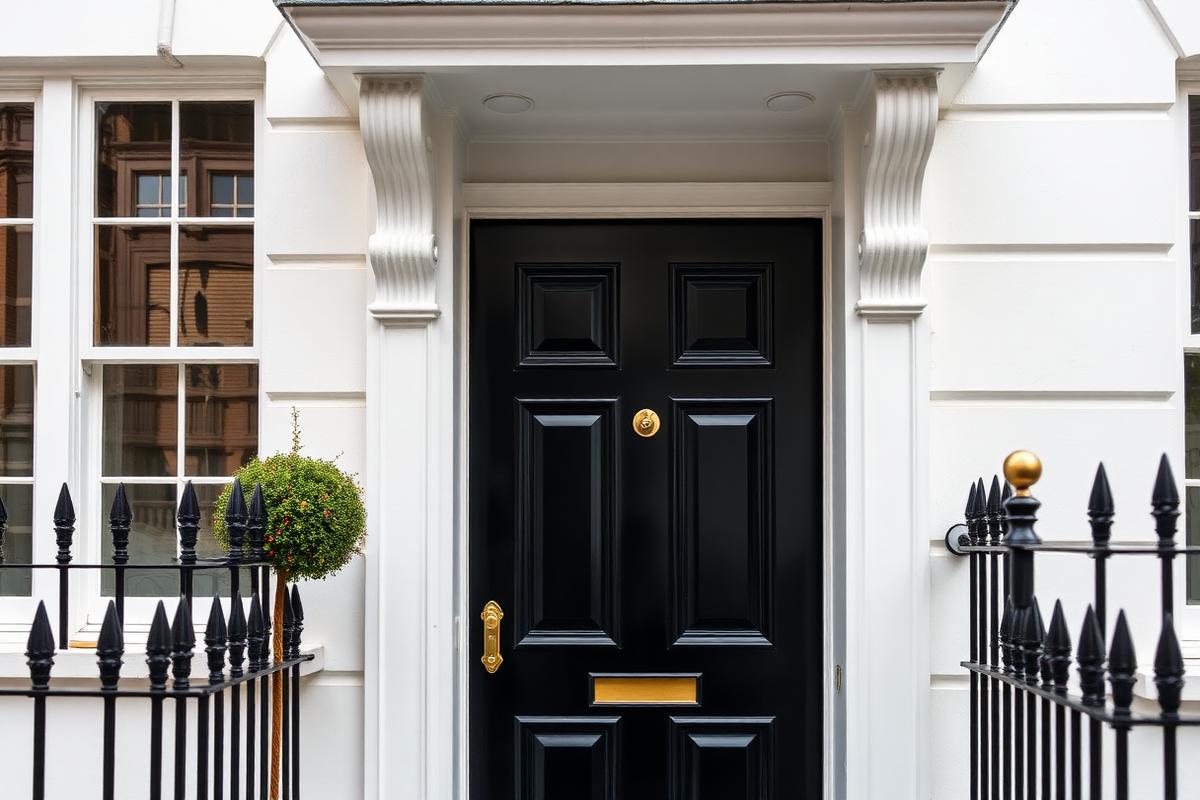
When clients approach us about moving to Kensington, they are rarely looking for just a property; they are seeking a permanent foothold in London’s most sophisticated enclave. As the founder of Seymont London, we have spent our career navigating the nuances of the Royal Borough of Kensington & Chelsea. Kensington is a place of architectural rhythm and quiet prestige, where the white stucco of W8 meets the red-brick heritage of mansion blocks near the High Street. Whether you are relocating from overseas or upsizing from a neighbouring borough, understanding the logistical and financial landscape is essential to a successful transition. In this guide, we draw upon current market data to provide a clear-eyed view of what life here entails. According to HM Land Registry figures, the average property price in Kensington currently stands at £2,650,000, reflecting the area's status as one of the world's most sought-after residential destinations. However, the headline figures only tell half the story. To move here successfully, you must understand the micro-markets—from the heights of Campden Hill to the secluded enclaves of Edwardes Square.
The Property Landscape and Current Market Conditions
The Kensington market is defined by a distinct scarcity of 'best-in-class' stock. As of August 2026, we are seeing a price per square foot averaging £1,550. The trend has remained flat to modestly firmer over the last year, but this stability masks a widening divergence. Premium houses—those on prime streets like Phillimore Gardens or Argyll Road—are significantly outperforming compromised stock. If a property has a short lease, poor light, or lacks a lift in a mansion block, the market is unforgiving. Conversely, turnkey homes in the W8 and W14 postcodes continue to attract competitive bidding.
Most buyers moving to Kensington will find themselves choosing between three primary property types. The most common are period conversion flats, typically found in the raised-ground and first floors of stucco-fronted terraces; these often come with the benefit of a share of freehold. Then there are the iconic red-brick mansion blocks, such as those found just off Kensington High Street, which offer porterage and a sense of security. Finally, there are the rare terraced and semi-detached houses located behind Church Street. These three-to-five-bedroom homes are the crown jewels of the area and seldom remain on the market for long.
Logistics, Transport, and Daily Life
Connectivity is one of the practical reasons why moving to Kensington remains a perennial favourite for professionals. The area is served by three major hubs. High Street Kensington provides the Circle and District lines, reaching Victoria in approximately 15 minutes. Notting Hill Gate serves as the gateway to the City and the West End via the Central line, while Gloucester Road offers the Piccadilly line for a direct, stress-free link to Heathrow Airport.
Beyond the commute, the lifestyle is anchored by world-class amenities. Residents enjoy the proximity to Kensington Gardens and Holland Park, offering hundreds of acres of greenery. For dining and shopping, Kensington Church Street is renowned for its antiques and independent boutiques, while the High Street provides every modern convenience. When we walk clients through these streets, we always emphasise that Kensington feels like a village that happens to be at the centre of a global city. It is this balance of tranquillity and accessibility that sustains its value.
Education and Schooling Considerations
For families, the decision to move to Kensington is often driven by the exceptional density of preparatory schools. The area is home to a cluster of highly regarded institutions, including Kensington Prep, which are within easy walking distance for most residents. For older students, Holland Park School remains the most prominent state secondary in the borough, known for its striking architecture and academic reputation. The presence of Imperial College London and the Royal College of Art just to the south also adds a vibrant intellectual energy to the neighbourhood.
It is worth noting that the rental market in Kensington is heavily supported by the international student population and academic staff associated with these institutions. If you are purchasing as an investment or with a view to future letting, the proximity to South Kensington’s cultural and educational quarter is a significant risk-mitigator. We often advise our clients to look at the 'school run' geography before committing to a purchase, as the morning traffic patterns around Stafford Terrace and Holland Street can influence daily life significantly.
Talk to Seymont
What's your home worth?
A considered view on price, timing and how to bring your London home to market — a personal reply within 24 hours.
Your property
Step 1 of 2Paperwork, Timing, and The Seller Perspective
The administrative side of moving to Kensington requires a meticulous approach. Because many properties are located within conservation areas or are Grade II listed, the survey and legal process can be complex. You will likely encounter 'Share of Freehold' arrangements or long leases with specific management company rules. We always insist on reading the lease documentation before the first viewing is even booked. In a market where sellers are experienced and often high-net-worth individuals, they expect a buyer’s representative to be equally prepared.
Timing is equally critical. We advise clients to watch 'withdrawn' listings as closely as 'sold' ones; often, a property is taken off the market not because of a lack of interest, but because the seller is waiting for the right, non-contingent buyer. The transaction period from offer to completion in Kensington typically spans 10 to 14 weeks, though this can be accelerated if you are dealing with a senior-led agency where you have a single point of contact. Our role at Seymont London is to ensure that the momentum is maintained, handling everything from the initial valuation to the final handover of keys.

Talk to Seymont
What's your home worth?
A considered view on price, timing and how to bring your London home to market — a personal reply within 24 hours.
Your property
Step 1 of 2About the author
Thomas LindqvistMortgage & Financing Specialist
Thomas advised buyers for a decade at Ashgrove Financial, an independent brokerage, on borrowing capacity, product selection and the full cost of a purchase, including stamp duty, legal fees and lender charges. He follows rate decisions and lender criteria changes and translates them into what a household can realistically afford. His guides cover affordability, remortgaging and the closing costs that buyers routinely underestimate.
CeMAP qualified · Whole-of-market mortgage advice background
- Mortgages
- Affordability
- Closing costs
- Remortgaging
Frequently asked
- What is the average cost of a property in Kensington?
- Based on HM Land Registry data for August 2026, the average property price in Kensington is £2,650,000, with an average price per square foot of £1,550.
- Which are the most prestigious streets when moving to Kensington?
- While subjective, streets such as Phillimore Gardens, Campden Hill Road, Kensington Square, and Edwardes Square are widely considered some of the most desirable addresses in the W8 postcode.
- How does the 'Share of Freehold' work in Kensington?
- Many period conversions in Kensington offer a share of the freehold, meaning residents collectively own the building. This often allows for more control over service charges and maintenance compared to a traditional leasehold.
- Is Kensington a good area for international commuters?
- Yes, exceptionally so. With the Piccadilly line at Gloucester Road providing direct access to Heathrow and the Central line at Notting Hill Gate connecting to the City, it is a primary choice for global professionals.