Journal
Is Notting Hill a Nice Place to Live?
Written by Amara Bennett · Property Market Analyst
Published 31 May 2026 · Updated 17 June 2026 · 7 min read
The short answer
Is Notting Hill a nice place to live? For those drawn to its pastel-fronted townhouses, world-famous carnival, and vibrant community spirit, the answer is often a resounding yes. This West London neighbourhood has evolved from its bohemian roots into one of the capital's most sought-after residential enclaves, blending Victorian elegance with contemporary cosmopolitan living.
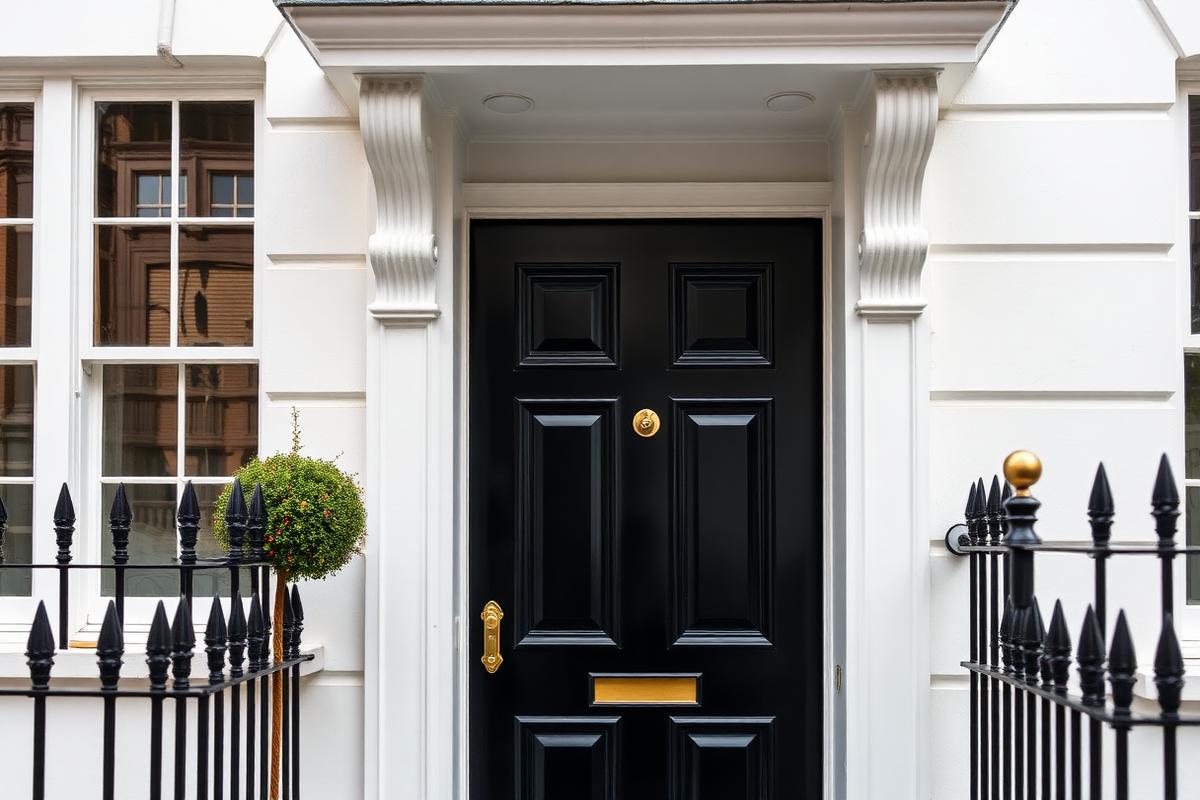
Is Notting Hill a nice place to live? For those drawn to its pastel-fronted townhouses, world-famous carnival, and vibrant community spirit, the answer is often a resounding yes. This West London neighbourhood has evolved from its bohemian roots into one of the capital's most sought-after residential enclaves, blending Victorian elegance with contemporary cosmopolitan living. Our team at Seymont London has worked extensively across Notting Hill, and we've witnessed first-hand why discerning buyers and tenants continue to seek out this distinctive pocket of W11. From the bustling Portobello Road market to the tranquil garden squares that define Ladbroke Grove, the area offers a lifestyle that few London neighbourhoods can match.
The Character and Appeal of Notting Hill
Notting Hill's architectural landscape is dominated by elegant Victorian and Edwardian terraces, their stucco facades painted in the pastel hues that have become synonymous with the area. The neighbourhood's famous garden squares—particularly around Pembridge Square and Ladbroke Grove—create rare pockets of greenery and tranquillity in central London, offering residents a village-like atmosphere despite the zone 1-2 location.
The area's cultural credentials are equally impressive. Portobello Road remains the beating heart of the neighbourhood, its Saturday antiques market drawing visitors from across the globe whilst serving as a genuine high street for residents. Independent boutiques, vintage shops, and artisan food merchants line the street, creating a shopping experience that feels worlds apart from corporate retail parks. The famous Notting Hill Bookshop, immortalised on film, continues to operate alongside contemporary galleries and design studios.
Notting Hill Gate serves as the area's transport and commercial hub, providing immediate access to the Central, Circle, and District lines. This connectivity, combined with the neighbourhood's inherent charm, explains why property values here consistently rank among London's highest. According to HM Land Registry data, the median property price in Notting Hill stands at £765,000, with 146 recorded sales demonstrating sustained market activity.
The annual Notting Hill Carnival—Europe's largest street festival—epitomises the area's multicultural heritage and community spirit. Whilst the August Bank Holiday weekend brings significant crowds, most residents view the event as a celebration of the diversity and creative energy that defines their neighbourhood year-round.
Notting Hill Property Market: What to Expect
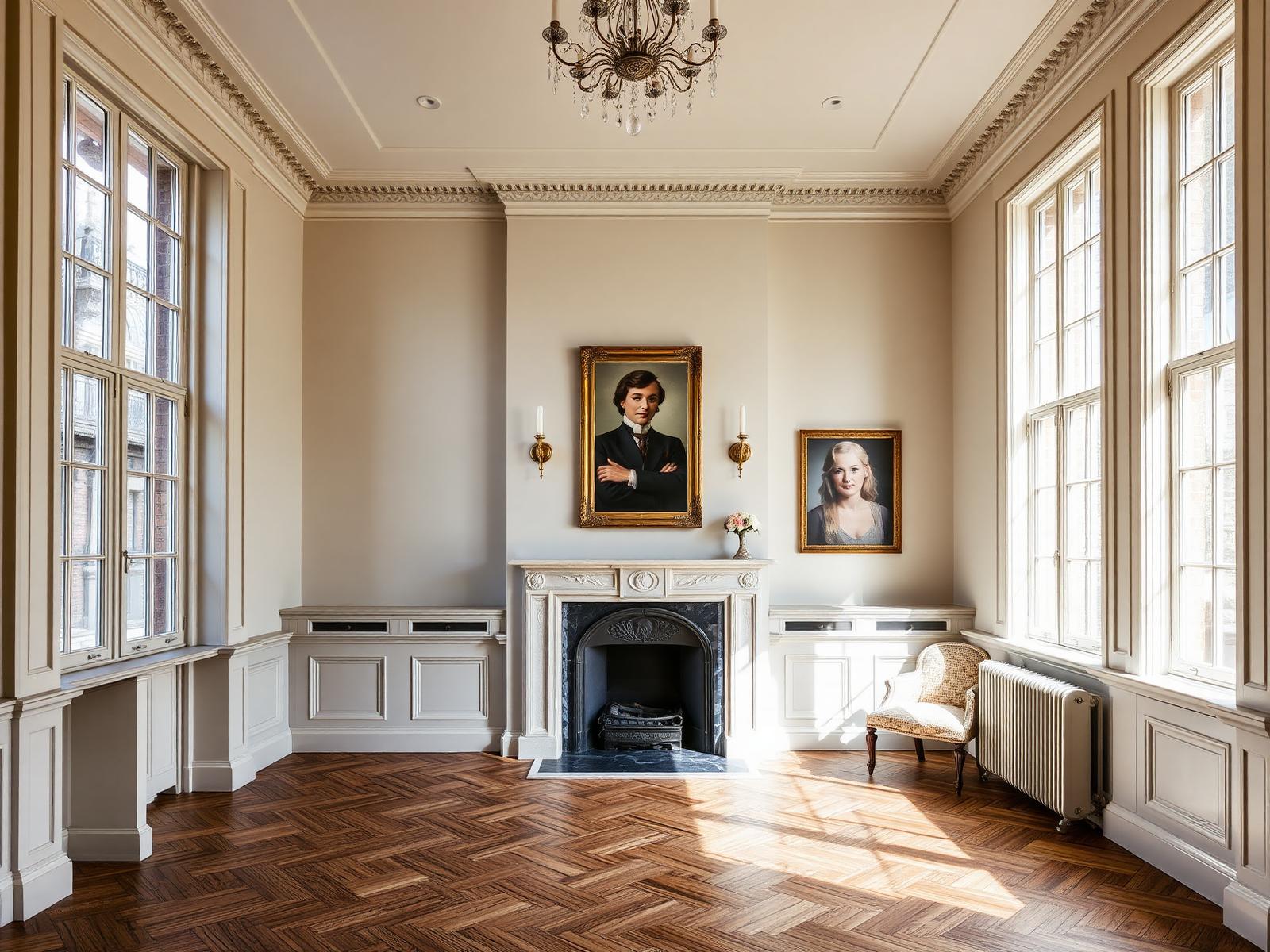
Understanding the local property landscape is essential for anyone considering a move to Notting Hill. The market here caters predominantly to flat buyers, with HM Land Registry figures showing that 98 of the 146 recorded sales were apartments, achieving a median price of £600,000. These typically comprise period conversions within the area's characteristic Victorian buildings, often featuring high ceilings, generous proportions, and period details.
For those seeking family homes, Notting Hill's terraced houses command substantial premiums. The median terraced property sold for £1,225,000, with notable streets including Chepstow Villas, Lansdowne Road, and Elgin Crescent among the most prestigious addresses. Semi-detached and detached houses are exceptionally rare, reflected in median prices of £6,975,000 and £9,300,000 respectively—these represent some of London's most exclusive residential real estate.
Rental accommodation spans a wide spectrum. ONS data indicates that studio flats typically rent for £875-£1,375 per calendar month, whilst one-bedroom properties range from £1,150-£1,825. Families requiring three bedrooms should budget £2,100-£3,300 monthly, with larger four-bedroom homes commanding £2,825-£4,400. At the top end, five-bedroom properties rent for £3,700-£5,775 per month.
Our experience working with clients across Notting Hill suggests that properties on Westbourne Grove, Clarendon Cross, and the quieter residential streets off Portobello Road offer particularly strong value within the local context. For those exploring opportunities in the area, our [Notting Hill property listings](/property-for-sale/notting-hill) showcase the current market, whilst our [local estate agents](/estate-agents/notting-hill) can provide tailored guidance on specific streets and buildings.
Pros and Cons of Living in Notting Hill
When evaluating the pros and cons of living in Notting Hill, location and lifestyle consistently emerge as the area's greatest strengths. The neighbourhood enjoys exceptional connectivity—Notting Hill Gate, Ladbroke Grove, and Westbourne Park stations provide multiple underground options, whilst numerous bus routes serve the area. For professionals working in the City, Canary Wharf, or West End, commutes are straightforward and often sub-30 minutes.
The culinary and social scene represents another significant advantage. Restaurants in Notting Hill range from Michelin-quality establishments to relaxed neighbourhood bistros, with Ledbury Road earning particular recognition as a dining destination. Those searching for a restaurant in Notting Hill will find everything from modern European cuisine to authentic international kitchens. The pub scene, including beloved locals around Pembridge Road and Westbourne Park Road, provides everything from traditional Victorian boozers to contemporary wine bars.
Family appeal is considerable, with several outstanding state and independent schools within the catchment area. The proximity to Hyde Park and Kensington Gardens offers unparalleled outdoor space, whilst local amenities on Portobello Road and Westbourne Grove mean most daily needs can be met on foot.
However, prospective residents should consider certain challenges. Property costs—both purchase and rental—rank among London's highest, with even modest flats commanding premium prices. Parking is notoriously difficult, with residents' permits offering no guarantee of available spaces, particularly near Portobello Road. The area's popularity means streets can feel crowded, especially on market days and during summer months. The annual Carnival, whilst culturally significant, does require tolerance for three days of significant disruption.
Talk to Seymont
What's your home worth?
A considered view on price, timing and how to bring your London home to market — a personal reply within 24 hours.
Your property
Step 1 of 2Is Notting Hill Safe? Local Insights
The question "is Notting Hill safe" naturally concerns prospective residents, and the answer requires nuance. The neighbourhood generally enjoys lower crime rates than many comparable central London areas, with the residential streets around the garden squares particularly tranquil. We've observed that violent crime remains rare, and most residents feel comfortable walking home after dark.
That said, Notting Hill's central location and tourist appeal do attract opportunistic crime. Bicycle theft occurs regularly, and residents should invest in quality locks and secure storage. Bag snatching and pickpocketing can occur in crowded areas, particularly around Portobello Road on Saturdays. The sensible urban precautions one would take anywhere in zone 1-2 London apply here.
Notting Hill reviews from residents consistently highlight the strong community networks and active neighbourhood watch schemes that operate across many streets. The local police maintain a visible presence, particularly around transport hubs and during major events. Estate agents and lettings specialists in the area, including our team at Seymont London, can provide street-specific guidance to help prospective residents make informed decisions.
Overall, Notting Hill compares favourably to other prime central London neighbourhoods in terms of safety, though it should not be considered a secluded suburban retreat. The vibrant, urban character that makes the area attractive inevitably brings the security considerations common to any bustling London district.
Lifestyle and Community: What Makes Notting Hill Special
Beyond property prices and transport links, Notting Hill's true appeal lies in its distinctive lifestyle offering. The neighbourhood has retained an independent, creative spirit despite gentrification, with local businesses predominating over national chains. The Saturday Portobello Road antiques market remains a genuine community gathering point rather than mere tourist attraction, whilst smaller weekday markets offer fresh produce and street food.
Cultural life extends well beyond the famous annual Carnival. The Electric Cinema on Portobello Road, one of Britain's oldest working cinemas, provides luxury screenings with armchairs and footstools. The Gate Theatre punches above its weight with critically acclaimed productions, whilst numerous art galleries showcase emerging and established artists. Music venues and late-night bars around Notting Hill Gate cater to those seeking evening entertainment without travelling to Shoreditch or Soho.
For families, the area offers an enviable lifestyle. Excellent coffee shops double as informal community hubs where local parents gather, whilst child-friendly restaurants and cafés along Westbourne Grove and Clarendon Cross welcome younger diners. The proximity to Hyde Park's playgrounds, boating lake, and open spaces provides outdoor recreation that many London families must travel significant distances to access.
The neighbourhood's diversity—economic, cultural, and demographic—creates a social fabric that many residents cite as irreplaceable. From Moroccan cafés on Golborne Road to Scandinavian bakeries on Westbourne Grove, from council estates to multi-million-pound townhouses, Notting Hill encompasses extraordinary variety within a compact geography. This mixing of communities, whilst perhaps less pronounced than in decades past, continues to distinguish the area from more homogeneous prime London neighbourhoods.
Making Your Decision: Is Notting Hill Right for You?
Determining whether Notting Hill suits your needs requires honest assessment of priorities and budget. The area undeniably commands premium prices—our [house price data](/house-prices/notting-hill) confirms that entry-level properties require significant financial commitment. Those accustomed to gardens, parking, and space may find the urban density challenging, particularly in converted flats where period buildings weren't designed for modern storage needs.
However, for those who value location, culture, and community above square footage, Notting Hill offers compelling advantages. The ability to walk to world-class museums, royal parks, and West End theatres whilst living on a tree-lined residential street appeals to a particular type of Londoner—often professionals, creatives, and internationally mobile families who prioritise experience and convenience.
The neighbourhood particularly suits those at certain life stages: young professionals enjoying London's cultural offerings; established couples seeking a sophisticated urban base; and families who value outstanding schools and parks over suburban gardens. Retirees drawn to central London's amenities whilst desiring a genuine community often find Notting Hill ideal, provided mobility allows navigation of the area's period buildings (many without lifts).
For those considering letting property in the area, the combination of sustained tenant demand and strong capital appreciation has historically delivered solid returns. Our [property letting services](/let-your-property/notting-hill) can provide current yield data and rental projections for specific property types.
Ultimately, Notting Hill rewards those who embrace its particular character—vibrant, diverse, creative, and unapologetically urban. Those seeking that combination will likely find the premium pricing justified; those prioritising peace, parking, and private gardens may find better value elsewhere in London.
Talk to Seymont
What's your home worth?
A considered view on price, timing and how to bring your London home to market — a personal reply within 24 hours.
Your property
Step 1 of 2About the author
Amara BennettProperty Market Analyst
Amara spent seven years as a market analyst at Kestrel Lane Research, a small London property consultancy, before joining our editorial desk. She reads sold-price and rental data street by street to explain how individual London postcode districts actually behave, and reviews every price figure we publish. Her focus is separating headline national averages from what a specific address is worth today.
MSc Real Estate Economics · Seven years in property market research
- Valuations
- Local market data
- Sold prices
- Pricing strategy
Frequently asked
- What is the average house price in Notting Hill?
- According to HM Land Registry data, the median property price in Notting Hill is £765,000. However, this varies significantly by property type: flats have a median price of £600,000, terraced houses £1,225,000, and detached properties £9,300,000. Notable streets such as Chepstow Villas, Lansdowne Road, and Pembridge Square command premium prices at the upper end of the market.
- How much does it cost to rent in Notting Hill?
- Rental costs in Notting Hill vary by property size. ONS data shows studio flats rent for £875-£1,375 per month, one-bedroom properties for £1,150-£1,825, two-bedroom homes for £1,575-£2,475, and three-bedroom properties for £2,100-£3,300. Larger four and five-bedroom houses command £2,825-£4,400 and £3,700-£5,775 respectively, reflecting the area's prime central London location.
- Is Notting Hill a safe area to live?
- Notting Hill is generally considered safe compared to many central London neighbourhoods, with low rates of violent crime and active community watch schemes. The residential streets around the garden squares are particularly quiet and secure. However, as with any zone 1-2 area, opportunistic crime such as bicycle theft and bag snatching can occur, especially in busy areas like Portobello Road on market days. Standard urban precautions are advisable.
- What are the transport links like in Notting Hill?
- Notting Hill enjoys excellent transport connectivity. Notting Hill Gate station provides access to the Central, Circle, and District lines, whilst Ladbroke Grove and Westbourne Park offer additional underground options. Numerous bus routes serve the area, and central destinations including the City, West End, and Canary Wharf are easily accessible. Most residents find commuting straightforward, with journey times to major employment hubs typically under 30 minutes.
- What is there to do in Notting Hill?
- Notting Hill offers diverse cultural and social amenities. Portobello Road's markets operate throughout the week, with the Saturday antiques market being world-famous. The area boasts excellent restaurants, independent shops, traditional pubs, and contemporary bars. The Electric Cinema provides luxury film screenings, whilst the Gate Theatre stages acclaimed productions. Proximity to Hyde Park and Kensington Gardens offers extensive outdoor space, and the annual Notting Hill Carnival is Europe's largest street festival.