Journal
Is Holland Park a Nice Place to Live?
Written by Nina Castellano · Investment Property Advisor
Published 5 May 2026 · Updated 11 July 2026 · 6 min read
The short answer
When prospective buyers ask us is Holland Park a nice place to live, we find ourselves describing one of West London's most distinguished residential quarters. Tucked between Notting Hill and Kensington, this leafy enclave has long attracted discerning residents who value architectural grandeur, cultural refinement and a genuine neighbourhood character.
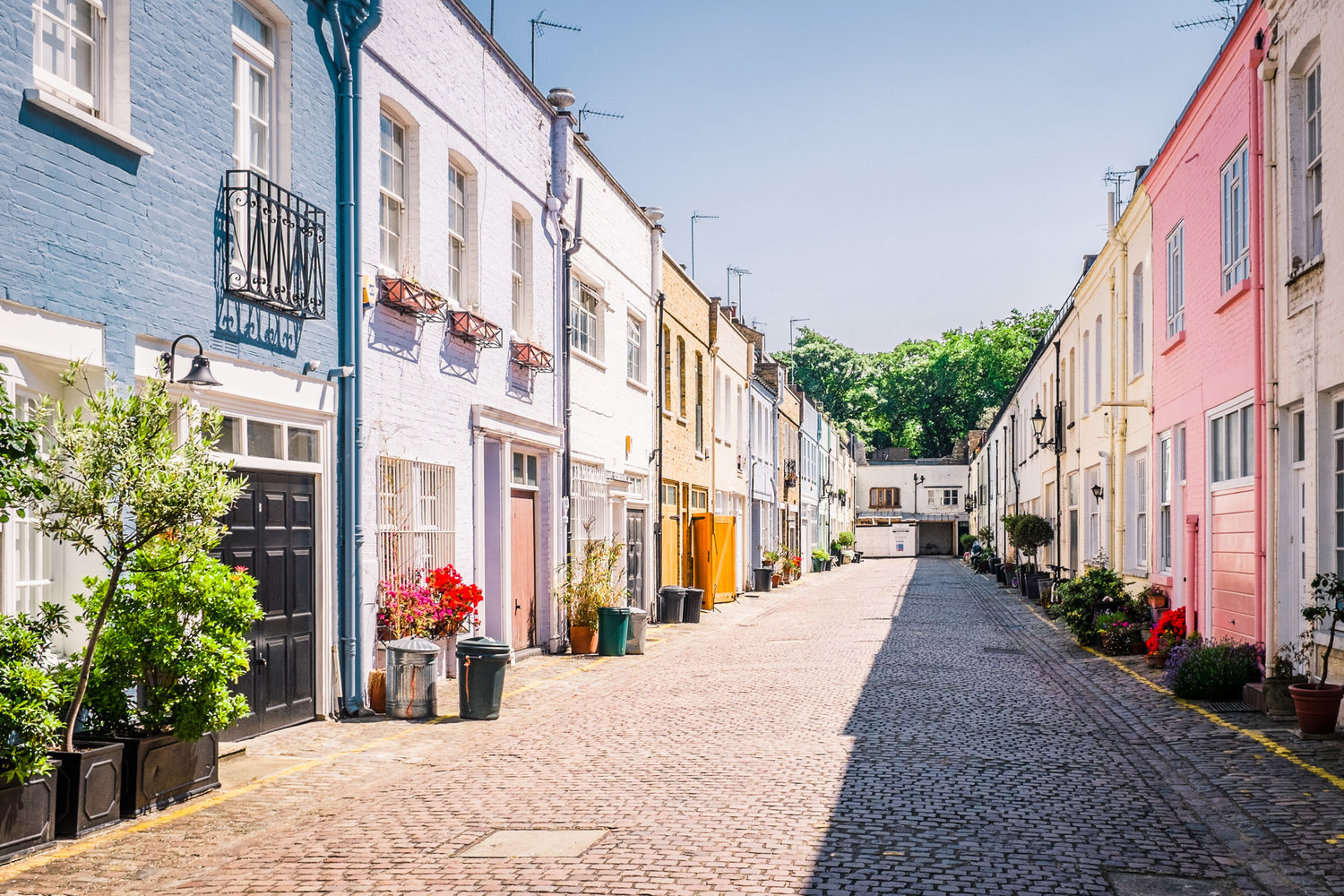
When prospective buyers ask us is Holland Park a nice place to live, we find ourselves describing one of West London's most distinguished residential quarters. Tucked between Notting Hill and Kensington, this leafy enclave has long attracted discerning residents who value architectural grandeur, cultural refinement and a genuine neighbourhood character. Our team regularly guides clients through the elegant garden squares and Victorian stucco terraces that define this area, and we've watched it maintain its appeal across generations whilst evolving to meet contemporary expectations of London living.
The Character and Appeal of Holland Park
Holland Park derives its name from the magnificent public park at its heart—54 acres of formal gardens, woodland walks and peacocks that create an almost countryside atmosphere within Zone 2. The park itself hosts the renowned Holland Park Opera each summer, where performances unfold against the romantic backdrop of the former Jacobean mansion's ruins. This cultural centrepiece sets the tone for the surrounding streets, where white-stucco Victorian villas and red-brick mansion blocks present some of London's most handsome residential architecture.
The neighbourhood radiates outward from the park along tree-lined avenues such as Holland Park Avenue, the area's commercial spine offering independent boutiques, established restaurants and essential amenities. Unlike some central London postcodes that feel transient, Holland Park maintains a village-like quality where the same families occupy homes for decades, children attend the local schools, and residents recognise one another at the weekend farmers' market.
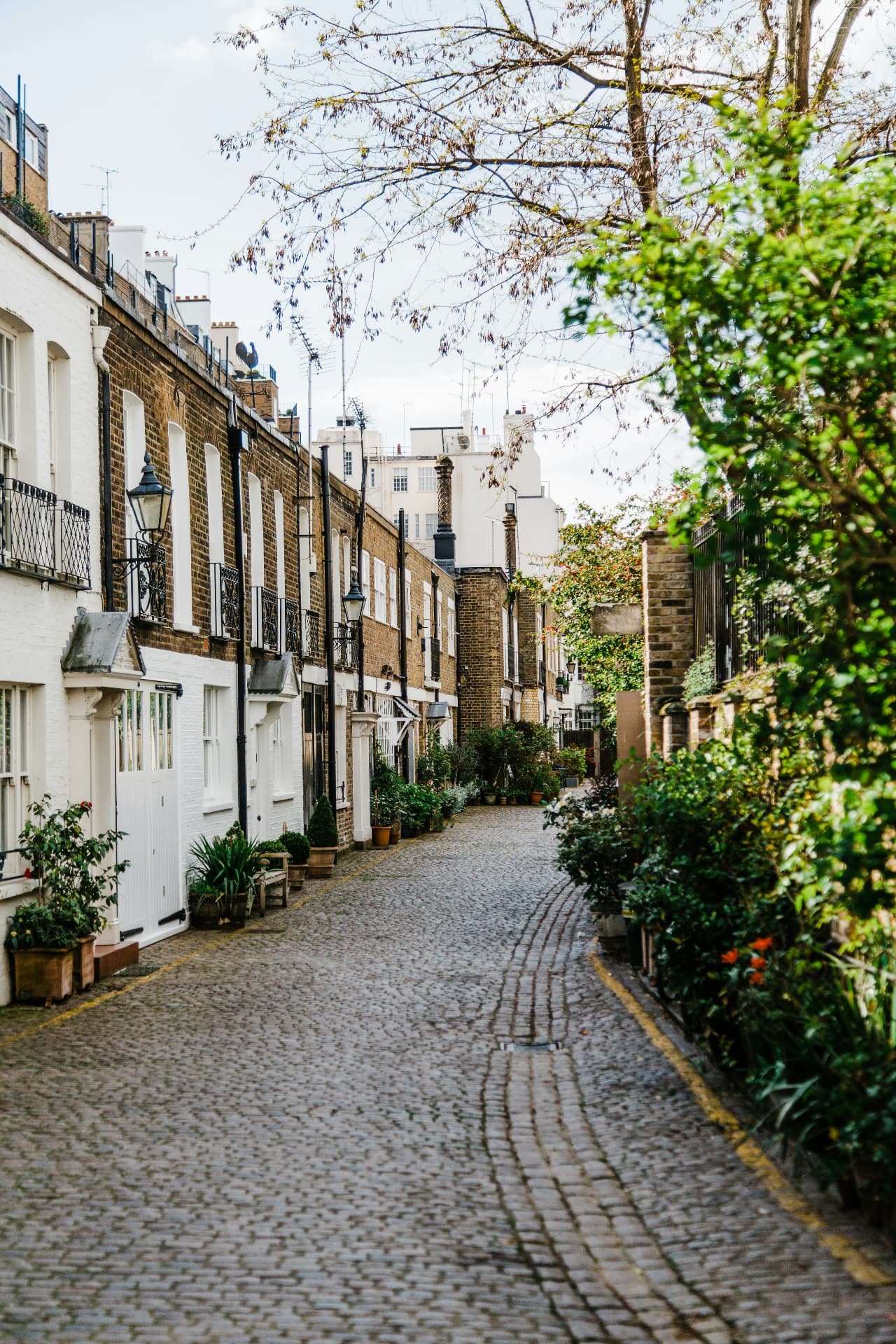
Architecturally, the area showcases the confidence of Victorian and Edwardian developers who created grand garden squares like Norland Square and St James's Gardens. These communal gardens, accessible only to residents with keys, represent a defining feature of Holland Park living—private green sanctuaries that extend your home outdoors. Walking through streets such as Addison Road, Royal Crescent and Aubrey Walk, you encounter a consistency of scale and quality that few London neighbourhoods can match.
This architectural heritage attracts a particular type of resident: professionals, creatives and international families who appreciate substance over flashiness, culture over commerce, and enduring quality over passing trends.
Holland Park Reviews: What Residents Value Most
Speaking with long-term residents and reviewing Holland Park testimonials, several themes emerge consistently. The area's tranquillity surprises many newcomers—despite excellent transport links, the streets maintain a residential calm that feels worlds away from central London's bustle. The predominance of family homes means the neighbourhood rhythm follows school terms and weekends in the park rather than nightlife cycles.
Residents particularly value the cultural infrastructure that extends beyond the opera house. The Design Museum sits on the area's eastern edge at Kensington High Street, whilst local galleries, the historic Coronet cinema (now an events venue) and proximity to the Royal Albert Hall create a richly cultural everyday environment. For families, the combination of outstanding state and independent schools, safe streets and the park's playgrounds and sports facilities proves compelling.
The international dimension adds considerable appeal. Holland Park has long attracted diplomats, with several embassies occupying grand properties along tree-lined streets, creating a cosmopolitan yet refined atmosphere. This international presence supports excellent restaurants, specialist food shops and a worldly outlook that many residents mention as part of the area's character.
Transport connections receive consistent praise despite the area's residential tranquillity. Holland Park and Notting Hill Gate stations provide Central and District/Circle line services, whilst High Street Kensington offers additional options. This connectivity means the City, West End and Canary Wharf remain easily accessible whilst your home life unfolds in considerably more gracious surroundings.
Property Market Insights: What the Data Reveals
According to HM Land Registry Price Paid Data, Holland Park recorded 123 property sales with a median price of £585,000. These figures, however, require context—the market here divides distinctly by property type, and understanding this segmentation proves essential for prospective buyers.
Flats dominated transactions with 101 sales at a median of £563,000, ranging from £255,000 to £3,510,000. This wide spectrum reflects everything from studio conversions to lateral apartments in premier mansion blocks and converted Victorian houses. For those exploring [properties for sale in Holland Park](/property-for-sale/holland-park), flats offer the most accessible entry point to this prestigious postcode, particularly purpose-built mansion blocks along Portland Road and Abbotsbury Road.
The terraced house market, comprising 14 sales, showed a median of £1,395,000, with prices spanning £500,000 to £8,400,000. This category includes the elegant stucco-fronted Victorian terraces that characterise streets radiating from the park—substantial family homes where location, condition and proximity to garden squares significantly influence value. Notable streets such as Royal Crescent and Addison Road command premium pricing for their architectural distinction and garden square access.
For rental properties, ONS data indicates studios ranging from £675 to £1,050 monthly, one-bedroom properties from £900 to £1,400, two-bedroom homes from £1,225 to £1,900, and three-bedroom properties from £1,625 to £2,550. Four-bedroom houses command £2,175 to £3,400, whilst five-bedroom properties reach £2,850 to £4,450 monthly. Those interested in understanding the broader market picture will find our [Holland Park house prices](/house-prices/holland-park) page offers detailed analysis.
Talk to Seymont
What's your home worth?
A considered view on price, timing and how to bring your London home to market — a personal reply within 24 hours.
Your property
Step 1 of 2Is Holland Park Safe? Environment and Lifestyle Considerations
Safety represents a frequent concern for prospective residents, and Holland Park consistently ranks amongst London's safest residential areas. The neighbourhood benefits from low through-traffic on residential streets, active neighbourhood watch schemes, and the natural surveillance that comes from a settled, engaged community. Evening walks through the park and surrounding streets feel comfortable, and families routinely allow older children independent mobility—a rarity in central London.
The environmental quality extends beyond personal safety to encompass air quality, green space and overall liveability. The abundance of mature trees, garden squares and the park itself creates a microclimate noticeably fresher than busier London districts. Streets remain relatively quiet, with residents' parking schemes managing vehicle access and preserving the residential character.
For daily life, Holland Park Avenue provides the commercial anchor with supermarkets, pharmacies, banks and services, whilst Kensington High Street offers major retailers within walking distance. The area attracts independent businesses—delis, wine merchants, florists and boutiques—that reflect residents' preferences for quality and personal service over chain convenience.
The lifestyle here suits those who've outgrown the need to live above the action, who value space, quiet and beauty in their immediate environment whilst maintaining easy access to London's opportunities. It particularly appeals to families seeking stability, professionals wanting a genuine home rather than a pied-à-terre, and international relocators who recognise the markers of established quality.
Pros and Cons of Living in Holland Park: A Balanced Assessment
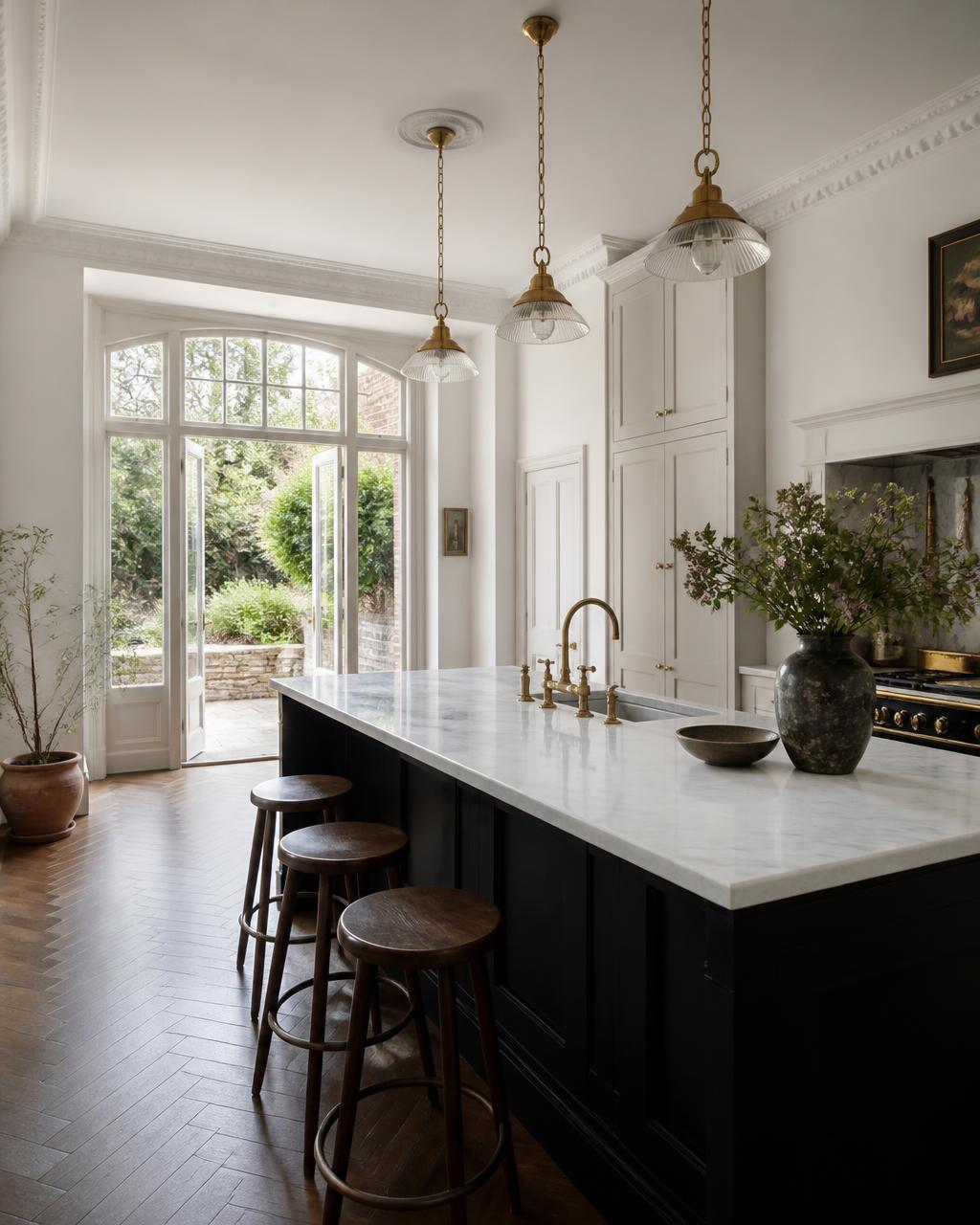
Evaluating the pros and cons of living in Holland Park requires honest assessment of what this neighbourhood offers and what it doesn't. On the advantages side, the architectural quality, green space, cultural amenities, safety and transport links create a compelling package. The neighbourhood's established character means infrastructure, schools and community institutions function smoothly, refined over decades rather than hastily assembled.
The residential stability proves double-edged: it creates community continuity and maintained properties, but also means available housing stock remains limited. Homes here rarely come to market casually—sales typically follow life events like upsizing, downsizing or relocation. For buyers, this scarcity means competition for well-presented properties and little scope for negotiation on prime examples.
Property prices and rental costs reflect the area's prestige, positioning Holland Park beyond many budgets. Those considering whether they can afford the area should explore our [estate agents in Holland Park](/estate-agents/holland-park) services to understand current market conditions realistically. The premium you pay purchases not just bricks and mortar but location, heritage and an established quality of life.
The neighbourhood's refined character may feel too quiet for those seeking vibrant nightlife or cutting-edge urban energy. While nearby Notting Hill and Kensington offer livelier scenes, Holland Park itself maintains a residential tranquillity that some might find staid. The demographic skews towards families and established professionals rather than young singles, shaping the social environment accordingly.
For property investors and landlords, the area's stability and prestige ensure consistent rental demand, particularly from international professionals and relocating families. Our [property letting services in Holland Park](/let-your-property/holland-park) regularly place quality tenants seeking exactly the environment this neighbourhood provides—though rental yields typically favour capital appreciation over high percentage returns.
Talk to Seymont
What's your home worth?
A considered view on price, timing and how to bring your London home to market — a personal reply within 24 hours.
Your property
Step 1 of 2About the author
Nina CastellanoInvestment Property Advisor
Nina advises landlords and investors on rental yields, tenant demand and portfolio structure across Greater London, after running lettings and management at Bellhouse Property Partners. She has overseen single units and multi-property portfolios, and works through compliance, void periods and running costs before a purchase is agreed. Her articles deal with the numbers behind a buy-to-let rather than the headline gross yield.
Lettings and portfolio management · 9 years in London rentals
- Buy-to-let
- Rental yields
- Portfolio strategy
- Landlord compliance
Frequently asked
- What is the average house price in Holland Park?
- According to HM Land Registry Price Paid Data, the median property price in Holland Park is £585,000 across all property types. However, this figure encompasses flats with a median of £563,000 and terraced houses with a median of £1,395,000, so prices vary considerably depending on property type and specific location within the area.
- Is Holland Park well connected for commuting?
- Yes, Holland Park enjoys excellent transport links. Holland Park station provides Central line services, whilst nearby Notting Hill Gate offers Central, District and Circle lines. High Street Kensington station is also within walking distance. These connections provide quick access to the City, West End and other major London employment centres, typically within 20-30 minutes.
- What schools serve the Holland Park area?
- Holland Park benefits from several well-regarded educational options. Holland Park School is a large state comprehensive with a strong academic reputation, whilst the area also sits within catchment for several sought-after primary schools. Additionally, numerous independent schools operate nearby in Kensington and Notting Hill, making the area particularly popular with families prioritising education.
- What is Holland Park itself like as a public space?
- Holland Park comprises 54 acres of varied landscapes including formal gardens, woodland areas, sports facilities, children's playgrounds and the Kyoto Garden, a beautiful Japanese-style garden. The park hosts Holland Park Opera during summer months and contains a café, ecology centre and the remains of Holland House. It's maintained to high standards and provides a genuine retreat within central London.
- What type of properties are most common in Holland Park?
- Holland Park features a mix of property types, with Victorian and Edwardian mansion blocks and converted flats being most common alongside substantial period terraced houses. The area is characterised by white-stucco Victorian villas, red-brick mansion blocks, and elegant terraces surrounding garden squares. Purpose-built mansion flats along main roads offer more accessible entry points, whilst houses on premier streets command significant premiums.