Journal
Moving to Battersea: The Complete Guide
Written by Nina Castellano · Investment Property Advisor
Published 6 June 2026 · Updated 13 June 2026 · 6 min read
The short answer
Moving to Battersea places you in one of south London's most vibrant and sought-after neighbourhoods. Once an industrial heartland along the Thames, this SW11 district has transformed into a residential hotspot that seamlessly blends Victorian elegance with contemporary riverside living.
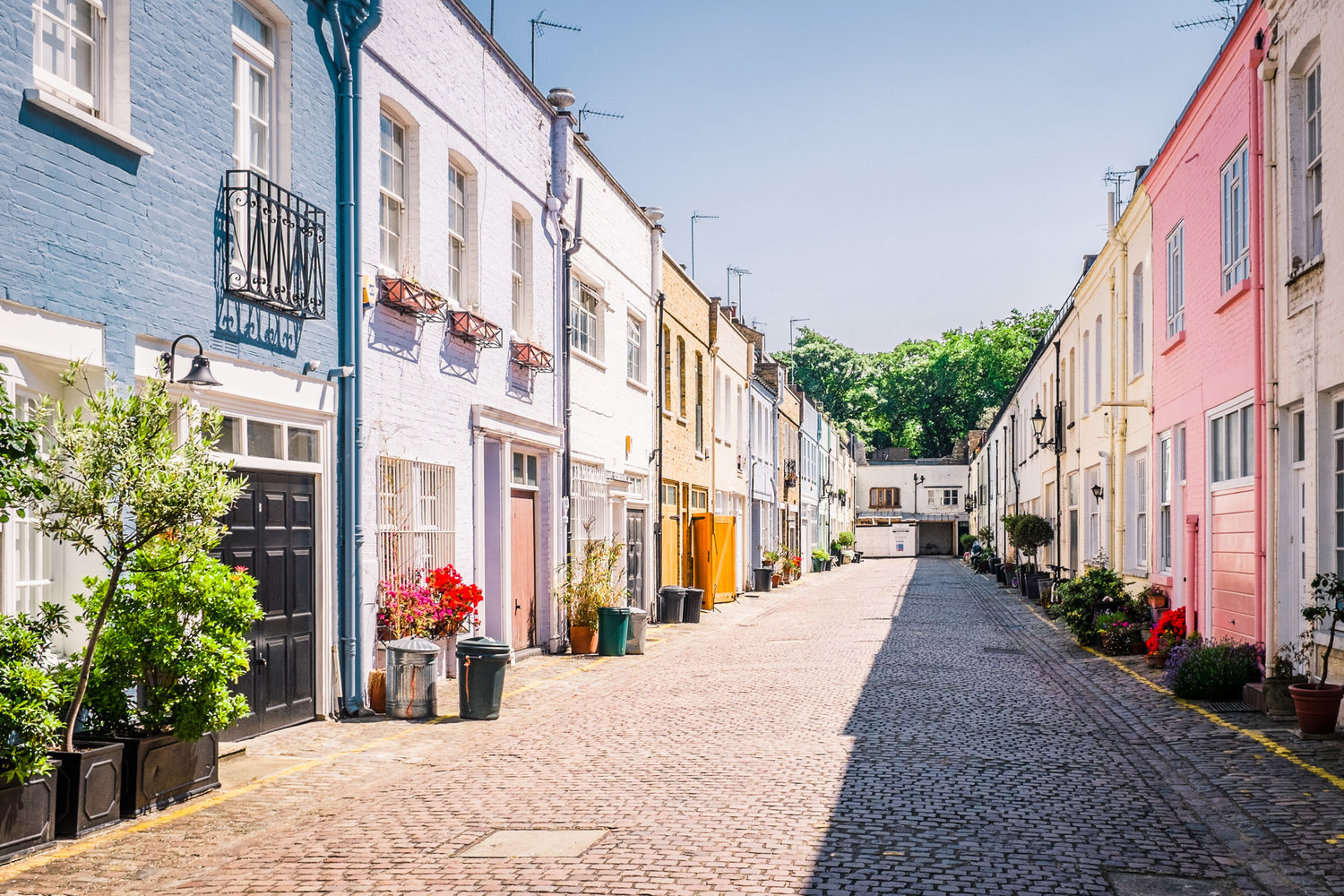
Moving to Battersea places you in one of south London's most vibrant and sought-after neighbourhoods. Once an industrial heartland along the Thames, this SW11 district has transformed into a residential hotspot that seamlessly blends Victorian elegance with contemporary riverside living. From the sweeping green expanses of Battersea Park to the regenerated Power Station development, the area offers an exceptional quality of life for families, professionals and downsizers alike. Whether you're relocating to Battersea from another London borough or moving to the capital for the first time, our team has assembled everything you need to know about making this dynamic corner of Wandsworth your new home.
Understanding Battersea's Property Market
The Battersea property landscape offers remarkable variety, from conversion flats in handsome Victorian mansion blocks to new-build apartments with Thames vistas. According to HM Land Registry Price Paid Data, the area recorded 402 sales with a median price of £700,000, reflecting the neighbourhood's premium positioning within south London.
Flats dominate the market, accounting for 297 transactions with a median of £618,000, making them the most accessible entry point for those moving to Battersea. Terraced houses commanded a median of £967,000 across 81 sales, whilst semi-detached properties reached £1,400,000—testament to the scarcity and desirability of family homes with gardens in this established postcode.
Our [property for sale in Battersea](/property-for-sale/battersea) portfolio spans the full spectrum, from studio conversions near Battersea Rise to substantial family houses along the quieter residential streets between Battersea Park Road and Lavender Hill. We've observed particularly strong demand for properties with outdoor space and period features, especially amongst buyers relocating from central London postcodes seeking better value without sacrificing connectivity.
For renters, ONS data shows studios ranging from £1,100 to £1,725 per calendar month, whilst one-bedroom flats command £1,450 to £2,275. Two-bedroom properties—the most sought-after rental configuration in Battersea—range from £1,975 to £3,100, with three-bedroom homes reaching £2,650 to £4,125. Families requiring four or five-bedroom houses should budget £3,525 to £7,225 monthly.
Transport and the Battersea Commute
The Battersea commute ranks amongst the neighbourhood's strongest selling points, with exceptional connectivity to the City, West End and Canary Wharf. The Northern Line extension, which opened Battersea Power Station and Nine Elms stations in 2021, revolutionised transport links, delivering Zone 1 in under fifteen minutes—a transformation that has accelerated the area's evolution.
Clapham Junction remains Britain's busiest railway station and serves as Battersea's traditional transport hub, offering direct services to Victoria (four minutes), Waterloo (eight minutes), London Bridge and destinations across the south-east. Battersea Park station on the Brighton main line provides another excellent rail option, whilst Queenstown Road serves the South Western Railway network.
For those cycling or driving, the Thames Path offers a scenic route eastward, whilst the A3 provides swift access to central London and the M25. Multiple bus routes traverse Battersea Park Road, Battersea Rise and surrounding thoroughfares, connecting residents to neighbouring Clapham, Chelsea, Wandsworth and beyond. This multi-modal connectivity explains why professionals and families continue relocating to Battersea despite premium property values.
Schools, Parks and Family Life
Battersea's educational provision attracts families from across London, with outstanding state and independent options within walking distance. Honeywell Infant and Junior Schools enjoy exceptional reputations, whilst Belleville Primary's three-site federation serves the wider Wandsworth community. Secondary options include Ark Bolingbroke Academy and numerous schools in neighbouring boroughs, supplemented by prestigious independents such as Newton Prep and Thomas's Battersea.
Battersea Park itself defines the neighbourhood's character—200 acres of Victorian parkland featuring formal gardens, a boating lake, children's zoo, athletics track and the iconic Peace Pagoda. The park hosts regular events, weekend markets and provides year-round recreational space that rivals anything in central London. Battersea Park Road borders this green oasis, lined with cafés, boutiques and restaurants that cater to the post-parkrun crowd.
Playgrounds dot the residential streets, whilst the riverside walkway encourages outdoor activity. We've found that families relocating to Battersea frequently cite the combination of green space, school quality and village atmosphere as decisive factors—elements that justify the premium prices reflected in our [house prices for Battersea](/house-prices/battersea) analysis.
Talk to Seymont
What's your home worth?
A considered view on price, timing and how to bring your London home to market — a personal reply within 24 hours.
Your property
Step 1 of 2Dining, Shopping and Battersea's Social Scene
The restaurant scene in Battersea has flourished alongside the area's residential renaissance. Battersea Rise functions as the neighbourhood's culinary corridor, hosting everything from neighbourhood bistros to international cuisine. Establishment favourites include Honest Burgers, Deli & Grocery for Italian provisions, and Gail's Bakery for artisan loaves and morning coffee.
Northcote Road—technically in neighbouring Clapham but firmly within the Battersea lifestyle orbit—offers one of London's finest concentrations of independent shops, delis, butchers and weekend food markets. The street's villagey character, complete with florists, wine merchants and homeware boutiques, creates a retail experience that feels distinctly un-metropolitan despite SW11's proximity to central London.
Restaurants in Battersea span every price point and cuisine, from casual Thai and Vietnamese eateries to upscale gastropubs along the riverside. The regenerated Battersea Power Station complex has introduced Arcade Food Hall and various restaurant brands, whilst Circus West Village at Battersea and Nine Elms estates contributes additional dining and entertainment options. The social infrastructure supports the neighbourhood's appeal to young professionals and established families alike.
Battersea Reach on Juniper Drive represents the area's luxury residential offering, with riverside apartments and penthouses attracting buyers seeking contemporary specification with immediate Thames access. This development exemplifies how London Battersea has evolved from industrial heritage to premium residential destination.
Council Tax, Costs and Practical Considerations
Battersea falls within Wandsworth Borough Council's jurisdiction, which maintains London's lowest council tax rates—a significant financial advantage for residents. A Band D property incurs substantially less than equivalent properties in neighbouring boroughs, making the Battersea council tax burden remarkably light compared to most London postcodes. This cost saving partially offsets higher property prices and should feature in any financial comparison when moving to Battersea.
Beyond council tax, residents should budget for service charges (particularly in mansion blocks and new developments), buildings insurance, and utilities. The neighbourhood's excellent transport links reduce car dependency, though parking permits are required for on-street parking in controlled zones. Many period conversions lack dedicated parking, whilst newer schemes typically include allocated spaces or underground garages.
Our team at our [estate agents in Battersea](/estate-agents/battersea) office regularly advises clients on the total cost of ownership versus renting. For landlords, the area's strong rental demand, proximity to international companies relocating staff to London, and transport connectivity support healthy yields, though purchasers should factor in mortgage costs, maintenance and letting fees when evaluating investment potential.
For those considering [letting your property in Battersea](/let-your-property/battersea), the combination of young professionals, families and corporate tenants creates consistent demand across all property types, from studio flats to substantial houses.
Why Our Team Recommends Battersea
We've observed Battersea's trajectory over many market cycles, and the neighbourhood's fundamentals remain exceptionally strong. The combination of transport infrastructure, green space, educational provision and vibrant high streets creates a lifestyle proposition that few London postcodes can match. The Northern Line extension has cemented Battersea's position as a genuinely central location rather than a south London compromise.
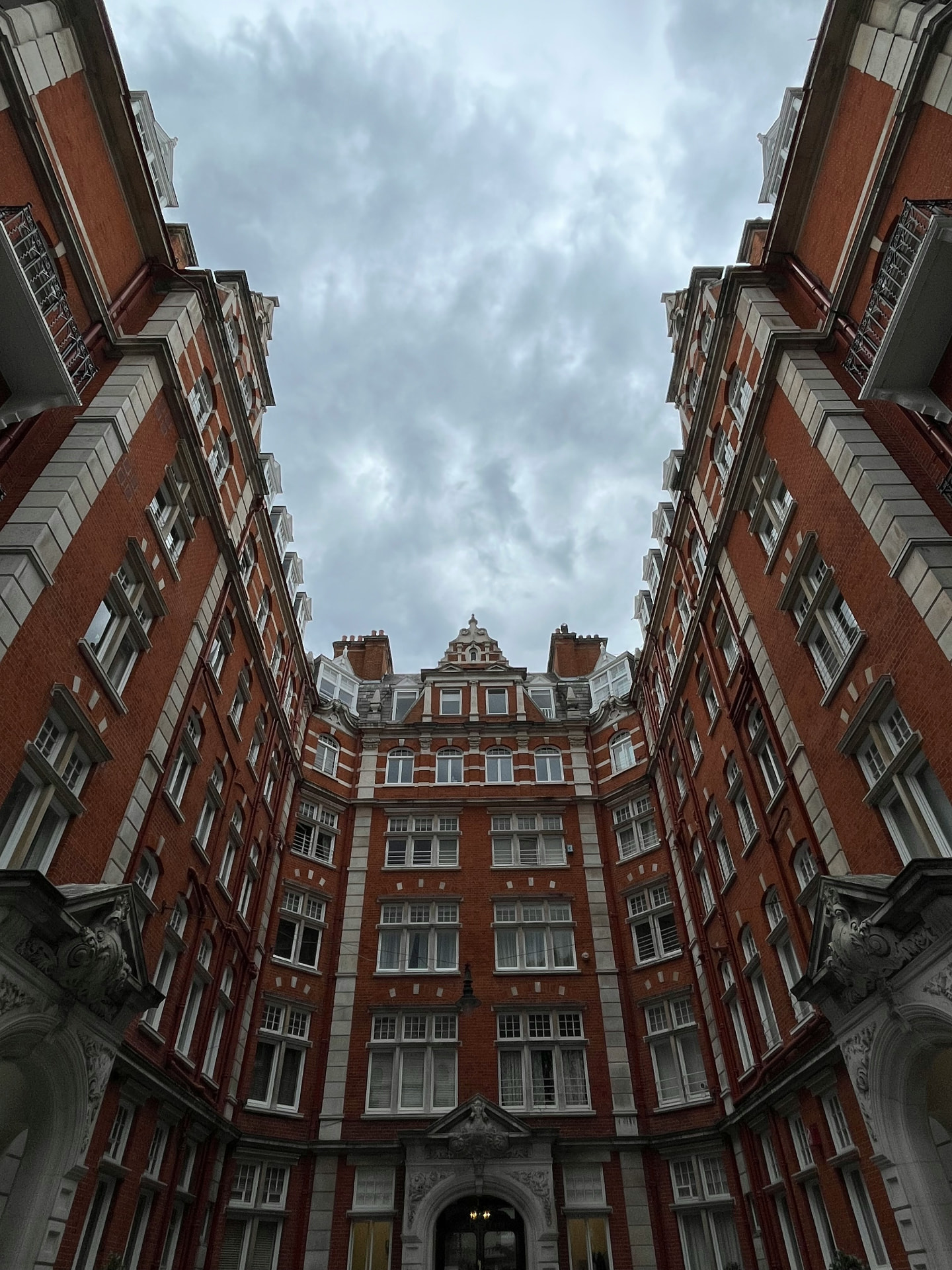
The architectural character—elegant Victorian terraces, converted mansion blocks, and thoughtfully designed contemporary schemes—offers something for every aesthetic preference. Whether you're drawn to the bustling energy around Battersea Rise, the riverside tranquillity near Battersea Road, or the family-friendly streets between the park and Clapham Common, the SW11 postcode delivers variety within a cohesive community.
Property values reflect this desirability, yet compared to equivalent Chelsea or Kensington postcodes across the river, Battersea continues to offer relative value. The area attracts buyers and renters who prioritise substance over postcode snobbery—those who recognise that quality of life extends beyond a SW1 address. For families, the equation proves particularly compelling: outstanding schools, parkland, community spirit and excellent transport, all within a neighbourhood that retains distinct character.
Relocating to Battersea represents an investment in lifestyle as much as property. The transformation from industrial past to residential present is complete, yet the neighbourhood has retained authenticity that newer developments elsewhere often lack. We continue to see strong demand from discerning buyers and tenants who understand what makes this corner of London special.
Talk to Seymont
What's your home worth?
A considered view on price, timing and how to bring your London home to market — a personal reply within 24 hours.
Your property
Step 1 of 2About the author
Nina CastellanoInvestment Property Advisor
Nina advises landlords and investors on rental yields, tenant demand and portfolio structure across Greater London, after running lettings and management at Bellhouse Property Partners. She has overseen single units and multi-property portfolios, and works through compliance, void periods and running costs before a purchase is agreed. Her articles deal with the numbers behind a buy-to-let rather than the headline gross yield.
Lettings and portfolio management · 9 years in London rentals
- Buy-to-let
- Rental yields
- Portfolio strategy
- Landlord compliance
Frequently asked
- Is Battersea a good area to live in London?
- Battersea ranks amongst south London's most desirable neighbourhoods, combining excellent transport links, outstanding green space in Battersea Park, strong schools, and vibrant high streets. The Northern Line extension has enhanced connectivity to Zone 1, whilst Wandsworth's low council tax rates provide financial advantages. The area attracts families, professionals and downsizers seeking quality of life without sacrificing urban convenience.
- How much does it cost to buy or rent in Battersea?
- According to HM Land Registry data, the median sale price in Battersea is £700,000, with flats at £618,000 and terraced houses at £967,000. For rentals, ONS figures show studios from £1,100–£1,725 per month, one-bedroom flats £1,450–£2,275, two-bedroom properties £1,975–£3,100, and three-bedroom homes £2,650–£4,125. Prices reflect the area's premium positioning and excellent amenities.
- How long is the commute from Battersea to central London?
- The Battersea commute is exceptionally swift, with the Northern Line reaching the West End in under fifteen minutes from Battersea Power Station station. Clapham Junction offers four-minute services to Victoria and eight minutes to Waterloo, whilst Battersea Park station connects to London Bridge and Brighton. Multiple transport options make Battersea one of south London's best-connected neighbourhoods for professionals working in Zone 1.
- What is Battersea council tax, and which borough covers the area?
- Battersea sits within Wandsworth Borough Council, which levies London's lowest council tax rates. This represents a significant cost saving compared to neighbouring boroughs and partially offsets higher property prices. The favourable Battersea council tax burden makes the area financially attractive for both homeowners and landlords when calculating total housing costs.
- What are the best streets and areas within Battersea?
- Battersea Rise offers vibrant village atmosphere with excellent restaurants and shops, whilst streets near Battersea Park Road provide easy access to green space and riverside walks. The roads between the park and Lavender Hill are popular with families seeking period houses, whilst Battersea Power Station and riverside developments like Battersea Reach on Juniper Drive attract buyers wanting contemporary specification. Each pocket offers distinct character whilst sharing excellent transport and amenity access.