Journal
Battersea House Prices in 2026
Written by Thomas Lindqvist · Mortgage & Financing Specialist
Published 26 April 2026 · Updated 15 May 2026 · 5 min read
The short answer
As one of south London's most transformative neighbourhoods, Battersea continues to capture the imagination of discerning buyers in 2026. Our team has witnessed remarkable evolution in this riverside district, where elegant Victorian streets meet contemporary riverside developments.
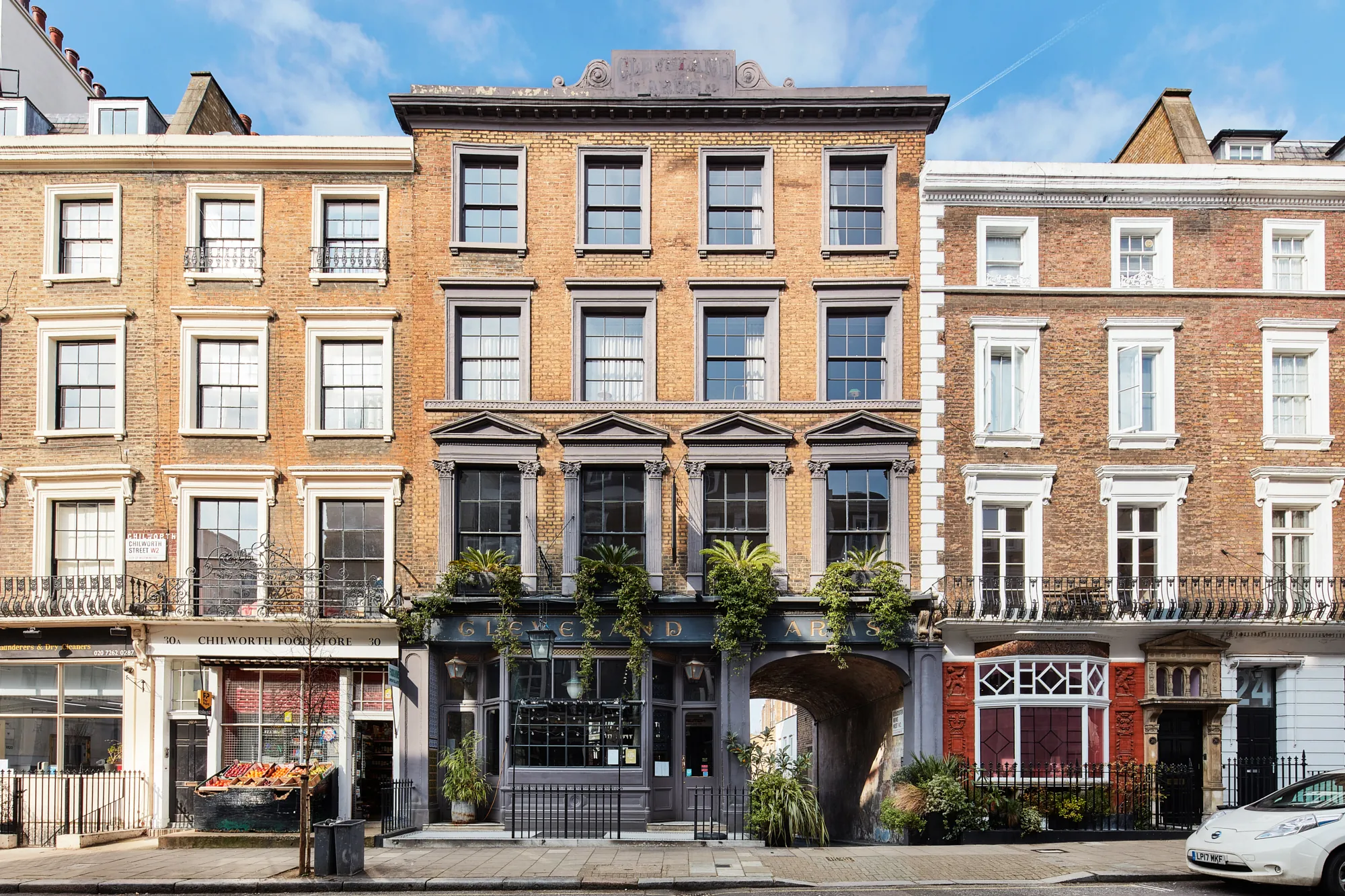
As one of south London's most transformative neighbourhoods, Battersea continues to capture the imagination of discerning buyers in 2026. Our team has witnessed remarkable evolution in this riverside district, where elegant Victorian streets meet contemporary riverside developments. Understanding Battersea house prices requires insight into a market that balances heritage charm with modern regeneration, attracting everyone from first-time buyers to established families seeking excellent schools and green spaces. According to HM Land Registry data, the median sale price across Battersea stands at £700,000, based on 402 recorded transactions, reflecting the area's enduring appeal and diverse property stock.
Current Average House Price in Battersea
The average house price Battersea reflects a nuanced market where property type significantly influences value. HM Land Registry figures reveal that flats dominate transaction volume, accounting for 297 of the 402 sales recorded, with a median price of £618,000. This represents the accessible entry point for many buyers drawn to Battersea's riverside lifestyle and excellent transport connectivity.
Terraced properties command a premium, with a median price of £967,000 across 81 transactions. These characterful Victorian and Edwardian homes, particularly those near Battersea Rise and along the quieter residential streets between Clapham Junction and Battersea Park, remain highly sought after by families prioritising period features and outdoor space. Semi-detached homes represent the upper echelon of the market, with a median of £1,400,000 based on 11 sales, often featuring substantial gardens and period grandeur.
The price range demonstrates Battersea's accessibility and aspiration in equal measure. Flats sold from £115,000 to £4,109,000, whilst terraced homes ranged from £275,000 to £2,700,000. This breadth explains why Battersea London attracts such diverse buyer profiles, from young professionals seeking studio apartments to established families investing in substantial family homes. Our team at <a href="/estate-agents/battersea">Seymont's Battersea office</a> helps clients navigate this spectrum with local expertise.
Battersea Property Prices by Location
Location within Battersea profoundly influences Battersea property prices, with distinct micro-markets offering different appeals. The riverside developments along Battersea Reach and Juniper Drive London command premium prices for their Thames views, concierge services and modern specifications. These contemporary apartments attract international buyers and downsizers seeking lock-and-leave convenience without sacrificing space or amenity.
Battersea Park Road forms the central spine of the area, offering a mix of converted mansion flats and purpose-built blocks within walking distance of the park itself. Properties here balance period character with proximity to Zone 2 transport links, making them particularly attractive to professionals working in central London. The verdant 200 acres of Battersea Park itself adds immeasurable value to surrounding streets, with homes overlooking the park commanding notable premiums.
Battersea Rise, running south towards Clapham Common, represents family-focused Battersea at its finest. The concentration of independent shops, restaurants in Battersea, and outstanding primary schools makes this one of the area's most competitive micro-markets. Victorian terraces with original features, modern kitchens and landscaped gardens regularly attract multiple offers. Further west, the streets around Clapham Junction station offer more competitive pricing whilst maintaining excellent transport links—the station serves over 2,000 trains daily, making it Britain's busiest interchange.
The ongoing transformation around Battersea and Nine Elms estates continues to reshape the northern reaches of the area. The extension of the Northern Line to Battersea Power Station has cemented this district's connectivity, with new restaurants in Battersea and cultural venues enhancing the lifestyle offering. Browse our current <a href="/property-for-sale/battersea">Battersea properties for sale</a> to explore these distinct neighbourhoods.
Battersea Sold Prices and Market Trends
Analysing Battersea sold prices reveals a resilient market characterised by steady demand across property types. The 402 transactions recorded by HM Land Registry demonstrate sustained activity, with buyers attracted by Battersea's combination of transport infrastructure, green spaces, and evolving amenity landscape. The area appeals equally to those searching for a house for sale near me and investors seeking rental yields in an established yet dynamic location.
Flat transactions dominate the market, reflecting both the riverside developments and the wealth of converted Victorian buildings throughout the area. The £618,000 median for flats positions Battersea competitively against neighbouring districts, offering relative value compared to areas north of the river whilst maintaining excellent access to the City, West End and Canary Wharf. The maximum flat price of £4,109,000 demonstrates that premium penthouses and lateral apartments command prices comparable to prime central London.
The terraced house market, with its £967,000 median, reflects intense competition for family homes. Victorian houses with three to four bedrooms, particularly those retaining original features such as sash windows, cornicing and fireplaces, consistently achieve strong prices. Streets near outstanding primary schools see particularly competitive bidding, with properties often selling above asking price when they combine period character with modern bathrooms and kitchens opening onto landscaped gardens.
For comprehensive analysis of how your property fits within these trends, explore our detailed <a href="/house-prices/battersea">Battersea house price data</a> and market insights.
Talk to Seymont
What's your home worth?
A considered view on price, timing and how to bring your London home to market — a personal reply within 24 hours.
Your property
Step 1 of 2Rental Market and Investment Perspective
The rental market provides crucial context for understanding Battersea's investment appeal. ONS data reveals monthly rental ranges from £1,100–£1,725 for studios through to £4,625–£7,225 for five-bedroom properties. One-bedroom flats typically command £1,450–£2,275 per month, whilst two-bedroom apartments range from £1,975–£3,100, reflecting strong demand from professionals working in central London.
Family homes attract premium rents, with three-bedroom properties achieving £2,650–£4,125 monthly and four-bedroom houses commanding £3,525–£5,500. These figures demonstrate the area's appeal to relocating professionals and international families seeking excellent schools, green spaces and cultural amenities. The presence of outstanding primary and secondary schools, combined with Battersea Park's recreational facilities, makes the area particularly attractive to tenants prioritising quality of life.
For landlords considering the market, we offer comprehensive <a href="/let-your-property/battersea">property letting services in Battersea</a>, managing everything from tenant finding to full property management. The combination of stable demand, diverse tenant profiles and strong transport links makes Battersea an attractive proposition for investors seeking both capital growth and rental yield.
The area's restaurant scene has flourished, with restaurant Battersea searches reflecting the growing food culture along Battersea Rise, Northcote Road and the Power Station development. This lifestyle infrastructure enhances residential appeal and supports property values, creating a virtuous cycle of investment and amenity improvement.
What Defines Battersea's Market in 2026
Several factors distinguish Battersea's property market in 2026. Transport connectivity remains paramount—the Northern Line extension has fundamentally changed the area's accessibility, whilst Clapham Junction continues to offer unparalleled National Rail connections. This combination of Underground and overground services positions Battersea uniquely for commuters, with the City, West End and South West all within easy reach.
The architectural diversity sets Battersea apart from many London neighbourhoods. Grand Victorian terraces sit alongside converted industrial buildings, purpose-built mansion blocks and contemporary riverside developments. This variety ensures that whether buyers seek a Victorian house with period features or a modern flat with concierge services, Battersea delivers. The area attracts both those searching for house for sale options with character and those preferring new-build specifications.
Green space provision exceeds most Inner London locations. Battersea Park's 200 acres offer boating lakes, a children's zoo, sporting facilities and landscaped gardens, whilst Clapham Common sits just beyond the southern boundary. For families, this outdoor space—combined with outstanding schools—creates an urban village atmosphere rare in Zone 2.
The cultural and leisure evolution continues apace. The Battersea Power Station development has introduced new restaurants, shops, and entertainment venues, whilst Battersea Arts Centre maintains its reputation for innovative theatre. Independent businesses along Battersea Rise and Northcote Road provide neighbourhood character, creating a community feel that enhances residential desirability. This combination of heritage, regeneration and community defines Battersea's enduring market strength.
Talk to Seymont
What's your home worth?
A considered view on price, timing and how to bring your London home to market — a personal reply within 24 hours.
Your property
Step 1 of 2About the author
Thomas LindqvistMortgage & Financing Specialist
Thomas advised buyers for a decade at Ashgrove Financial, an independent brokerage, on borrowing capacity, product selection and the full cost of a purchase, including stamp duty, legal fees and lender charges. He follows rate decisions and lender criteria changes and translates them into what a household can realistically afford. His guides cover affordability, remortgaging and the closing costs that buyers routinely underestimate.
CeMAP qualified · Whole-of-market mortgage advice background
- Mortgages
- Affordability
- Closing costs
- Remortgaging
Frequently asked
- What is the average house price in Battersea in 2026?
- According to HM Land Registry data, the median house price in Battersea is £700,000 based on 402 recorded sales. Flats have a median price of £618,000, terraced homes £967,000, and semi-detached properties £1,400,000. The wide range reflects Battersea's diverse housing stock, from converted flats to substantial family homes.
- Which areas of Battersea offer the best value?
- The streets around Clapham Junction station typically offer more competitive pricing whilst maintaining excellent transport links. Properties further from the riverside and Battersea Park also tend to be more affordable. We recommend exploring streets between Lavender Hill and the railway lines, where Victorian conversions and purpose-built blocks provide good value compared to premium locations like Battersea Park Road or riverside developments.
- How have transport improvements affected Battersea house prices?
- The Northern Line extension to Battersea Power Station has significantly enhanced the area's appeal, particularly for riverside and northern Battersea properties. Combined with Clapham Junction's extensive National Rail services, Battersea now offers some of London's best connectivity. This infrastructure has supported property values and attracted buyers who previously focused on areas north of the Thames.
- Is Battersea a good area for families?
- Battersea is excellent for families, offering outstanding primary and secondary schools, Battersea Park's 200 acres of green space, and a strong community atmosphere. Streets around Battersea Rise and between the park and Clapham Common are particularly family-focused, with independent shops, cafes and children's activities. The combination of Victorian family homes, good schools and outdoor space makes Battersea one of south London's most sought-after family locations.
- What rental yields can landlords expect in Battersea?
- Rental demand in Battersea remains strong across all property types. ONS data shows one-bedroom flats achieving £1,450–£2,275 monthly, two-bedroom properties £1,975–£3,100, and three-bedroom homes £2,650–£4,125. The combination of professional tenants, families seeking school catchments, and international relocations creates diverse, stable demand. Yields vary by property type and location, but Battersea's transport links and amenities support consistent rental performance.