Journal
Battersea Area Guide
Written by Thomas Lindqvist · Mortgage & Financing Specialist
Published 23 December 2025 · Updated 13 June 2026 · 7 min read
The short answer
Battersea has emerged as one of south London's most dynamic neighbourhoods, seamlessly blending Victorian elegance with contemporary riverside living. Our Battersea area guide explores why this vibrant district continues to attract discerning buyers and renters seeking the perfect balance between urban convenience and village-like charm.
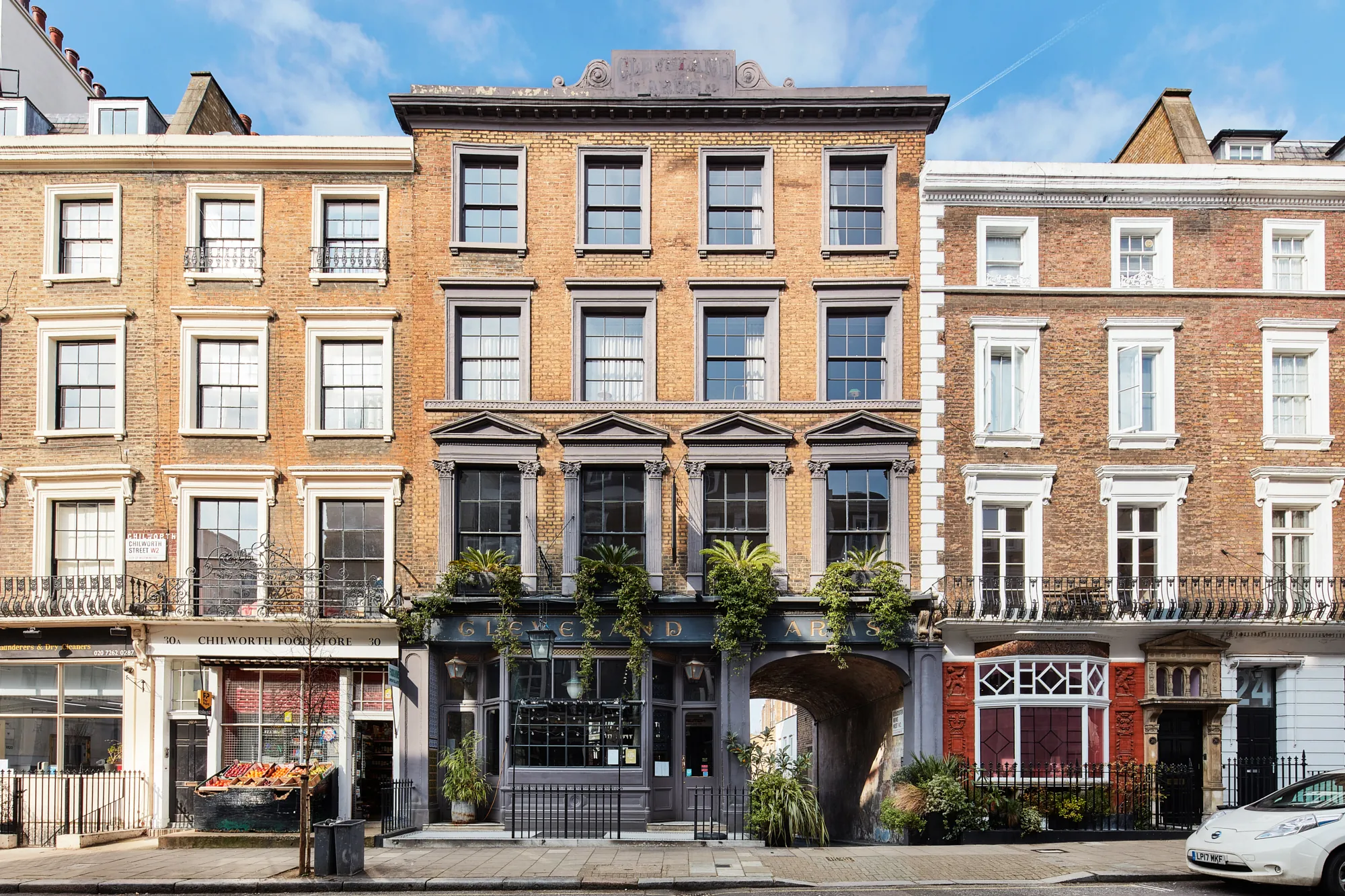
Battersea has emerged as one of south London's most dynamic neighbourhoods, seamlessly blending Victorian elegance with contemporary riverside living. Our Battersea area guide explores why this vibrant district continues to attract discerning buyers and renters seeking the perfect balance between urban convenience and village-like charm. From the iconic Battersea Power Station redevelopment to the leafy expanse of Battersea Park, this Thames-side enclave offers an exceptional quality of life just moments from central London.
Understanding Battersea Property
The Battersea property market demonstrates remarkable diversity, catering to a broad spectrum of requirements and budgets. According to HM Land Registry Price Paid Data, the median property price stands at £700,000 based on 402 recent sales, reflecting the area's enduring appeal across different buyer profiles.
Flats dominate the landscape, accounting for 297 transactions with a median price of £618,000, ranging from £115,000 to £4,109,000. This wide spectrum encompasses everything from studio apartments in converted period buildings to luxury penthouses with river views. Terraced houses command a median of £967,000 across 81 sales, whilst semi-detached properties reach £1,400,000, with transactions spanning £575,000 to £2,400,000.
For those exploring rental opportunities, ONS data reveals studio apartments range from £1,100 to £1,725 monthly, whilst one-bedroom properties command £1,450 to £2,275. Families seeking three-bedroom homes should anticipate £2,650 to £4,125 per month, with premium five-bedroom properties reaching £4,625 to £7,225. Our team at [Seymont London](/estate-agents/battersea) observes consistent demand across all property types, particularly for homes offering outdoor space or proximity to the park.
Battersea streets showcase architectural heritage spanning Georgian squares, Victorian terraces and Edwardian mansion blocks, complemented by striking contemporary developments along the riverfront. This architectural variety ensures the neighbourhood appeals to both traditionalists and modernists alike.
Battersea's Distinct Neighbourhoods
Battersea comprises several distinct micro-communities, each offering its own character and appeal. Battersea Park Road forms the neighbourhood's commercial spine, lined with independent boutiques, cafés and essential amenities. The thoroughfare connects Sloane Square to Clapham Junction, making it both a transport corridor and a vibrant high street where community life flourishes throughout the day.
Battersea Rise represents the area's village heart, particularly around Northcote Road, where the twice-weekly market has traded since the 1890s. This enclave attracts young families and professionals who appreciate the neighbourhood atmosphere, excellent schools and thriving café culture. The streets radiating from this hub feature some of Battersea's most coveted Victorian terraces, many meticulously restored to showcase original features.
The riverside quarter has transformed dramatically in recent years, with the Battersea Power Station development creating an entirely new district. Battersea Reach and developments along Juniper Drive exemplify the modern interpretation of Thames-side living, offering residents waterfront promenades, contemporary architecture and direct access to riverside walking routes. The Battersea and Nine Elms estates collectively represent one of London's most ambitious regeneration projects, fundamentally reshaping the area's skyline and amenities.
South of the railway tracks, the quieter residential streets between Battersea Park and Clapham Common provide a more tranquil setting whilst maintaining excellent connectivity. These neighbourhoods attract those seeking slightly more affordable entry points to the Battersea property market without sacrificing access to its celebrated lifestyle.
Dining and Entertainment in Battersea
The restaurant scene in Battersea has flourished remarkably, establishing the area as a genuine dining destination beyond its residential appeal. Battersea Power Station alone has introduced over 40 restaurants and bars, from Michelin-recognised establishments to casual eateries representing global cuisines. This concentration of quality dining options has fundamentally altered the neighbourhood's evening economy.
Restaurants in Battersea extend well beyond the Power Station development, however. Northcote Road boasts an impressive array of independent establishments, from modern British gastropubs to Italian trattorias and contemporary Asian fusion venues. The strip has cultivated a reputation for quality casual dining that draws visitors from across south London, particularly at weekends when the neighbourhood buzzes with activity.
Battersea Rise and the streets surrounding it offer further culinary diversity, with neighbourhood favourites serving everything from artisan coffee to sophisticated evening dining. We've observed how the restaurant landscape continually evolves, with new openings maintaining high standards and innovative concepts. Many establishments emphasise locally sourced ingredients and sustainable practices, reflecting the values of Battersea's environmentally conscious residents.
Beyond restaurants, Battersea offers cultural attractions including the Battersea Arts Centre, a pioneering theatre and performance space housed in the magnificent former town hall. The venue's adventurous programming attracts audiences nationwide, whilst simultaneously serving as a community hub for local residents. Battersea Park itself hosts festivals, outdoor cinema screenings and sporting events throughout the year, creating a year-round calendar of entertainment.
Talk to Seymont
What's your home worth?
A considered view on price, timing and how to bring your London home to market — a personal reply within 24 hours.
Your property
Step 1 of 2Transport Connections and Accessibility
Battersea's transport infrastructure has improved dramatically, transforming what was once considered south London's relative inaccessibility. The Northern Line extension, which opened stations at Battersea Power Station and Nine Elms, represents the most significant enhancement, placing the West End within 15 minutes and the City within 20 minutes.
Clapham Junction remains Battersea's principal railway hub, offering services to Victoria, Waterloo and beyond, making it Britain's busiest railway station by train movements. The station's exceptional connectivity supports both commuting patterns and weekend exploration, with direct services to Gatwick Airport, Brighton and Surrey. For residents living near Battersea Park Road or Battersea Rise, Clapham Junction provides unparalleled flexibility.
Numerous bus routes traverse Battersea, connecting residents to surrounding neighbourhoods and central London. The riverbus service from Battersea Power Station Pier offers an alternative Thames-crossing option, particularly appealing during summer months. For cyclists, dedicated routes through Battersea Park and along the riverside provide safe, scenic commuting alternatives, whilst the area's relative flatness makes cycling practical year-round.
Road connections via Battersea Bridge, Albert Bridge and Chelsea Bridge facilitate vehicle access to west and central London, though many residents find public transport more practical for daily commuting. The accessibility improvements have undoubtedly contributed to increased demand for [property for sale in Battersea](/property-for-sale/battersea), with buyers recognising the strategic advantages of the location.
Living in Battersea: Lifestyle and Amenities
Battersea Park stands as the neighbourhood's defining green space, offering 200 acres of landscaped gardens, sporting facilities and wildlife areas. The park provides a remarkable urban retreat, with residents enjoying morning runs around the perimeter, weekend picnics and children's activities at the adventure playground. The Buddhist Peace Pagoda, boating lake and sub-tropical gardens create distinct zones within this expansive greenery, each offering different atmospheres and uses.
Educational provision represents a significant consideration for families exploring the Battersea guide, with numerous outstanding state and independent schools serving the area. Honeywell, Belleville and Falconbrook primary schools consistently achieve strong results, whilst proximity to secondary schools in Wandsworth and beyond provides options as children progress. The area's family-friendly reputation stems partly from this educational infrastructure alongside safe streets and community facilities.
Shopping in Battersea extends from the independent retailers along Northcote Road to the major brands within Battersea Power Station and nearby Clapham Junction. The Saturday market on Northcote Road remains an institution, offering fresh produce, artisan goods and street food. For comprehensive shopping expeditions, Westfield London and central London destinations remain readily accessible.
Our team regularly encounters buyers drawn to Battersea's community spirit, which manifests through resident associations, parkrun groups, farmers' markets and neighbourhood events. This sense of belonging, combined with excellent amenities and attractive housing stock, explains why many who initially [rent in Battersea](/let-your-property/battersea) subsequently choose to purchase, establishing long-term roots in the neighbourhood. The combination of urban sophistication and genuine community creates an environment where residents truly invest in local life.
Investment Perspective and Market Outlook
From an investment standpoint, Battersea presents compelling fundamentals that extend beyond immediate market conditions. The transformative infrastructure improvements, particularly the Northern Line extension and the ongoing Battersea Power Station development, have repositioned the area within London's property hierarchy. We observe sustained interest from both domestic and international buyers recognising the area's long-term trajectory.
The diversity of Battersea property types enables investors to pursue various strategies, from buy-to-let apartments targeting young professionals to family houses appealing to corporate relocations. Rental yields remain competitive given central proximity, whilst capital appreciation potential reflects ongoing regeneration and accessibility improvements. The HM Land Registry data indicating sales from £115,000 to £4,109,000 demonstrates market depth across price points.
Battersea and Nine Elms estates collectively represent billions in development investment, fundamentally expanding the neighbourhood's residential capacity whilst introducing commercial, retail and leisure facilities. This mixed-use approach creates a more complete urban environment, reducing reliance on neighbouring areas and enhancing self-sufficiency. The phased nature of development ensures continued evolution over coming years, likely supporting sustained price performance.
Those seeking detailed [house price analysis for Battersea](/house-prices/battersea) will find a market characterised by relative stability compared to some London submarkets, with fundamentals supporting values across economic cycles. Our perspective emphasises Battersea's maturation from emerging neighbourhood to established destination, a transition reflected in buyer demographics, development quality and community infrastructure. The area's proven ability to attract diverse residents whilst maintaining distinct character positions it favourably for sustained desirability.
Talk to Seymont
What's your home worth?
A considered view on price, timing and how to bring your London home to market — a personal reply within 24 hours.
Your property
Step 1 of 2About the author
Thomas LindqvistMortgage & Financing Specialist
Thomas advised buyers for a decade at Ashgrove Financial, an independent brokerage, on borrowing capacity, product selection and the full cost of a purchase, including stamp duty, legal fees and lender charges. He follows rate decisions and lender criteria changes and translates them into what a household can realistically afford. His guides cover affordability, remortgaging and the closing costs that buyers routinely underestimate.
CeMAP qualified · Whole-of-market mortgage advice background
- Mortgages
- Affordability
- Closing costs
- Remortgaging
Frequently asked
- Is Battersea a good area to live in London?
- Battersea ranks among south London's most desirable neighbourhoods, offering exceptional connectivity following the Northern Line extension, abundant green space in Battersea Park, diverse dining and shopping along Battersea Park Road and Northcote Road, and strong community atmosphere. The area suits young professionals, families and downsizers equally, with property options ranging from riverside apartments to Victorian terraced houses. Transport improvements have positioned Battersea within 15 minutes of the West End, whilst maintaining a distinct neighbourhood identity separate from central London's intensity.
- What is the average property price in Battersea?
- According to HM Land Registry Price Paid Data, the median property price in Battersea stands at £700,000 based on recent transactions. Flats command a median of £618,000, terraced houses £967,000, and semi-detached properties £1,400,000. The market demonstrates considerable range, with flat sales spanning £115,000 to £4,109,000, reflecting everything from compact studios to luxury penthouses. Rental costs vary from £1,100 monthly for studios to £4,625-£7,225 for five-bedroom properties, according to ONS data.
- How is transport connectivity in Battersea?
- Battersea benefits from excellent transport links, particularly following the Northern Line extension to Battersea Power Station and Nine Elms stations, placing the West End within 15 minutes. Clapham Junction, Britain's busiest station, offers services to Victoria, Waterloo, Gatwick Airport and beyond. Multiple bus routes serve the area, whilst Battersea Bridge, Albert Bridge and Chelsea Bridge provide road connections northward. The riverbus service and extensive cycling routes offer alternative travel options, making car ownership optional for many residents.
- What are the best areas within Battersea?
- Battersea comprises several distinct neighbourhoods, each with particular appeal. Battersea Park Road offers vibrant high-street living with excellent amenities and transport. Battersea Rise and the Northcote Road area attract families seeking village atmosphere, quality schools and independent shops. The riverside developments around Battersea Power Station and Battersea Reach provide contemporary apartments with Thames views. Streets between Battersea Park and Clapham Common offer quieter residential settings whilst maintaining accessibility, often at slightly lower price points than riverside locations.
- Where are the best restaurants in Battersea?
- Battersea's restaurant scene centres on three key areas: Battersea Power Station development houses over 40 establishments from Michelin-recognised venues to casual eateries; Northcote Road offers diverse independent restaurants including gastropubs, Italian, and Asian fusion options; and Battersea Rise features neighbourhood favourites spanning artisan cafés to sophisticated evening dining. The area's culinary landscape continually evolves with new openings maintaining high standards, whilst established venues build loyal local followings. This dining diversity has transformed Battersea into a genuine destination beyond its residential appeal.