Journal
Average Rent in Battersea: A Complete Guide to SW11 Rental Prices
Written by Thomas Lindqvist · Mortgage & Financing Specialist
Published 4 October 2025 · Updated 16 July 2026 · 5 min read
The short answer
Understanding the average rent in Battersea has become essential for both prospective tenants and landlords navigating one of South London's most dynamic property markets. This riverside neighbourhood, stretching from the iconic Power Station development to the leafy expanse of Battersea Park, offers a diverse rental landscape that reflects its transformation from industrial heartland to one of London's most sought-after residential postcodes.
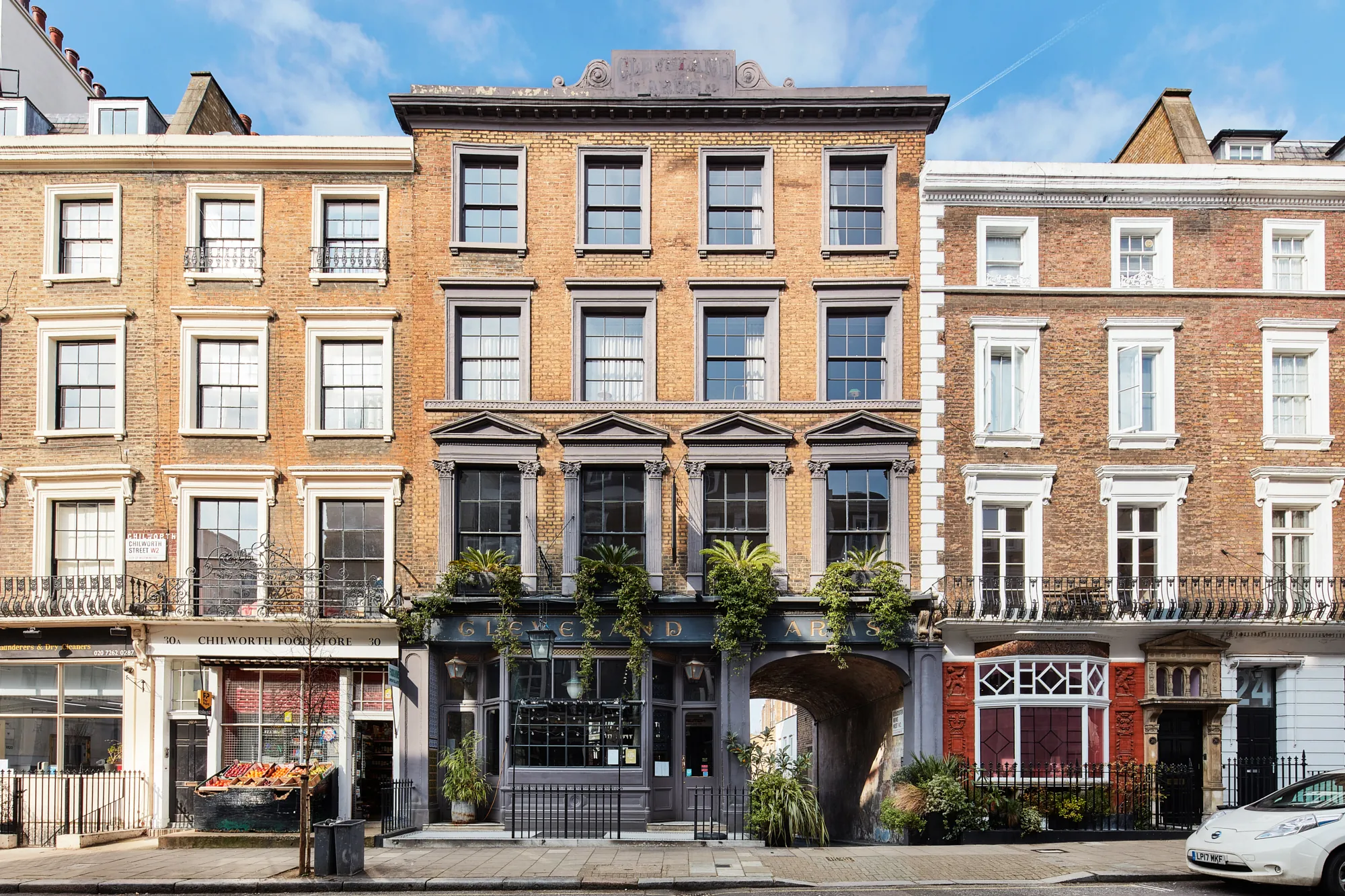
Understanding the average rent in Battersea has become essential for both prospective tenants and landlords navigating one of South London's most dynamic property markets. This riverside neighbourhood, stretching from the iconic Power Station development to the leafy expanse of Battersea Park, offers a diverse rental landscape that reflects its transformation from industrial heartland to one of London's most sought-after residential postcodes. Our team has analysed the latest HM Land Registry and ONS data to provide a comprehensive overview of Battersea rent prices, helping you make informed decisions whether you're searching for a studio overlooking the Thames or considering investment opportunities in this thriving SW11 location.
Current Battersea Rent Prices by Property Size
When considering how much is rent in Battersea, the size and configuration of your property remain the primary determinants of monthly costs. According to the most recent ONS rental data, studio apartments in the area command between £1,100 and £1,725 per calendar month, making them an attractive option for young professionals seeking a foothold in this well-connected neighbourhood.
One-bedroom properties represent the largest segment of Battersea's rental market, with monthly rents ranging from £1,450 to £2,275. These flats are particularly popular along Battersea Park Road and throughout the new developments near Nine Elms, where modern amenities and transport links justify the premium positioning within this bracket.
Family-sized accommodation commands significantly higher rents, reflecting both scarcity and demand. Two-bedroom properties typically range from £1,975 to £3,100 monthly, whilst three-bedroom homes sit between £2,650 and £4,125. For those requiring four bedrooms, expect to budget £3,525 to £5,500, with five-bedroom properties and above commanding £4,625 to £7,225 per calendar month. These larger properties are predominantly found in the Victorian and Edwardian conversions around Battersea Rise and the substantial family homes in the conservation areas between the Commons.
The variation within each category reflects Battersea's diverse architectural landscape, from purpose-built new developments with concierge services to characterful period conversions in the area's established residential streets.
Battersea Rental Yields and Investment Performance
For landlords evaluating Battersea rental yields, the neighbourhood presents compelling opportunities when property prices and rental income are considered together. With a median sales price of £700,000 according to HM Land Registry data from 402 recent transactions, and rental income potential ranging substantially by property type, understanding the yield landscape is crucial for investment decisions.
Flats, which constitute the majority of Battersea's housing stock with 297 sales at a median price of £618,000, offer the most accessible entry point for buy-to-let investors. When paired with typical rental rates for one and two-bedroom apartments, these properties can generate gross yields between 4.5% and 6%, depending on location and specification. Properties within the riverside developments and those closest to Battersea Power Station station tend to achieve rents at the higher end of the spectrum.
Terraced houses, with a median price of £967,000 from 81 transactions, appeal to a different investment profile entirely. These period properties, many located in the desirable streets radiating from Battersea Rise and Northcote Road, attract families willing to pay premium rents for outdoor space and character features. Semi-detached homes commanded the highest median price at £1,400,000 from 11 sales, reflecting their rarity in this predominantly Victorian terrace landscape.
Our team at Seymont London observes that successful landlords in Battersea focus not merely on initial yield but on capital appreciation potential and tenant demand stability. The area's continued regeneration, coupled with its Zone 1 and 2 transport links, supports both objectives effectively.
Location Premium: Rent Variations Across Battersea
Battersea's rental market cannot be understood as a monolith; distinct micro-markets command varying price points based on amenities, transport access, and neighbourhood character. The riverside corridor along Battersea Reach and around the Power Station development represents the premium tier, where modern apartments with Thames views, gymnasiums, and 24-hour concierge services achieve the upper bounds of rental brackets.
The area surrounding Battersea Park Road benefits from its central position between Clapham Junction and Sloane Square, with excellent bus connections and proximity to both the park itself and the restaurants in Battersea that have transformed the neighbourhood's culinary reputation. Properties here typically achieve mid-to-upper bracket rents, particularly those in converted mansion blocks with period features.
Battersea Rise and Northcote Road constitute the area's 'village' heartland, where independent restaurants in Battersea, boutique shops, and the famous Northcote Road market create a distinct community atmosphere. Rental properties in this enclave, particularly family homes with gardens, command premium prices relative to their size due to consistent demand from families prioritising schools and lifestyle amenities.
The southern reaches towards Clapham Common and Wandsworth Common offer marginally more competitive rent levels whilst maintaining excellent green space access and transport links to central London. For tenants seeking value within the SW11 postcode, these neighbourhoods warrant careful consideration.
Talk to Seymont
What's your home worth?
A considered view on price, timing and how to bring your London home to market — a personal reply within 24 hours.
Your property
Step 1 of 2Market Dynamics and Tenant Demographics
Understanding who rents in Battersea illuminates why certain property types and price points perform consistently well. Our team works with a diverse tenant base spanning young professionals in their first post-university home, established couples prioritising space and amenities, and families seeking access to well-regarded state and independent schools in the catchment area.
The influx of creative and technology professionals to the area, many working in Battersea and Nine Elms estates or commuting to the West End and City, sustains demand for one and two-bedroom apartments. These tenants typically seek modern specifications, reliable broadband infrastructure, and proximity to the restaurants and bars that have proliferated throughout London Battersea over recent years.
Family renters, an increasingly significant segment, are drawn by the combination of green spaces—Battersea Park and the two Commons—alongside improving school options and the neighbourhood's established community feel. This demographic drives demand for three and four-bedroom properties, accepting higher monthly commitments in exchange for garden access and proximity to child-friendly amenities.
Corporate relocations and international assignees also constitute a meaningful portion of Battersea's rental market, particularly for higher-specification apartments in managed developments. These tenants value the area's improving transport links, including the Northern Line extension, and its position as a more residential alternative to central London postcodes whilst maintaining Zone 1 accessibility.
Future Rental Market Outlook for SW11
Battersea's rental market trajectory reflects broader transformations still underway across this historic riverside quarter. The completion of the Power Station redevelopment, continued residential construction in the Nine Elms corridor, and enhanced transport infrastructure collectively suggest sustained upward pressure on rental values, particularly for modern, well-specified properties.
We anticipate that the maturation of restaurant Battersea offerings and retail amenities around the new developments will further enhance the area's appeal to the professional demographic, supporting rental demand in the £2,000-£3,500 monthly bracket where competition already proves most intense. The neighbourhood's evolution from pure residential enclave to mixed-use destination strengthens its rental fundamentals.
For landlords considering [letting your property](/let-your-property/battersea) in Battersea, the data suggests focusing on properties that meet contemporary tenant expectations: energy efficiency, modern kitchens and bathrooms, secure cycle storage, and fast broadband. Period conversions that successfully blend character with contemporary specification achieve particular success in attracting and retaining quality tenants at premium rates.
Those exploring [property for sale](/property-for-sale/battersea) with rental investment in mind should conduct detailed yield analysis specific to their target property type, as the £115,000 to £4,109,000 range in flat sales prices alone—according to HM Land Registry data—demonstrates the market's breadth. Our [estate agents in Battersea](/estate-agents/battersea) provide tailored guidance on both purchase decisions and rental strategy to optimise returns in this complex but rewarding market.
Talk to Seymont
What's your home worth?
A considered view on price, timing and how to bring your London home to market — a personal reply within 24 hours.
Your property
Step 1 of 2About the author
Thomas LindqvistMortgage & Financing Specialist
Thomas advised buyers for a decade at Ashgrove Financial, an independent brokerage, on borrowing capacity, product selection and the full cost of a purchase, including stamp duty, legal fees and lender charges. He follows rate decisions and lender criteria changes and translates them into what a household can realistically afford. His guides cover affordability, remortgaging and the closing costs that buyers routinely underestimate.
CeMAP qualified · Whole-of-market mortgage advice background
- Mortgages
- Affordability
- Closing costs
- Remortgaging
Frequently asked
- What is the average rent for a two-bedroom flat in Battersea?
- Two-bedroom properties in Battersea typically rent for between £1,975 and £3,100 per calendar month, according to ONS data. The exact amount depends on factors including property condition, proximity to transport links, whether it's a period conversion or new build, and specific location within SW11. Properties near Battersea Power Station station and riverside developments generally achieve the upper end of this range, whilst those further south towards the commons may be more competitively priced.
- Is Battersea a good area for buy-to-let investment?
- Battersea offers strong buy-to-let fundamentals with diverse tenant demand, improving transport infrastructure including the Northern Line extension, and ongoing regeneration supporting both rental income and capital growth. With a median property price of £700,000 (HM Land Registry) and rental yields typically between 4.5% and 6% depending on property type, the area attracts investors seeking London exposure with more favourable pricing than Zone 1 alternatives. The key to success lies in selecting the right property type for your target tenant demographic and ensuring specifications meet contemporary expectations.
- How do Battersea rent prices compare to neighbouring areas?
- Battersea's rental market generally sits between premium Chelsea and Fulham to the north and more competitively priced Clapham and Wandsworth neighbourhoods. The riverside developments and areas closest to Sloane Square command rents comparable to outer Chelsea postcodes, whilst properties around Clapham Junction and the southern reaches of Battersea offer better value whilst maintaining excellent transport links and amenities. The area's transformation has narrowed the gap with traditionally more expensive neighbours, reflecting improved infrastructure and lifestyle offerings.
- What facilities and amenities make Battersea attractive to renters?
- Battersea's appeal combines 200 acres of parkland in Battersea Park, proximity to Clapham and Wandsworth Commons, an established restaurant and café scene particularly around Northcote Road and Battersea Rise, excellent transport connections via Clapham Junction and the Northern Line extension, and the transformed Power Station development with its shops, dining and entertainment. The area also offers numerous independent schools, improving state school options, and a genuine neighbourhood community atmosphere that distinguishes it from more transient central London locations.
- Are rental prices in Battersea likely to increase?
- Multiple factors suggest continued upward pressure on Battersea rents, including completed transport infrastructure improvements, ongoing regeneration attracting new residents and businesses, limited housing supply relative to demand, and the area's growing reputation as a desirable London neighbourhood. However, rental growth rates depend on broader economic conditions, employment trends particularly in professional sectors, and London-wide rental market dynamics. Historically, well-connected areas undergoing regeneration like Battersea have demonstrated resilient rental performance through market cycles.