Journal
Battersea Property Market Report
Written by Nina Castellano · Investment Property Advisor
Published 26 November 2025 · Updated 27 November 2025 · 6 min read
The short answer
The Battersea property market continues to attract discerning buyers and investors seeking a vibrant riverside location with exceptional transport links and green spaces. Our team has analysed the latest transaction data to provide a comprehensive overview of property values, price trends and rental demand across this dynamic corner of South West London.
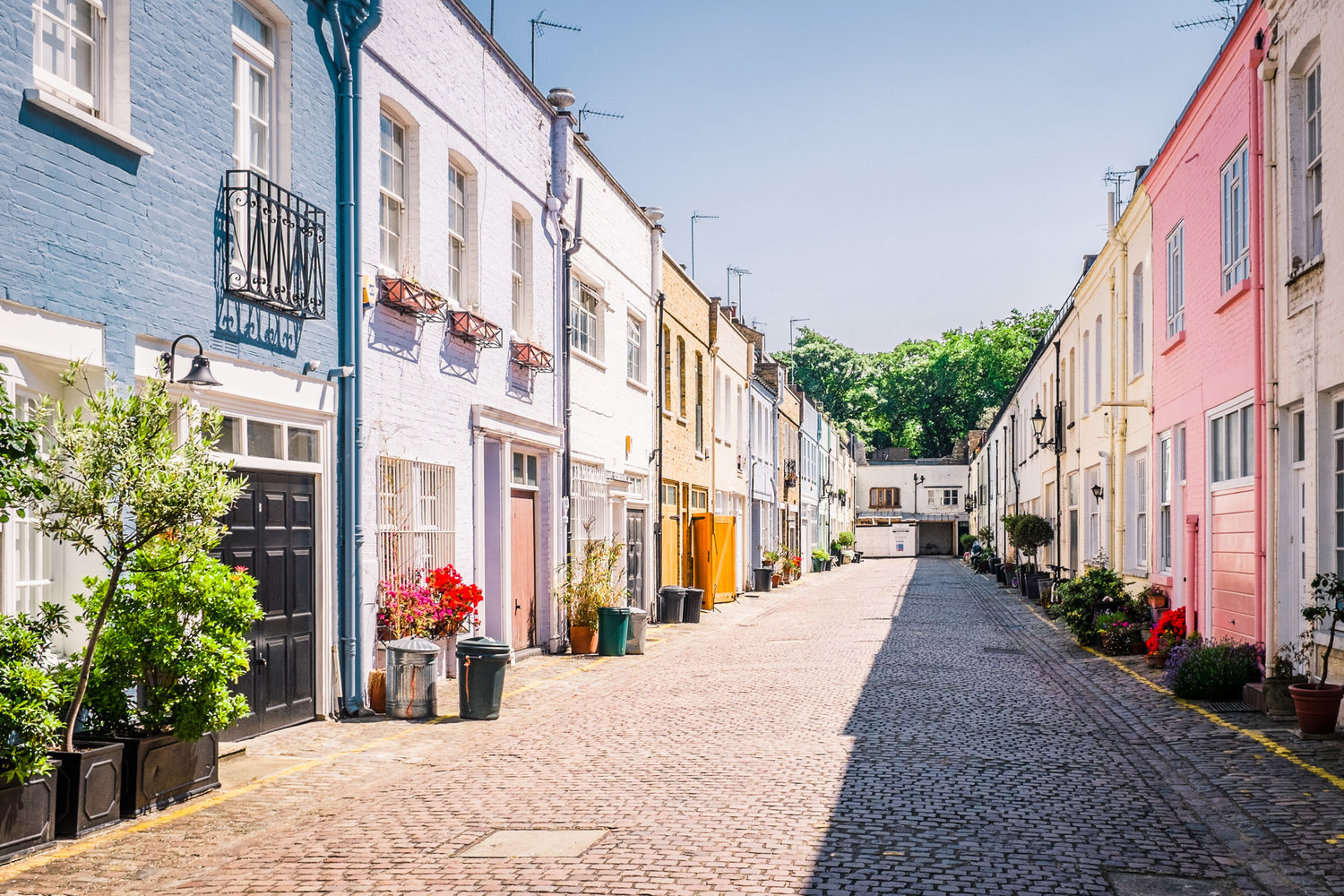
The Battersea property market continues to attract discerning buyers and investors seeking a vibrant riverside location with exceptional transport links and green spaces. Our team has analysed the latest transaction data to provide a comprehensive overview of property values, price trends and rental demand across this dynamic corner of South West London. With 402 recorded sales and a median price of £700,000 according to HM Land Registry data, Battersea demonstrates the breadth of opportunity available to those looking to purchase or invest in one of the capital's most characterful neighbourhoods.
Current Price Trends Across Battersea
The Battersea housing market exhibits a diverse pricing landscape that reflects the area's varied architecture and distinct micro-locations. Flats dominate the market, representing 297 of the 402 total sales, with a median price of £618,000. This substantial volume underscores the neighbourhood's appeal to first-time buyers, young professionals and downsizers seeking modern apartment living within easy reach of central London.
Terraced properties command a median of £967,000 across 81 transactions, with values ranging from £275,000 to £2.7 million. The premium attached to houses reflects their relative scarcity in an area increasingly characterised by riverside developments and conversion schemes. Semi-detached homes occupy the upper tier of the market, achieving a median price of £1.4 million across 11 sales, with the most sought-after properties reaching £2.4 million.
These figures from the HM Land Registry demonstrate the enduring strength of the Battersea price trend, particularly for family homes on the tree-lined streets around Battersea Park and the conservation areas near Battersea Rise. Our team observes consistent demand for properties offering outdoor space, period features and proximity to the area's renowned independent schools and restaurants in Battersea, which continue to enhance the neighbourhood's lifestyle credentials.
For buyers considering whether Battersea is a good investment, the price diversity offers multiple entry points. Whether targeting a studio conversion or a substantial Victorian terrace, the market provides options across the spectrum, supported by the area's ongoing regeneration and transport infrastructure improvements that continue to elevate its desirability.
Rental Market Analysis and Yields
The rental sector in Battersea remains buoyant, underpinned by strong tenant demand from professionals working in central London, Canary Wharf and the burgeoning employment hubs around Nine Elms. According to ONS data, studio apartments command monthly rents between £1,100 and £1,725, whilst one-bedroom flats achieve £1,450 to £2,275 per calendar month.
Two-bedroom properties, the most sought-after configuration for sharers and young couples, generate rental income of £1,975 to £3,100 monthly. Three-bedroom homes appeal to growing families and command £2,650 to £4,125, whilst four-bedroom properties attract £3,525 to £5,500. At the upper end, five-bedroom and larger homes achieve £4,625 to £7,225, typically comprising period houses on the most desirable residential streets.
For landlords evaluating potential returns, these rental values translate into competitive yields, particularly for well-presented flats in developments along Battersea Park Road and the riverside addresses near Battersea Reach on Juniper Drive. Our team advises investors to consider not only headline yields but also void periods, service charges and the quality of tenant demand when assessing opportunities.
The rental market benefits significantly from Battersea's transport connectivity—the Northern Line extension to Battersea Power Station has transformed commuting times to the City and West End, whilst Clapham Junction remains one of Britain's busiest railway stations. This infrastructure supports sustained tenant interest and provides landlords with confidence in long-term rental demand. For those looking to [let your property in Battersea](/let-your-property/battersea), the fundamentals remain compelling.
Neighbourhood Character and Location Appeal
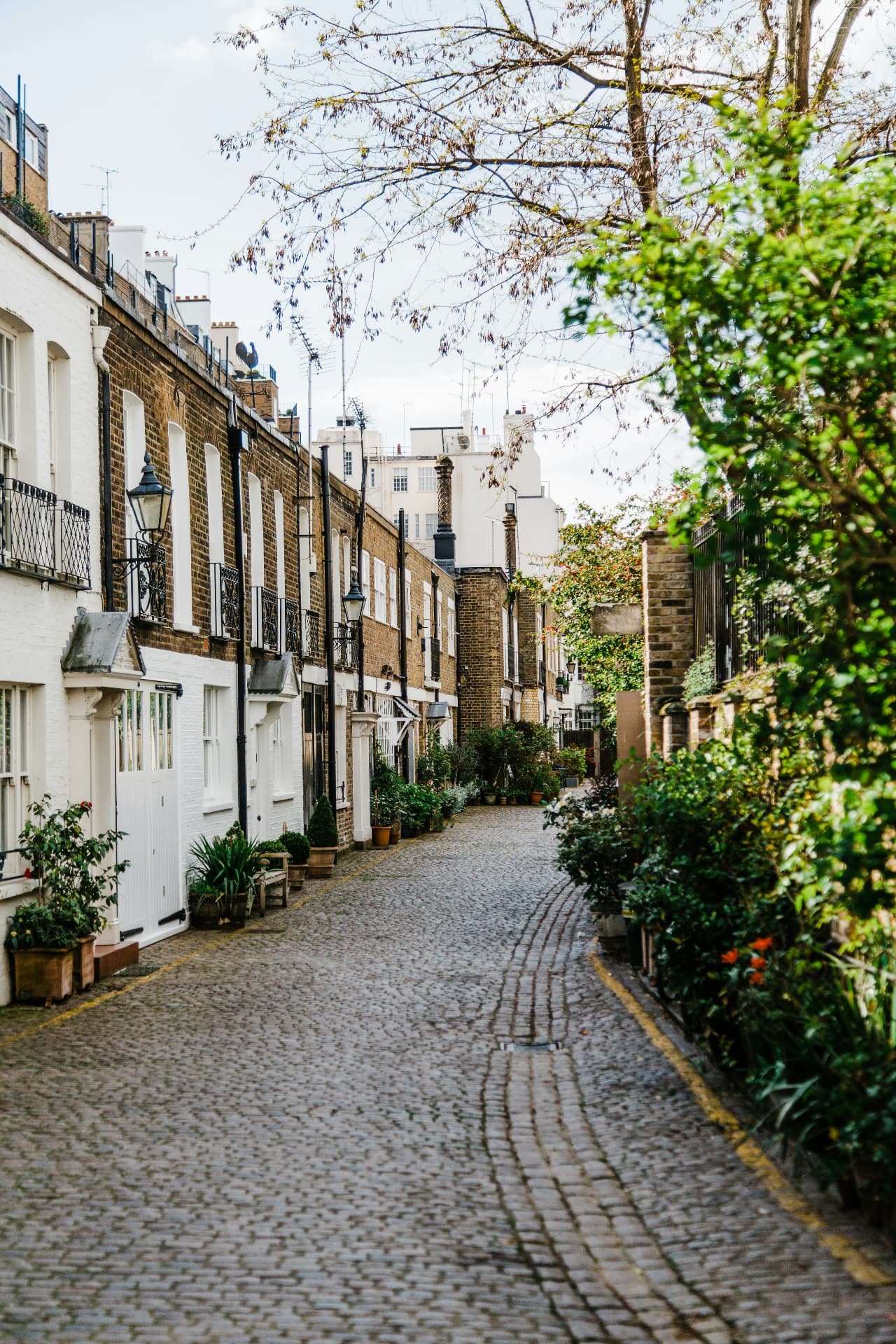
Battersea's enduring appeal rests on its rare combination of riverside location, expansive green space and village-like high streets that foster a genuine sense of community. Battersea Park, one of London's finest Victorian parks, offers 200 acres of landscaped gardens, sports facilities and the charming boating lake, creating an oasis that elevates quality of life for residents throughout the year.
The neighbourhood's culinary scene continues to flourish, with restaurants in Battersea ranging from Michelin-quality fine dining to neighbourhood bistros and international kitchens. Battersea Rise and Northcote Road have evolved into destination dining and shopping streets, lined with independent boutiques, delis and cafés that distinguish the area from more corporate retail environments elsewhere in the capital.
Architecturally, Battersea presents an appealing mix of grand Victorian and Edwardian terraces, mansion conversions, post-war estates and contemporary riverside developments. The conservation areas around Battersea Square and the streets radiating from Battersea Church Road preserve the area's historic character, whilst the regeneration around Battersea Power Station introduces striking modern architecture and cultural amenities.
This diversity attracts a broad demographic spectrum—from creative professionals and City workers to established families and international buyers seeking a London base with village charm. For those exploring [property for sale in Battersea](/property-for-sale/battersea), the neighbourhood offers distinct pockets, each with its own character, allowing buyers to find an environment that aligns with their lifestyle preferences and investment objectives.
Talk to Seymont
What's your home worth?
A considered view on price, timing and how to bring your London home to market — a personal reply within 24 hours.
Your property
Step 1 of 2Investment Potential and Market Outlook
When evaluating whether Battersea is a good investment, several structural factors support a positive long-term outlook. The area has benefited from over £15 billion of regeneration investment, primarily focused on the Nine Elms corridor and the transformation of Battersea Power Station into a mixed-use destination combining residential, retail, leisure and office space.
Transport infrastructure continues to evolve, with the Northern Line extension complementing the existing rail network at Clapham Junction and Queenstown Road. These connections position Battersea within a 15-minute commute of the West End and provide rapid access to Canary Wharf, supporting sustained occupier demand from both owner-occupiers and tenants.
The broader Battersea and Nine Elms estates have introduced thousands of new homes, yet absorption rates have remained healthy, reflecting the depth of demand for well-located South West London addresses. Our team observes that whilst new-build supply has increased, the scarcity of period houses and conversion flats in the established conservation areas ensures these property types maintain their value premium.
Market fundamentals—including school catchments, green space, dining and retail infrastructure—continue to strengthen rather than dilute as the population grows. For investors with a medium-to-long-term horizon, Battersea offers the compelling combination of rental income potential, capital preservation and the lifestyle amenities that underpin sustained demand across market cycles. Those interested in understanding local price movements can explore detailed [house prices in Battersea](/house-prices/battersea) to inform their purchasing decisions.
Buyer and Seller Considerations
For prospective buyers entering the Battersea property market, understanding the neighbourhood's distinct micro-markets is essential. Properties south of the railway line and around Battersea Rise often command a premium for their period features and proximity to the independent high street, whilst riverside addresses near Circus West and Battersea Power Station appeal to those prioritising modern amenities and Thames views.
Budget allocation should account for potential service charges and ground rent in purpose-built and converted developments, particularly in newer schemes where communal facilities and concierge services enhance convenience but add to annual running costs. Our team recommends thorough due diligence on lease terms, building warranties and estate management arrangements before committing to apartment purchases.
Sellers benefit from Battersea's strong brand recognition and its position within the established prime South West London residential corridor that extends through Clapham, Wandsworth and beyond. Properties presented to a high standard, with outdoor space or parking, tend to achieve premium pricing and attract competitive interest. Timing sales to align with the spring and autumn markets typically maximises buyer activity, though we observe sustained interest throughout the year from both domestic and international purchasers.
Working with [estate agents in Battersea](/estate-agents/battersea) who possess deep local knowledge ensures both buyers and sellers navigate the nuances of street-by-street pricing, planning considerations and the relative merits of different buildings and developments. In a market as varied as Battersea, expertise and insight translate directly into better outcomes and more confident decision-making.
Talk to Seymont
What's your home worth?
A considered view on price, timing and how to bring your London home to market — a personal reply within 24 hours.
Your property
Step 1 of 2About the author
Nina CastellanoInvestment Property Advisor
Nina advises landlords and investors on rental yields, tenant demand and portfolio structure across Greater London, after running lettings and management at Bellhouse Property Partners. She has overseen single units and multi-property portfolios, and works through compliance, void periods and running costs before a purchase is agreed. Her articles deal with the numbers behind a buy-to-let rather than the headline gross yield.
Lettings and portfolio management · 9 years in London rentals
- Buy-to-let
- Rental yields
- Portfolio strategy
- Landlord compliance
Frequently asked
- What is the average property price in Battersea?
- According to HM Land Registry data, the median property price in Battersea is £700,000. However, this varies significantly by property type: flats have a median of £618,000, terraced houses £967,000, and semi-detached properties £1.4 million. The market spans from more affordable conversions and studios to multi-million-pound family homes in the conservation areas.
- Is Battersea a good area to invest in property?
- Battersea presents strong investment fundamentals, including excellent transport links (Northern Line extension and Clapham Junction), ongoing regeneration around Battersea Power Station, high-quality schools, and abundant green space in Battersea Park. Rental demand remains robust from professionals, with competitive yields across different property types and sustained capital appreciation potential over the medium to long term.
- What are typical rental prices in Battersea?
- Based on ONS data, rental prices in Battersea vary by property size: studios rent for £1,100–£1,725 per month, one-bedroom flats £1,450–£2,275, two-bedroom properties £1,975–£3,100, three-bedroom homes £2,650–£4,125, four-bedroom properties £3,525–£5,500, and five-bedroom homes £4,625–£7,225 monthly. Location, condition and amenities influence where individual properties sit within these ranges.
- Which parts of Battersea are most popular with buyers?
- The conservation areas around Battersea Square, streets near Battersea Park, the independent shops and restaurants on Battersea Rise and Northcote Road, and the riverside developments around Battersea Power Station and Battersea Reach on Juniper Drive are particularly sought-after. Each pocket offers distinct character—period charm in the conservation areas and modern amenities along the riverside.
- How has transport connectivity improved Battersea's property market?
- The Northern Line extension to Battersea Power Station, which opened in 2021, transformed connectivity by providing direct Underground access to the West End, City and Canary Wharf. Combined with Clapham Junction's extensive National Rail services and multiple bus routes, Battersea now offers some of South West London's best transport links, significantly enhancing its appeal to commuters and supporting property values.