Journal
Marylebone vs Mayfair: Where Should You Live?
Written by Thomas Lindqvist · Mortgage & Financing Specialist
Published 1 February 2026 · Updated 22 March 2026 · 8 min read
The short answer
The question of Marylebone vs Mayfair sits at the heart of many refined property searches across central London. Both postcodes command international prestige, yet each delivers a distinctly different rhythm of life.
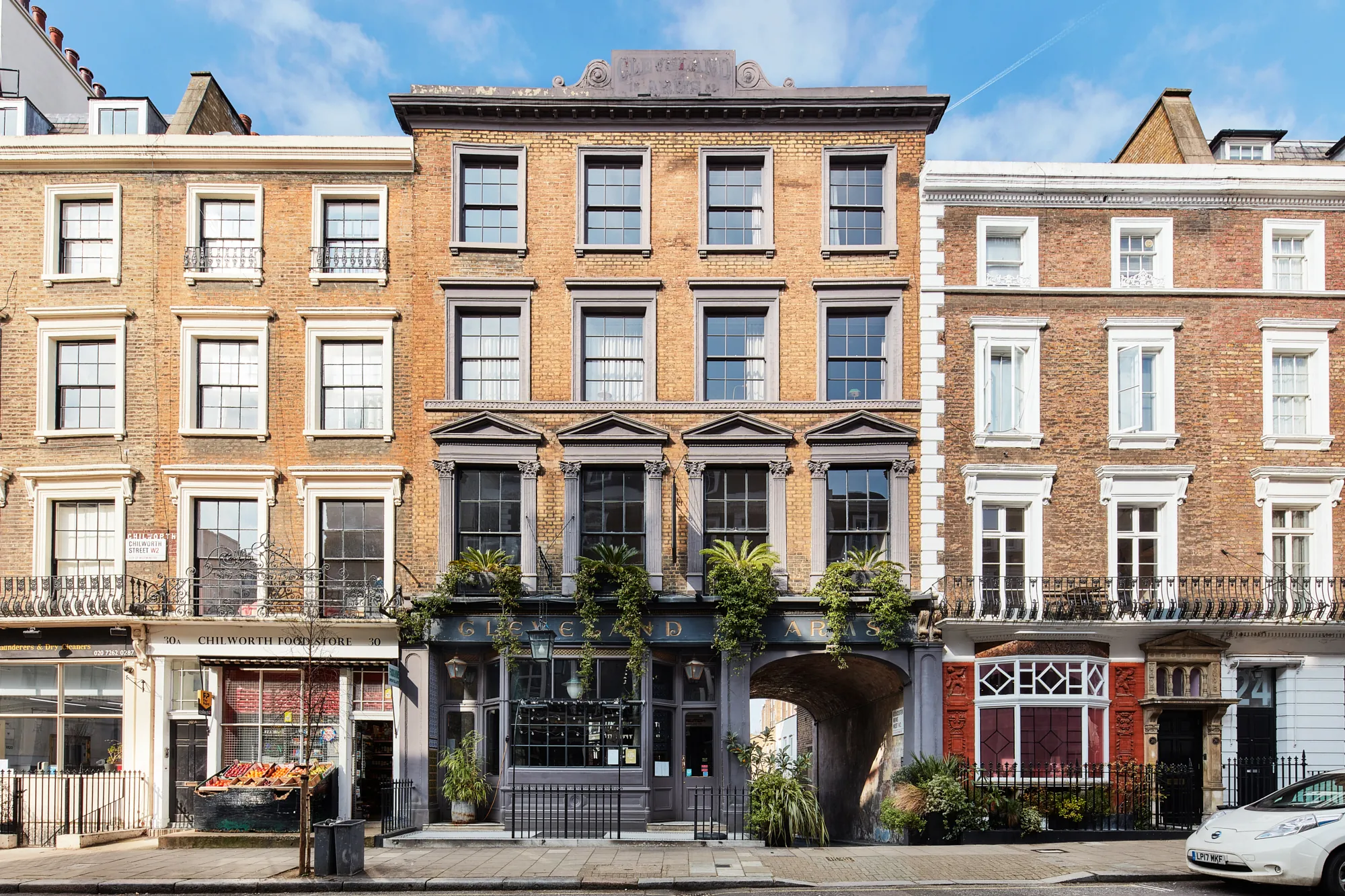
The question of Marylebone vs Mayfair sits at the heart of many refined property searches across central London. Both postcodes command international prestige, yet each delivers a distinctly different rhythm of life. As we guide buyers and tenants through these neighbouring enclaves, we find that the choice between Marylebone or Mayfair often hinges not on budget alone, but on whether you prize village intimacy or grand metropolitan glamour. Here, our team explores what sets Marylebone apart—from its tree-lined streets and independent boutiques to the latest property data from HM Land Registry and ONS—so you can decide which address truly feels like home.
The Village Character That Defines Marylebone
Marylebone remains one of London's best-kept secrets, a neighbourhood where Georgian squares meet Edwardian mansion blocks and where High Street names stand shoulder-to-shoulder with family-run bakeries. Unlike Mayfair's ceremonial avenues and flagship stores, Marylebone cultivates an intimate, almost provincial atmosphere that residents fiercely protect. Marylebone High Street anchors this identity: a pedestrian-friendly corridor lined with delis, bookshops and pavement cafés that encourage lingering rather than hurrying.
When you compare Marylebone Mayfair, the contrast in scale becomes immediately apparent. Marylebone's streets curve and narrow, creating pockets of calm only moments from Oxford Street. The Sunday Farmers' Market at Cramer Street car park, the independent cinemas and the boutique fitness studios all reinforce a sense of community rarely found in zone one. Residents know their butcher, their barista and their estate agents in Marylebone by name—a detail that speaks volumes about the village rhythm here.
Cultural anchors deepen the appeal. The Wallace Collection offers old-master paintings in a Georgian townhouse setting, while Marylebone Station connects commuters to the Chilterns in under an hour. Pubs near Marylebone Station—from The Barley Mow to The Windsor Castle—remain genuinely local, free from the tourist crush that colours so much of neighbouring Mayfair. This blend of accessibility and authenticity is precisely why our team at [Seymont London](/estate-agents/marylebone) sees sustained demand from families, creative professionals and international buyers seeking substance over spectacle.
Marylebone Property Prices and Market Trends
According to HM Land Registry data, Marylebone recorded 305 sales with a median price of £1,450,000—a figure that positions the area firmly in London's prime bracket yet remains more approachable than Mayfair's loftiest addresses. Flats dominate the market, accounting for 224 transactions at a median of £1,220,000, with prices ranging from £150,000 to just over £15 million for penthouse lateral apartments. Terraced houses, of which 37 changed hands, commanded a median of £3,000,000, while the single semi-detached sale reached £3,650,000.
ONS rental data underscores Marylebone's appeal to both young professionals and established families. A studio flat typically rents between £2,275 and £3,550 per calendar month, while one-bedroom flats range from £3,000 to £4,700. Two-bedroom properties occupy the £4,100 to £6,400 bracket, and three-bedroom homes stretch from £5,475 to £8,550. Larger family houses—four bedrooms and above—command between £7,300 and £14,950, reflecting the scarcity of freehold houses in this tightly held enclave.
When evaluating whether to choose Marylebone or Mayfair, prospective buyers should weigh these figures against lifestyle priorities. Marylebone delivers better value per square foot for family-sized flats and houses, while Mayfair's trophy apartments and mews houses often carry a premium for postcode prestige alone. Our experience across both markets suggests that Marylebone's combination of village charm and robust capital growth makes it especially compelling for those planning to hold property long term or navigating considerations such as stamp duty on second home purchases.
For investors and owner-occupiers alike, understanding the balance between freehold vs leasehold tenure is critical in Marylebone, where many mansion blocks operate under well-managed share-of-freehold arrangements. Our team regularly advises on lease extensions, service-charge structures and building condition—details that can materially affect both enjoyment and resale value. Browse current opportunities on our [Marylebone property for sale](/property-for-sale/marylebone) page to see how these dynamics play out in practice.
Dining, Shopping and Social Life in Marylebone
Marylebone restaurants span every register, from Chiltern Firehouse's celebrity buzz to The Providores' relaxed all-day brunches. Locanda Locatelli remains a Michelin-starred Italian fixture, while Dinings SW3 brings Japanese precision to a intimate dining room. For the best breakfast Marylebone has to offer, residents point to Daylesford Organic, The Ivy Café Marylebone or the weekend queues outside Gail's Bakery, where sourdough and almond croissants draw devotees from across zone one.
Beyond dining, shops Marylebone cluster along the High Street and its tributaries. Daunt Books' Edwardian gallery remains an essential pilgrimage for bibliophiles, while La Fromagerie supplies artisan cheeses and charcuterie that rival anything in Paris. Cadenhead's Whisky Shop, Trunk Clothiers and VV Rouleaux cater to specialist tastes, and the Sunday Farmers' Market ensures that weekend routines feel rooted in seasonality rather than supermarket convenience.
When comparing the best of Marylebone and Mayfair for evening socialising, Marylebone's bar scene skews intimate rather than opulent. The Wigmore—a Langham Hotel pub—offers British craft ales in a handsome panelled room, while Opium serves dim sum and cocktails in a moody Chinatown-meets-speakeasy setting. Pubs such as The Golden Eagle preserve sing-along piano evenings, a rarity in an age of gastropub homogeneity. This combination of culinary excellence and neighbourhood authenticity is why our clients consistently cite lifestyle—not just bricks and mortar—as the deciding factor when they compare Marylebone Mayfair.
The sheer density of independent operators means that whether you're searching for a quiet café Marylebone morning read or a Marylebone pub supper, you'll find options that feel personal rather than corporate. It's a quality that money alone cannot buy, and one that sustains Marylebone's premium in an increasingly homogenised market.
Talk to Seymont
What's your home worth?
A considered view on price, timing and how to bring your London home to market — a personal reply within 24 hours.
Your property
Step 1 of 2Schools, Green Space and Family Appeal
Families weighing Marylebone vs Mayfair will find that Marylebone's residential infrastructure tilts decisively in favour of children. The area sits within the catchment for several well-regarded state primaries, while private options include The Hall School on Crossfield Road and Portland Place School nearby. Nurseries and Montessori settings proliferate, and the relatively quiet streets make school-run logistics easier than in Mayfair's traffic-choked thoroughfares.
Regent's Park forms Marylebone's green lung, offering boating lakes, rose gardens, open-air theatre and the excellent playgrounds at Clarence Gate. Paddington Street Gardens provides a smaller, more intimate retreat for lunchtime picnics or after-school play, complete with well-maintained lawns and seasonal planting. When you compare Marylebone Mayfair on family amenity, Marylebone's direct access to Regent's Park and the absence of through-traffic on many residential streets offer tangible daily advantages.
For those renting a house or seeking one bed flats to rent as a stepping stone, Marylebone's transport links support both city commutes and weekend escapes. Marylebone Station serves Chiltern Railways to Oxford and Birmingham, while Baker Street, Bond Street and Edgware Road stations blanket the area with Tube access. This connectivity, paired with walkable schools and parks, explains why we see sustained enquiries from families who begin their London property search in Kensington or Notting Hill but ultimately settle in Marylebone for its combination of prestige and practicality.
Our insights into [Marylebone house prices](/house-prices/marylebone) reveal that family homes—particularly those with private gardens or communal squares—command premiums and move quickly when they reach the market, underscoring the depth of demand from owner-occupiers rather than speculative investors.

Investment Outlook and Lettings Demand
From an investment perspective, Marylebone's rental market remains exceptionally robust. Corporate relocations, medical professionals working at nearby private hospitals and international students at University of Westminster all sustain demand for flat on rent stock across every bedroom count. According to ONS figures, even studio apartments command rents above £2,000 per calendar month, while larger family units reaching £14,950 reflect scarcity rather than oversupply.
Landlords benefit from Marylebone's village identity, which encourages longer tenancies and lower void periods. When tenants search for one bed flats to rent in central London, Marylebone scores highly for safety, walkability and quality of local amenities—factors that translate into tenant retention and stable yields. Our lettings team finds that properties presented to a high standard and managed proactively can achieve premium rents, particularly when located within a few minutes' walk of Marylebone High Street or Regent's Park.
For those considering purchasing a second property, it's essential to factor in current stamp duty on second home regulations, which add a surcharge to the standard rates. However, Marylebone's track record of capital appreciation and rental resilience often justifies the upfront cost, especially for buyers taking a ten-year view. The neighbourhood's protected status—most of it falls within conservation areas—limits overdevelopment and preserves the character that underpins long-term value.
If you're exploring Marylebone as a letting proposition, our [let your property](/let-your-property/marylebone) service can guide you through tenant sourcing, regulatory compliance and yield optimisation. We also maintain a parallel presence in [Mayfair](/estate-agents/mayfair) and across the capital, ensuring you receive impartial, data-led advice rooted in live transaction experience rather than generic market commentary.
Making the Choice: Marylebone or Mayfair?
Ultimately, the decision between Marylebone or Mayfair reflects personal priorities. If you value grand hotel lobbies, couture flagships and the gravitas of Park Lane, Mayfair will always exert a powerful pull. Yet if your ideal London life centres on farmers' markets, independent bookshops, tree-lined streets and a genuine neighbourhood feel, Marylebone emerges as the natural choice.
Our team observes that buyers under forty—particularly those with young families or entrepreneurial careers—increasingly favour Marylebone's authenticity over Mayfair's formality. The area's evolution into a culinary and retail destination has only deepened this trend, with Chiltern Street, Moxon Street and the rejuvenated Paddington Quarter adding layers of interest that were absent a decade ago. Meanwhile, established residents appreciate that Marylebone retains its essential character even as amenities improve, a balancing act that eludes many gentrifying neighbourhoods.
When you compare Marylebone Mayfair on investment fundamentals—liquidity, rental yield, capital growth—the picture is nuanced. Mayfair commands higher absolute prices and benefits from name recognition among international buyers, but Marylebone often delivers superior value and lower entry points for similar quality of build and finish. For those seeking the best of Marylebone and Mayfair, a handful of streets near Portman Square occupy a transitional zone, blending elements of both.
Whatever your priorities, we encourage prospective buyers and tenants to spend time in both areas—breakfast in a café Marylebone morning, an evening drink in a Mayfair members' club—before committing. Property is as much about daily rhythm as it is about postcodes and prices, and only by immersing yourself in each neighbourhood's texture will the right answer reveal itself. Visit our [Mayfair property for sale](/property-for-sale/mayfair) page to explore the alternative, then decide where your London story truly belongs.
Talk to Seymont
What's your home worth?
A considered view on price, timing and how to bring your London home to market — a personal reply within 24 hours.
Your property
Step 1 of 2About the author
Thomas LindqvistMortgage & Financing Specialist
Thomas advised buyers for a decade at Ashgrove Financial, an independent brokerage, on borrowing capacity, product selection and the full cost of a purchase, including stamp duty, legal fees and lender charges. He follows rate decisions and lender criteria changes and translates them into what a household can realistically afford. His guides cover affordability, remortgaging and the closing costs that buyers routinely underestimate.
CeMAP qualified · Whole-of-market mortgage advice background
- Mortgages
- Affordability
- Closing costs
- Remortgaging
Frequently asked
- Is Marylebone more expensive than Mayfair?
- Generally, Mayfair commands higher prices than Marylebone, particularly for trophy penthouses and period houses. However, Marylebone's median price of £1,450,000 (HM Land Registry) positions it firmly in the prime bracket, and many family-sized flats offer better value per square foot than equivalent Mayfair properties. The choice often hinges on lifestyle rather than budget alone.
- What is the average rent in Marylebone?
- According to ONS data, Marylebone rents range from £2,275–£3,550 for a studio, £3,000–£4,700 for one bedroom, £4,100–£6,400 for two bedrooms, and £5,475–£8,550 for three bedrooms. Larger family homes with four or more bedrooms command £7,300–£14,950 per calendar month, reflecting scarcity and sustained demand from professionals and families.
- Why is Marylebone so popular with families?
- Marylebone combines excellent schools, direct access to Regent's Park, quiet residential streets and a genuine village atmosphere. The abundance of independent shops, cafés and restaurants on Marylebone High Street fosters a strong sense of community, while transport links via Marylebone Station and multiple Tube lines make commuting and weekend travel straightforward.
- What are the best restaurants in Marylebone?
- Marylebone's dining scene includes Michelin-starred Locanda Locatelli, the celebrity-favourite Chiltern Firehouse, Japanese precision at Dinings, and relaxed all-day options such as The Providores and Daylesford Organic. The area also boasts excellent breakfast spots like Gail's Bakery and The Ivy Café, alongside neighbourhood pubs serving quality British fare.
- Is Marylebone a good investment for buy-to-let landlords?
- Yes. Marylebone's rental market benefits from demand across corporate relocations, medical professionals and international students. ONS data shows strong rents across all bedroom counts, while the village character encourages longer tenancies and lower void periods. The area's conservation-area protections and capital-growth track record further enhance its appeal to long-term investors.