Journal
The Best Areas to Live in Marylebone
Written by Amara Bennett · Property Market Analyst
Published 18 July 2026 · Updated 18 August 2026 · 7 min read
The short answer
Marylebone stands as one of London's most coveted postcodes, where Georgian elegance meets contemporary village charm in the heart of the capital. For those considering where to live in Marylebone, the neighbourhood offers a rare combination of central location, architectural distinction and genuine community atmosphere.
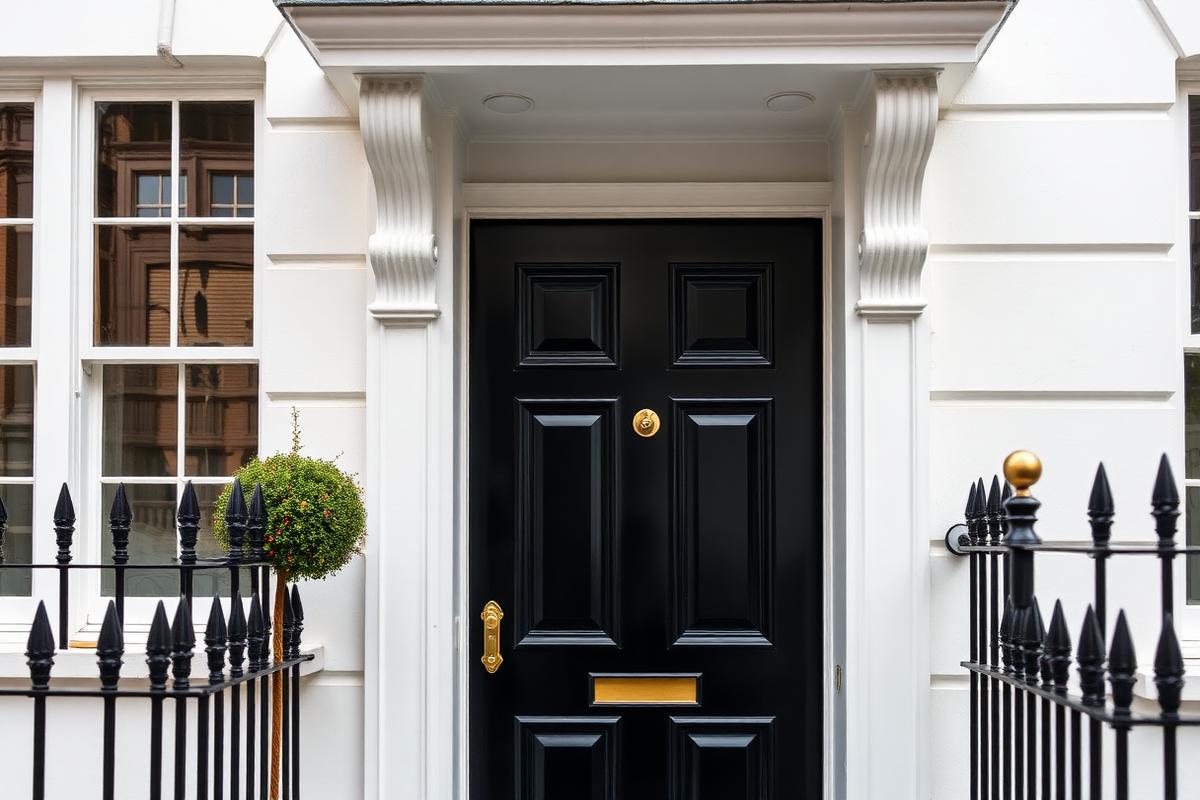
Marylebone stands as one of London's most coveted postcodes, where Georgian elegance meets contemporary village charm in the heart of the capital. For those considering where to live in Marylebone, the neighbourhood offers a rare combination of central location, architectural distinction and genuine community atmosphere. Our team has spent years helping buyers and renters navigate the best areas to live in Marylebone, and we understand that each pocket of this historic district offers its own distinct character. From the tranquil garden squares south of Marylebone Road to the bustling energy near Marylebone High Street, this guide explores the streets and neighbourhoods that make this area so exceptional.
The Marylebone Village Core: High Street and Surrounds
The stretch around Marylebone High Street forms the beating heart of the neighbourhood, where independent boutiques, acclaimed restaurants and artisan cafes create an atmosphere more reminiscent of a prosperous market town than central London. Properties here command premium prices for good reason: residents enjoy unparalleled convenience alongside genuine character.
The streets immediately west of the High Street—including Marylebone Lane and Moxon Street—offer some of the most characterful homes in the area, many tucked into former mews or converted Georgian townhouses. The Sunday farmers' market, Daunt Books' original Edwardian premises, and a roster of Marylebone restaurants that includes everything from La Fromagerie to The Chiltern Firehouse ensure that daily life here feels both refined and refreshingly local.
According to HM Land Registry data, the median property price in Marylebone recently stood at £995,000, with flats accounting for the majority of sales at a median of £838,750. For those seeking houses to sale in this prime central location, terraced properties command significantly more, with a median of £3,125,000 reflecting the scarcity and desirability of freehold family homes.
The rental market here is equally robust. ONS data shows studio flats ranging from £1,550 to £2,425 per calendar month, whilst one-bedroom properties typically command between £2,050 and £3,200. Those searching for property to rent with more space should expect £2,800 to £4,350 for two bedrooms, rising to £3,725 to £5,800 for three-bedroom homes. Our <a href="/property-for-sale/marylebone">Marylebone properties for sale</a> and rental portfolio reflects this diversity.
The Garden Squares: Marylebone's Best Streets for Tranquillity
South of Marylebone Road, the neighbourhood transforms into a sequence of elegant garden squares that rank among Marylebone's best streets for those prioritising peace and architectural grandeur. Portman Square, Bryanston Square and Manchester Square offer residents the rare privilege of private communal gardens, often accessible only to keyholders in the surrounding buildings.
These squares represent where to live in Marylebone if your priorities include period features, high ceilings and the kind of formal Georgian proportions that have defined London luxury for centuries. The stuccoed terraces here are predominantly divided into spacious flats, though some remain as single-family townhouses commanding eight-figure sums.
The Wallace Collection on Manchester Square adds significant cultural weight to this quarter, whilst the proximity to Oxford Street—yet the blessed insulation from its crowds—makes these Marylebone neighbourhoods particularly appealing to international buyers seeking both prestige and practicality. For families considering houses to rent in the area, the squares occasionally offer lateral apartments large enough to function as houses, with four or five bedrooms spread across entire floors. ONS data indicates such properties rent for between £4,950 and £10,150 per month depending on specification and exact location.
We've observed consistent demand in this segment of the market, with buyers appreciating the combination of investment security and genuine liveability that these addresses provide. Our <a href="/house-prices/marylebone">Marylebone house price analysis</a> demonstrates the enduring value these streets command.
The Harley Street Medical Quarter and Surrounds
The area centred on Harley Street and Wimpole Street carries a distinct identity within Marylebone London, historically associated with the medical profession but increasingly attractive to a broader residential market. The grand Victorian and Georgian buildings here were often purpose-built for doctors' consulting rooms on lower floors with substantial living accommodation above.
Many of these properties have been converted into exceptional flats that retain original features—ornate cornicing, marble fireplaces, and room proportions that dwarf typical London apartments. The streets are noticeably quieter than the High Street district, attracting professionals and downsizers who value elegance over vibrancy.
The positioning between Regent's Park to the north and the shopping and dining of Marylebone High Street to the west gives residents excellent access to both green space and urban amenities. Cafes in Marylebone serving this professional community tend toward the refined and efficient rather than the leisurely, with several excellent options on Marylebone Lane and New Cavendish Street.
For those investigating homes to rent near major institutions, this part of Marylebone offers proximity to several universities, the Royal Academy of Music, and naturally, world-leading medical facilities. The recent HM Land Registry data showing a detached property sold for £958,889 and other commercial or mixed-use properties changing hands reflects the ongoing evolution of this district from purely professional to increasingly residential.
Talk to Seymont
What's your home worth?
A considered view on price, timing and how to bring your London home to market — a personal reply within 24 hours.
Your property
Step 1 of 2North Marylebone: Towards Regent's Park
The streets north of Marylebone Road and approaching Regent's Park represent perhaps the best value within the best areas to live in Marylebone, particularly for families requiring space and access to green expanses. Park Crescent and the Nash terraces directly overlooking the park command extraordinary premiums, but the streets immediately behind—including Park Road and surrounding crescents—offer impressive homes at more accessible price points.
This area benefits enormously from proximity to London's most beautiful Royal Park, with its boating lake, open-air theatre, and seemingly endless lawns providing a genuine counterbalance to urban density. For families exploring houses to rent near quality schools, the neighbourhood offers excellent state and independent options, whilst transport links from Baker Street and Marylebone stations ensure swift connections across London.
The dining and drinking scene here differs from the core Marylebone village; those seeking pubs near Marylebone station will find traditional locals alongside modern gastro-pubs, whilst the shops in Marylebone along Baker Street tend toward chains and convenience rather than boutique independence. This makes the area particularly practical for everyday living, even if it lacks some of the retail charm found further south.
Two-bedroom flats in this segment typically rent for £2,800 to £4,350 according to ONS data, positioning them competitively against more central Marylebone options whilst offering considerably more space and park access. Our team regularly advises clients that this part of the neighbourhood represents excellent long-term value, particularly as remote working increases the premium placed on nearby green space. Those interested should explore our <a href="/estate-agents/marylebone">Marylebone estate agency services</a> for current availability.
Marylebone Mews: Character Living in Converted Stables
Scattered throughout Marylebone are dozens of cobbled mews—former stable blocks and service lanes that have been transformed into some of the area's most charming and valuable homes. Blandford Mews, Bentinck Mews, and Weymouth Mews exemplify this category, offering cottage-style living mere moments from central London's busiest quarters.
These properties tend to be freehold houses rather than leasehold flats, making them particularly attractive to buyers seeking to avoid service charges and lease extensions. The intimate scale of mews streets—often no more than a dozen houses—creates strong micro-communities, and the architectural appeal of coach houses with their characteristic large doors and compact proportions has enduring market appeal.
HM Land Registry data shows terraced properties in Marylebone recently sold for between £1,550,000 and £5,000,000, with mews houses typically falling in the £2-3 million bracket depending on size and exact location. These homes rarely come to market, and when they do, we observe swift sales, often to families downsizing from larger houses but unwilling to compromise on outdoor space (many mews houses retain small gardens or terraces).
For those considering where to live in Marylebone with pets or children, mews streets offer the advantage of minimal through-traffic and a genuine sense of enclosure and safety. The combination of freehold ownership, architectural distinction, and practical family living makes these among the most sought-after Marylebone neighbourhoods, though supply constraints mean buyers must act decisively when opportunities arise. Landlords looking to capitalise on this demand should consider our <a href="/let-your-property/marylebone">Marylebone lettings management services</a>.
Transport, Amenities and Investment Outlook
Marylebone's transport infrastructure ranks among London's finest, with Marylebone, Baker Street, Bond Street, Marble Arch and Edgware Road stations all serving the area across multiple Underground lines. Marylebone station itself provides direct National Rail services to the Chilterns and beyond, making this one of the few truly central London neighbourhoods with genuine commuter-belt connectivity.
Beyond transport, the neighbourhood's amenities distinguish it from superficially similar postcodes. The concentration of independent retailers along Marylebone High Street, the Marylebone pub and bar scene on streets like Moxon and Paddington Street, and exceptional breakfast venues throughout the area create a seven-day-a-week community rather than a Monday-to-Friday business district.
From an investment perspective, Marylebone has demonstrated consistent resilience across market cycles. The combination of restricted supply (the neighbourhood is largely built out with minimal new development), sustained occupier demand, and prime central London positioning supports long-term value. Recent sales data showing 66 transactions with prices ranging from £242,000 for a compact flat to £11,250,000 for a prime asset illustrates the breadth of the market whilst confirming its premium positioning.
Whether you're seeking houses to rent near prestigious addresses, looking to purchase a family home, or exploring investment opportunities, Marylebone's fundamentals remain compelling. The neighbourhood successfully balances the prestige of neighbouring Mayfair with genuine liveability, making it one of the capital's most complete residential quarters for discerning buyers and tenants alike.
Talk to Seymont
What's your home worth?
A considered view on price, timing and how to bring your London home to market — a personal reply within 24 hours.
Your property
Step 1 of 2About the author
Amara BennettProperty Market Analyst
Amara spent seven years as a market analyst at Kestrel Lane Research, a small London property consultancy, before joining our editorial desk. She reads sold-price and rental data street by street to explain how individual London postcode districts actually behave, and reviews every price figure we publish. Her focus is separating headline national averages from what a specific address is worth today.
MSc Real Estate Economics · Seven years in property market research
- Valuations
- Local market data
- Sold prices
- Pricing strategy
Frequently asked
- What is the average property price in Marylebone?
- According to recent HM Land Registry data, the median property price in Marylebone stands at £995,000. Flats, which represent the majority of sales, have a median price of £838,750, whilst terraced houses command a median of £3,125,000. Prices vary considerably depending on exact location, property type, and specification, with sales recorded from £242,000 to over £11 million in recent months.
- How much does it cost to rent in Marylebone?
- Rental prices in Marylebone vary by property size and location. ONS data indicates studios typically range from £1,550 to £2,425 per calendar month, one-bedroom flats from £2,050 to £3,200, two-bedroom properties from £2,800 to £4,350, and three-bedroom homes from £3,725 to £5,800. Larger four-bedroom properties rent for £4,950 to £7,750, whilst five-bedroom homes command £6,500 to £10,150 monthly.
- What makes Marylebone High Street so popular?
- Marylebone High Street has become one of London's most celebrated shopping and dining destinations due to its exceptional concentration of independent retailers, artisan food shops, and quality restaurants. Unlike many central London streets dominated by chain stores, the High Street retains a village-like character with businesses such as Daunt Books, The Ginger Pig, and La Fromagerie creating a genuine community atmosphere. The Sunday farmers' market and the street's pedestrian-friendly scale further enhance its appeal to both residents and visitors.
- Is Marylebone a good area for families?
- Yes, Marylebone is excellent for families, offering a rare combination of central London convenience and genuine community amenities. The neighbourhood provides access to quality state and independent schools, proximity to Regent's Park for outdoor space, quiet mews streets with minimal traffic, and a strong selection of family-friendly cafes and restaurants. The area's village atmosphere and excellent transport links make it practical for working parents, whilst the cultural offerings—including the Wallace Collection and numerous music venues—provide enrichment opportunities.
- Which are the quietest streets in Marylebone?
- The quietest streets in Marylebone are generally found in the garden square district south of Marylebone Road, including Portman Square, Bryanston Square, and Manchester Square, where private communal gardens create peaceful enclaves. The various mews streets throughout the neighbourhood—such as Blandford Mews and Bentinck Mews—also offer exceptional tranquillity due to their cobbled surfaces, limited through-traffic, and intimate scale. The streets in the Harley Street medical quarter, particularly the residential portions, tend to be notably quieter than the High Street area.