Journal
Average Rent in Marylebone: A Comprehensive Guide to Rental Prices
Written by Amara Bennett · Property Market Analyst
Published 3 January 2026 · Updated 12 May 2026 · 5 min read
The short answer
Marylebone stands as one of central London's most distinguished residential enclaves, where Georgian architecture meets contemporary urban living. For those considering making this vibrant village their home, understanding the average rent in Marylebone is essential to making an informed decision.
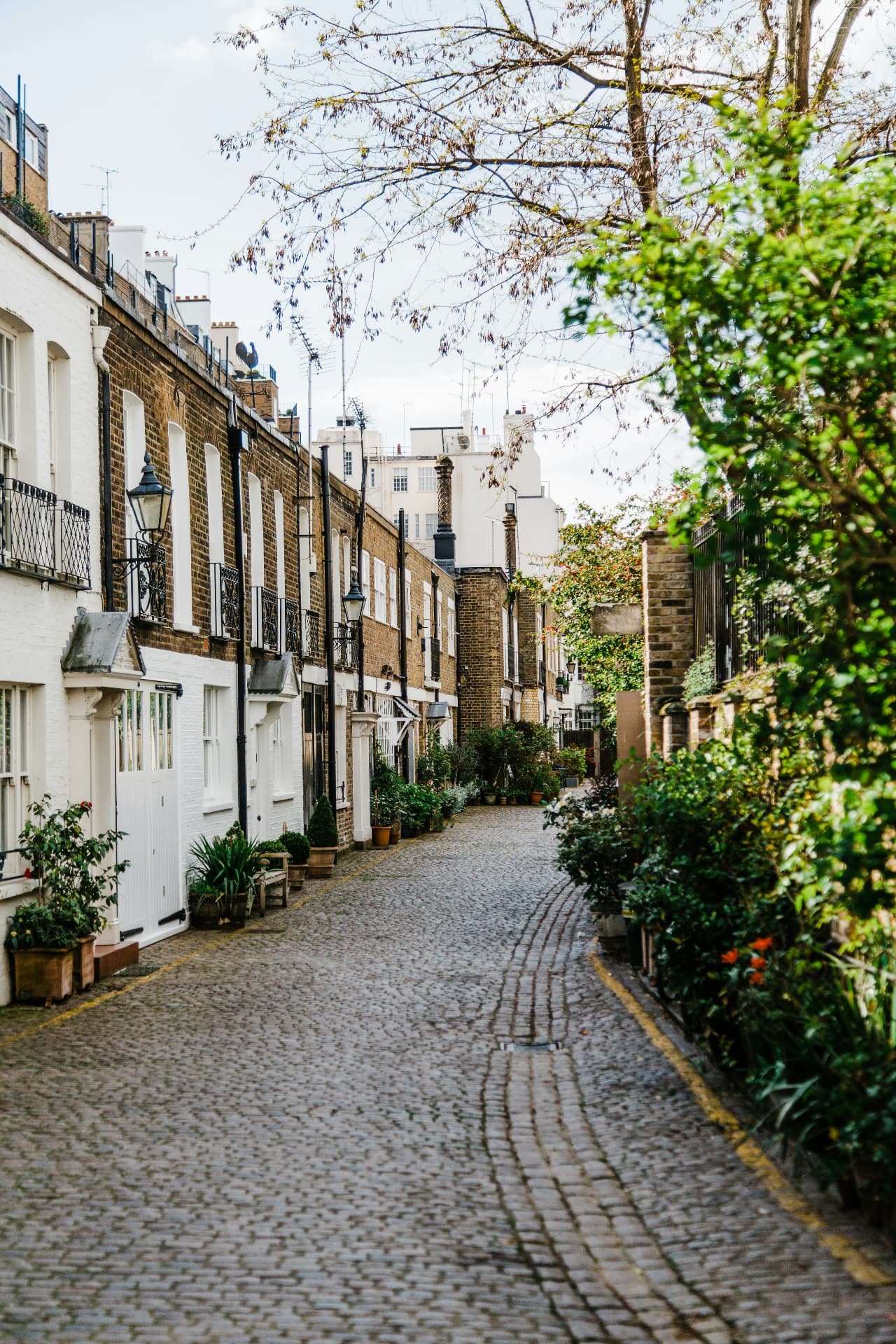
Marylebone stands as one of central London's most distinguished residential enclaves, where Georgian architecture meets contemporary urban living. For those considering making this vibrant village their home, understanding the average rent in Marylebone is essential to making an informed decision. Our team at Seymont London has analysed the latest rental data to provide you with a comprehensive overview of what tenants can expect to pay in this coveted W1 postcode. From intimate studios to grand family homes, Marylebone's rental market reflects its position as a neighbourhood where heritage, culture, and modern convenience converge seamlessly.
Current Marylebone Rent Prices by Property Type
The rental landscape in Marylebone caters to diverse requirements, with pricing that reflects the area's premium central London location. According to the latest ONS data, studio apartments command monthly rents between £1,550 and £2,425, offering an accessible entry point for professionals seeking a Marylebone address.
One-bedroom properties, which represent a significant portion of the rental stock in this part of London, typically range from £2,050 to £3,200 per calendar month. These flats often feature period details within converted Georgian townhouses or offer sleek, contemporary specifications in purpose-built developments near Marylebone High Street.
For those requiring additional space, two-bedroom apartments attract monthly rents between £2,800 and £4,350, whilst three-bedroom homes command £3,725 to £5,800. Families seeking four-bedroom properties should anticipate rental costs from £4,950 to £7,750 monthly, with the most spacious five-bedroom-plus homes reaching between £6,500 and £10,150 per month. These figures demonstrate how much is rent in Marylebone across the spectrum, with premium positioning throughout.
Our team observes that properties offering outdoor space, period features, or proximity to Marylebone Station and the neighbourhood's renowned independent shops typically achieve the upper end of these ranges. The variation in pricing also reflects the diverse architectural character, from mansion blocks along Baker Street to mews conversions tucked away on quieter cobbled lanes.
Understanding Marylebone Rental Yields for Investors
For property investors evaluating opportunities in central London, Marylebone rental yields merit careful consideration alongside capital appreciation potential. The relationship between purchase prices and rental income in this established neighbourhood reveals the premium investors pay for stability, prestige, and tenant demand.
Recent HM Land Registry Price Paid Data shows a median property sale price of £995,000 across 66 transactions, with flats—the predominant property type—achieving a median of £838,750. When evaluated against typical rental returns, Marylebone rental yields generally sit within the 3-4% gross range, which is characteristic of prime central London locations where capital growth historically compensates for lower immediate income returns.
We note that smaller units, particularly one and two-bedroom flats, often deliver marginally stronger yields than larger family homes, where the purchase premium is more pronounced. Terraced properties in the area, which sold for a median of £3,125,000, naturally generate lower percentage yields despite commanding substantial absolute rental income.
The enduring appeal of Marylebone London to international and domestic tenants alike—drawn by the village atmosphere, cultural amenities, and transport connectivity—ensures consistent occupancy rates that bolster the investment case. For landlords considering whether to [let your property in Marylebone](/let-your-property/marylebone), our team can provide tailored yield projections based on specific property characteristics and current market conditions.

What Drives Rental Demand in Marylebone
Marylebone's rental market benefits from a confluence of factors that sustain tenant interest across economic cycles. The neighbourhood's distinct village character, rare in central London, creates a residential environment that feels both cosmopolitan and intimately local.
Marylebone High Street serves as the neighbourhood's beating heart, offering an carefully curated collection of independent boutiques, artisan food merchants, and cafés that distinguish the area from more corporate retail destinations. Tenants value the ability to source everything from morning coffee at a Marylebone café to evening provisions from specialist grocers, all within a pleasant walking environment. The presence of established Marylebone restaurants, from Chiltern Firehouse to The Providores, ensures the area maintains its reputation as a culinary destination.
Transport connectivity remains paramount for rental demand. Marylebone Station provides direct services to Oxford, Birmingham, and the Chiltern countryside, whilst multiple Underground stations—Baker Street, Bond Street, Regent's Park, and Great Portland Street—position residents within minutes of the City, Canary Wharf, and West End. This accessibility proves particularly valuable for professionals working across London's business districts.
The cultural and recreational offerings further elevate the neighbourhood's appeal. Regent's Park's 395 acres of parkland lie immediately to the north, whilst the Wallace Collection, Wigmore Hall, and countless galleries provide artistic enrichment. Families particularly value proximity to premium educational establishments. Those exploring [property for sale in Marylebone](/property-for-sale/marylebone) often cite these same amenities as purchase motivators, demonstrating their enduring significance.
Talk to Seymont
What's your home worth?
A considered view on price, timing and how to bring your London home to market — a personal reply within 24 hours.
Your property
Step 1 of 2Marylebone's Rental Market Compared to Neighbouring Areas
Positioning Marylebone rent prices within the broader central London context helps prospective tenants understand the value proposition. The neighbourhood commands a premium over many adjacent postcodes, reflecting its unique combination of attributes rather than location alone.
Westward, Paddington and Bayswater offer more accessible rental pricing, though without Marylebone's cohesive village identity or independent retail character. Eastward, Fitzrovia presents comparable pricing for similar specifications, particularly in newly developed buildings, yet lacks the residential tranquillity of Marylebone's garden squares and mews streets.
To the south, Mayfair represents a notable step up in rental costs, with its concentration of luxury developments and international corporate tenants. Conversely, King's Cross and Euston to the northeast provide lower entry points, particularly in modern apartment buildings, though these areas are still evolving their residential credentials.
Our experience suggests that tenants willing to pay Marylebone's premium do so for the holistic lifestyle offering—the ability to browse independent shops in Marylebone, enjoy a Marylebone pub such as The Barley Mow or The Duke of Wellington without tourist crowds, discover a new bar in Marylebone for evening drinks, and still reach Canary Wharf within thirty minutes. This integrated urban village experience proves difficult to replicate elsewhere in Zone 1.
For those comparing [house prices in Marylebone](/house-prices/marylebone) with rental costs, the rent-versus-buy calculation depends heavily on individual circumstances, though the neighbourhood's enduring appeal provides reassurance for both tenants and purchasers alike.

Working with Marylebone Estate Agents
Navigating Marylebone's competitive rental market benefits significantly from local expertise and established relationships. Estate agents in Marylebone vary considerably in their approach, market knowledge, and the quality of properties they represent.
We believe the most effective estate agents Marylebone offers combine granular neighbourhood understanding with responsive, transparent communication. The best practitioners maintain close relationships with landlords, often securing advance notice of properties before they reach public portals—a distinct advantage in a market where exceptional flats can let within days of listing.
Our team's founder-led approach ensures continuity throughout the rental journey, from initial enquiry through tenancy commencement. We understand that prospective tenants evaluating how much is rent in Marylebone require more than statistics—they benefit from contextual insight about building quality, lease terms, service charge trajectories, and the subtle variations in character between Marylebone's distinct micro-neighbourhoods.
Whether seeking a pubs near Marylebone Station location for evening commute convenience, a family home within the catchment of sought-after schools, or a best breakfast Marylebone spot within walking distance for weekend mornings, these lifestyle considerations shape rental decisions as significantly as square footage and monthly cost. Our [Marylebone estate agency](/estate-agents/marylebone) services are designed to align property specifications with these individual priorities, ensuring tenants find homes that genuinely suit their London lives rather than simply meeting basic requirements.
Talk to Seymont
What's your home worth?
A considered view on price, timing and how to bring your London home to market — a personal reply within 24 hours.
Your property
Step 1 of 2About the author
Amara BennettProperty Market Analyst
Amara spent seven years as a market analyst at Kestrel Lane Research, a small London property consultancy, before joining our editorial desk. She reads sold-price and rental data street by street to explain how individual London postcode districts actually behave, and reviews every price figure we publish. Her focus is separating headline national averages from what a specific address is worth today.
MSc Real Estate Economics · Seven years in property market research
- Valuations
- Local market data
- Sold prices
- Pricing strategy
Frequently asked
- What is the average rent for a one-bedroom flat in Marylebone?
- According to ONS data, one-bedroom flats in Marylebone typically rent for between £2,050 and £3,200 per calendar month. The variation depends on factors including property condition, period features, outdoor space, proximity to Marylebone High Street, and building amenities. Flats in converted Georgian buildings with original features often command premiums, as do properties in portered mansion blocks or modern developments with concierge services.
- Is Marylebone a good area for rental investment?
- Marylebone offers strong fundamentals for rental investment, combining consistent tenant demand with capital preservation characteristics typical of prime central London. Whilst gross rental yields typically range between 3-4%—lower than outer London areas—the neighbourhood benefits from enduring appeal, limited new supply, excellent transport links, and a distinctive village atmosphere that sustains occupancy rates. Investors should evaluate Marylebone as a long-term hold where capital appreciation complements rental income.
- How does Marylebone rent compare to other central London areas?
- Marylebone rent prices sit firmly within the prime central London bracket, commanding premiums over areas like Paddington and King's Cross, whilst remaining more accessible than Mayfair or Knightsbridge. The neighbourhood offers particular value for tenants prioritising village character, independent retail, and residential tranquillity over purely corporate or luxury positioning. Comparable neighbourhoods include Fitzrovia and parts of Bloomsbury, though Marylebone's cohesive identity and amenity density remain distinctive.
- What amenities make Marylebone attractive to renters?
- Marylebone's appeal rests on its integrated village lifestyle within Zone 1. Marylebone High Street provides independent boutiques, artisan food merchants, cafés, and restaurants. Regent's Park offers 395 acres of green space, whilst cultural venues include the Wallace Collection and Wigmore Hall. Transport connectivity via Marylebone Station and multiple Underground stations ensures rapid access across London. The combination of local character, daily convenience, and central location creates enduring tenant demand across property types and price points.
- When is the best time to search for rental properties in Marylebone?
- Marylebone's rental market maintains activity throughout the year, though certain patterns emerge. Late summer and early autumn see increased activity as corporate relocations and academic calendars drive demand. January also brings renewed activity following the holiday period. However, exceptional properties in this competitive market rarely remain available long regardless of season. We recommend prospective tenants begin their search 6-8 weeks before their desired move date, register with established local agents, and remain prepared to move quickly when suitable properties emerge.