Journal
Luxury Apartments London Buy: Where to Look in 2026
Written by Julian Reyes · Licensed Real Estate Agent
Published 22 January 2026 · Updated 7 July 2026 · 4 min read
The short answer
If you're planning to luxury apartments london buy in 2026, understanding where the genuine opportunities lie has never been more important. The market for prime London apartments has evolved significantly, with discerning buyers looking beyond headline postcodes to find exceptional value, architectural merit and long-term capital appreciation.
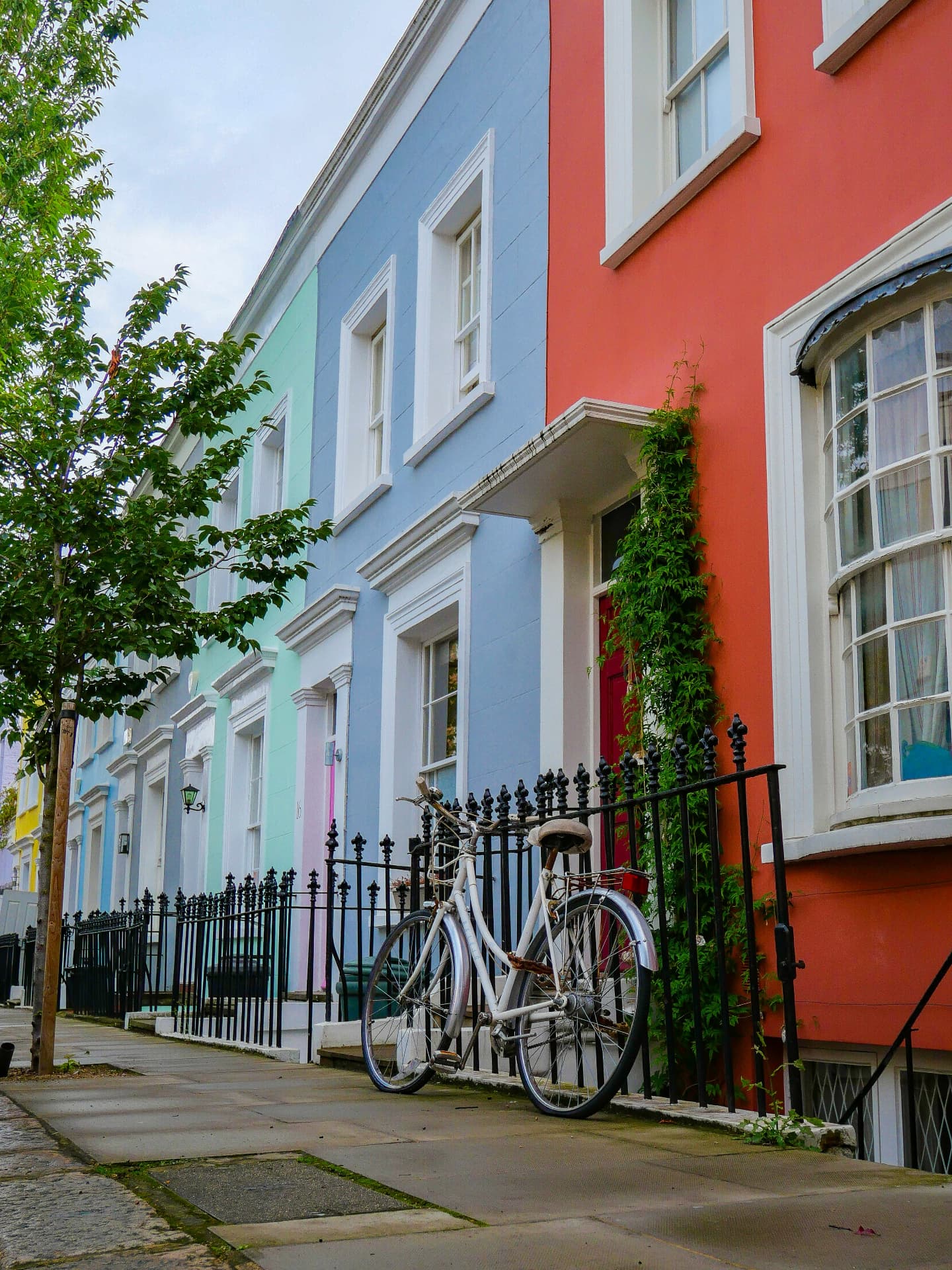
If you're planning to luxury apartments london buy in 2026, understanding where the genuine opportunities lie has never been more important. The market for prime London apartments has evolved significantly, with discerning buyers looking beyond headline postcodes to find exceptional value, architectural merit and long-term capital appreciation. Our team works across central London's most coveted addresses, and we've seen first-hand how buyer priorities have shifted toward build quality, access to green space and genuine neighbourhood amenity rather than postcode alone. This guide sets out where we believe the strongest opportunities exist for £2M+ flats this year.
Mayfair and Belgravia: Enduring Appeal for Prime London Apartments
Mayfair remains the historic heartland for buyers seeking prime london apartments, with Georgian and Victorian conversions sitting alongside purpose-built schemes from the last two decades. The area benefits from direct access to Green Park and Hyde Park, a concentration of Michelin-level dining, and unmatched connectivity via Bond Street, Green Park and Oxford Circus stations. Belgravia offers a quieter, more residential atmosphere while maintaining the same blue-chip credentials, with garden squares, embassy-lined streets and proximity to Sloane Square and Victoria.
We've observed sustained interest in lateral apartments within these postcodes, particularly where original period features—ceiling heights, cornicing, sash windows—have been retained and sensitively upgraded. According to HM Land Registry data, Mayfair and Belgravia have historically shown resilience during market corrections, making them a defensive choice for those looking to luxury apartments london buy with long holding periods in mind. Our estate agents in Mayfair work regularly with international and domestic buyers who value stability and prestige in equal measure, and inventory in the £2M–£5M bracket remains tightly held.
Kensington and Chelsea: Period Charm and Cultural Capital
Kensington and Chelsea continue to attract buyers prioritising cultural institutions, independent retail and exceptional schools. The Royal Borough offers an unusually broad mix of property styles, from mansion-block conversions on Kensington High Street to contemporary new-builds near the Design Museum and red-brick Victorian houses converted into spacious flats. South Kensington, in particular, combines museum access, French Lycée proximity and the Piccadilly, Circle and District lines, making it a perennial favourite for families and internationally mobile professionals.
For those exploring flats for sale in Kensington, we recommend focusing on buildings with active freeholder engagement, recent external works and low ground rent. The Leasehold and Freehold Reform Act 2024 has introduced new rights for leaseholders, but due diligence on service charge history and major works schedules remains essential. Properties within a ten-minute walk of Hyde Park or Holland Park command a premium, but we believe that premium is justified by the lifestyle amenity and long-term liquidity these locations afford.
Marylebone and Fitzrovia: Village Atmosphere with West End Access
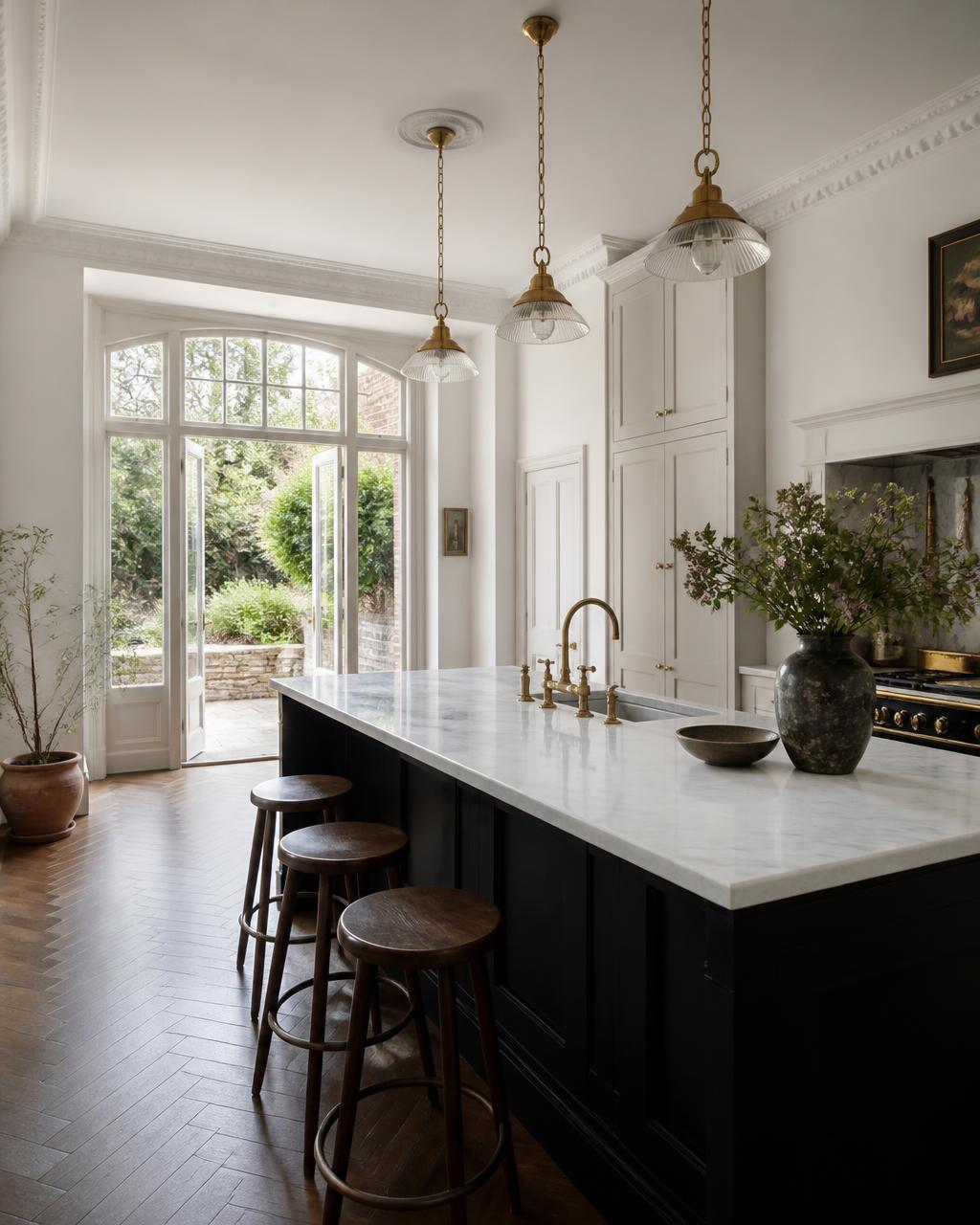
Marylebone has emerged as a favourite for buyers who want prime london apartments without the formality of Mayfair or the tourist footfall of Covent Garden. Marylebone High Street, Chiltern Street and the surrounding area offer independent shops, pavement cafés and Regency-era garden squares, all within a few minutes' walk of Bond Street, Baker Street and Oxford Circus stations. The neighbourhood feels distinctly residential despite its Zone 1 postcode, and our team has seen growing demand for two- and three-bedroom flats in well-maintained mansion blocks and boutique conversions.
Fitzrovia, bordering Marylebone to the east, shares much of the same appeal but with a slightly younger, more creative demographic. Charlotte Street and the streets around Fitzroy Square have become established dining and gallery destinations, and the Elizabeth line at Tottenham Court Road has further improved east-west connectivity. We recommend buyers compare recent sold prices via our sold prices tool to understand how premiums vary street-by-street, as even a two-minute walk can translate to a meaningful difference in per-square-foot pricing.
Talk to Seymont
What's your home worth?
A considered view on price, timing and how to bring your London home to market — a personal reply within 24 hours.
Your property
Step 1 of 2Knightsbridge and South Kensington: Blue-Chip £2M+ Flats
Knightsbridge anchors the upper end of the market for £2M+ flats, with Harrods, Harvey Nichols and Hyde Park forming the commercial and recreational core. The area attracts a global buyer base, and properties here are often held as pied-à-terre or long-term family homes. Purpose-built developments from the 1980s and 1990s, alongside grand Victorian conversions, dominate the stock, and we continue to see strong interest in buildings with porter service, secure parking and private communal gardens.
South Kensington extends the same premium positioning southward, with the advantage of the Natural History Museum, V&A and Royal Albert Hall on the doorstep. Families are drawn to the French Lycée, the Lycée's feeder nurseries and the concentration of independent prep schools. When you luxury apartments london buy in these postcodes, you are purchasing not only bricks and mortar but also access to an established international community and institutions that have anchored the area's appeal for generations. Our property for sale in Mayfair and Knightsbridge listings reflect the breadth of stock available, from studio investments to five-bedroom lateral flats.
What to Prioritise When Buying a Luxury Apartment in 2026
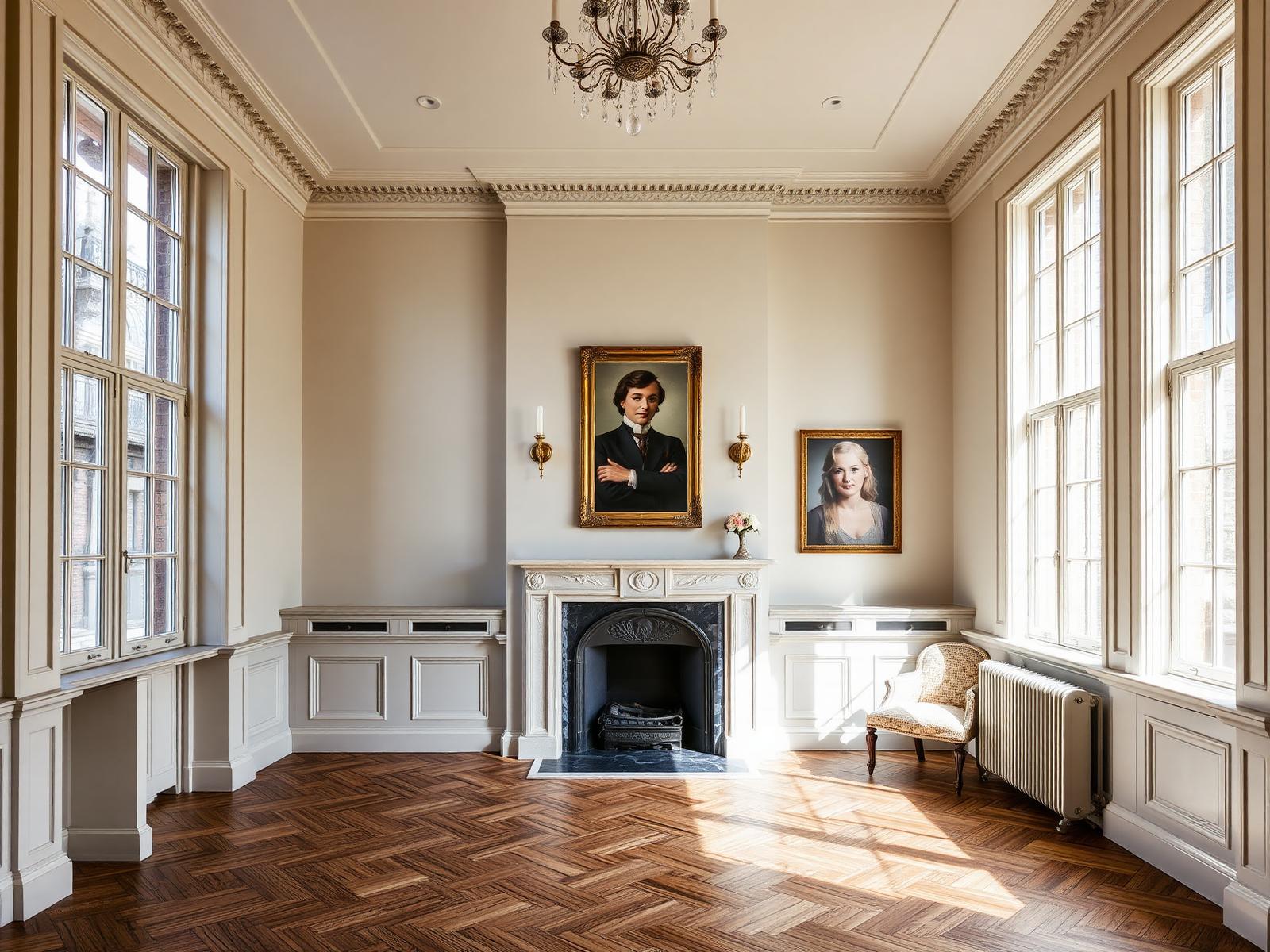
Beyond location, we encourage buyers to scrutinise lease length, service charge transparency and the quality of building management. A lease below 80 years triggers marriage value calculations and higher extension costs, so we typically recommend a minimum of 100 years remaining, or a willingness to extend immediately upon purchase. Service charges in prime central London can range from £5 to £15 per square foot annually, and reviewing the last three years of accounts will reveal whether costs are stable or escalating.
Energy performance is increasingly relevant, both for running costs and future saleability. The government has signalled a trajectory toward higher minimum EPC standards for privately rented property, and while owner-occupiers are not yet subject to the same rules, forward-thinking buyers are prioritising C-rated or better apartments to future-proof their investment. We also suggest engaging an independent surveyor for any property over £2M, even if the building is relatively modern, to identify any latent defects or upcoming capital works. Book a free, no-obligation valuation with Seymont London at seymont.co.uk/valuation if you're considering a sale or part-exchange as part of your move.
Talk to Seymont
What's your home worth?
A considered view on price, timing and how to bring your London home to market — a personal reply within 24 hours.
Your property
Step 1 of 2About the author
Julian ReyesLicensed Real Estate Agent
Julian has spent eleven years handling residential sales across west and central London, previously with the independent agencies Harlowe & Vance and Marchmont Row. He runs listings end to end, from pricing and presentation through to negotiating offers and holding chains together to completion. His writing focuses on the practical mechanics of buying and selling a home in a market where timing and preparation decide the outcome.
Licensed estate agent · 11 years in London residential sales
- Residential sales
- First-time buyers
- Offer negotiation
- Chain management
Frequently asked
- What is the average price of a luxury apartment in London?
- According to HM Land Registry data, the median price for flats in prime central London postcodes such as SW1, SW3 and W1 regularly exceeds £1.5M, with larger or exceptionally well-located units commanding £2M to £10M+. Pricing varies significantly by square footage, lease length, building amenities and proximity to parks or transport hubs.
- Which London postcodes are best for £2M+ flats?
- SW1 (Belgravia, Westminster), SW3 (Chelsea, Knightsbridge), SW7 (South Kensington), W1 (Mayfair, Marylebone, Fitzrovia) and W8 (Kensington) are the most established postcodes for £2M+ apartments. Each offers a distinct character, from the formality of Belgravia to the village feel of Marylebone, but all share blue-chip credentials and strong long-term liquidity.
- How important is lease length when buying a luxury flat?
- Lease length is critical. Leases below 80 years incur marriage value when extending, significantly increasing the cost. Most lenders require a minimum of 75–80 years at the point of mortgage completion, and resale becomes harder as the lease shortens. We recommend purchasing with at least 100 years remaining, or budgeting for an immediate lease extension.
- Are service charges negotiable on luxury apartments?
- Service charges themselves are not negotiable—they reflect the actual cost of maintaining the building and are set by the freeholder or managing agent. However, you can and should scrutinise the accounts during due diligence, challenge unreasonable increases via a First-tier Tribunal, and factor service charge levels into your offer price if they appear high relative to comparable buildings.
- Is now a good time to buy a luxury apartment in London?
- Market conditions in 2026 are shaped by interest rates, stamp duty policy and international buyer sentiment, all of which fluctuate. Historically, prime central London has demonstrated resilience over ten-year holding periods. If you have a medium- to long-term investment horizon, secure financing and a clear understanding of running costs, the fundamentals of supply constraint and global demand remain supportive.