Journal
Kensington vs Chelsea: Where Should You Live?
Written by Julian Reyes · Licensed Real Estate Agent
Published 3 February 2026 · Updated 17 May 2026 · 6 min read
The short answer
When weighing up Kensington vs Chelsea, you're choosing between two of London's most distinguished addresses—each with its own character, property market dynamics, and lifestyle appeal. Both fall within the Royal Borough of Kensington and Chelsea, yet they offer distinctly different experiences for residents.
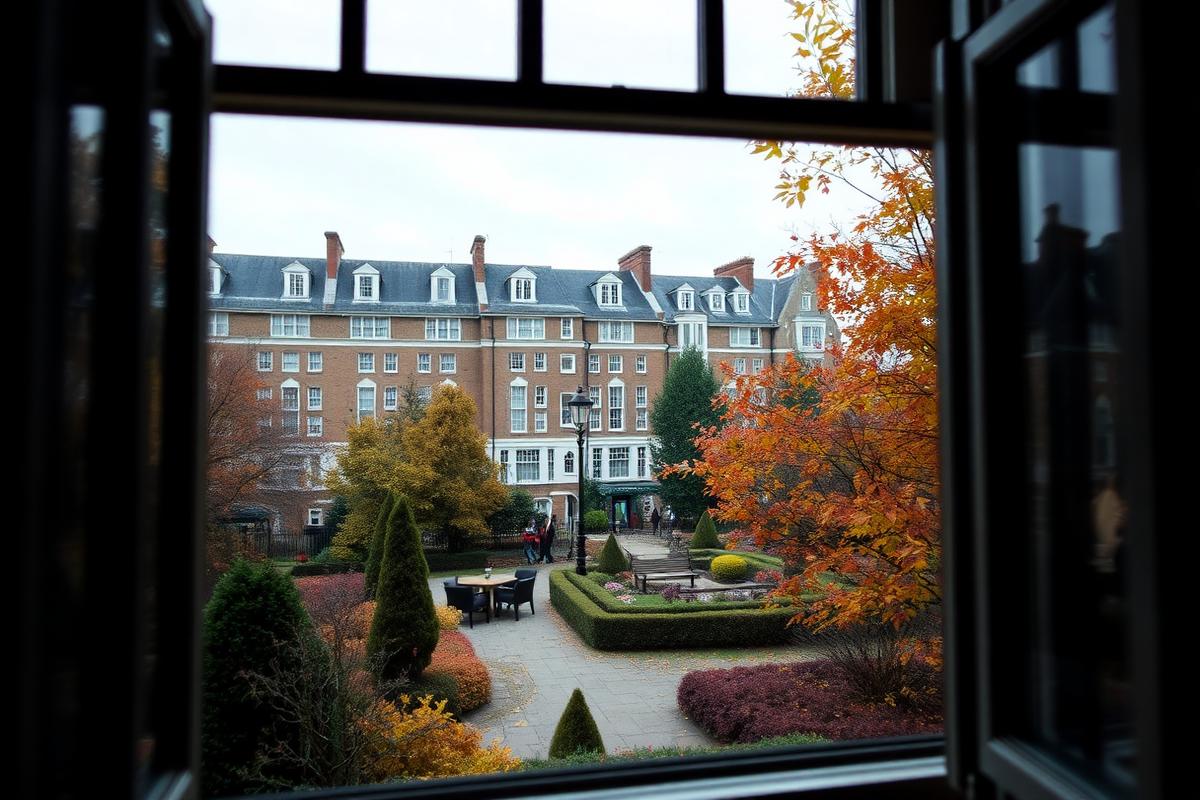
When weighing up Kensington vs Chelsea, you're choosing between two of London's most distinguished addresses—each with its own character, property market dynamics, and lifestyle appeal. Both fall within the Royal Borough of Kensington and Chelsea, yet they offer distinctly different experiences for residents. Our team at Seymont London has spent years helping clients navigate this decision, and we've crafted this comprehensive guide to illuminate what makes Kensington unique, how it compares to its equally illustrious neighbour, and whether it might be the right postcode for your next move.
The Kensington Character: Museums, Gardens and Village Enclaves
Kensington possesses a cultural gravitas that few London neighbourhoods can match. The cluster of world-class museums along Exhibition Road—the V&A, Natural History Museum, and Science Museum—defines South Kensington's intellectual atmosphere, whilst Kensington Gardens and Hyde Park create an extraordinary green lung on the eastern edge. This concentration of cultural institutions gives the area an educational, almost scholarly quality that permeates daily life.
The neighbourhood fragments into distinct micro-villages, each with its own identity. South Kensington maintains a cosmopolitan, museum-quarter atmosphere with an international resident base. High Street Kensington centres around the bustling retail corridor, blending high-street names with independent boutiques. West Kensington and Kensington Olympia offer a more residential, village-like feel with excellent transport links. Meanwhile, the streets around Kensington Palace Gardens and Holland Park represent some of London's most exclusive residential enclaves.
Kensington Church Street cuts through the heart of the area, renowned for its antiques dealers and independent shops—a retail experience markedly different from Chelsea's King's Road. The street connects Notting Hill Gate to Kensington High Street, forming a spine of authentic local commerce that has resisted full homogenisation. We've observed that clients drawn to Kensington often value this blend of international prestige and genuine neighbourhood texture.
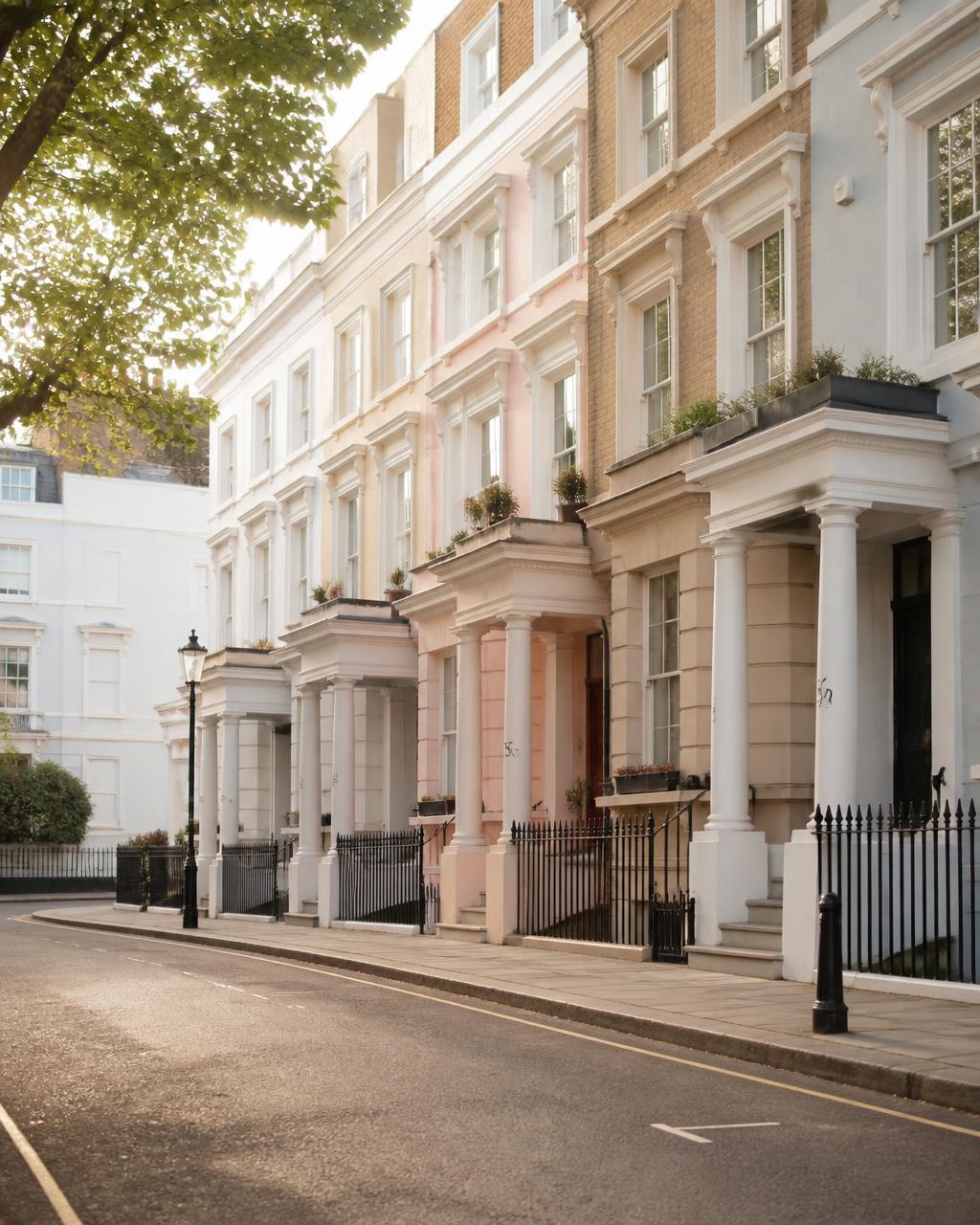
Compared to Chelsea's more uniform Georgian and Victorian elegance, Kensington presents greater architectural diversity. You'll find Edwardian mansion blocks in South Kensington, garden squares dating from the 1840s, Victorian terraces, and contemporary developments around Kensington Olympia. This variety means the area accommodates different aesthetic preferences whilst maintaining overall quality and prestige.
Kensington Property Market: Prices, Types and Notable Streets
According to HM Land Registry data, Kensington recorded 377 property sales with a median price of £1,485,000—a figure that reflects the area's position at the pinnacle of London's property market. When you compare Kensington and Chelsea, both command premium valuations, but Kensington's market shows interesting internal variation based on sub-districts and property types.
Flats dominate the market, accounting for 263 of the 377 transactions, with a median price of £1,170,000. This reflects South Kensington's prevalence of converted mansion flats and purpose-built blocks, alongside modern developments near High Street Kensington. Terraced houses commanded a median of £3,772,500 across 69 sales, with particularly sought-after examples on streets such as Campden Hill Road, Holland Street, and Phillimore Gardens. Semi-detached properties achieved a median of £5,825,000, whilst the six detached house sales ranged from £1,682,500 to £9,800,000.
Our team at Seymont London regularly markets [properties for sale in Kensington](/property-for-sale/kensington) across the spectrum, and we've noted consistent demand for lateral apartments in porter buildings and family houses near the area's outstanding schools. Notable streets including Kensington Square, Stafford Terrace, and Edwardes Square combine historical significance with contemporary desirability—addresses that carry cachet amongst both domestic and international buyers.
The rental market, according to ONS data, spans from £1,725–£2,700 per month for studios up to £7,250–£11,300 for five-bedroom properties. This represents a substantial commitment, yet demand remains robust. We frequently work with corporate relocations, diplomatic families, and professionals who value proximity to museums, parks, and excellent schools. Those exploring whether to choose [Kensington or Chelsea](/estate-agents/kensington) for a rental property often find Kensington offers marginally better value at the upper end of the market, particularly for larger family homes.
Transport, Schools and Daily Practicalities
Transport connectivity constitutes one of Kensington's considerable strengths. South Kensington station offers Piccadilly, District, and Circle lines, providing swift access to Heathrow, the West End, and the City. High Street Kensington serves the District and Circle lines, whilst Kensington Olympia provides London Overground services alongside occasional national rail connections. West Kensington adds District line access, creating a web of options that few London postcodes can rival.
This transport infrastructure proves particularly valuable for families, as it facilitates school runs, cultural excursions, and commutes. The area boasts exceptional educational provision, from pre-preparatory through to secondary level. French, German, and American international schools cluster in South Kensington, reflecting the cosmopolitan resident base, whilst several outstanding independent schools occupy converted townhouses and purpose-built campuses throughout the neighbourhood.
Daily shopping reveals both Kensington's strengths and its premium positioning. High Street Kensington provides comprehensive retail, from Whole Foods to high-street chains, whilst smaller convenience stores serve individual streets. The area lacks large supermarkets within its core, but deliveries are ubiquitous and local retailers cater to discerning tastes. Dining spans museum cafés, neighbourhood bistros on Kensington Church Street, and several high-end restaurants—though Chelsea arguably claims a livelier restaurant scene overall.
Green space access represents perhaps Kensington's greatest lifestyle advantage. Kensington Gardens and Hyde Park provide 630 acres of parkland immediately adjacent to residential streets—an amenity that fundamentally shapes daily life. Morning runs, weekend picnics, and after-school play all unfold within minutes of front doors. Holland Park adds 54 acres of more intimate woodland gardens. When clients ask us to compare the best of Kensington and Chelsea, this park access frequently tips the balance for families and fitness enthusiasts.
Talk to Seymont
What's your home worth?
A considered view on price, timing and how to bring your London home to market — a personal reply within 24 hours.
Your property
Step 1 of 2Investment Perspective: Long-Term Value in Kensington
From an investment standpoint, Kensington has demonstrated remarkable resilience across economic cycles. The area's institutional anchors—museums, royal parks, diplomatic missions—provide stability that transcends market fluctuations. International demand remains consistent, supported by schools catering to global families and Heathrow accessibility via the Piccadilly line.
Our experience marketing [Kensington properties](/estate-agents/kensington) suggests certain micro-markets outperform others. South Kensington apartments near the museums attract consistent rental demand from academics, museum professionals, and corporate tenants. Family houses within catchment areas of sought-after schools command premiums and typically sell swiftly when well-presented. The streets radiating from Kensington Square and Holland Park combine blue-chip status with relative tranquillity—addresses that appeal to long-term holders rather than speculators.
Rental yields in Kensington tend to be modest in percentage terms—a characteristic shared with most prime central London locations—but void periods are typically short and tenant quality high. Landlords considering whether to [let properties in Kensington](/let-your-property/kensington) benefit from this stable demand, though they must account for service charges in mansion blocks and maintenance costs for period houses.
Capital appreciation historically tracks broader prime central London trends, with particular strength during periods of international economic uncertainty when London's safe-haven appeal intensifies. The neighbourhood's established character means dramatic gentrification uplifts are unlikely—you're buying into a mature, prestigious market rather than an emerging one. For those examining [house prices in Kensington](/house-prices/kensington) with a decade-plus horizon, the fundamentals remain compelling: limited supply, enduring international appeal, and irreplaceable amenities.
Making the Choice: Is Kensington Right for You?
Choosing between Kensington or Chelsea ultimately depends on lifestyle priorities and personal preferences. Kensington suits those who value cultural institutions, extensive parkland, and slightly more breathing space. The neighbourhood feels less overtly social than Chelsea—you're less likely to encounter the King's Road's café culture or Chelsea's concentration of private members' clubs—but many residents consider this a virtue rather than a deficit.
Families frequently gravitate towards Kensington for the schools, parks, and museums that enrich children's daily experiences. The ability to walk to world-class cultural institutions fundamentally changes how families spend weekends and school holidays. International families particularly appreciate South Kensington's multilingual environment and the cluster of international schools.
Professionals working in Knightsbridge, Mayfair, or the City find Kensington's transport links efficient, whilst those prioritising work-life balance value the immediate access to green space for early-morning runs or post-work decompression. The area accommodates a slightly quieter, more private lifestyle than Chelsea—a quality that appeals to those who've outgrown trendier neighbourhoods or who simply prefer discretion.
Our team works extensively across both Kensington and [Chelsea](/estate-agents/chelsea), and we've noted that clients rarely agonise endlessly once they've spent time in each area. The atmospheres differ sufficiently that personal affinity typically emerges clearly. We recommend walking the key streets, visiting during different times of day, and considering your daily routines—where you'll shop, exercise, socialise, and unwind. Property represents the largest financial commitment most people make; ensuring the surrounding neighbourhood genuinely suits your lifestyle delivers value no appreciation rate can match.
Talk to Seymont
What's your home worth?
A considered view on price, timing and how to bring your London home to market — a personal reply within 24 hours.
Your property
Step 1 of 2About the author
Julian ReyesLicensed Real Estate Agent
Julian has spent eleven years handling residential sales across west and central London, previously with the independent agencies Harlowe & Vance and Marchmont Row. He runs listings end to end, from pricing and presentation through to negotiating offers and holding chains together to completion. His writing focuses on the practical mechanics of buying and selling a home in a market where timing and preparation decide the outcome.
Licensed estate agent · 11 years in London residential sales
- Residential sales
- First-time buyers
- Offer negotiation
- Chain management
Frequently asked
- What is the average house price in Kensington?
- According to HM Land Registry data, the median property price in Kensington is £1,485,000 across all property types. Flats typically sell for a median of £1,170,000, whilst terraced houses command around £3,772,500. Semi-detached properties achieve approximately £5,825,000, reflecting Kensington's position as one of London's most prestigious residential areas.
- Which Kensington area is best for families?
- South Kensington and the streets around Holland Park are particularly family-friendly, offering proximity to outstanding schools, museums, and extensive parkland. Areas near Kensington Gardens provide immediate access to 630 acres of green space, whilst South Kensington's international schools attract diplomatic and corporate families from around the world. Transport links from South Kensington and High Street Kensington stations also facilitate school runs and family outings.
- How much does it cost to rent in Kensington?
- ONS data shows Kensington rental costs range from £1,725–£2,700 monthly for studios, £2,275–£3,550 for one-bedroom properties, and £3,100–£4,850 for two bedrooms. Family homes command higher rents: three-bedroom properties typically cost £4,150–£6,475, four bedrooms £5,525–£8,625, and five-plus bedrooms £7,250–£11,300 per month. These figures reflect Kensington's premium positioning and consistent tenant demand.
- What are the most sought-after streets in Kensington?
- Campden Hill Road, Kensington Church Street, Holland Street, and Phillimore Gardens consistently rank amongst Kensington's most desirable addresses. Kensington Square, Stafford Terrace, and Edwardes Square offer garden-square living with historical significance. Kensington Palace Gardens represents the absolute pinnacle of exclusivity, though properties rarely come to market. Each street offers distinct architectural character whilst maintaining Kensington's overall prestige.
- Is Kensington well connected for commuting?
- Kensington offers excellent transport connectivity across multiple stations. South Kensington provides Piccadilly, District, and Circle lines, with direct access to Heathrow, the West End, and the City. High Street Kensington serves District and Circle lines, whilst Kensington Olympia offers London Overground and occasional national rail services. West Kensington adds further District line access. This network provides commuting flexibility that few London neighbourhoods can match.