Journal
Kensington House Prices in 2026
Written by Nina Castellano · Investment Property Advisor
Published 5 October 2025 · Updated 23 December 2025 · 6 min read
The short answer
Kensington house prices continue to command a significant premium in London's prime property market, with HM Land Registry data revealing a median sale price of £1.3 million based on 76 recorded transactions. As one of the capital's most prestigious residential enclaves, Kensington encompasses diverse micro-markets—from the elegant garden squares off Kensington High Street to the grandeur of Kensington Palace Gardens and the vibrant streets around South Kensington's museum quarter.
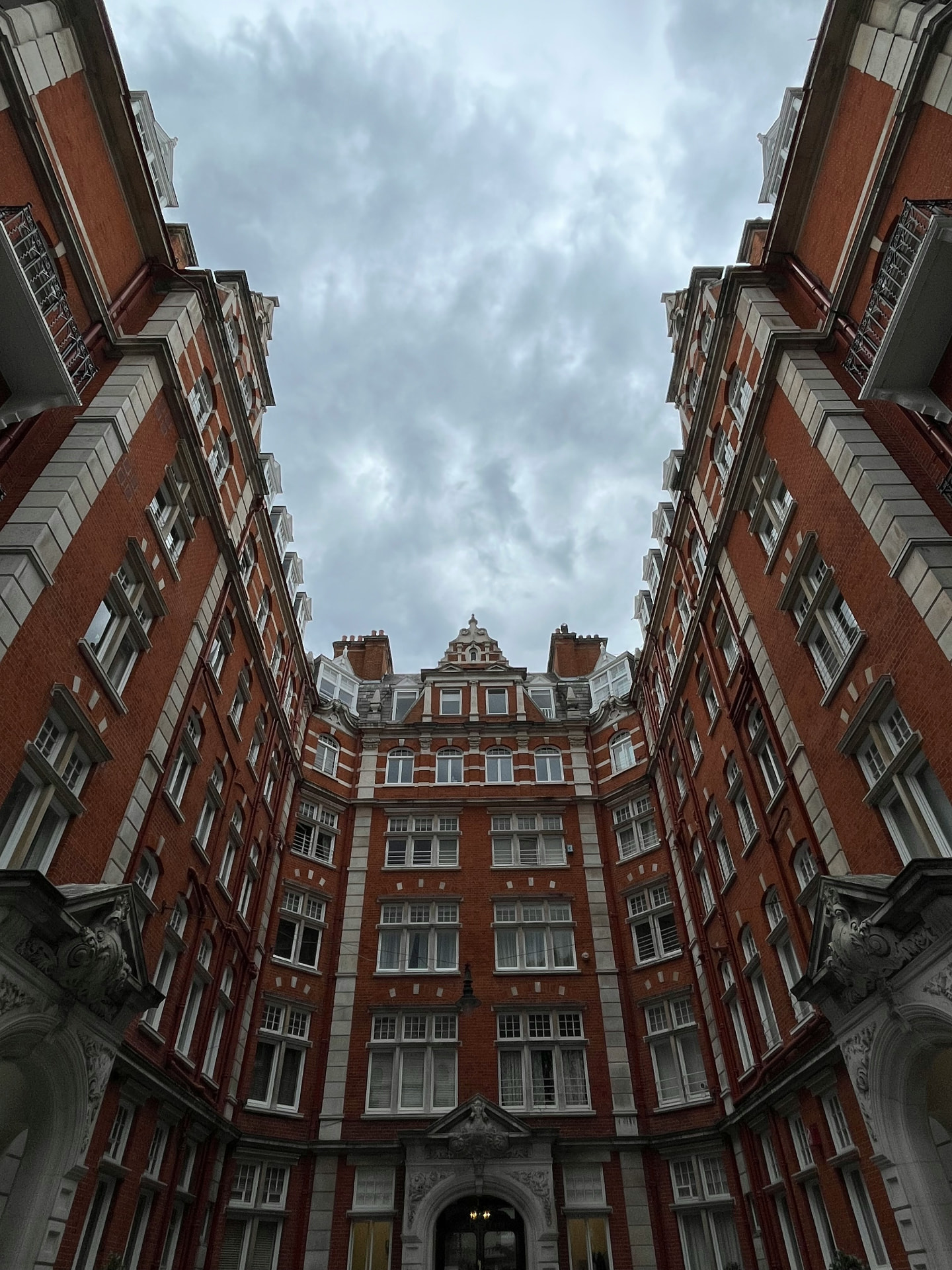
Kensington house prices continue to command a significant premium in London's prime property market, with HM Land Registry data revealing a median sale price of £1.3 million based on 76 recorded transactions. As one of the capital's most prestigious residential enclaves, Kensington encompasses diverse micro-markets—from the elegant garden squares off Kensington High Street to the grandeur of Kensington Palace Gardens and the vibrant streets around South Kensington's museum quarter. Our team at Seymont London has witnessed enduring demand across this Royal Borough postcode, driven by world-class cultural institutions, exceptional schools, and the unmatched lifestyle that comes with living in one of London's most distinguished addresses.
Average House Price Kensington: Market Overview by Property Type
The average house price Kensington varies significantly according to property type, reflecting the area's architectural diversity and the stratified nature of its housing stock. According to HM Land Registry Price Paid Data, flats dominate the market with 56 of the 76 recorded sales, achieving a median price of £1,075,000—though the range spans from £249,950 to an exceptional £11,096,741, illustrating the breadth from compact pied-à-terre apartments to palatial lateral conversions.
Terraced houses, historically the backbone of Kensington's residential streets, recorded 12 sales with a median of £4,150,000, ranging from £900,000 to £11 million. These properties, many of which line the notable streets such as Campden Hill Road, Kensington Church Street, and Phillimore Gardens, represent the quintessential Kensington family home—characterised by elegant proportions, private gardens, and proximity to the area's green spaces.
The single detached property sale reached £4.7 million, whilst the sole semi-detached transaction commanded £10.25 million, underscoring the rarity and desirability of houses with separation on both sides in this densely built environment. Six transactions categorised as 'other'—typically commercial conversions or mixed-use properties—achieved a median of £3,705,000, reflecting Kensington's evolving property landscape where former institutional buildings find new residential life.
Kensington Property Prices Across Key Neighbourhoods
Kensington property prices demonstrate pronounced variation across the area's distinct neighbourhoods, each offering its own character and appeal. South Kensington, anchored by the Natural History Museum, Victoria and Albert Museum, and the Royal Albert Hall, attracts international buyers seeking proximity to cultural landmarks and excellent transport links via the Piccadilly, Circle, and District lines. The concentration of white-stucco mansion blocks and converted Victorian houses here appeals particularly to professionals and diplomats.
High Street Kensington and the surrounding streets offer a different proposition—commercial vibrancy combined with residential tranquillity. Properties within walking distance of Kensington High Street benefit from exceptional retail amenities, yet many of the most sought-after addresses lie tucked away in peaceful squares such as Kensington Square and Edwardes Square, where period features and communal gardens command substantial premiums.
West Kensington and the Kensington Olympia vicinity present more accessible entry points to the Kensington postcode, though these areas increasingly appeal to young families and first-time buyers seeking the cachet of a Kensington address. Properties here typically achieve lower per-square-foot values than their counterparts closer to Kensington Palace Gardens or Holland Street, yet offer excellent value within the broader context of prime central London.
The apex of Kensington's property market remains Kensington Palace Gardens and its immediate surrounds—often cited among the world's most expensive residential streets. Whilst transaction volumes here remain limited due to the scarcity of available properties, sales that do occur invariably reset benchmark prices for London's ultra-prime segment.
Kensington Sold Prices: Notable Streets and Transaction Patterns
Analysis of Kensington sold prices reveals that certain streets consistently outperform the area median, reflecting historical prestige, architectural distinction, and locational advantages. Among the notable streets recording transactions, Campden Hill Road stands out for its elevated position, generous plot sizes, and commanding views across West London. Properties here frequently feature substantial private gardens—a rarity in central London that drives significant price premiums.
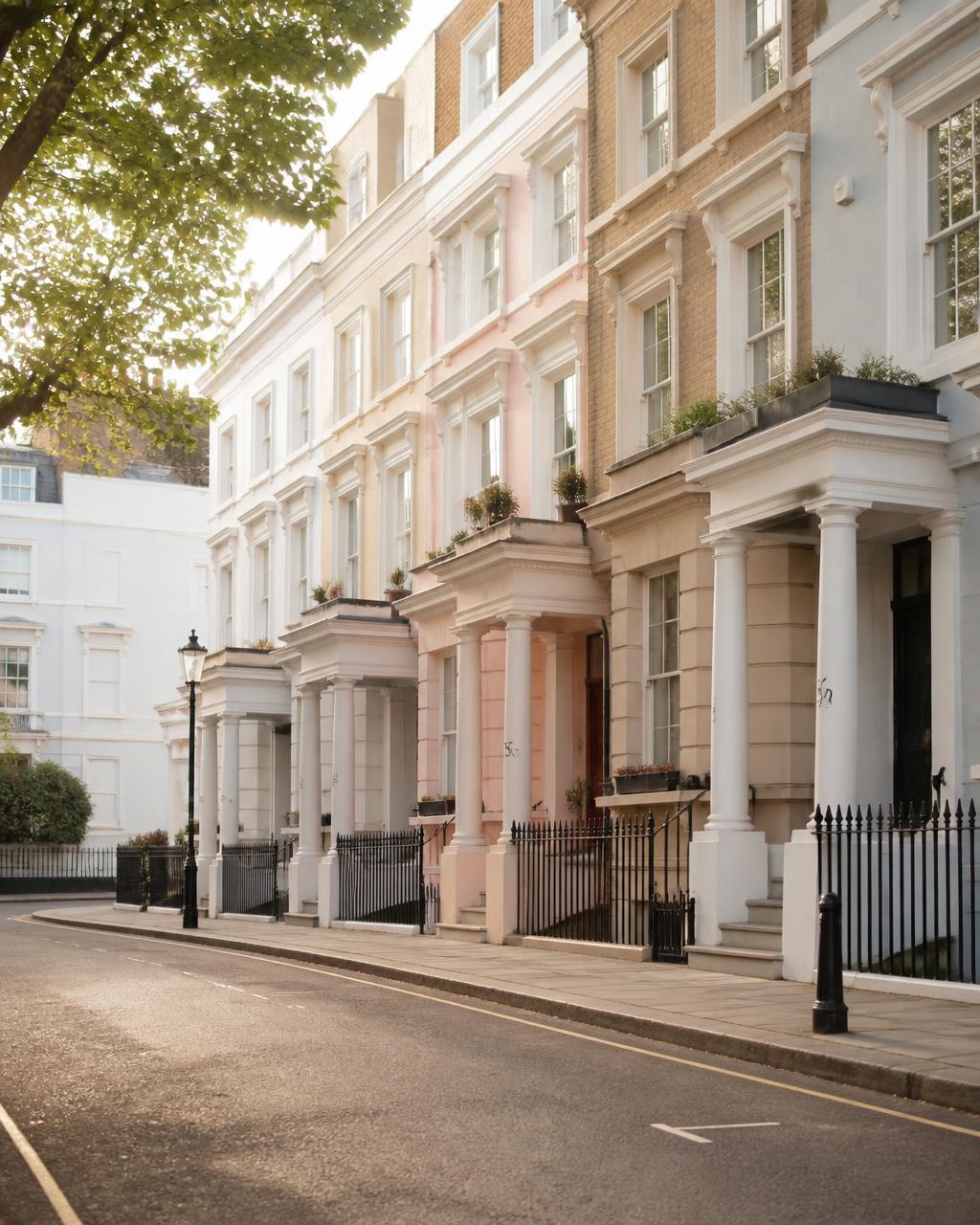
Kensington Church Street, running from Notting Hill Gate to Kensington High Street, offers a diverse property mix from grand stucco-fronted houses to charming mews conversions tucked behind its famous antiques dealers and galleries. Phillimore Gardens and Stafford Terrace exemplify Kensington's garden square typology, where access to private communal gardens and proximity to Holland Park elevate values considerably above comparable properties lacking these amenities.
Argyll Road and Holland Street have witnessed particular interest from families prioritising catchment areas for Kensington's outstanding state and independent schools. The Premium attached to properties within walking distance of institutions such as the Lycée Français Charles de Gaulle and various preparatory schools can add 15-20% to comparable properties elsewhere in the postcode.
Our team has observed that the 76 transactions recorded represent a selective market where quality consistently trumps volume. Discerning buyers focus on provenance, condition, and the intangible qualities that define a 'best-in-class' Kensington address—factors that raw price data alone cannot fully capture but which fundamentally drive value in this rarefied segment of London's property market.
Talk to Seymont
What's your home worth?
A considered view on price, timing and how to bring your London home to market — a personal reply within 24 hours.
Your property
Step 1 of 2Rental Market Dynamics and Investment Perspectives
Beyond house for sale opportunities, Kensington's rental market offers insights into the area's investment appeal and residential demand patterns. ONS data indicates monthly rental ranges from £1,500-£2,350 for studios to £6,350-£9,900 for five-bedroom-plus properties, reflecting the premium that tenants willingly pay for a Kensington postcode.
The rental market here serves diverse constituencies: international students attending Imperial College London and the Royal College of Art in South Kensington; corporate relocations seeking furnished accommodation near Kensington High Street; and established families requiring long-term rentals whilst searching for houses to sale that meet exacting specifications. This tenant diversity provides landlords with resilience across economic cycles.
Yield considerations in Kensington typically prioritise capital preservation and long-term appreciation over immediate income return. Gross yields generally range between 2.5-3.5% for prime properties—modest by UK standards but compensated by the liquidity, security, and historical performance of Kensington assets. Our experience suggests that investors view Kensington property as a 'store of value' comparable to other scarce, prime assets rather than purely income-generating vehicles.
For those considering letting your property in Kensington, understanding the granular sub-market dynamics proves essential. Properties near South Kensington station command premiums from international tenants, whilst family houses near Holland Park or Kensington Gardens attract longer tenancies from diplomats and senior executives. The rental market's health—evidenced by sustained demand across all bedroom categories—reinforces Kensington's fundamental residential appeal beyond speculative investment.
Market Outlook and Strategic Considerations for 2026
Looking across 2026, Kensington house prices appear supported by structural factors that have historically underpinned this market: absolute scarcity of stock, enduring international appeal, and the irreplaceable combination of location, heritage, and lifestyle amenities. The relatively modest sales count of 76 transactions underscores the 'tightly held' nature of Kensington property, where ownership frequently spans generations and turnover remains constrained.
Macroeconomic conditions—including interest rate trajectories, Sterling exchange rates, and international capital flows—will inevitably influence short-term price movements. However, our observation across market cycles suggests Kensington demonstrates greater resilience than broader London averages, with any corrections typically shallower and recoveries swifter than less established postcodes.
For prospective buyers exploring property for sale Kensington, the current environment rewards thorough due diligence and patient acquisition strategies. Off-market opportunities continue to surface, particularly among estates and long-held family properties where discretion takes precedence over maximum exposure. Understanding micro-market nuances—the premium for south-facing gardens, the value differential between leasehold and share-of-freehold, the impact of conservation area restrictions—proves essential to securing optimal value.
Whether acquiring a pied-à-terre flat in South Kensington, a family house near Holland Park, or a substantial property on one of the area's premier streets, buyers should view Kensington property through a long-term lens. The forces that have sustained values here for decades—Royal Borough amenities, transport connectivity, cultural institutions, and the intangible prestige of the address—remain firmly intact as we progress through 2026.
Talk to Seymont
What's your home worth?
A considered view on price, timing and how to bring your London home to market — a personal reply within 24 hours.
Your property
Step 1 of 2About the author
Nina CastellanoInvestment Property Advisor
Nina advises landlords and investors on rental yields, tenant demand and portfolio structure across Greater London, after running lettings and management at Bellhouse Property Partners. She has overseen single units and multi-property portfolios, and works through compliance, void periods and running costs before a purchase is agreed. Her articles deal with the numbers behind a buy-to-let rather than the headline gross yield.
Lettings and portfolio management · 9 years in London rentals
- Buy-to-let
- Rental yields
- Portfolio strategy
- Landlord compliance
Frequently asked
- What is the average house price in Kensington in 2026?
- According to HM Land Registry Price Paid Data, the median house price in Kensington stands at £1.3 million based on 76 recorded transactions. However, this figure varies significantly by property type: flats achieve a median of £1,075,000, terraced houses £4,150,000, and the single semi-detached sale reached £10.25 million. The average house price Kensington depends greatly on property type, location within the postcode, and specific street prestige.
- Which are the most expensive streets in Kensington?
- Kensington Palace Gardens consistently ranks among the world's most expensive residential addresses, though transaction volumes remain limited. Other notable premium streets include Campden Hill Road, Phillimore Gardens, and Holland Street, where properties command significant premiums due to factors such as garden squares, proximity to Holland Park, and architectural distinction. Kensington Church Street and Kensington Square also feature among the area's most prestigious addresses, with sold prices reflecting their historical significance and prime positioning.
- How do Kensington property prices compare between South Kensington, High Street Kensington, and West Kensington?
- South Kensington and High Street Kensington command the highest property prices within the postcode, driven by proximity to cultural institutions, superior transport links, and concentration of period mansion blocks and terraced houses. West Kensington and areas around Kensington Olympia offer more accessible entry points with lower per-square-foot values, yet still benefit from the Kensington postcode prestige. Price differentials between these sub-markets can reach 30-40% for comparable property types.
- What rental income can I expect from a Kensington property?
- ONS data indicates Kensington rental ranges from £1,500-£2,350 monthly for studios, £2,000-£3,100 for one-bedroom flats, £2,725-£4,250 for two-bedroom properties, and £3,625-£5,650 for three-bedroom homes. Larger family houses with four bedrooms achieve £4,825-£7,550, whilst five-bedroom-plus properties command £6,350-£9,900 monthly. Gross yields typically range between 2.5-3.5%, reflecting Kensington's positioning as a capital preservation asset rather than high-yield investment.
- Is now a good time to buy property in Kensington?
- Kensington's property market rewards long-term perspectives rather than short-term timing strategies. The area's structural advantages—scarcity of stock, international appeal, exceptional amenities, and historical resilience—remain intact in 2026. With only 76 recorded transactions, competition for best-in-class properties remains intense, suggesting quality assets continue finding buyers regardless of broader market conditions. Prospective purchasers should focus on securing the right property rather than attempting to time market movements, particularly given Kensington's demonstrated performance across multiple economic cycles.