Journal
Kensington High Street London: Shops, Restaurants and Why It Matters for Property
Written by Julian Reyes · Licensed Real Estate Agent
Published 4 April 2026 · Updated 1 August 2026 · 4 min read
The short answer
Kensington High Street London remains one of west London's most important retail and transport corridors, anchoring the neighbourhood with department stores, independent shops, restaurants and direct access to the Circle and District lines. For anyone considering property in W8, the High Street's mix of amenities and connectivity directly shapes day-to-day life and long-term investment appeal.
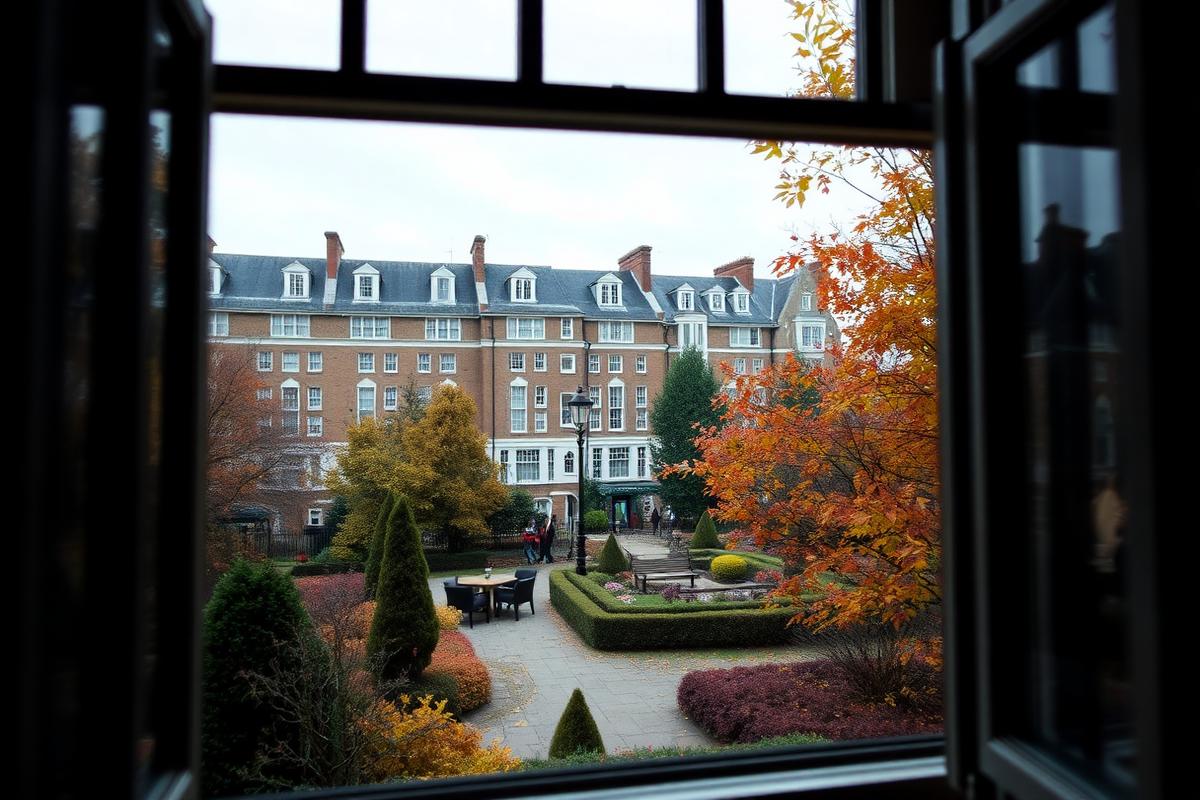
Kensington High Street London remains one of west London's most important retail and transport corridors, anchoring the neighbourhood with department stores, independent shops, restaurants and direct access to the Circle and District lines. For anyone considering property in W8, the High Street's mix of amenities and connectivity directly shapes day-to-day life and long-term investment appeal. We explore what makes this thoroughfare so significant for buyers, sellers and residents alike.
Retail and Shopping on Kensington High Street
The street runs for approximately one mile from Kensington Palace Gardens in the west to the boundary with Earl's Court in the east, lined with a broad range of retail offerings. Whole Foods Market anchors the western end, while high-street names including Marks & Spencer, Waterstones and a selection of fashion and homeware chains occupy much of the central stretch. Independent boutiques, pharmacies and convenience stores fill the gaps, ensuring residents rarely need to leave the postcode for daily essentials.
Kensington shopping extends beyond the High Street itself: Kensington Arcade and smaller side streets such as Kensington Church Street offer antiques dealers, jewellers and specialist retailers. This variety keeps footfall consistent throughout the week, supports local employment and contributes to the stable desirability of nearby residential streets. For property buyers, proximity to a functioning, well-tenanted high street is a material advantage when comparing neighbourhoods across prime central London.
Restaurants, Cafés and Evening Economy
The dining scene on kensington high street london caters to both quick lunches and sit-down dinners. Long-established names include Bill's, Côte and a branch of Wagamama, alongside independent cafés, juice bars and bakeries that serve the daytime office and residential population. Pubs such as The Elephant & Castle and The Britannia provide traditional options, while wine bars and smaller bistros appeal to evening trade.
Restaurant turnover on any high street can be unpredictable, but the W8 high street benefits from its position between Notting Hill, Holland Park and South Kensington—three affluent postcodes with strong residential demand. This catchment sustains a diverse hospitality sector and means new openings typically replace closures without long voids. For families and professionals weighing up a move, the balance between convenience dining and quality independents often tips the scales in Kensington's favour.
Transport Links and Accessibility
High Street Kensington station sits at the heart of the thoroughfare, serving the Circle and District lines with step-free access to street level. According to Transport for London, the station recorded over 14 million entries and exits in 2019, underscoring its role as a commuter and visitor hub. Journey times to South Kensington, Notting Hill Gate, Victoria and the City are all under 20 minutes, while westbound services reach Heathrow in under an hour.
Numerous bus routes—including the 9, 10, 27, 49 and 328—run the length of kensington high street london, connecting north to Hampstead, south to Battersea and east into the West End. Cycling infrastructure has improved in recent years, with dedicated lanes on adjacent roads and Santander Cycle docking stations at multiple points along the street. For buyers comparing properties across west London, transport scoring often proves decisive, and Kensington's connectivity remains difficult to match outside Zone 1.
Talk to Seymont
What's your home worth?
A considered view on price, timing and how to bring your London home to market — a personal reply within 24 hours.
Your property
Step 1 of 2Why Kensington High Street Matters for Property Values
Amenity density and transport access are two of the strongest predictors of residential price resilience, particularly in prime London markets. Properties within a five-minute walk of the High Street command a premium over comparable homes further from retail and Tube services, a pattern visible in HM Land Registry data for W8 over the past decade. Buyers—especially international investors and relocating professionals—prioritise walkability, and kensington high street london delivers that in abundance.
We work with clients across Kensington who cite the High Street as a material factor in their purchase decision, whether they are upsizing families who value Whole Foods and weekend cafés or downsizing retirees who no longer wish to drive. The street also supports employment in retail, hospitality and professional services, contributing to a stable, year-round residential population rather than the seasonal voids seen in some ultra-prime postcodes. If you are evaluating property options in W8, our team at /estate-agents/kensington can walk you through micro-location trade-offs and recent transaction evidence via our /sold-prices tool.
Understanding how the High Street's evolution—new openings, planning applications, public-realm improvements—affects specific addresses requires local expertise and up-to-date market intelligence. Book a free, no-obligation valuation with Seymont London at /valuation to discuss your property in the context of Kensington's unique strengths.
Living Near Kensington High Street: Practical Considerations
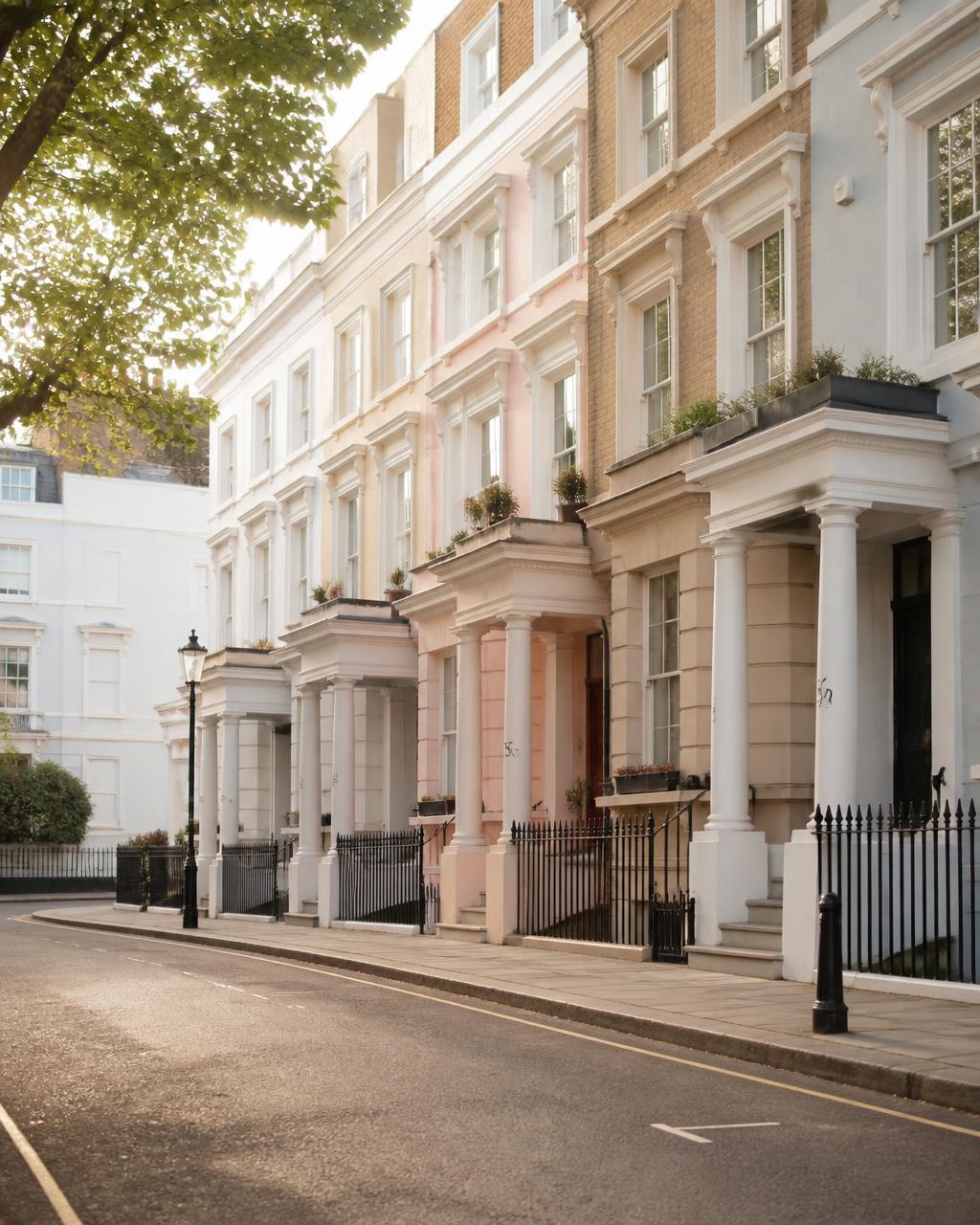
Noise and traffic are inevitable on any major London thoroughfare. Properties directly fronting the High Street often feature double or secondary glazing, and many period conversions have been reconfigured so bedrooms face quiet rear elevations or internal courtyards. Side streets immediately off the High Street—such as those running south towards Kensington Gore or north towards Notting Hill Gate—offer a middle ground: proximity without direct exposure.
Parking on the High Street itself is restricted to short-stay bays and loading zones, and most residential buildings nearby fall within controlled parking zones requiring permits. The Council issues resident and visitor permits for eligible addresses; full details are published by the Royal Borough of Kensington and Chelsea. For families considering schools, several well-regarded state and independent primaries lie within walking distance, and secondary options in Holland Park, Hammersmith and Fulham are accessible by bus or Tube. Our /property-for-sale/kensington listings highlight these practical details, helping buyers match their requirements to available stock.
Talk to Seymont
What's your home worth?
A considered view on price, timing and how to bring your London home to market — a personal reply within 24 hours.
Your property
Step 1 of 2About the author
Julian ReyesLicensed Real Estate Agent
Julian has spent eleven years handling residential sales across west and central London, previously with the independent agencies Harlowe & Vance and Marchmont Row. He runs listings end to end, from pricing and presentation through to negotiating offers and holding chains together to completion. His writing focuses on the practical mechanics of buying and selling a home in a market where timing and preparation decide the outcome.
Licensed estate agent · 11 years in London residential sales
- Residential sales
- First-time buyers
- Offer negotiation
- Chain management
Frequently asked
- What Tube station serves Kensington High Street?
- High Street Kensington station, on the Circle and District lines, is located mid-way along Kensington High Street and offers step-free access to street level.
- Is Kensington High Street good for shopping?
- Yes. The street hosts a mix of high-street chains, a Whole Foods Market, Marks & Spencer, independent boutiques and specialist retailers on side streets such as Kensington Church Street.
- Are there restaurants and cafés on Kensington High Street?
- The High Street offers a wide range of dining options, from chain restaurants such as Bill's and Wagamama to independent cafés, bakeries, pubs and wine bars catering to daytime and evening trade.
- Does living near Kensington High Street increase property values?
- Properties within walking distance of the High Street and High Street Kensington station typically command a premium due to transport connectivity, retail amenities and overall walkability, a pattern reflected in HM Land Registry transaction data.
- Is Kensington High Street noisy for residents?
- Properties directly on the High Street experience typical urban noise and traffic. Many period conversions feature double glazing and rear-facing bedrooms, while side streets offer quieter alternatives within easy walking distance of amenities.