Guides
Leasehold vs Freehold: Navigating Ownership in Prime London
Written by Nina Castellano · Investment Property Advisor
Published 20 January 2026 · Updated 23 January 2026 · 4 min read
The short answer
When you are acquiring a residence in Kensington or Notting Hill, the legal structure of your ownership is as critical as the architectural provenance. As the founder of Seymont London, we deal directly with every client from valuation to completion, and the 'leasehold vs freehold' debate is a cornerstone of our initial consultations.
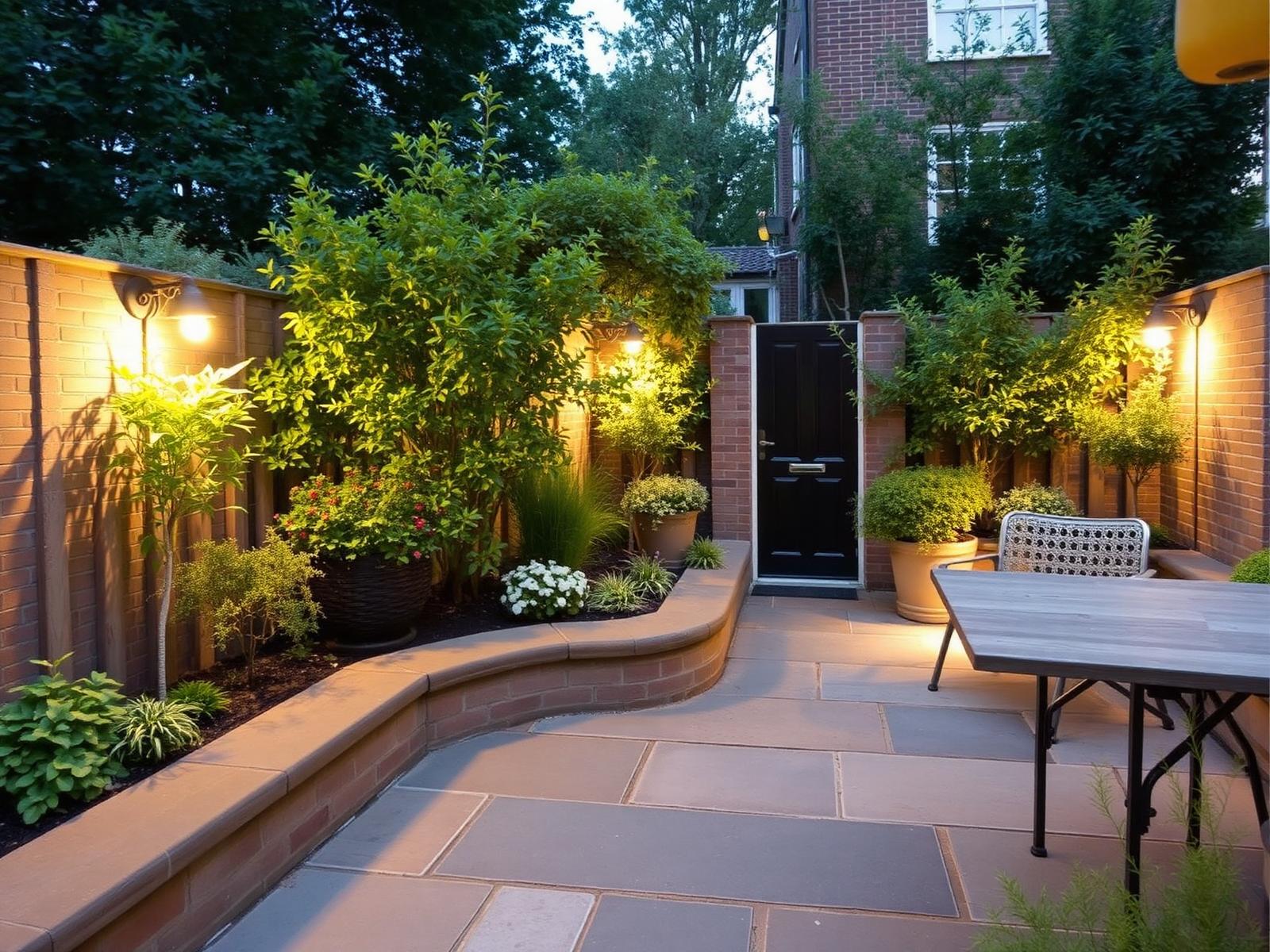
When you are acquiring a residence in Kensington or Notting Hill, the legal structure of your ownership is as critical as the architectural provenance. As the founder of Seymont London, we deal directly with every client from valuation to completion, and the 'leasehold vs freehold' debate is a cornerstone of our initial consultations. In the Royal Borough of Kensington & Chelsea, where period conversions and mansion blocks define the landscape, understanding the long-term implications of these tenures is essential for protecting your capital and ensuring future liquidity. This guide provides a definitive look at how these structures operate within the unique ecosystem of prime London real estate.
The Prime London Landscape: Tenure Types Defined
In the simplest terms, owning a freehold means you own the building and the land it sits on in perpetuity. This is the gold standard for the terraced and semi-detached houses found behind Kensington Church Street or on the prestigious Phillimore Gardens. However, in prime London, the majority of apartments—whether they are raised-ground floor flats in white stucco terraces or red-brick mansion blocks—are held on a leasehold basis. A leasehold is a long-term tenancy that grants you the right to occupy the property for a set period, often starting at 99, 125, or 999 years.
According to HM Land Registry figures, the vast majority of apartment transactions in postcodes like W8 and W11 involve leasehold titles. The lease is a contract between the leaseholder and the freeholder, outlining the responsibilities of both parties. In our experience, the distinction between leasehold vs freehold becomes most apparent when considering redevelopment or structural changes. A freeholder on Campden Hill Road has far greater autonomy than a leaseholder in a mansion block off High Street Kensington, who must navigate the requirements of a head lessor and often a management company.
Understanding Share of Freehold in London
A popular middle ground in W11 and W8 is a 'share of freehold London' arrangement. This is particularly common in period conversions, such as those found on Lansdowne Road or Chepstow Villas. In this scenario, the freehold of the entire building is owned by a company, and each flat owner holds a share in that company. While you still technically have a lease, you also have a say in how the building is managed and maintained.
The primary advantage of a share of freehold London property is the ability to grant yourselves lease extensions—often up to 999 years—for a nominal cost, and the collective control over service charges. In our work at Seymont London, we often find that experienced buyers specifically target these properties because they offer more transparency and control than a traditional leasehold managed by an external institutional landlord. It transforms the relationship from one of tenant and landlord to one of collective stewardship.
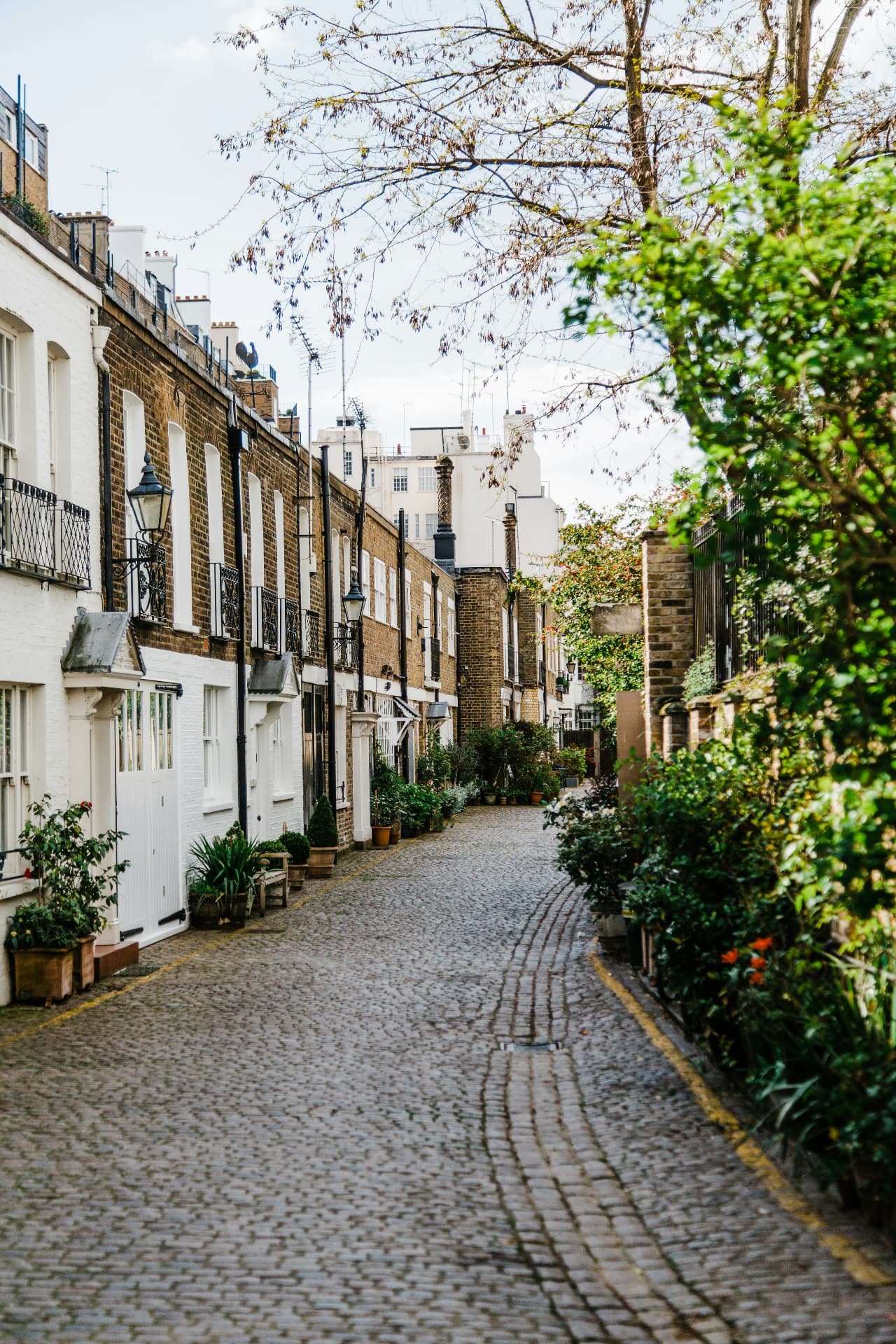
Lease Length, Ground Rent, and Service Charges
For any leasehold property, the remaining term is the most vital metric. In Kensington, where the average price sits around £2,650,000, a lease dropping below 80 years can trigger a significant drop in value and make the property difficult to mortgage due to 'marriage value' costs. When we are reviewing a lease for a client on Stafford Terrace or Edwardes Square, we look beyond the headline years. We must also examine the ground rent structure. Historical leases often have 'peppercorn' rents, but newer or recently extended leases might have doubling clauses that can become onerous if not properly scrutinized.
Service charges in prime London reflect the high standard of maintenance required for heritage assets. In the red-brick mansion blocks near Gloucester Road or the garden square terraces of Notting Hill, these charges cover porterage, lift maintenance, and the upkeep of communal areas. According to HM Land Registry data, these costs are a standard part of the luxury ecosystem, but they must be balanced against the amenities provided. At Seymont London, we insist on reviewing the last three years of service charge accounts and any planned 'sinking fund' expenditures before our clients commit to a purchase.
Talk to Seymont
What's your home worth?
A considered view on price, timing and how to bring your London home to market — a personal reply within 24 hours.
Your property
Step 1 of 2The Premium for Communal Garden Rights
Notting Hill presents a unique variable in the leasehold vs freehold discussion: communal garden access. Streets like Elgin Crescent and Ladbroke Grove are famous for their private communal gardens, which are accessible only to the residents whose properties back onto them. Rights to these gardens are usually tied to the property title, regardless of whether it is freehold or leasehold. This 'garden square premium' is a major driver of price per square foot, which currently averages around £1,480 in W11.
Market data from August 2026 suggests that houses with these garden rights remain firm in price, even when the broader market is flat. As a senior-led agency, we personally walk every property to understand these nuances. A garden-level flat with direct access to a communal square is a fundamentally different asset from a top-floor flat without a lift in the same building. Understanding how these rights are enshrined in the lease or freehold title is a core part of the valuation process we provide for our sellers.
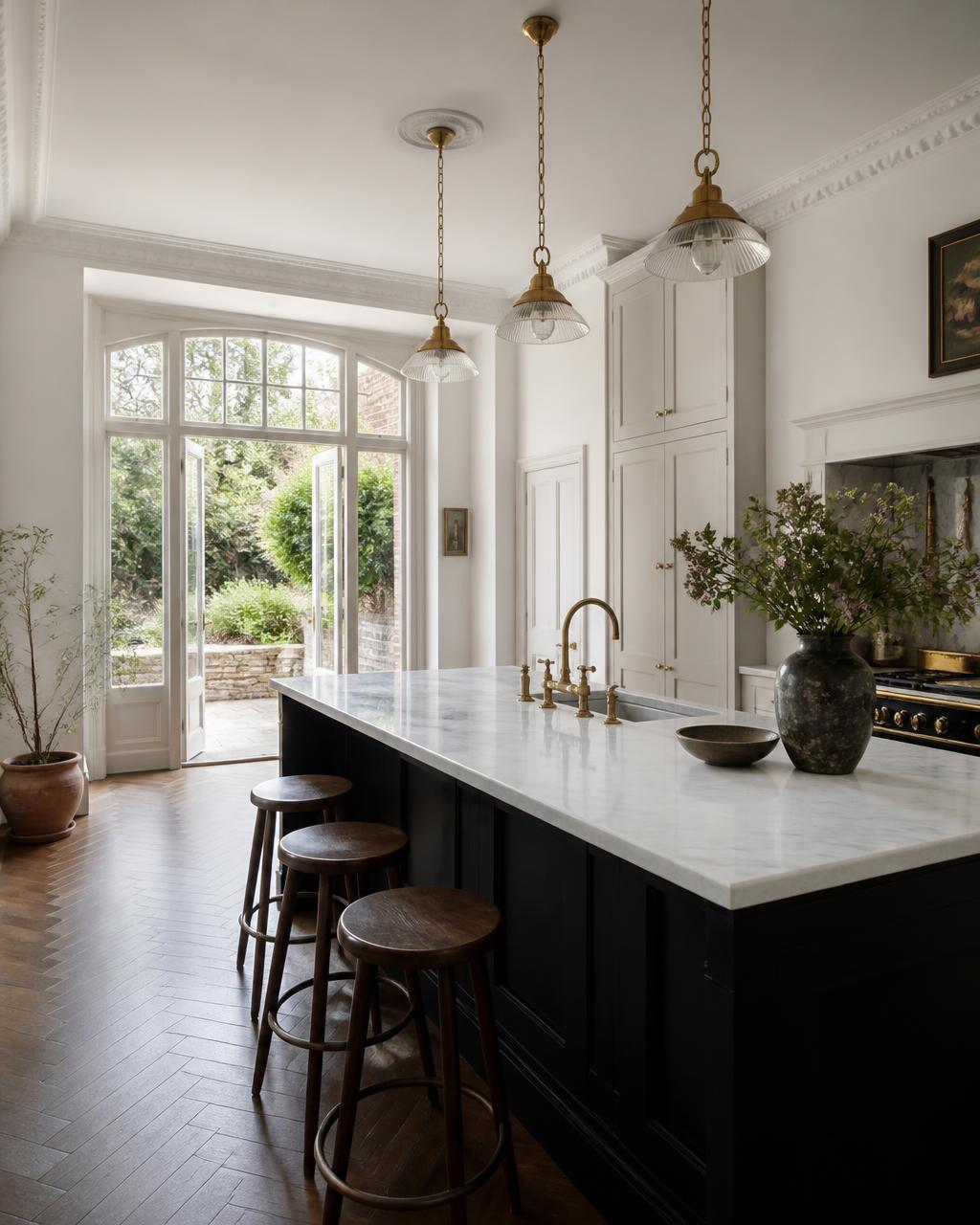
Strategic Advice for Kensington and Notting Hill Sellers
If you are selling a leasehold property in Kensington, the most important step you can take before going to market is ensuring your lease is 'clean.' Buyers in the £2m+ bracket, often represented by sophisticated buying agents, will immediately flag short leases or high ground rents. If your lease has less than 90 years remaining, we often advise beginning the extension process under the Leasehold Reform, Housing and Urban Development Act 1993 before we launch the marketing campaign.
In Notting Hill, the presentation of a share of freehold London property is equally important. Sellers should have all management company records, recent works certificates, and insurance documents ready. In this market, the difference between a successful sale and a withdrawn listing is often the agent's ability to answer technical questions about the tenure during the very first viewing. Because we handle every interaction personally, we ensure we have read the lease and understood the management structure before the first door is opened to a prospect.
Talk to Seymont
What's your home worth?
A considered view on price, timing and how to bring your London home to market — a personal reply within 24 hours.
Your property
Step 1 of 2About the author
Nina CastellanoInvestment Property Advisor
Nina advises landlords and investors on rental yields, tenant demand and portfolio structure across Greater London, after running lettings and management at Bellhouse Property Partners. She has overseen single units and multi-property portfolios, and works through compliance, void periods and running costs before a purchase is agreed. Her articles deal with the numbers behind a buy-to-let rather than the headline gross yield.
Lettings and portfolio management · 9 years in London rentals
- Buy-to-let
- Rental yields
- Portfolio strategy
- Landlord compliance
Frequently asked
- What is the 'marriage value' in a lease extension?
- Marriage value is the increase in the value of the property following a lease extension. Under current UK law, if a lease has less than 80 years remaining, the freeholder is entitled to 50% of this 'marriage value' as part of the extension premium. This is why we always recommend extending before the 80-year threshold.
- Are service charges higher for Share of Freehold properties?
- Not necessarily. While the owners have more control, they are still responsible for the actual costs of maintaining the building. In many share of freehold London buildings, owners choose to invest more in the upkeep to protect their capital value, but they avoid the profit margins often added by external commercial freeholders.
- Can we change a leasehold into a freehold?
- As an individual flat owner, you cannot unilaterally turn a leasehold into a freehold. However, through a process called 'collective enfranchisement,' a majority of leaseholders in a building can act together to buy the freehold from the landlord, effectively creating a share of freehold structure.