Guides
The Founder’s Guide to Buying a £2m Home in London
Written by Nina Castellano · Investment Property Advisor
Published 20 January 2026 · Updated 21 February 2026 · 4 min read
The short answer
In the upper echelons of the London property market, a £2 million budget is more than just a figure; it is a gateway to the most prestigious postcodes in the world. However, navigating the complexities of Kensington (W8) or the leafy enclaves of Notting Hill (W11) requires more than just capital—it demands a nuanced understanding of street-by-street micro-markets.
In the upper echelons of the London property market, a £2 million budget is more than just a figure; it is a gateway to the most prestigious postcodes in the world. However, navigating the complexities of Kensington (W8) or the leafy enclaves of Notting Hill (W11) requires more than just capital—it demands a nuanced understanding of street-by-street micro-markets. When buying a £2m home in London, the difference between a sound investment and a compromised asset often lies in the details that a standard high-street agent might overlook. As the founder of Seymont London, we personally oversee every acquisition and sale, ensuring our clients benefit from a direct line of communication and a level of diligence that protects their interests from the initial search through to the final exchange of contracts.
Understanding the Prime Micro-Markets: Kensington and Notting Hill
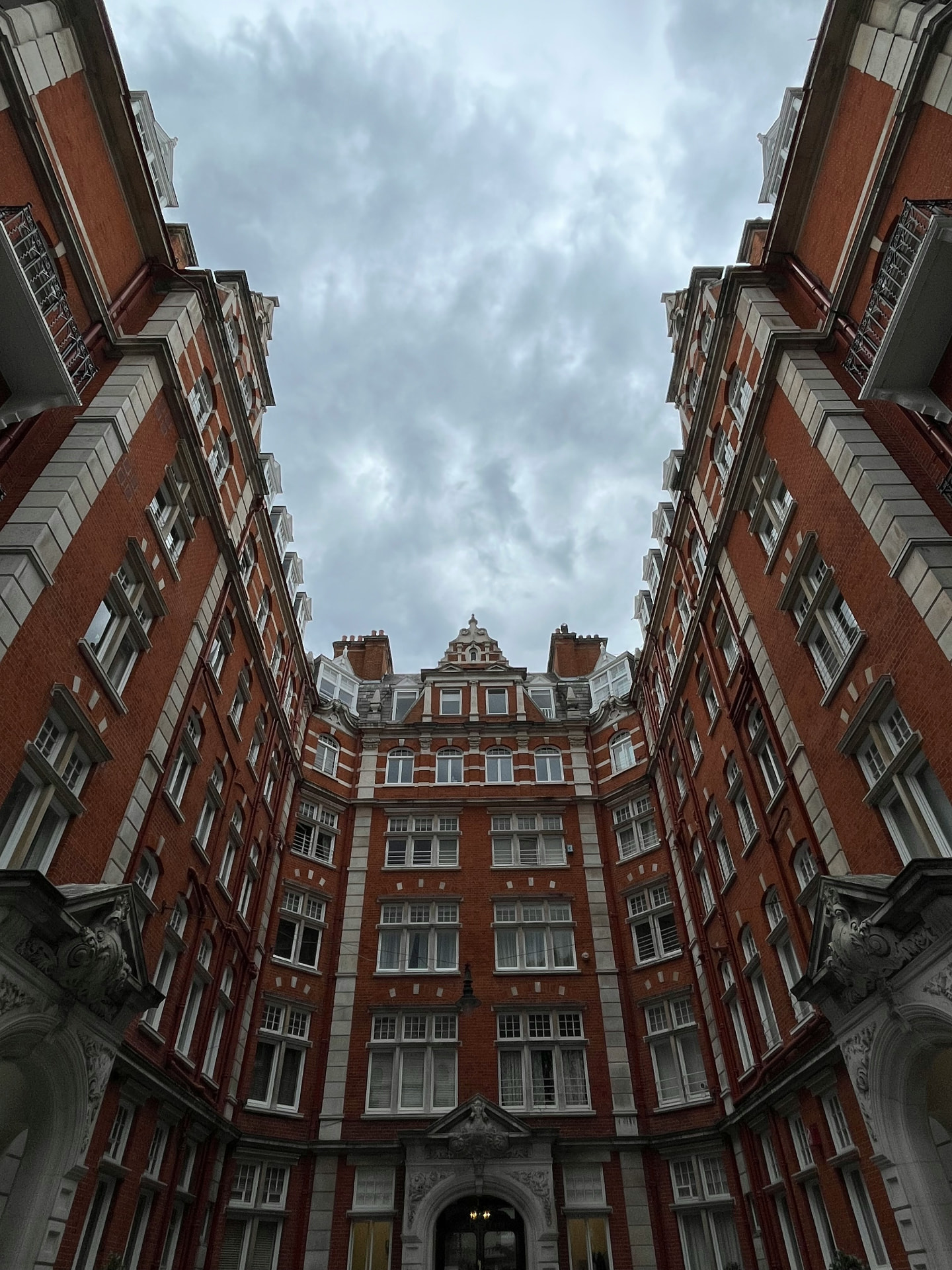
To successfully navigate the process of buying a £2m home in London, one must first appreciate the distinct personalities of our most sought-after boroughs. In the Royal Borough of Kensington & Chelsea, the market remains remarkably resilient. According to data updated in August 2026, Kensington sees an average price of £2,650,000 with a price per square foot averaging £1,550. While HM Land Registry figures indicate a generally flat trend, this masks a significant divergence: best-in-class houses on streets like Campden Hill Road and Phillimore Gardens are outperforming compromised stock by a wide margin. In Kensington, scarcity is the primary driver. We look for raised-ground and first-floor flats in white stucco terraces or the red-brick mansion blocks near the High Street, where porterage and long leases are the standard expectations.
Crossing into Notting Hill, the landscape shifts toward a unique blend of bohemian heritage and high-net-worth stability. Here, the average price sits at £2,450,000 with a price per square foot of £1,480. The market is effectively split into two distinct tiers: houses with communal garden rights on iconic stretches like Elgin Crescent and Lansdowne Road, and everything else. For those focused on buying a £2m home in London with long-term capital appreciation in mind, securing a property with access to a private garden square remains the gold standard. In W11, the 'lifestyle' element—anchored by Westbourne Grove and the boutiques of Clarendon Cross—is as much a part of the valuation as the bricks and mortar themselves.
The Search: Beyond the Digital Portals
The most desirable properties in W8, W11, and SW7 often never reach the open portals. In a market where ‘off-market’ is a frequent buzzword, the reality is built on relationships. At Seymont London, our approach to finding your next home involves tapping into a network of long-term residents and professional contacts who value discretion. Whether you are looking for a three-to-five-bedroom terrace behind Church Street or a rare mews house in the cobbles of Pottery Lane, the search must be proactive. We monitor withdrawn listings as closely as active ones, as these often represent sellers who are waiting for the right buyer rather than a quick exit.
When evaluating a potential home, we look beyond the aesthetics. We personally examine the leasehold structures and service charge histories before the first viewing. In Kensington, for instance, an experienced seller expects a buyer’s agent to have already digested the nuances of the property’s heritage. We consider the proximity to essential amenities—such as the Central line at Notting Hill Gate or the Piccadilly line at Gloucester Road for direct Heathrow access—as well as the school-run geography. Proximity to Fox Primary School or the cluster of preps around Campden Hill can significantly impact the liquidity of your asset in the years to come.

The Survey and Technical Due Diligence
Once a property is identified, the technical phase of buying a £2m home in London begins. In prime London, we are often dealing with period buildings—Victorian terraces, Georgian squares, and Edwardian mansion blocks. Each comes with its own set of structural considerations. A specialist survey is non-negotiable, particularly when assessing stucco-fronted properties which require specific maintenance regimes. We coordinate with surveyors who understand the historical fabric of the Royal Borough, ensuring that any issues with damp, subsidence, or roof integrity are identified early.
Legal due diligence is equally critical. In areas like Kensington Square or Stafford Terrace, properties are often subject to strict conservation area guidelines and Grade II listings. We scrutinise the title deeds for restrictive covenants and verify that any previous alterations, such as basement excavations or internal structural changes, have the necessary planning consents and Building Regulations sign-off. This rigorous approach ensures that when we reach the point of exchange, there are no hidden liabilities that could affect your enjoyment of the home or its future resale value.
Talk to Seymont
What's your home worth?
A considered view on price, timing and how to bring your London home to market — a personal reply within 24 hours.
Your property
Step 1 of 2From Offer to Exchange: Managing the Transaction
The transition from a verbal offer to a binding contract is where many prime London transactions falter. This is precisely why we maintain a direct, senior-led involvement throughout. In a competitive market, being 'under offer' is only the beginning. We manage the chain—or lack thereof—with precision, maintaining constant dialogue with the seller’s solicitors and the managing agents of the building. In Kensington and Notting Hill, sellers are typically sophisticated and well-advised; they prize certainty and speed above all else.
As we approach exchange, the focus shifts to the final details: the inventory, the completion dates, and the transfer of the 10% deposit. Because you are dealing directly with us, information reaches you directly and without delay. This high-touch service ensures that the momentum of the deal is maintained. Whether we are navigating the Elizabeth line proximity of W2 or the quiet residential streets of Edwardes Square, our goal is to provide a seamless experience that reflects the prestige of the property you are acquiring.
Talk to Seymont
What's your home worth?
A considered view on price, timing and how to bring your London home to market — a personal reply within 24 hours.
Your property
Step 1 of 2About the author
Nina CastellanoInvestment Property Advisor
Nina advises landlords and investors on rental yields, tenant demand and portfolio structure across Greater London, after running lettings and management at Bellhouse Property Partners. She has overseen single units and multi-property portfolios, and works through compliance, void periods and running costs before a purchase is agreed. Her articles deal with the numbers behind a buy-to-let rather than the headline gross yield.
Lettings and portfolio management · 9 years in London rentals
- Buy-to-let
- Rental yields
- Portfolio strategy
- Landlord compliance
Frequently asked
- What is the average price per square foot for a £2m home in Kensington?
- Based on data from August 2026 and HM Land Registry trends, the average price per square foot in Kensington (W8, W14, SW7) is approximately £1,550. However, for 'best-in-class' properties on prime streets, this figure can be significantly higher.
- Are communal garden rights included in the price in Notting Hill?
- Properties with communal garden square rights in W11 and W2 command a significant premium. These rights are usually attached to the property's title or granted via a specific annual fee to the garden committee, and they remain one of the most resilient segments of the prime London market.
- How long does it typically take to exchange on a prime London property?
- While the standard timeframe is 4 to 8 weeks, buying a £2m home in London can move faster if both parties are prepared. At Seymont London, we accelerate this by conducting thorough pre-offer due diligence on leases and building history.