Journal
Renting in Battersea: The Complete Neighbourhood Guide
Written by Nina Castellano · Investment Property Advisor
Published 14 November 2025 · Updated 22 May 2026 · 7 min read
The short answer
Renting in Battersea offers an exceptional blend of riverside living, village charm and excellent transport connections that few London neighbourhoods can match. Stretching south from the Thames to Clapham Common, this vibrant corner of Wandsworth has evolved from its industrial past into one of the capital's most sought-after residential areas.
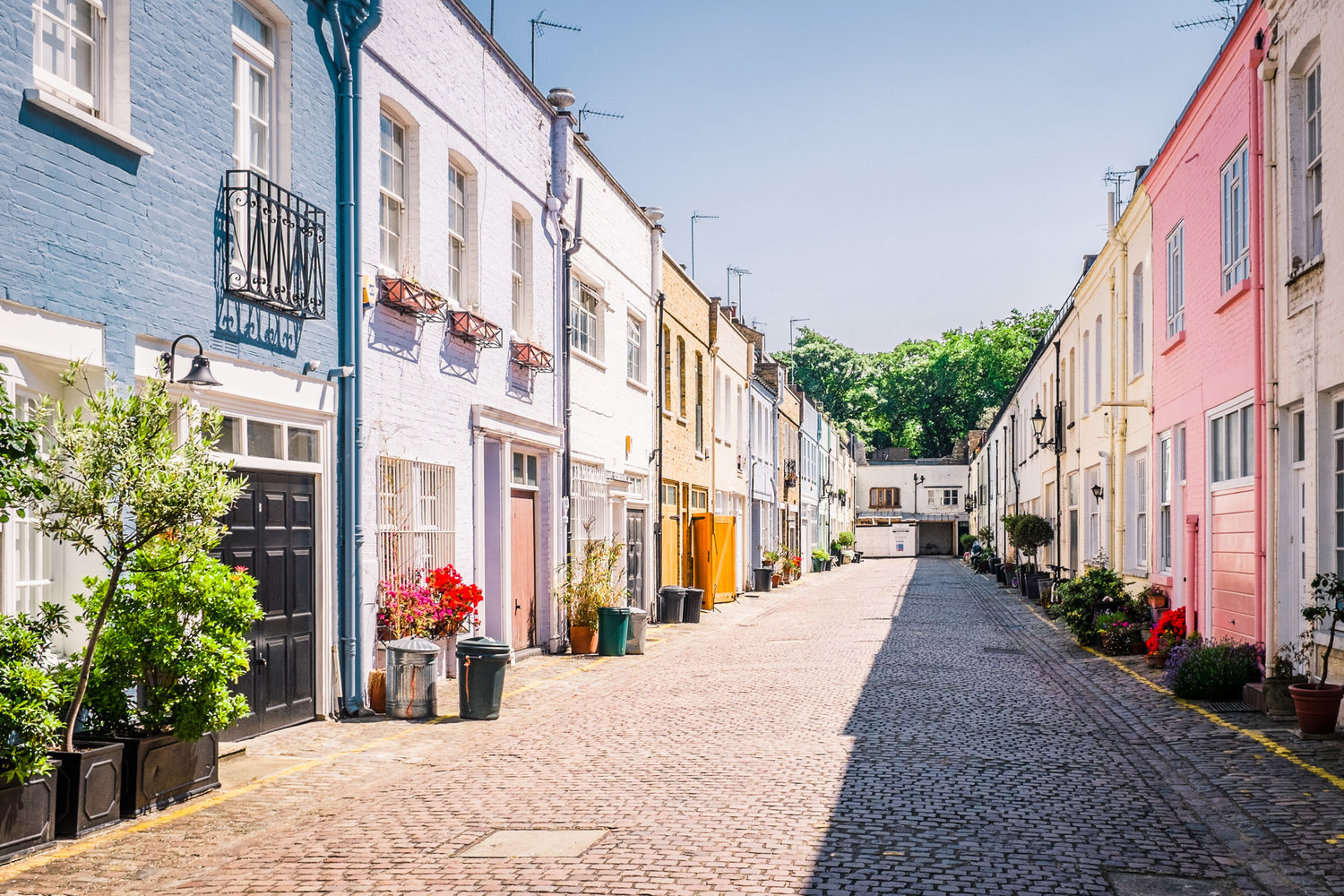
Renting in Battersea offers an exceptional blend of riverside living, village charm and excellent transport connections that few London neighbourhoods can match. Stretching south from the Thames to Clapham Common, this vibrant corner of Wandsworth has evolved from its industrial past into one of the capital's most sought-after residential areas. Whether you're searching for flats to rent Battersea-side with park views or a charming period conversion on one of the area's leafier streets, understanding the local rental market is essential. Our team has supported countless tenants in finding their ideal Battersea home, and we've compiled this comprehensive guide to help you navigate your search with confidence.
Why Battersea Appeals to Renters Across London
Battersea's transformation over the past two decades has been remarkable. The regeneration of the riverfront, the opening of the Northern Line extension at Battersea Power Station, and the continued development around Nine Elms have repositioned the area as a prime location for professionals, families and young couples alike. Yet Battersea has retained its neighbourhood character—particularly around Battersea Rise and Northcote Road, where independent shops, delis and restaurants in Battersea create a village atmosphere that feels worlds away from central London's bustle.
The green spaces define much of Battersea's appeal. Battersea Park's 200 acres offer lakes, sports facilities, a children's zoo and the iconic Peace Pagoda, whilst Clapham Common sits on the southern boundary. For renters prioritising outdoor space and community feel without sacrificing connectivity, few areas strike this balance so effectively. The riverside walk from Albert Bridge to Battersea Park Road has become one of London's most pleasant commuting routes, particularly for those cycling into the City or West End.
Transport links have always been strong—Clapham Junction remains Britain's busiest railway station, offering services to Victoria, Waterloo, the South Coast and beyond—but the arrival of the Northern Line at Battersea Power Station in 2021 elevated accessibility further still. This combination of heritage architecture, contemporary developments, excellent schools and genuinely characterful high streets makes the Battersea rental market consistently competitive.
We've observed that Battersea attracts a diverse tenant demographic: young professionals drawn to the riverside developments around Battersea Reach and Nine Elms, growing families seeking Victorian terraces near good primary schools, and established households valuing the area's mature community and restaurant scene. Understanding which pocket of Battersea aligns with your lifestyle is crucial when beginning your search for flats to rent Battersea-wide.
Understanding the Battersea Rental Market: Prices and Property Types
According to ONS rental data, the Battersea rental market reflects the area's premium positioning within South West London. Studios currently command between £1,100 and £1,725 per calendar month, whilst one-bedroom properties range from £1,450 to £2,275 pcm. Two-bedroom flats—the most commonly sought configuration—typically fall between £1,975 and £3,100 pcm, with riverside and new-build developments commanding the upper end of this spectrum.
For larger households, three-bedroom properties range from £2,650 to £4,125 pcm, four-bedroom homes from £3,525 to £5,500 pcm, and five-bedroom-plus properties from £4,625 to £7,225 pcm. These figures demonstrate the breadth of the market: from compact studios suitable for solo professionals to substantial family homes with gardens and period features. HM Land Registry data shows that flats dominate the local property landscape, with 297 of the 402 recorded sales being apartments, compared to 81 terraced houses—a pattern that mirrors the rental stock composition.
The Battersea tenancy landscape varies considerably by micro-location. Properties along Battersea Park Road and around the park itself tend towards elegant Victorian and Edwardian mansion conversions, often featuring high ceilings, original cornicing and communal gardens. These period conversions attract tenants seeking character and space. Meanwhile, the riverside developments from Battersea Reach on Juniper Drive through to the Battersea Power Station regeneration offer contemporary apartments with concierge services, gyms and river aspects—appealing particularly to professionals prioritising modern amenities and Zone 1 proximity.
Battersea Rise and the 'Between the Commons' area (the residential streets between Clapham and Wandsworth Commons) feature a mix of converted flats and terraced houses, many with private gardens. This pocket attracts families and sharers who value the independent shops, cafés and restaurants in Battersea's traditional high street. Further south towards Clapham Junction, the stock becomes more varied, with ex-local authority conversions offering comparatively affordable entry points to the area alongside Victorian terraces and purpose-built blocks.
Navigating Battersea's Distinct Neighbourhoods
Battersea isn't a single homogeneous district but rather a collection of distinct neighbourhoods, each with its own character and appeal. Understanding these nuances helps renters identify where to focus their search.
The riverside quarter—encompassing developments around Battersea Power Station, Prince of Wales Drive and Battersea Church Road—offers the most dramatic Thames views and the newest infrastructure. The Northern Line extension has made this zone exceptionally convenient for commuters heading to the City via Bank or the West End via Tottenham Court Road. The restaurant scene here includes destination venues within the Power Station development itself, complementing the more established options along Battersea Park Road. This area suits those who prioritise transport connections, contemporary living spaces and proximity to central London.
Battersea Rise and Northcote Road form the area's historic heart, where the famous 'Nappy Valley' nickname originated in the 1990s. This neighbourhood retains its village feel despite significant gentrification, with the weekly Northcote Road market, independent boutiques and a restaurant scene that rivals Chelsea across the river. Properties here lean towards period conversions and terraced houses, many with gardens—ideal for families or those seeking community atmosphere. The numerous gastropubs and wine bars create a sociable, neighbourly environment.
The 'Between the Commons' district—roughly bounded by Battersea Rise, Lavender Hill, Clapham Common South Side and Wandsworth Common—comprises predominantly residential streets of Victorian and Edwardian terraces. This quieter, more residential zone appeals to those who want Battersea's accessibility whilst avoiding the busier thoroughfares. Clapham Junction's transport hub sits on the western edge, whilst both commons provide extensive green space.
Our team always encourages prospective tenants to explore Battersea on foot, particularly the contrast between the riverside developments and the established residential streets running south from Battersea Park Road. The area you choose will fundamentally shape your daily experience, from your morning commute to your weekend coffee routine.
Talk to Seymont
What's your home worth?
A considered view on price, timing and how to bring your London home to market — a personal reply within 24 hours.
Your property
Step 1 of 2The Practicalities of Securing a Battersea Tenancy
The Battersea rental market moves quickly, particularly for well-presented properties at competitive price points. We consistently observe that the best flats to rent Battersea-wide—those with good transport links, outdoor space or recent refurbishment—receive multiple applications within days of listing. Preparation is therefore essential.
Prospective tenants should have their documentation ready before viewings: proof of identity, employment references, recent payslips or accounts (if self-employed), and previous landlord references. Many landlords require combined household income of at least 30 times the monthly rent, though this varies. For international relocators or those without UK rental history, offering additional months' rent in advance or securing a guarantor can strengthen applications considerably.
Timing your search strategically can provide advantages. The Battersea rental market experiences seasonal fluctuations, with peak activity from September through October (post-summer relocations) and January through March (New Year moves and bonus-funded relocations). Searching during quieter periods—particularly November, December and August—can occasionally yield more negotiating room on rental terms, though stock levels may be lower.
Understanding what's included in your tenancy agreement matters significantly. Some riverside developments include service charges covering concierge, maintenance and communal facilities, whilst period conversions might have more modest charges or none at all. Council Tax bands vary considerably—checking the band before committing helps avoid budgetary surprises. We always recommend that tenants thoroughly review inventory documents and note any existing damage before moving in, protecting deposit returns when the tenancy concludes.
For those new to the area or to London renting generally, working with [estate agents in Battersea](/estate-agents/battersea) who understand the local market intimately can streamline the process considerably. Our team's neighbourhood knowledge extends beyond property specifications to school catchments, parking restrictions, planned developments and the subtle character differences between streets—insights that prove invaluable when making such an important decision.
Living in Battersea: Lifestyle and Amenities
Daily life in Battersea centres around an exceptional array of independent businesses and community spaces. Northcote Road's antiques market operates Saturdays, whilst the street itself hosts over 80 shops, cafés and restaurants—from long-established fishmongers and butchers to contemporary brunch spots and wine bars. The restaurant scene spans casual dining at institutions like Tried & True and Gazette, through to special-occasion venues including Sinabro and Counter Culture. Battersea Power Station's Circus West Village has added international dining options, whilst restaurants in Battersea continue to open along both Battersea Park Road and Lavender Hill.
Battersea Park itself deserves particular mention. Beyond its obvious recreational appeal—tennis courts, running tracks, boating lake and children's zoo—it hosts regular events including the Affordable Art Fair, fireworks displays and summer festivals. The park provides genuine respite from urban intensity, rare for such a well-connected London location. Battersea Arts Centre on Lavender Hill offers theatre, comedy and performance, contributing to the area's cultural offering.
Schools represent a significant draw for family renters. Battersea's state primary schools include several rated Outstanding by Ofsted, whilst secondary options and private schools in neighbouring Chelsea and Clapham expand choices further. The presence of numerous nurseries and children's activity providers reflects the family demographic concentrated particularly around Battersea Rise.
Shopping needs are comprehensively met locally—Waitrose and Sainsbury's provide supermarket options, whilst the independent grocers, delis and bakeries along Northcote Road and Battersea Rise offer quality alternatives. For more extensive retail therapy, Clapham Junction's shopping centre and Westfield London are both easily accessible, whilst Chelsea's King's Road sits just across Albert or Chelsea bridges.
For those considering longer-term residence, understanding [house prices in Battersea](/house-prices/battersea) provides context on the area's value and potential future rental market movements, whilst landlords exploring the investment case might review our guidance on how to [let your property in Battersea](/let-your-property/battersea).
Talk to Seymont
What's your home worth?
A considered view on price, timing and how to bring your London home to market — a personal reply within 24 hours.
Your property
Step 1 of 2About the author
Nina CastellanoInvestment Property Advisor
Nina advises landlords and investors on rental yields, tenant demand and portfolio structure across Greater London, after running lettings and management at Bellhouse Property Partners. She has overseen single units and multi-property portfolios, and works through compliance, void periods and running costs before a purchase is agreed. Her articles deal with the numbers behind a buy-to-let rather than the headline gross yield.
Lettings and portfolio management · 9 years in London rentals
- Buy-to-let
- Rental yields
- Portfolio strategy
- Landlord compliance
Frequently asked
- What is the average rent for a two-bedroom flat in Battersea?
- According to ONS data, two-bedroom properties in Battersea typically range from £1,975 to £3,100 per calendar month, with variation depending on property type, location and specification. Riverside new-builds and period conversions near Battersea Park command premium prices, whilst properties closer to Clapham Junction or in ex-local authority blocks offer more affordable entry points to the area.
- How long does it typically take to secure a rental property in Battersea?
- The Battersea rental market moves quickly, particularly for well-priced, well-presented properties. Popular flats often receive multiple applications within 48-72 hours of listing. From initial viewing to move-in typically takes 2-4 weeks, allowing for referencing, contract exchange and inventory preparation. We recommend having all documentation prepared in advance to expedite the process when you find the right property.
- Which areas of Battersea are best for families?
- Battersea Rise and the 'Between the Commons' neighbourhood are particularly popular with families, offering good primary schools, parks, child-friendly cafés and community atmosphere. Properties here often include gardens and are situated on quieter residential streets. Proximity to both Clapham and Wandsworth Commons provides extensive outdoor space, whilst the Northcote Road area offers excellent shops and services geared towards family life.
- What transport options serve Battersea for commuters?
- Battersea offers exceptional transport connectivity. Clapham Junction provides National Rail services to Victoria, Waterloo and London Bridge, plus destinations across the South. The Northern Line extension at Battersea Power Station offers direct Underground access to the City and West End. Numerous bus routes cross the area, whilst the riverside location makes cycling into central London particularly pleasant. Battersea is within Zone 2, with some southern parts falling into Zone 3.
- Are bills typically included in Battersea rental properties?
- Most Battersea tenancies exclude utilities (gas, electricity, water), Council Tax and internet, which tenants arrange and pay separately. Some modern developments include certain service charges covering building maintenance, concierge and communal facilities, though these are usually specified separately from rent. Short-term or corporate lets sometimes include bills, but standard assured shorthold tenancies typically do not. Always clarify exactly what's included before signing your tenancy agreement.