Journal
Marylebone House Prices in 2026
Written by Nina Castellano · Investment Property Advisor
Published 4 December 2025 · Updated 19 February 2026 · 5 min read
The short answer
Marylebone house prices continue to reflect the enduring appeal of one of central London's most distinguished residential enclaves. With a median sale price of £995,000 recorded across 66 transactions according to HM Land Registry data, the Marylebone property market in 2026 demonstrates the premium commanded by this historically rich neighbourhood.
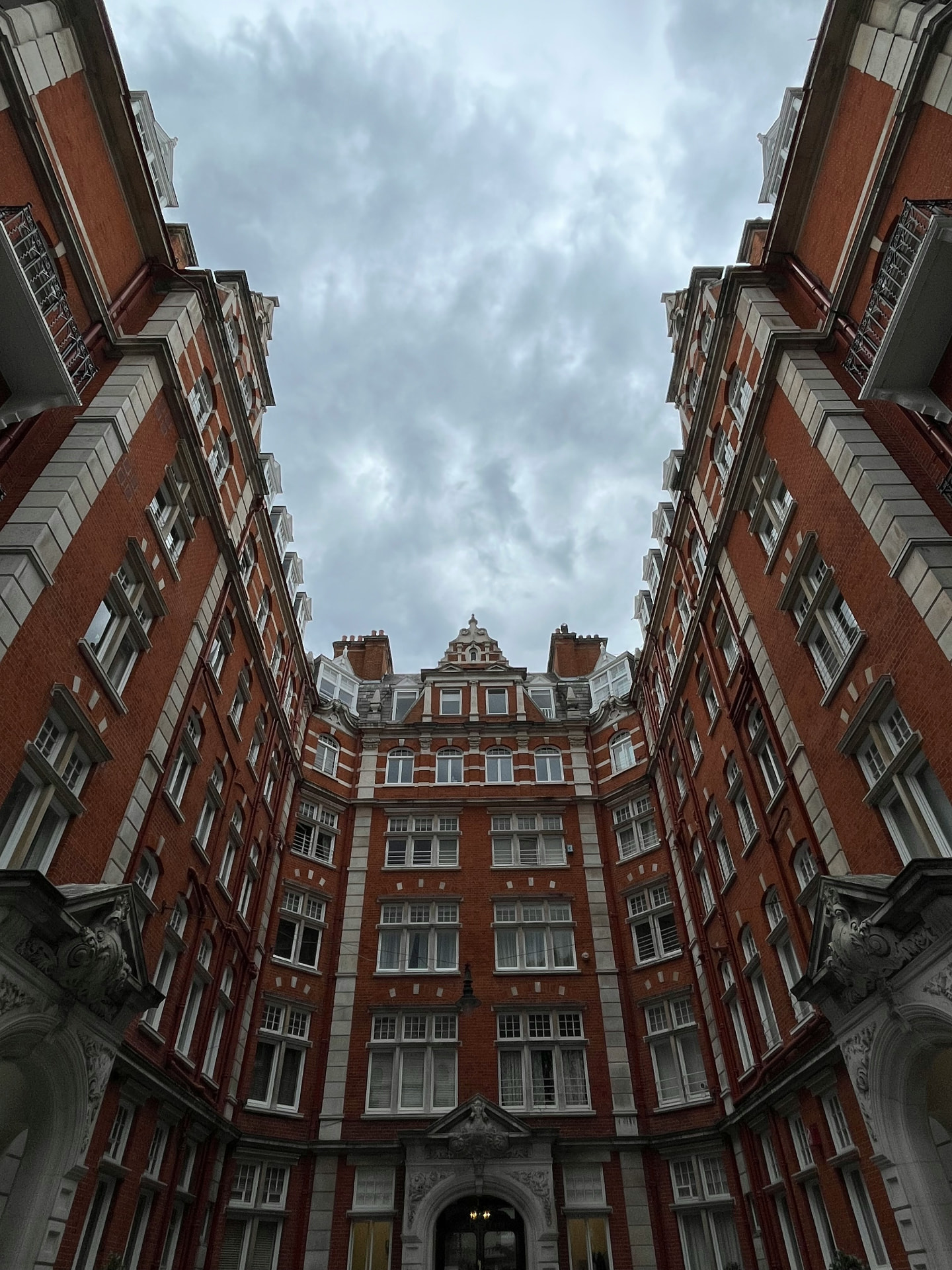
Marylebone house prices continue to reflect the enduring appeal of one of central London's most distinguished residential enclaves. With a median sale price of £995,000 recorded across 66 transactions according to HM Land Registry data, the Marylebone property market in 2026 demonstrates the premium commanded by this historically rich neighbourhood. Our team at Seymont London has tracked the nuances of Marylebone sold prices throughout the year, observing how different property types and streets contribute to the area's complex pricing landscape. From elegant Georgian townhouses to contemporary lateral apartments, the diversity of housing stock ensures Marylebone remains a compelling proposition for discerning buyers seeking quintessential London living with village charm.
Understanding the Average House Price in Marylebone
The average house price in Marylebone varies considerably depending on property type, with flats representing the majority of transactions in 2026. Of the 66 recorded sales, 46 were flats with a median price of £838,750, ranging from £242,000 to an exceptional £5,750,000. This breadth reflects everything from compact purpose-built apartments to sprawling lateral spaces in prestigious mansion blocks along the Marylebone High Street corridor and surrounding garden squares.
Terraced houses commanded significantly higher values, with eight sales achieving a median of £3,125,000. These properties, many of which retain original period features within the conservation areas surrounding Marylebone Village, ranged from £1,550,000 to £5,000,000. The substantial premium for houses reflects both their scarcity in this predominantly mansion-block neighbourhood and the enduring appeal of family-sized accommodation with outdoor space in Zone 1.
The single detached property sale recorded at £958,889 and eleven 'other' category transactions—which typically include commercial conversions, new-build schemes and mixed-use properties—with a median of £995,000 underscore the architectural diversity that characterises the area. Our experience at Seymont London confirms that buyers are drawn to Marylebone precisely because of this variety, coupled with the neighbourhood's exceptional connectivity and cultural offerings.
Marylebone Property Prices by Location and Character
Location within Marylebone significantly influences property values, with proximity to Marylebone High Street, the verdant expanse of Regent's Park, and the independent shops and cafes that define Marylebone Village commanding particular premiums. The streets between Marylebone High Street and Baker Street, characterised by handsome red-brick mansion blocks from the Edwardian and inter-war periods, attract buyers seeking generous proportions and porter services.
The area's northern reaches, closer to Regent's Park and the elegant Nash terraces, appeal to families and those seeking proximity to green space without sacrificing central London convenience. Properties here often feature in the upper price brackets, particularly those with park views or garden access. Meanwhile, the streets radiating from Marylebone Station offer slightly more accessible entry points to the market, though still reflecting the substantial premium that comes with a W1 postcode.
Conservation area protections ensure that Marylebone's distinctive character—a harmonious blend of Georgian, Victorian and Edwardian architecture—remains preserved, which in turn supports sustained property values. We've observed that buyers increasingly value the neighbourhood's architectural consistency and the planning constraints that prevent inappropriate development, viewing these as safeguards for their investment.
Rental Yields and Investment Perspective
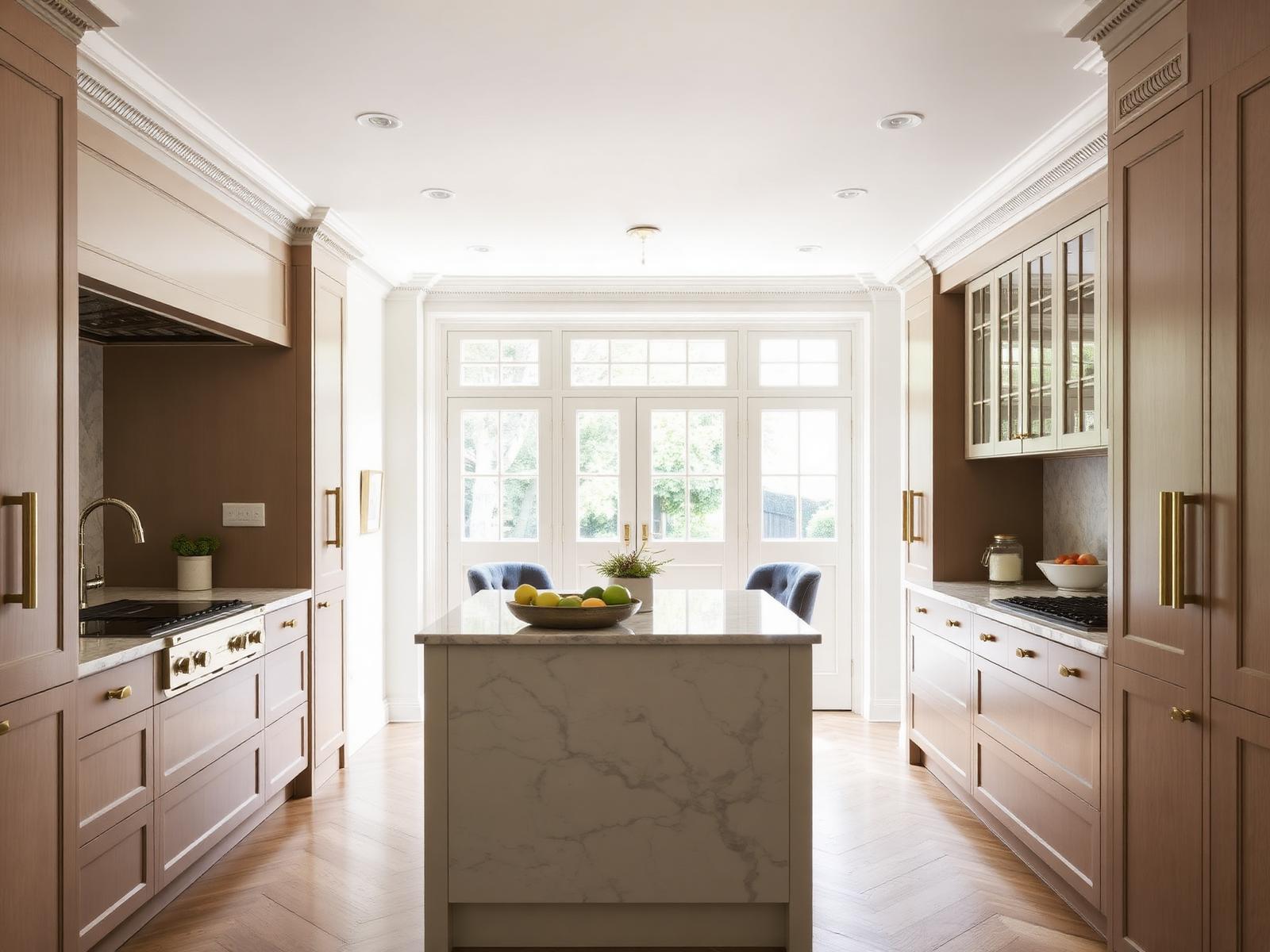
ONS rental data for Marylebone reveals a robust lettings market across all property sizes. Studio apartments command monthly rents between £1,550 and £2,425, whilst one-bedroom flats range from £2,050 to £3,200. Two-bedroom properties, which represent the sweet spot for professional sharers and couples, achieve £2,800 to £4,350 per month.
Larger family homes command premium rents reflective of their scarcity: three-bedroom properties range from £3,725 to £5,800 monthly, four-bedroom homes from £4,950 to £7,750, and five-bedroom-plus residences from £6,500 to £10,150. These figures demonstrate the strong demand from corporate relocations, international families seeking proximity to excellent schools, and established professionals who value Marylebone's unique blend of convenience and village atmosphere.
For investors evaluating Marylebone property prices against rental returns, the area offers the stability of an established prime central London location with consistently strong occupancy rates. The presence of world-class medical facilities on Harley Street, major transport hubs, and the concentration of corporate headquarters in adjacent Fitzrovia and Mayfair ensure sustained tenant demand. Our <a href="/let-your-property/marylebone">Marylebone lettings service</a> consistently finds quality tenants for well-presented properties, with particular demand for apartments in mansion blocks with period features and modern conveniences.
Talk to Seymont
What's your home worth?
A considered view on price, timing and how to bring your London home to market — a personal reply within 24 hours.
Your property
Step 1 of 2The Marylebone Lifestyle Premium
Marylebone house prices reflect not merely bricks and mortar but access to one of London's most complete urban villages. The transformation of Marylebone High Street into a destination for independent retailers, artisan food shops, and quality restaurants has elevated the area's appeal considerably over the past two decades. From the legendary Marylebone pub establishments like The Coach Makers Arms to contemporary wine bars, the social infrastructure caters to sophisticated tastes without the tourist crowds that characterise nearby Covent Garden or Soho.
The neighbourhood's culinary scene—encompassing everything from the best breakfast spots on Marylebone High Street to Michelin-regarded dining rooms—adds tangible lifestyle value that buyers factor into their purchasing decisions. Cafes in Marylebone have achieved cult status among discerning Londoners, with establishments like Daylesford Organic and The Monocle Café drawing residents and visitors alike. This curated retail and hospitality environment, carefully managed by the Howard de Walden Estate and other landowners, creates an atmosphere distinct from typical London high streets.
Cultural amenities further justify the Marylebone property price premium. The Wallace Collection offers world-class art within a domestic-scale setting, whilst Wigmore Hall provides internationally acclaimed chamber music. The proximity to Regent's Park—with its rose gardens, boating lake, and open-air theatre—delivers the green space that renders family life in central London genuinely viable. For those exploring <a href="/property-for-sale/marylebone">property for sale in Marylebone</a>, these lifestyle factors frequently prove as influential as square footage or specification.
Market Outlook and Buying Considerations
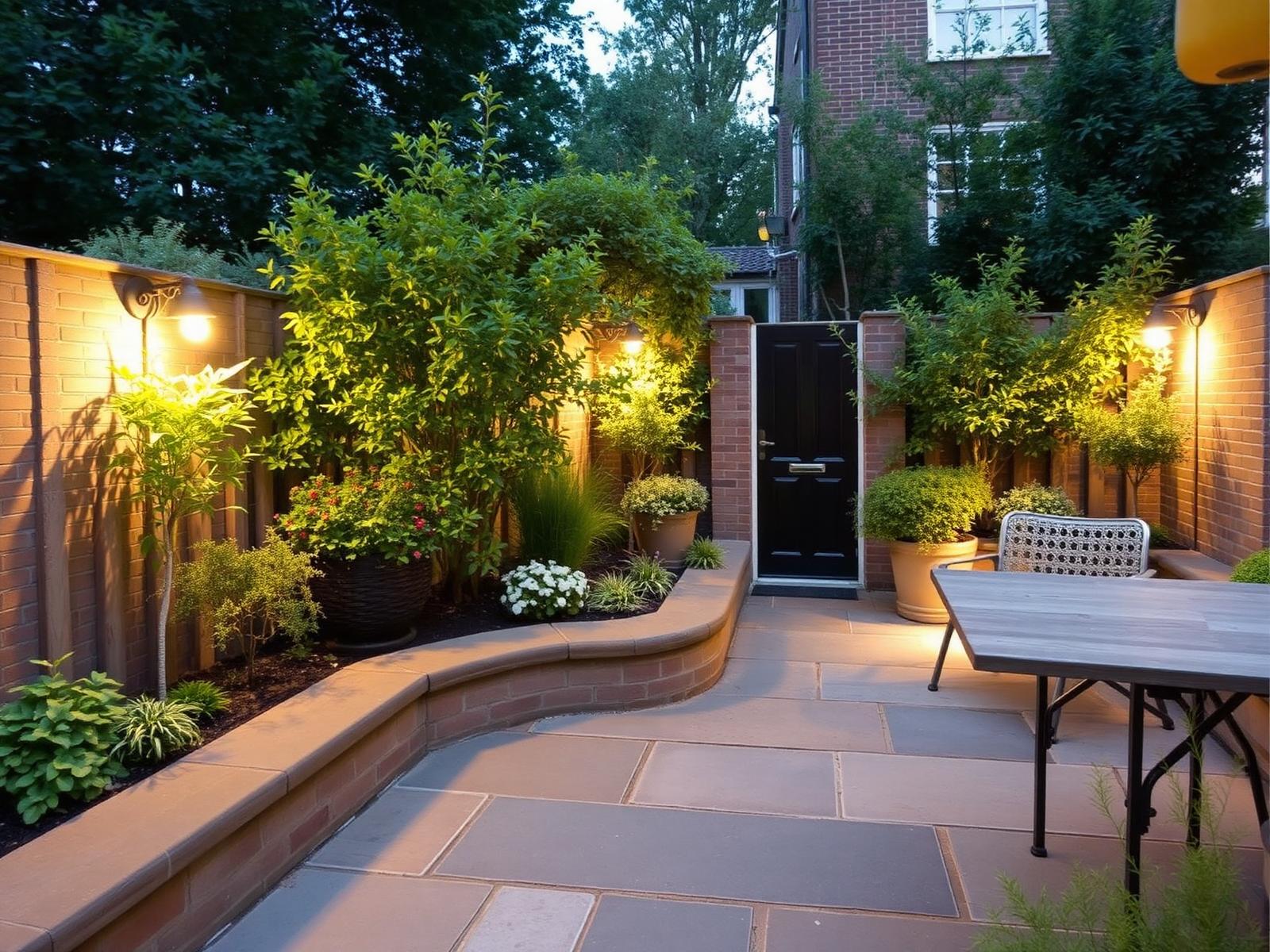
The 66 transactions recorded in our analysis period represent a selective market where quality properties at realistic pricing find buyers, whilst overambitious vendors experience extended marketing periods. We've observed that Marylebone sold prices correlate strongly with presentation, specification and specific location micro-markets, with Victorian houses in particular commanding premiums when sympathetically updated to retain character whilst incorporating modern comfort.
Buyers should approach the Marylebone market with realistic expectations shaped by recent comparable sales rather than historic benchmarks. The £995,000 median across all property types masks significant variation: a well-located two-bedroom flat in a portered block might achieve £1,200,000, whilst a lateral three-bedroom apartment in a premier address could exceed £3,000,000. Engaging <a href="/estate-agents/marylebone">estate agents in Marylebone</a> with granular knowledge of building-by-building values proves essential for accurate pricing guidance.
For those considering entering this market, understanding the leasehold versus freehold distinction remains crucial, as does awareness of service charge levels in mansion blocks, which can vary dramatically. Conservation area restrictions may limit alterations, though sympathetic improvements typically enhance value. The enduring fundamentals—central location, excellent transport links via Marylebone, Baker Street and Bond Street stations, outstanding schools both state and independent, and the cultivated village atmosphere—suggest Marylebone house prices will continue to demonstrate resilience relative to outer London markets.
Our perspective at Seymont London, informed by daily engagement with this marketplace, is that Marylebone represents a mature, stable market where genuine quality finds ready buyers. Those seeking the archetypal central London experience with residential tranquility will find compelling value, particularly when comparing the area's comprehensive amenities against alternatives in Kensington, Chelsea or Bloomsbury. For detailed analysis tailored to your specific requirements, our <a href="/house-prices/marylebone">Marylebone house price data</a> provides granular insights into micro-market trends.
Talk to Seymont
What's your home worth?
A considered view on price, timing and how to bring your London home to market — a personal reply within 24 hours.
Your property
Step 1 of 2About the author
Nina CastellanoInvestment Property Advisor
Nina advises landlords and investors on rental yields, tenant demand and portfolio structure across Greater London, after running lettings and management at Bellhouse Property Partners. She has overseen single units and multi-property portfolios, and works through compliance, void periods and running costs before a purchase is agreed. Her articles deal with the numbers behind a buy-to-let rather than the headline gross yield.
Lettings and portfolio management · 9 years in London rentals
- Buy-to-let
- Rental yields
- Portfolio strategy
- Landlord compliance
Frequently asked
- What is the average house price in Marylebone in 2026?
- According to HM Land Registry data, the median house price in Marylebone is £995,000 across all property types. However, this varies considerably: flats have a median of £838,750, whilst terraced houses command a median of £3,125,000. The average reflects the predominance of apartment sales in this central London neighbourhood.
- Are Marylebone property prices higher than other central London areas?
- Marylebone occupies the premium segment of the London market, with prices reflecting its W1 postcode, exceptional transport connectivity, and unique village atmosphere. Whilst comparable to Fitzrovia and parts of Bloomsbury, Marylebone generally commands a premium over King's Cross or Paddington, though remains more accessible than Mayfair or Belgravia for equivalent property types.
- What types of properties are most common in Marylebone?
- Flats represent the majority of Marylebone sales, accounting for 46 of 66 transactions in our analysis period. These range from purpose-built apartments to lateral conversions in Edwardian mansion blocks. Terraced houses, whilst scarcer, are highly sought-after, particularly those Georgian and Victorian properties within the conservation areas surrounding Marylebone Village and closer to Regent's Park.
- Is Marylebone a good area for rental investment?
- Marylebone offers strong rental yields supported by consistent tenant demand from medical professionals (given proximity to Harley Street), corporate relocations, and international families. ONS data shows studio rents from £1,550 to £2,425 monthly, with larger properties commanding significantly higher rents. The area's stability, excellent schools, and comprehensive amenities ensure sustained occupancy rates for well-presented properties.
- What makes Marylebone property prices premium compared to neighbouring areas?
- Marylebone commands premium pricing due to its unique combination of central London connectivity, village atmosphere, independent retail along Marylebone High Street, proximity to Regent's Park, excellent schools, world-class medical facilities, and carefully curated hospitality scene. The architectural character, conservation protections, and estate management by landowners like Howard de Walden maintain environmental quality that supports sustained property values.