Journal
Living in Battersea: Your Complete Area Guide
Written by Nina Castellano · Investment Property Advisor
Published 28 July 2026 · Updated 8 August 2026 · 8 min read
The short answer
Living in Battersea offers an exceptional blend of riverside charm, Victorian elegance and contemporary urban energy that few London neighbourhoods can match. Stretching along the southern bank of the Thames between Chelsea and Wandsworth, this dynamic district has evolved from its industrial heritage into one of the capital's most desirable residential addresses.
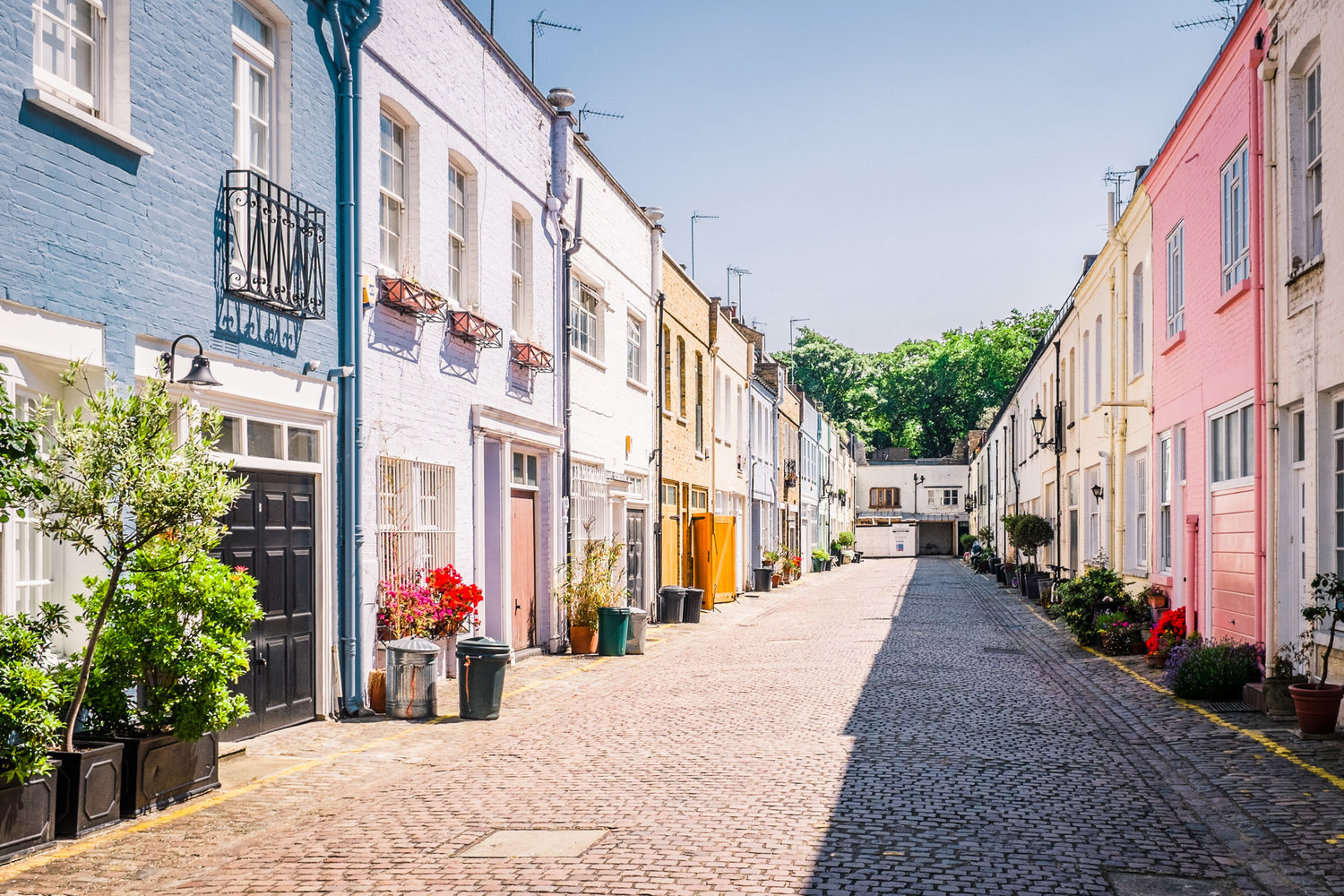
Living in Battersea offers an exceptional blend of riverside charm, Victorian elegance and contemporary urban energy that few London neighbourhoods can match. Stretching along the southern bank of the Thames between Chelsea and Wandsworth, this dynamic district has evolved from its industrial heritage into one of the capital's most desirable residential addresses. Our team has witnessed Battersea's remarkable transformation firsthand, and we're continually impressed by how the area balances historic character with modern amenities. Whether you're drawn to the leafy streets around Battersea Park, the vibrant energy of Battersea Rise, or the striking riverside developments transforming the waterfront, this south London gem delivers an enviable quality of life that attracts professionals, families and discerning buyers alike.
What Is Battersea Like? The Character of the Neighbourhood
Battersea presents a compelling study in contrasts, where Georgian terraces and Victorian mansion blocks sit alongside cutting-edge residential towers, and traditional pubs nestle between destination restaurants. The area's distinctive personality varies considerably across its different pockets, each offering its own flavour of London living.
The streets radiating from Battersea Rise form the commercial and social heart of the area, where independent boutiques, artisan coffee shops and well-established gastropubs create a genuine village atmosphere. Northcote Road Market, running parallel to the Rise, has become a weekend institution, drawing residents and visitors to its food stalls, antique vendors and eclectic mix of independent retailers. This enclave feels refreshingly community-focused, with young families and established residents creating a neighbourly atmosphere that's increasingly rare in central London.
Along the riverfront, the landscape shifts dramatically. The regeneration of the Nine Elms corridor has introduced sleek apartment buildings with Thames-facing balconies, state-of-the-art leisure facilities and manicured riverside walks. Meanwhile, the conservation areas around Battersea Square preserve the neighbourhood's 18th-century roots, with cobbled streets and heritage architecture offering a tangible connection to the area's pre-industrial past. The iconic Battersea Power Station, meticulously restored and reimagined as a mixed-use destination, now anchors the riverside with shops, restaurants, office space and luxury residences, symbolising Battersea's successful fusion of heritage and progress.
What strikes us most about the Battersea lifestyle is its accessibility to green space. Battersea Park's 200 acres provide an extraordinary amenity on the doorstep, complete with lakes, gardens, tennis courts, a running track and children's zoo. For residents, this represents not merely a park but an extension of their living space—a place for morning runs, weekend picnics, and outdoor exercise that rivals anything in inner London.
Property Market Insights: Prices and Rental Values
The Battersea property market reflects the area's diverse appeal, with options spanning converted Victorian flats, modern apartments and substantial family homes. According to HM Land Registry Price Paid Data, the median property price stands at £700,000 based on 402 recent sales, positioning Battersea as a premium yet relatively accessible market compared to neighbouring Chelsea or Fulham.
Flats dominate the market, accounting for 297 of recorded transactions, with a median price of £618,000. This category encompasses everything from compact one-bedroom conversions in Victorian houses to expansive three-bedroom apartments in riverside developments. The considerable range—from £115,000 to £4,109,000—illustrates the breadth of choice available. Those seeking houses for sale in London will find terraced properties commanding a median of £967,000 across 81 sales, whilst semi-detached homes reached £1,400,000 based on 11 transactions. For those interested in exploring available properties, our <a href="/property-for-sale/battersea">Battersea sales listings</a> showcase the current market.
Rental values, drawn from ONS data, demonstrate Battersea's appeal to both young professionals and established families. Studio apartments range from £1,100 to £1,725 monthly, whilst one-bedroom flats command £1,450 to £2,275. Two-bedroom properties, particularly popular with couples and small families, sit between £1,975 and £3,100 per month. Larger family homes command premium rents: three-bedroom properties range from £2,650 to £4,125, four-bedroom homes from £3,525 to £5,500, and five-bedroom residences from £4,625 to £7,225 monthly.
We've observed particular demand around Battersea Park Road, where period conversions combine character features with proximity to the park and transport links. The area appeals to buyers and tenants seeking that elusive combination of space, convenience and neighbourhood charm. For landlords considering the market, our <a href="/let-your-property/battersea">Battersea letting service</a> provides comprehensive support backed by detailed local market knowledge.
Battersea Transport: Connections Across the Capital
Battersea transport links have improved dramatically over recent years, fundamentally enhancing the area's connectivity and contributing significantly to rising property values. The extension of the Northern Line, with stations at Battersea Power Station and Nine Elms, transformed journey times to the City, West End and beyond, placing previously car-dependent corners of the neighbourhood within Zone 1 of the Underground network.
Clapham Junction—technically in Battersea despite its name—stands as Britain's busiest railway station, offering exceptional rail connectivity. From here, services reach Victoria in under 10 minutes, Waterloo in 7 minutes, and extend to Gatwick Airport, the South Coast and Surrey commuter belt. This single interchange provides access to Southern, South Western Railway and Overground services, making Battersea remarkably well-connected for those working across London or beyond.
Queenstown Road and Battersea Park stations on the South Western Railway network provide additional options for reaching Waterloo, whilst numerous bus routes traverse the area, connecting residents to Sloane Square, Knightsbridge, King's Road and surrounding neighbourhoods. The riverbus service from Battersea Power Station pier offers an alternative commuting option along the Thames, adding a scenic dimension to daily travel.
For cyclists, the area benefits from Thames Path cycle routes and improving infrastructure connecting south London to the West End via Chelsea and Vauxhall bridges. Many residents find cycling the quickest option for reaching central destinations, particularly during peak hours. Road links via the A3 and proximity to the South Circular provide car access, though many Battersea households manage comfortably without vehicles given the transport alternatives available.
Talk to Seymont
What's your home worth?
A considered view on price, timing and how to bring your London home to market — a personal reply within 24 hours.
Your property
Step 1 of 2Dining and Social Scene: Restaurants in Battersea
The dining landscape across Battersea has matured considerably, evolving from a scattering of neighbourhood favourites into a genuinely impressive culinary destination. Restaurants in Battersea now span every cuisine and occasion, from casual brunch spots to sophisticated evening venues that draw diners from across London.
Northcote Road harbours the greatest concentration of options, with restaurant in Battersea searches frequently leading to this bustling thoroughfare. Here you'll find established names like Sinabro, serving modern European cuisine with seasonal British ingredients, alongside more casual options including Mexican, Italian, Thai and Vietnamese kitchens. The Rise and surrounding streets deliver further variety—gastropubs serving Sunday roasts, wine bars with carefully curated lists, and bakeries producing sourdough and pastries that fuel the neighbourhood's morning routines.
The Battersea Power Station development has introduced an entirely new dining quarter, with riverside restaurants capitalising on Thames views and the dramatic backdrop of the restored building. This cluster includes both independent operators and recognised names, creating a destination dining scene where previously there was none. The atmosphere shifts from relaxed daytime cafés to evening venues with cocktail programmes and ambitious menus.
Battersea Rise maintains its own collection of neighbourhood favourites, where booking ahead is advisable at weekends. These establishments succeed by understanding their local clientele—offering reliable quality, welcoming families without compromising atmosphere, and creating spaces where residents become regulars. From our perspective, this restaurant scene represents a significant lifestyle factor; the ability to dine well within a short walk contributes enormously to Battersea's residential appeal and sense of community.
Parks, Schools and Family Life
Family considerations shape many property decisions, and Battersea delivers admirably on the amenities that matter most to parents. Battersea Park stands as the headline attraction—its 200 acres encompass not only open grass and mature trees but also the Pump House Gallery, Battersea Park Children's Zoo, adventure playground, boating lake and all-weather sports facilities. The park hosts parkrun every Saturday morning, outdoor theatre in summer, and provides year-round space for children to explore and families to gather.
The school provision includes several well-regarded primaries within walking distance of most Battersea addresses. Honeywell Infants and Junior Schools, Belleville Primary, and Thomas's Battersea (which gained particular attention for its royal pupils) represent the state and independent options available. Secondary provision typically requires looking slightly further afield to Wandsworth, Clapham or across the river, which families factor into long-term planning.
Beyond formal education and parks, the area supports family life through libraries, swimming pools at the Battersea Sports Centre, and numerous activity clubs catering to children's interests from football to music. The neighbourhood's walkability means families can manage school runs, weekend activities and daily routines without car dependency, whilst coffee shops and cafés accommodate the logistics of modern parenting with high chairs, changing facilities and a welcoming attitude.
We frequently work with families seeking their long-term home in Battersea, attracted by this combination of space, schools and lifestyle. The market offers options from three-bedroom flats in mansion blocks to terraced houses with gardens—though competition for well-presented family properties remains strong. For detailed market analysis, our <a href="/house-prices/battersea">Battersea house prices</a> page provides current data and trends.
Why Choose Battersea: Our Perspective
Having worked extensively across this neighbourhood, we've developed a nuanced understanding of what draws buyers and renters to Battersea—and crucially, what keeps them here. The area succeeds because it doesn't compromise: you gain proximity to central London without sacrificing space, access parks and river without losing urban energy, and join an established community whilst benefiting from ongoing regeneration.
The transport improvements cannot be overstated. Areas that previously relied solely on buses or the walk to Clapham Junction now enjoy direct Underground access, fundamentally changing journey times and convenience. This infrastructure investment signals confidence in Battersea's future and underpins property values with tangible improvements rather than mere speculation.
What particularly impresses us is how different pockets of Battersea maintain distinct identities whilst forming a coherent whole. Whether you're drawn to the village atmosphere around Northcote Road, the riverside modernity of the Power Station development, or the quieter residential streets near the park, you'll find common threads: excellent restaurants, strong transport links, proximity to green space, and a genuine sense of neighbourhood.
For those considering Battersea, we recommend exploring beyond the main thoroughfares. Walk the residential streets, visit at different times of day, and experience the parks and cafés where daily life unfolds. Understanding these nuances helps identify which corner of Battersea aligns best with your lifestyle and priorities. Our <a href="/estate-agents/battersea">Battersea estate agency team</a> brings this local insight to every instruction, whether you're buying, selling or letting property in the area.
Talk to Seymont
What's your home worth?
A considered view on price, timing and how to bring your London home to market — a personal reply within 24 hours.
Your property
Step 1 of 2About the author
Nina CastellanoInvestment Property Advisor
Nina advises landlords and investors on rental yields, tenant demand and portfolio structure across Greater London, after running lettings and management at Bellhouse Property Partners. She has overseen single units and multi-property portfolios, and works through compliance, void periods and running costs before a purchase is agreed. Her articles deal with the numbers behind a buy-to-let rather than the headline gross yield.
Lettings and portfolio management · 9 years in London rentals
- Buy-to-let
- Rental yields
- Portfolio strategy
- Landlord compliance
Frequently asked
- Is Battersea a good area to live in London?
- Battersea ranks among London's most desirable residential areas, offering excellent transport connections (including the Northern Line extension and Clapham Junction), exceptional green space in Battersea Park, a thriving restaurant scene, and strong community atmosphere. The neighbourhood appeals to professionals and families alike, with property options ranging from riverside apartments to Victorian terraced houses. Recent regeneration, particularly around Battersea Power Station, has enhanced amenities whilst preserving the area's character.
- How much does it cost to rent in Battersea?
- According to ONS data, rental prices in Battersea vary by property size: studios range from £1,100 to £1,725 monthly, one-bedroom flats from £1,450 to £2,275, two-bedroom properties from £1,975 to £3,100, three-bedroom homes from £2,650 to £4,125, four-bedroom properties from £3,525 to £5,500, and five-bedroom residences from £4,625 to £7,225 per month. Prices reflect location, condition and amenities, with riverside developments and period conversions near Battersea Park commanding premium rents.
- What is the average house price in Battersea?
- Based on HM Land Registry Price Paid Data from 402 recent sales, the median property price in Battersea stands at £700,000. Flats, which dominate the market, have a median price of £618,000, whilst terraced houses command a median of £967,000 and semi-detached properties reach £1,400,000. Prices vary significantly depending on property type, size, condition and specific location within Battersea, with riverside and park-adjacent addresses attracting premium values.
- How is transport connectivity in Battersea?
- Battersea enjoys exceptional transport links across multiple modes. The Northern Line extension serves Battersea Power Station and Nine Elms stations, providing direct Underground access to the City and West End. Clapham Junction, Britain's busiest railway station, offers services to Victoria (under 10 minutes), Waterloo (7 minutes), Gatwick Airport and beyond. Additional stations include Battersea Park and Queenstown Road, whilst numerous bus routes, Thames riverbus services and cycling infrastructure provide further connectivity options throughout the area.
- What are the best streets and areas within Battersea?
- Battersea's most sought-after locations include the streets around Battersea Park for green space and period architecture, Northcote Road and Battersea Rise for village atmosphere and independent shops, and the riverside developments near Battersea Power Station for modern amenities and Thames views. Battersea Park Road attracts buyers seeking proximity to transport and parkland, whilst conservation areas around Battersea Square offer historic character. Each pocket delivers distinct lifestyle benefits, from family-friendly residential streets to vibrant commercial thoroughfares, allowing buyers to match property search to personal priorities.