Journal
Is St John's Wood a Nice Place to Live?
Written by Thomas Lindqvist · Mortgage & Financing Specialist
Published 6 April 2026 · Updated 8 April 2026 · 8 min read
The short answer
Is St John's Wood a nice place to live? For those seeking one of London's most distinguished residential enclaves, the answer is a resounding yes. Nestled between Regent's Park and Hampstead, St John's Wood combines village charm with impeccable transport connections, tree-lined avenues with world-class amenities, and architectural heritage with contemporary living.
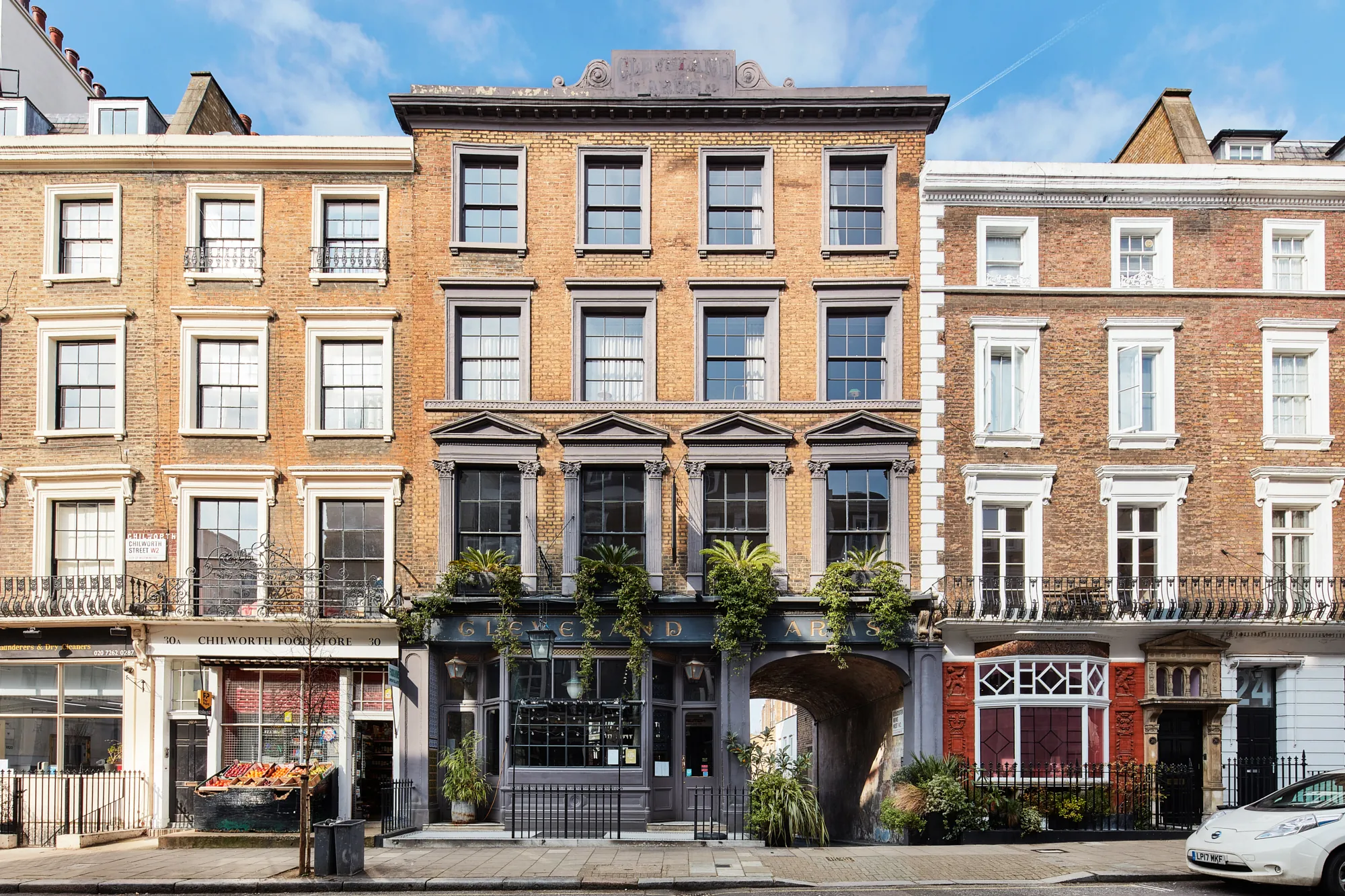
Is St John's Wood a nice place to live? For those seeking one of London's most distinguished residential enclaves, the answer is a resounding yes. Nestled between Regent's Park and Hampstead, St John's Wood combines village charm with impeccable transport connections, tree-lined avenues with world-class amenities, and architectural heritage with contemporary living. Our team has watched this NW8 postcode maintain its reputation as one of the capital's most desirable addresses, attracting discerning residents who value both tranquillity and proximity to Central London. From its celebrated cricket ground to its independent boutiques, St John's Wood offers a lifestyle that few London neighbourhoods can match.
The St John's Wood Character and Atmosphere
St John's Wood possesses a distinct village atmosphere that sets it apart from surrounding areas. The neighbourhood's wide, leafy streets are lined with elegant stucco villas and purpose-built mansion blocks, many dating from the Regency and Victorian eras when the area was developed as London's first garden suburb. The iconic white and cream townhouses, often set back behind private gardens, create an aesthetic consistency that feels both timeless and remarkably well-preserved.
The area revolves around the bustling St John's Wood High Street, where independent cafés, delicatessens, boutiques and restaurants foster a genuine community feel. Unlike many central London locations, residents here genuinely know their neighbours and local shopkeepers. The famous Abbey Road Studios adds cultural cachet, with visitors from around the world making pilgrimages to the zebra crossing immortalised by The Beatles, though this tourism remains confined to a small stretch and doesn't overwhelm the residential calm.
Architecturally, the neighbourhood showcases some of London's finest examples of early suburban planning. Tree-lined roads such as Hamilton Terrace, Circus Road and St John's Wood Park feature grand detached and semi-detached properties with generous gardens, whilst purpose-built blocks offer lateral apartments with period features and modern conveniences. This architectural diversity means St John's Wood accommodates everyone from young professionals in smart [flats for sale in St Johns Wood](/property-for-sale/st-johns-wood) to established families in substantial houses.
The presence of Lord's Cricket Ground—the home of cricket and headquarters of the MCC—reinforces the area's genteel, quintessentially English character. On match days, the neighbourhood takes on a festive atmosphere, with spectators and the occasional glimpse of the famous Media Centre's distinctive architecture adding to the area's unique identity.
St John's Wood Property Market and Value
The St John's Wood property market reflects the area's enduring desirability. According to HM Land Registry Price Paid Data, the median property price stands at £700,000 across 104 recent sales, though this figure masks considerable variation by property type. Flats, which dominate the market with 82 transactions, command a median price of £488,250, making them relatively accessible for those seeking entry to this prestigious postcode.
For those considering larger properties, the figures tell a story of exceptional value at the upper end. Terraced houses achieved a median price of £2,675,000, whilst detached properties reached £12,675,000, with some exceptional sales exceeding £29,000,000. These figures place St John's Wood firmly among London's premier residential addresses, competing with Mayfair, Chelsea and Kensington for the capital's most affluent buyers. Our [house prices in St Johns Wood](/house-prices/st-johns-wood) resource provides current market analysis for those considering investment in the area.
The rental market offers opportunities across the spectrum. ONS data shows studio flats ranging from £1,075 to £1,650 per month, one-bedroom properties from £1,400 to £2,200, and two-bedroom homes from £1,925 to £3,000. Larger family homes command premium rents, with five-bedroom properties reaching £6,975 monthly, reflecting the scarcity of substantial houses in this tightly-held neighbourhood.
Property here holds its value exceptionally well. The combination of conservation area protections, proximity to Regent's Park, outstanding schools, and limited development opportunities creates sustained demand that cushions the market even during broader economic uncertainty. For investors and homeowners alike, St John's Wood represents a safe harbour in the London property landscape.
Weighing the Pros and Cons of Living in St John's Wood
When examining the pros and cons of living in St John's Wood, the advantages are substantial. The area's supreme connectivity ranks among its greatest assets—St John's Wood station on the Jubilee line delivers passengers to Bond Street in four minutes and Canary Wharf in seventeen. Marylebone station, a short walk away, provides fast services to the Chilterns and beyond, whilst multiple bus routes connect the neighbourhood to every corner of the capital.
The educational provision is outstanding, with highly-regarded state and independent schools within walking distance. The American School in London, Sarum Hall, and Arnold House attract international and British families alike, whilst proximity to excellent state primaries and access to some of London's finest secondary schools make the area particularly appealing to families. The combination of academic excellence and outdoor space—Regent's Park, Primrose Hill, and Hampstead Heath all within easy reach—creates an enviable childhood environment.
St John's Wood reviews consistently praise the area's safety and security. Crime rates remain well below the London average, with residential streets benefiting from active neighbourhood watch schemes and a strong police presence. The question "is St John's Wood safe" receives reassuring answers from both statistics and lived experience—residents routinely walk home late at night without concern, and families feel comfortable allowing older children independence.
The principal drawbacks relate to cost and density. Property prices and rents place the area beyond many budgets, whilst parking can prove challenging on match days at Lord's and during peak hours on the High Street. Some residents note that the neighbourhood lacks the cutting-edge restaurants and nightlife of Shoreditch or Soho, though the more sedate pace is precisely what many seek. The area's popularity means that properties, particularly family houses, are tightly held and rarely come to market, requiring patience from prospective buyers.
Talk to Seymont
What's your home worth?
A considered view on price, timing and how to bring your London home to market — a personal reply within 24 hours.
Your property
Step 1 of 2Lifestyle, Amenities and Community
The lifestyle St John's Wood affords centres on quality rather than quantity. The High Street supports an excellent selection of independent businesses—Panzer's delicatessen has served the community since 1944, whilst the Ivy Café, Greenberry Café, and numerous other establishments provide sophisticated dining without the need to venture into the West End. The twice-weekly farmers' market brings artisan producers to the neighbourhood, reinforcing the village atmosphere.
Cultural amenities extend well beyond Abbey Road Studios. The neighbourhood sits within walking distance of Regent's Park's open-air theatre, the boating lake, and Queen Mary's Gardens, whilst the adjacent Primrose Hill offers perhaps London's finest panoramic views. Lord's Cricket Ground hosts not only international matches but also tours of its museum and collections, providing year-round interest for sports enthusiasts.
For families, the abundance of outdoor space proves invaluable. Regent's Park alone offers 410 acres of gardens, sports facilities, and children's playgrounds, whilst the Regent's Canal towpath provides traffic-free cycling and walking routes stretching from Little Venice to Limehouse. This combination of urban convenience and recreational space allows children to grow up with genuine freedom—a rarity in Zone 2 London.
The community itself skews international and affluent, with a significant proportion of American, European, and Middle Eastern residents drawn by the schools, safety, and village atmosphere. This cosmopolitan mix creates a tolerant, outward-looking neighbourhood whilst maintaining a distinctly British character. Local events, from the Lord's Taverners charity matches to summer street parties, foster genuine connections among residents who choose to engage with community life.

Transport, Accessibility and Practical Considerations
St John's Wood's transport infrastructure ranks among London's finest. The Jubilee line station provides direct access to the West End, the City, and Canary Wharf, with off-peak frequencies of three to four minutes ensuring minimal waiting times. The recent Elizabeth line, accessible via a short journey to Bond Street, has further enhanced connectivity to Heathrow, the West, and eastern business districts.
For motorists, the area offers excellent road links—the A41 and Finchley Road provide routes northward, whilst Marylebone Road delivers quick access to the West End and the City. The Westway and M1 lie within easy reach, making departures from London straightforward, though many residents find the public transport so effective that car ownership becomes optional rather than essential.
Cycling infrastructure continues to improve, with Quietway routes and the expansion of cycle lanes making two-wheeled commuting increasingly viable. The neighbourhood's relative flatness and the Regent's Canal towpath routes mean that cycling to Paddington, King's Cross, or the City presents a genuine alternative to the Tube for the fitness-conscious.
Practical amenities are comprehensively covered. Waitrose and Marks & Spencer provide daily shopping, whilst the proximity to Marylebone High Street's specialist retailers ensures that more particular requirements are easily met. Medical facilities include several highly-regarded GP practices and dental surgeries, whilst University College Hospital and the Wellington Hospital both lie within fifteen minutes' travel. For those considering letting property, our [St Johns Wood lettings service](/let-your-property/st-johns-wood) supports landlords seeking professional property management in this prestigious market.
Making Your St John's Wood Decision
So, is St John's Wood a nice place to live? For those who can navigate the premium pricing, the neighbourhood offers an unparalleled combination of central location, village atmosphere, outstanding schools, and architectural distinction. The area suits professionals seeking a tranquil base with impeccable transport links, families prioritising education and outdoor space, and international relocations requiring a safe, welcoming community with global connections.
St John's Wood reviews from residents consistently emphasise the quality of daily life—the pleasure of tree-lined walks to the Tube, the convenience of excellent local shops, the satisfaction of raising children in surroundings that balance urban opportunity with suburban calm. These intangible benefits, difficult to quantify but immediately apparent when visiting the neighbourhood, explain why properties here are so tightly held and why many residents remain for decades.
Our team at Seymont London works extensively across St John's Wood, and we've observed that successful residents share certain characteristics: they value substance over flash, prioritise location and community over internal square footage, and appreciate architectural heritage. Those seeking edgier nightlife or bargain property will find better matches elsewhere; those seeking timeless quality and enduring value will find St John's Wood deeply rewarding.
For prospective buyers and tenants, we recommend spending time in the area at different times of day and week. Walk the residential streets away from the High Street, explore Regent's Park on a weekend morning, experience the Jubilee line commute, and visit the local schools. The neighbourhood reveals its character gradually, and the decision to make St John's Wood home should be based on genuine affinity rather than postcode prestige alone. Our [St Johns Wood estate agents](/estate-agents/st-johns-wood) team stands ready to guide you through the market and help you determine whether this distinguished neighbourhood aligns with your requirements and aspirations.

Talk to Seymont
What's your home worth?
A considered view on price, timing and how to bring your London home to market — a personal reply within 24 hours.
Your property
Step 1 of 2About the author
Thomas LindqvistMortgage & Financing Specialist
Thomas advised buyers for a decade at Ashgrove Financial, an independent brokerage, on borrowing capacity, product selection and the full cost of a purchase, including stamp duty, legal fees and lender charges. He follows rate decisions and lender criteria changes and translates them into what a household can realistically afford. His guides cover affordability, remortgaging and the closing costs that buyers routinely underestimate.
CeMAP qualified · Whole-of-market mortgage advice background
- Mortgages
- Affordability
- Closing costs
- Remortgaging
Frequently asked
- Is St John's Wood safe for families?
- Yes, St John's Wood is exceptionally safe with crime rates well below the London average. The residential streets benefit from active neighbourhood watch schemes, strong community cohesion, and regular police presence. Families routinely report feeling comfortable allowing children age-appropriate independence, and residents walk home late at night without concern. The area's village atmosphere and established community contribute to its security and family-friendly environment.
- How much does it cost to buy property in St John's Wood?
- According to HM Land Registry data, the median property price in St John's Wood is £700,000. Flats typically command a median of £488,250, making them the most accessible entry point. Terraced houses achieve median prices around £2,675,000, whilst detached properties reach £12,675,000, with exceptional homes exceeding £29,000,000. The market caters to a wide range of budgets depending on property type and size.
- What are rental prices like in St John's Wood?
- ONS data shows St John's Wood rental prices range from £1,075–£1,650 monthly for studios, £1,400–£2,200 for one-bedroom flats, and £1,925–£3,000 for two-bedroom properties. Three-bedroom homes typically cost £2,550–£4,000 per month, four-bedroom properties £3,400–£5,325, and five-bedroom houses reach £4,475–£6,975. These figures reflect the area's premium status and exceptional amenities.
- How long does it take to commute from St John's Wood to Central London?
- St John's Wood enjoys excellent connectivity via the Jubilee line, with journey times of just four minutes to Bond Street, six minutes to Oxford Circus, and twelve minutes to Waterloo. Canary Wharf is accessible in seventeen minutes. Marylebone station, within walking distance, provides mainline services, whilst numerous bus routes offer alternative connections across the capital. The neighbourhood's Zone 2 location combines proximity with residential calm.
- What are the best things about living in St John's Wood?
- Residents consistently praise St John's Wood's village atmosphere combined with Zone 2 convenience, outstanding transport links on the Jubilee line, exceptional schools both state and independent, proximity to Regent's Park and Primrose Hill, architectural beauty with tree-lined streets and period properties, excellent local shops and restaurants, strong community feel, and safety levels well above the London average. The neighbourhood successfully balances urban accessibility with suburban tranquillity.