Journal
Average Rent in St John's Wood: A Comprehensive Market Analysis
Written by Amara Bennett · Property Market Analyst
Published 15 May 2026 · Updated 13 June 2026 · 6 min read
The short answer
St John's Wood remains one of London's most distinguished residential enclaves, attracting discerning tenants who value its village-like atmosphere, garden squares and proximity to Regent's Park. Understanding the average rent in St John's Wood is essential for landlords seeking optimal returns and tenants planning their next move to this coveted NW8 postcode.
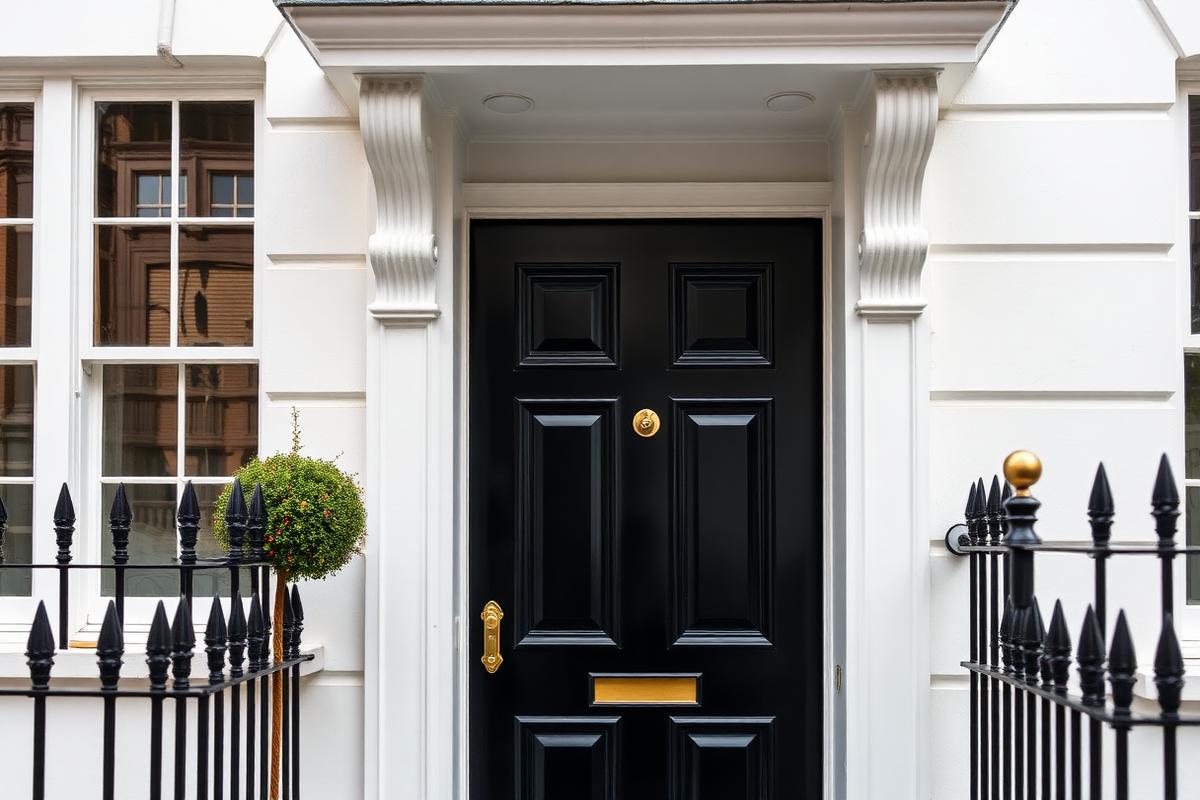
St John's Wood remains one of London's most distinguished residential enclaves, attracting discerning tenants who value its village-like atmosphere, garden squares and proximity to Regent's Park. Understanding the average rent in St John's Wood is essential for landlords seeking optimal returns and tenants planning their next move to this coveted NW8 postcode. Our team has analysed the latest rental data from the Office for National Statistics to provide a detailed picture of what tenants can expect to pay across different property types in this prestigious neighbourhood, where period conversions and purpose-built mansion blocks command premium rents reflective of the area's enduring appeal.
Current St John's Wood Rent Prices Across Property Types
The rental landscape in St John's Wood reflects the area's status as a premier address, with prices varying considerably depending on property size and specification. According to ONS data, studio apartments in the area command rents between £1,075 and £1,650 per calendar month, offering an entry point for those seeking the St John's Wood lifestyle.
One-bedroom flats, the most abundant rental stock in the area, typically range from £1,400 to £2,200 pcm, with properties in converted Victorian villas at the upper end and purpose-built flats toward the lower bracket. Two-bedroom apartments see rents from £1,925 to £3,000 monthly, reflecting strong demand from professional couples and small families drawn to the area's excellent schools and green spaces.
Larger family homes command significantly higher rents: three-bedroom properties range from £2,550 to £4,000 pcm, whilst four-bedroom houses stretch from £3,400 to £5,325 monthly. For those seeking the most spacious accommodation, five-bedroom and larger homes achieve rents between £4,475 and £6,975 per calendar month, often representing substantial period houses with private gardens near Lord's Cricket Ground or the American School.
These figures demonstrate how much is rent in St John's Wood across the spectrum, with the premium attached to additional bedrooms reflecting the scarcity of larger family homes in this densely desirable neighbourhood. Properties overlooking the garden squares or those with off-street parking typically achieve rents at the higher end of each bracket.
Understanding St John's Wood Rental Yields for Investors
For property investors, St John's Wood rental yields must be assessed against the area's elevated capital values. Recent HM Land Registry data shows the median property sale price stands at £700,000, though this figure encompasses a wide range from compact flats to multi-million pound houses. The median flat price of £488,250 provides a more relevant benchmark for most landlords considering the predominance of lateral apartments in mansion blocks.
When calculating potential returns, a two-bedroom flat purchased at the median price and let at the mid-range rent of approximately £2,460 pcm would generate an annual rental income of roughly £29,520. This produces a gross yield of approximately 6% before costs—competitive for prime central London, where capital appreciation often forms a significant component of total returns alongside rental income.
St John's Wood rental yields become particularly attractive for landlords who acquired properties before recent price escalations or who benefit from mortgage arrangements secured at favourable rates. The area's consistent tenant demand, driven by international schools, media professionals working at nearby BBC studios, and finance executives, ensures strong occupancy rates that enhance net yields.
We observe that properties maintained to exceptional standards with modern specifications achieve both premium rents and longer tenancies, reducing void periods that can significantly impact annual returns. Our <a href="/let-your-property/st-johns-wood">lettings team</a> works closely with landlords to position properties competitively whilst maximising sustainable rental income.
Factors Influencing Rental Prices in St John's Wood
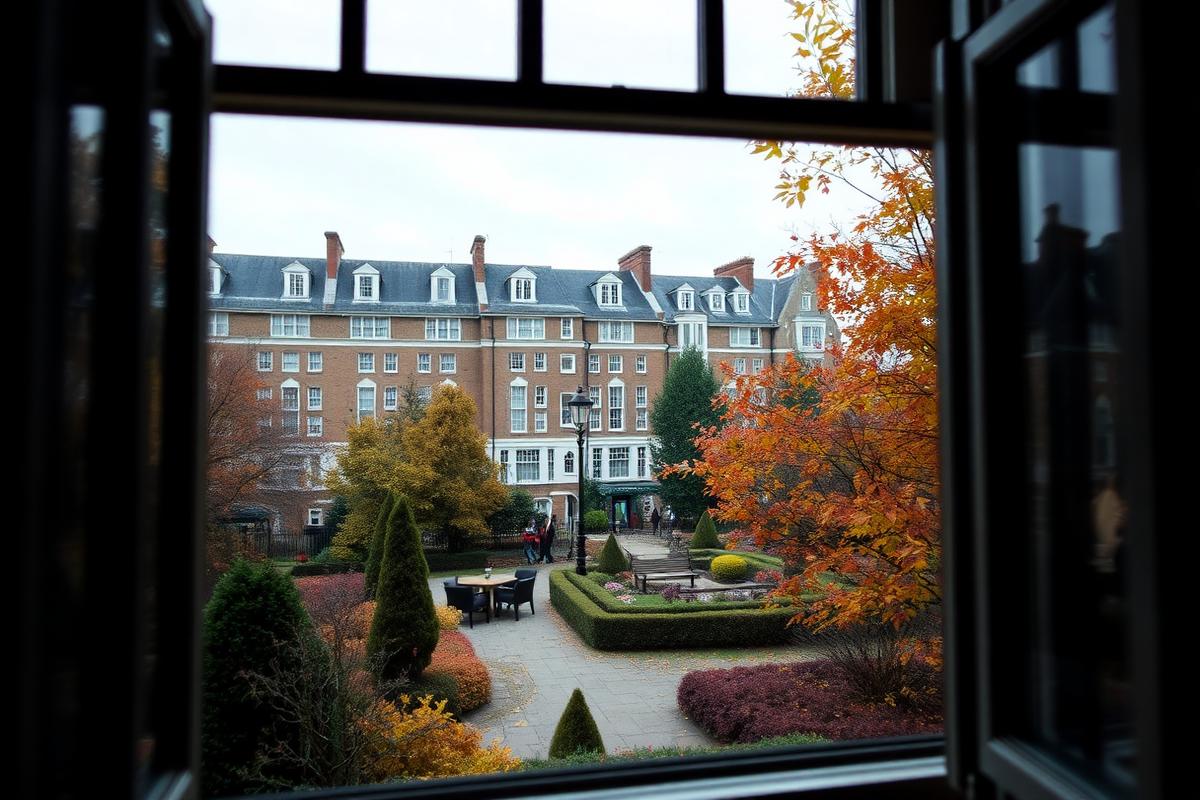
Several distinctive characteristics elevate St John's Wood above neighbouring areas and justify the rental premium. The neighbourhood's exceptional transport connectivity, with St John's Wood and Swiss Cottage Underground stations providing direct access to the City and West End via the Jubilee line, makes it highly desirable for professionals. Proximity to Regent's Park and Primrose Hill offers green space rarely matched in central London.
The concentration of international schools, particularly the American School in London and numerous French and Arabic educational institutions, creates sustained demand from expatriate families on corporate rental budgets. These tenants typically seek three-bedroom properties or larger, driving competition and supporting rents at the upper end of the market. The area's reputation for security, mature tree-lined streets and architectural heritage further enhances its appeal.
Property condition and presentation significantly impact achievable rents. Period conversions retaining original features whilst incorporating modern kitchens and bathrooms command premiums over dated stock. Buildings with porters, lift access and communal gardens attract tenants willing to pay extra for convenience and security. Off-street parking or garage space—exceptionally rare in the area—can add £200-£300 monthly to rental values.
Seasonal fluctuations also influence the market, with demand peaking in summer months when international families relocate before the academic year. Our <a href="/estate-agents/st-johns-wood">local expertise</a> helps landlords time lettings to capitalise on these patterns whilst advising tenants when negotiating leverage strengthens.
Talk to Seymont
What's your home worth?
A considered view on price, timing and how to bring your London home to market — a personal reply within 24 hours.
Your property
Step 1 of 2St John's Wood Rental Market Outlook and Trends
The rental market in St John's Wood has demonstrated remarkable resilience, supported by constrained supply and the area's enduring reputation. Recent sales data from the HM Land Registry, recording 104 transactions with a median price of £700,000, indicates continued investor confidence despite broader economic uncertainties. The predominance of flat sales—82 of the 104 transactions—reflects the area's character and the investment focus on lateral apartments.
We're observing growing tenant expectations regarding energy efficiency and sustainability, with properties holding strong EPC ratings achieving quicker lets and premium rents. Landlords investing in improvements such as double glazing, improved insulation and modern heating systems find these upgrades increasingly valued by environmentally conscious tenants and mandated by evolving regulations.
The notable sales at the upper end—including detached houses with a median price of £12,675,000 and terraced properties at £2,675,000—demonstrate the diversity of St John's Wood's property stock. Whilst these trophy assets rarely enter the rental market, their presence elevates the area's overall prestige and supports rental values across all property types.
Looking ahead, we anticipate continued strength in rental demand as purchasing barriers remain high for many would-be buyers. For those exploring <a href="/property-for-sale/st-johns-wood">properties for sale in St Johns Wood</a>, understanding rental potential provides valuable insight into both investment viability and the holding costs should circumstances change. The area's fundamentals—location, schools, transport and character—ensure St John's Wood will remain amongst London's most sought-after rental addresses.
Navigating the St John's Wood Rental Process
Whether you're a prospective tenant researching how much is rent in St John's Wood or a landlord seeking to optimise returns, understanding the local market dynamics proves essential. Tenants should budget not only for monthly rent but also for substantial deposits—typically five to six weeks' rent—and the first month's payment in advance. Many landlords in this prime area require comprehensive referencing, including employment verification and previous landlord references.
For international tenants, particularly those relocating with families for school placement, engaging early proves crucial given the competitive nature of the market for larger homes. We recommend beginning property searches at least two to three months before required move-in dates, particularly for academic year starts when demand peaks significantly.
Landlords benefit from understanding that whilst St John's Wood rent prices sit at premium levels, tenant expectations match accordingly. Properties must be presented to exceptional standards, with professional cleaning, minor repairs addressed and comprehensive inventories prepared. Competitive positioning requires realistic pricing based on genuine comparable evidence rather than aspirational figures that lead to extended void periods.
Our team provides comprehensive market appraisals drawing on real-time data and recent lettings, ensuring properties attract quality tenants swiftly. For those considering their options, reviewing current <a href="/house-prices/st-johns-wood">house prices in St John's Wood</a> alongside rental values offers perspective on the relative merits of purchasing versus renting in this distinguished neighbourhood.
Talk to Seymont
What's your home worth?
A considered view on price, timing and how to bring your London home to market — a personal reply within 24 hours.
Your property
Step 1 of 2About the author
Amara BennettProperty Market Analyst
Amara spent seven years as a market analyst at Kestrel Lane Research, a small London property consultancy, before joining our editorial desk. She reads sold-price and rental data street by street to explain how individual London postcode districts actually behave, and reviews every price figure we publish. Her focus is separating headline national averages from what a specific address is worth today.
MSc Real Estate Economics · Seven years in property market research
- Valuations
- Local market data
- Sold prices
- Pricing strategy
Frequently asked
- What is the average rent for a two-bedroom flat in St John's Wood?
- According to ONS data, two-bedroom flats in St John's Wood typically rent for between £1,925 and £3,000 per calendar month, with the variation reflecting property condition, building amenities and exact location within the neighbourhood. Properties in period conversions with modern specifications and those in mansion blocks with porter service tend toward the upper end of this range.
- Are rental yields in St John's Wood competitive compared to other London areas?
- St John's Wood rental yields typically range between 4-6% gross, which is competitive for prime central London locations. Whilst not matching yields in outer London boroughs, St John's Wood offers the advantage of strong capital appreciation potential, consistent tenant demand and lower void periods, making total returns attractive for investors taking a longer-term view.
- What drives the premium rents in St John's Wood compared to neighbouring areas?
- The rental premium reflects several factors: exceptional transport links via the Jubilee line, proximity to Regent's Park and Primrose Hill, the concentration of prestigious international schools, the area's village atmosphere with independent shops and restaurants, tree-lined streets with period architecture, and a reputation for safety and community that appeals particularly to families and international professionals.
- When is the best time to search for rental properties in St John's Wood?
- The rental market in St John's Wood experiences peak demand during summer months (June-August) as international families relocate before the September school term. For tenants seeking better negotiating position and wider choice, searching during autumn and winter months often presents opportunities, though availability of larger family homes remains limited year-round given sustained demand.
- How much should I budget monthly for a family home in St John's Wood?
- For a three-bedroom property suitable for a family, budget between £2,550 and £4,000 per calendar month according to ONS data. Four-bedroom houses range from £3,400 to £5,325 monthly, whilst larger five-bedroom homes command £4,475 to £6,975 pcm. Additional costs including council tax (typically band F-H), utilities and potential parking permits should also be factored into overall budgets.