Journal
The Best Areas to Live in St John's Wood
Written by Amara Bennett · Property Market Analyst
Published 19 October 2025 · Updated 11 June 2026 · 7 min read
The short answer
St John's Wood has long captivated discerning Londoners with its elegant Regency villas, tree-lined avenues and village atmosphere just moments from the West End. When exploring the best areas to live in St John's Wood, buyers and tenants encounter a rare blend of architectural heritage, cultural prestige and enviable connectivity that few London postcodes can rival.
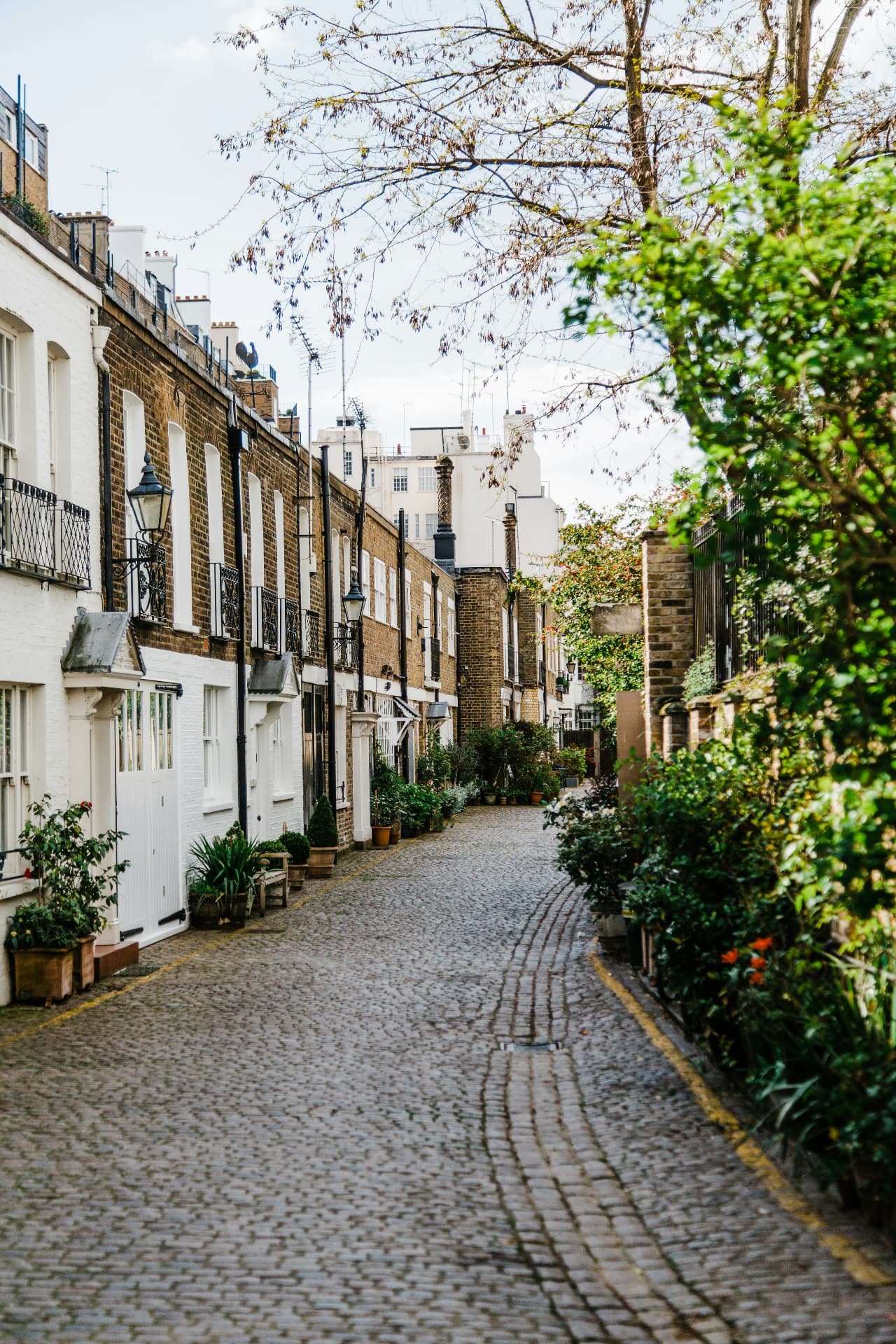
St John's Wood has long captivated discerning Londoners with its elegant Regency villas, tree-lined avenues and village atmosphere just moments from the West End. When exploring the best areas to live in St John's Wood, buyers and tenants encounter a rare blend of architectural heritage, cultural prestige and enviable connectivity that few London postcodes can rival. Our team has worked extensively across this distinguished NW8 enclave, and we've witnessed firsthand how each pocket of St John's Wood offers its own character and appeal. From the cricket-watching residents near Lord's to families drawn to the garden squares south of Abbey Road, understanding where to live in St John's Wood requires insight into the subtle distinctions that define this exceptional neighbourhood.
The Garden Square Enclaves: St John's Wood's Most Coveted Addresses
The garden squares remain the jewels in St John's Wood's crown, offering residents private communal gardens enclosed by some of London's finest early Victorian architecture. Hamilton Terrace stands out as perhaps the grandest address, where cream-stuccoed villas command premium prices and the wide tree-canopied avenue creates an almost Parisian elegance. The square's residents enjoy exclusive access to manicured gardens whilst being mere minutes from St John's Wood High Street and Underground station.
Loudoun Road and the streets radiating from Marlborough Place form another highly desirable cluster, where original features and generous proportions attract families seeking period charm with modern convenience. According to HM Land Registry Price Paid Data, detached properties in St John's Wood reached a median of £12,675,000 in recent transactions, with the finest examples concentrated around these garden square enclaves.
Cavendish Avenue and the roads between Abbey Road and Grove End Road offer slightly smaller-scale elegance, with terraced houses that retain original cornicing, sash windows and private rear gardens. These streets attract a mix of established families and professional couples who value architectural integrity alongside proximity to Regent's Park. The sense of community here runs deep, with neighbours who have often lived in the area for decades.
For those considering [property for sale in St John's Wood](/property-for-sale/st-johns-wood), the garden square streets consistently demonstrate strong value retention, though competition remains fierce for the best examples with lateral living space and off-street parking.
Abbey Road and the Musical Quarter: Cultural Heritage Meets Residential Calm
Abbey Road itself carries global recognition thanks to the iconic zebra crossing and recording studios, yet the residential stretches away from the tourist focal point offer surprisingly peaceful living. The streets between Abbey Road and Boundary Road—including Elm Tree Road, Violet Hill and Blenheim Road—form what we consider one of the St John's Wood best streets for those seeking red-brick mansion blocks and converted houses with genuine character.
These St John's Wood neighbourhoods attract creative professionals, musicians and media executives who appreciate the area's cultural cachet alongside its transport links. The mansion blocks here typically offer generous ceiling heights, porter services and well-maintained communal areas, with flats accounting for 82 of the 104 recent sales recorded, achieving a median of £488,250 according to HM Land Registry data.
The streets immediately north of the studios—Abercorn Place, Charlbert Street and Allitsen Road—provide access to Primrose Hill's northern slopes whilst retaining St John's Wood's distinctive architectural palette. Families are drawn here for proximity to excellent schools and Primrose Hill itself, where weekend football matches and kite-flying have become neighbourhood traditions.
Rental demand remains consistently strong in this quarter, with ONS data indicating two-bedroom properties commanding between £1,925 and £3,000 per calendar month, reflecting the appeal to professionals and small families alike.
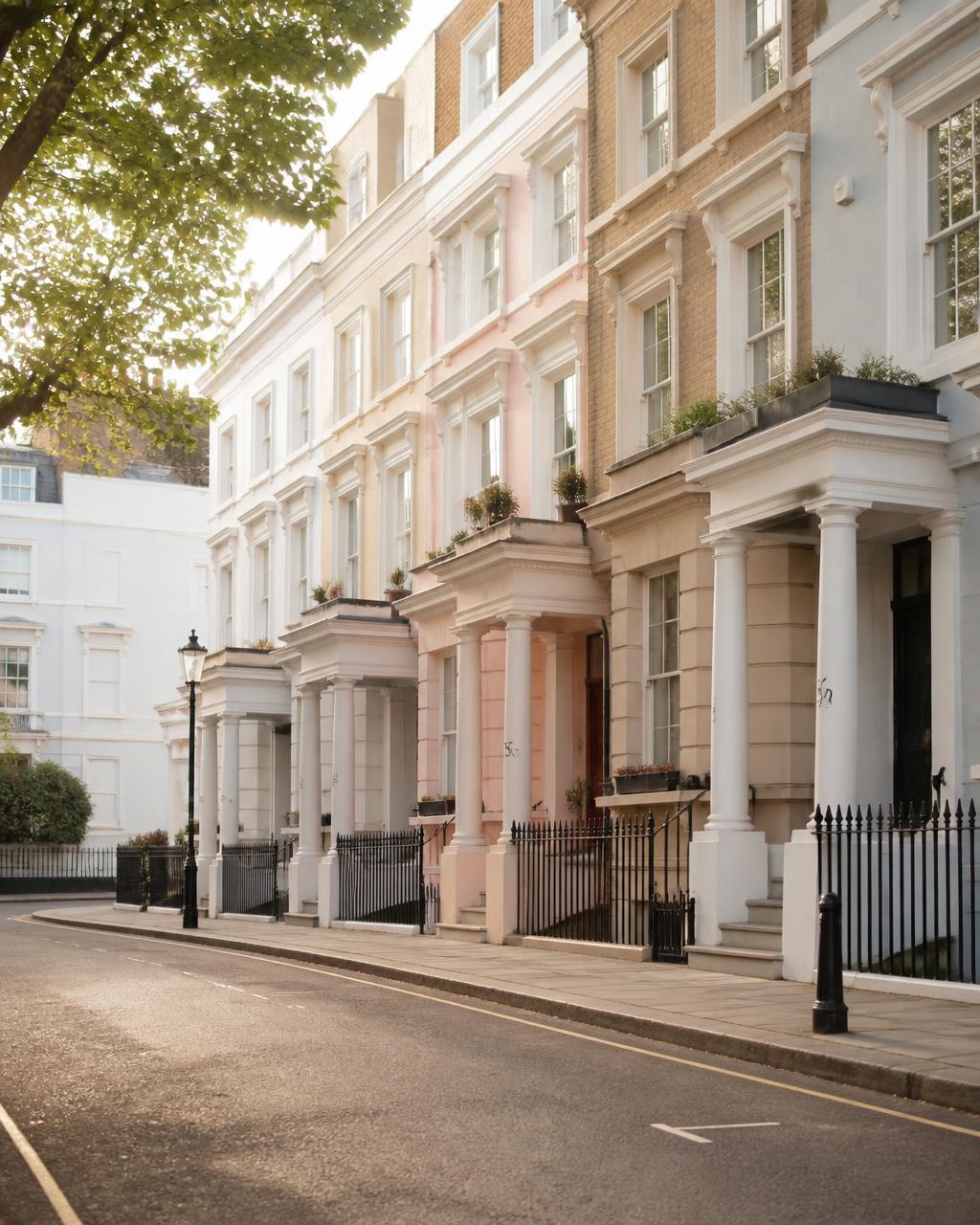
The Lord's Cricket Ground Perimeter: Sporting Heritage and Garden Access
Living within sight or sound of Lord's Cricket Ground offers a uniquely St John's Wood experience, where the thwack of leather on willow punctuates summer afternoons and match days bring a gentle buzz to surrounding streets. Wellington Road, St John's Wood Road and the streets between Grove End Road and the ground itself—particularly Elm Tree Road and Acacia Road—attract cricket enthusiasts and those who value Regent's Park access above all else.
These addresses offer immediate entry to the park's northern reaches, where morning runs through the gardens and weekend picnics become part of daily rhythm. The housing stock here spans elegant stucco terraces, purpose-built mansion flats from the Edwardian era, and occasional modern developments that have been sensitively integrated into the streetscape. Our experience with [estate agents in St John's Wood](/estate-agents/st-johns-wood) confirms that properties with park views or direct garden access command significant premiums.
Winchelsea Road and the quiet residential closes off St John's Wood Park provide family houses with the rare luxury of generous rear gardens, often backing onto greenery that creates a semi-rural feel despite the Zone 2 postcode. These pockets particularly suit families with children and pets, where the combination of outside space and park proximity proves irresistible.
The cricket ground itself contributes to neighbourhood character through the MCC's stewardship and the quality of match-day visitors, creating an atmosphere quite different from typical London sporting venues. Residents here become accustomed to the rhythm of the cricket calendar, viewing it as part of the area's enduring appeal rather than a disruption.
Talk to Seymont
What's your home worth?
A considered view on price, timing and how to bring your London home to market — a personal reply within 24 hours.
Your property
Step 1 of 2St John's Wood High Street and the Village Core: Convenience Meets Community
The streets immediately surrounding St John's Wood High Street offer unparalleled convenience for those prioritising transport links, shopping and dining within walking distance. The High Street itself has evolved considerably, now hosting Daylesford Organic, independent boutiques and the popular Ivy Café alongside established local businesses that have served the community for generations.
Orchard Court, Acacia Court and the mansion blocks on Finchley Road provide low-maintenance apartment living with excellent transport access—the Jubilee Line delivers Bond Street in six minutes and Canary Wharf in twenty. Studio flats here range from £1,075 to £1,650 per calendar month according to ONS rental data, making these addresses accessible entry points for those establishing themselves in one of London's most prestigious postcodes.
The terraced streets between the High Street and Avenue Road—Blenheim Road, Alpha Place and Circus Road—offer village-centre living with residential calm, where corner shops, cafés and the twice-weekly farmers' market create genuine neighbourhood cohesion. We've observed that these streets particularly attract downsizers from larger St John's Wood family houses and international professionals on assignment who value the combination of local amenities and global connectivity.
For investors and landlords exploring options to [let your property in St John's Wood](/let-your-property/st-johns-wood), the High Street quarter demonstrates consistent rental demand across all property sizes, with tenant retention rates notably higher than the London average due to the quality of local infrastructure and community atmosphere.
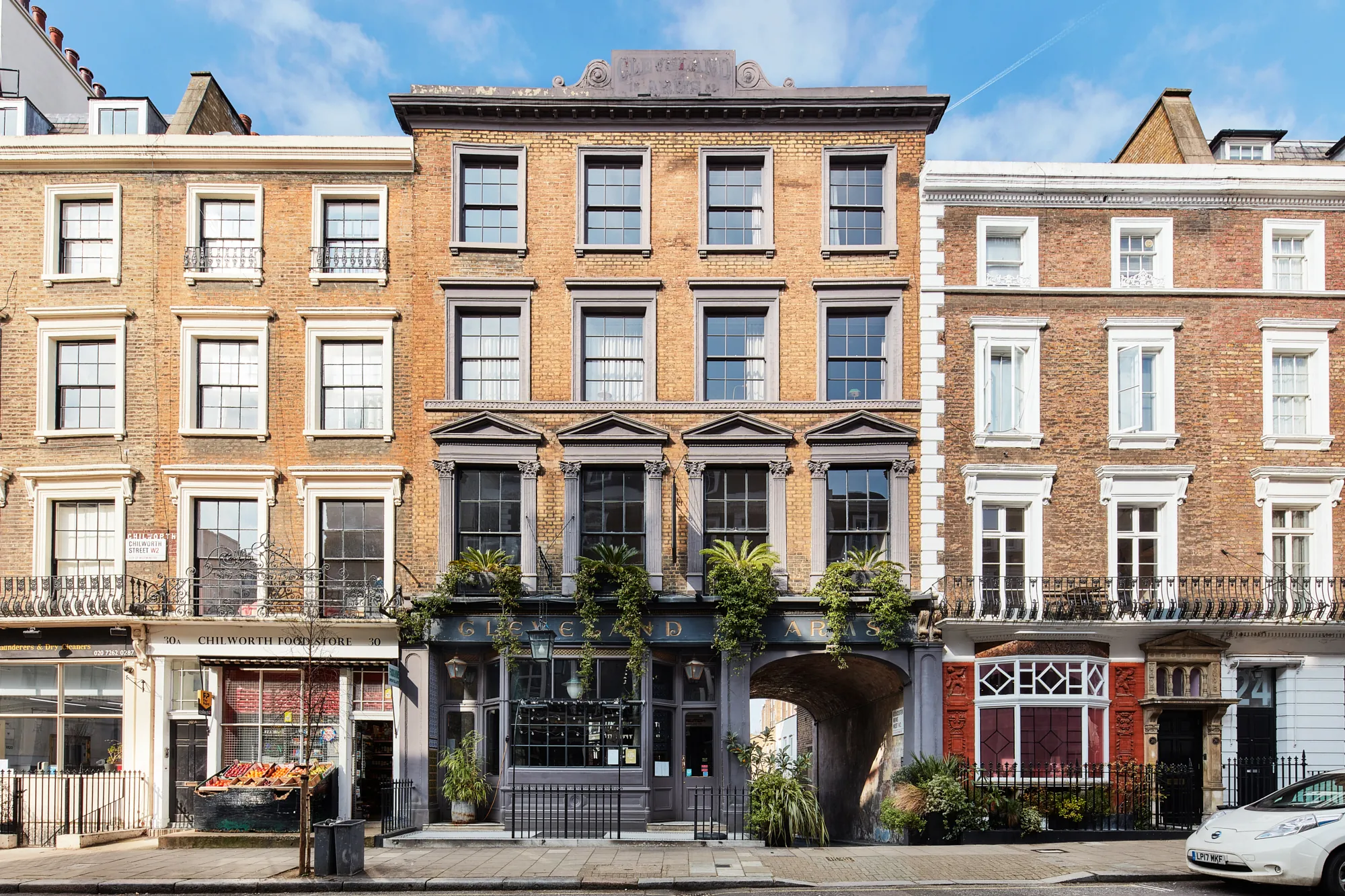
Understanding St John's Wood Property Values and Market Dynamics
The overall median property price of £700,000 across St John's Wood's 104 recent sales masks significant variation by property type and precise location. Terraced houses achieved a median of £2,675,000, ranging from £1,400,000 to an exceptional £16,000,000 for the finest examples on premier streets. Semi-detached properties commanded £10,725,000 at median, whilst the detached market—dominated by the grandest villas on streets like Hamilton Terrace and Acacia Road—reached £12,675,000 at median, with top prices touching £29,000,000.
For those examining [house prices in St John's Wood](/house-prices/st-johns-wood), these HM Land Registry figures reflect a market where location micro-nuances, architectural quality and garden provision drive substantial value differentials. A garden flat on a premier square may achieve double the price per square foot of a similar-sized apartment on a busier through-road, whilst off-street parking can add £100,000 or more to a property's value.
The rental market demonstrates similar stratification, with five-bedroom houses commanding £4,475 to £6,975 per calendar month whilst studios offer accessible entry from £1,075. Three-bedroom properties—the sweet spot for young families and sharers—range from £2,550 to £4,000, with the upper band typically representing garden squares or exceptional mansion flats with parking and porters.
Our team observes that St John's Wood's market resilience stems from factors unlikely to diminish: the fixed supply of garden squares, the permanence of Regent's Park, Lord's enduring appeal and transport infrastructure that continues improving with Crossrail enhancing connectivity at nearby Bond Street. These fundamentals underpin both capital growth prospects and rental demand, making careful neighbourhood selection essential for optimising returns.
Choosing Your St John's Wood Neighbourhood: Practical Considerations
Deciding where to live in St John's Wood ultimately depends on balancing priorities between space, location prestige, transport access and budget. Families with school-age children gravitate toward the garden square streets where community ties run deep and private gardens offer secure play space, accepting the premium pricing these addresses command. Young professionals and couples often prefer the High Street quarter or Abbey Road mansion blocks, where maintenance-free living and immediate amenities suit busy lifestyles.
Downsizers from larger London houses frequently target the best-quality mansion flats on streets like Abbey Road or Wellington Road, where porter services, passenger lifts and proximity to Regent's Park deliver comfort without compromising on location quality. International buyers and tenants particularly value St John's Wood's established infrastructure of private schools, medical facilities and the cultural institutions of nearby Marylebone and Maida Vale.
Practical factors warrant careful consideration: parking remains at a premium throughout St John's Wood, with off-street spaces adding considerable value and convenience. The Controlled Parking Zone means residents require permits, though availability varies by street. Proximity to the Jubilee Line proves crucial for those commuting to Canary Wharf or the City, whilst Abbey Road Studios and Lord's Cricket Ground, though culturally enriching, can bring occasional crowds that some prefer to avoid immediately adjacent to their homes.
Our recommendation remains consistent: visit your shortlisted St John's Wood neighbourhoods at different times—weekday mornings, weekend afternoons, and during cricket matches or school runs—to understand the rhythm of each street before committing. The best areas to live in St John's Wood vary by individual circumstance, but the common thread across all these distinguished addresses is a quality of life that few London postcodes can match.

Talk to Seymont
What's your home worth?
A considered view on price, timing and how to bring your London home to market — a personal reply within 24 hours.
Your property
Step 1 of 2About the author
Amara BennettProperty Market Analyst
Amara spent seven years as a market analyst at Kestrel Lane Research, a small London property consultancy, before joining our editorial desk. She reads sold-price and rental data street by street to explain how individual London postcode districts actually behave, and reviews every price figure we publish. Her focus is separating headline national averages from what a specific address is worth today.
MSc Real Estate Economics · Seven years in property market research
- Valuations
- Local market data
- Sold prices
- Pricing strategy
Frequently asked
- What is the average property price in St John's Wood?
- According to HM Land Registry Price Paid Data, the median property price in St John's Wood is £700,000, though this varies significantly by property type. Flats achieve a median of £488,250, terraced houses £2,675,000, and detached properties £12,675,000. The range extends from £91,000 for the smallest flats to £29,000,000 for the finest detached villas on premier streets like Hamilton Terrace.
- Which are the most prestigious streets in St John's Wood?
- Hamilton Terrace consistently ranks as St John's Wood's most prestigious address, with its grand cream-stuccoed villas and tree-lined avenue. Other highly coveted streets include Loudoun Road, Cavendish Avenue, Acacia Road and the roads around Marlborough Place. These garden square enclaves offer private communal gardens, exceptional architecture and strong value retention, making them perennially desirable for discerning buyers.
- How much does it cost to rent in St John's Wood?
- ONS rental data shows studios in St John's Wood range from £1,075 to £1,650 per calendar month, one-bedroom flats £1,400 to £2,200, two-bedroom properties £1,925 to £3,000, and three-bedroom homes £2,550 to £4,000. Larger family houses with four bedrooms command £3,400 to £5,325, whilst five-bedroom properties reach £4,475 to £6,975, with premiums for garden squares and properties with parking.
- Is St John's Wood well connected for transport?
- St John's Wood benefits from excellent transport connectivity. The Jubilee Line at St John's Wood Underground station reaches Bond Street in six minutes and Canary Wharf in twenty minutes. Multiple bus routes serve the area, connecting to the West End, the City and surrounding neighbourhoods. The forthcoming Crossrail services at Bond Street will further enhance connectivity, whilst proximity to the A41 and Marylebone Road provides road access across London.
- What amenities and facilities does St John's Wood offer?
- St John's Wood High Street hosts Daylesford Organic, independent boutiques, restaurants including The Ivy Café, and essential services. The area benefits from immediate access to Regent's Park, Lord's Cricket Ground, Abbey Road Studios, and excellent private and state schools. Medical facilities, fitness clubs including the Third Space gym, and a twice-weekly farmers' market contribute to the neighbourhood's comprehensive infrastructure and strong community atmosphere.