Journal
Is Earls Court a Nice Place to Live?
Written by Amara Bennett · Property Market Analyst
Published 20 June 2026 · Updated 3 July 2026 · 6 min read
The short answer
Is Earls Court a nice place to live? This question resonates with anyone considering a move to this historic corner of West London. Straddling the Royal Borough of Kensington and Chelsea and the London Borough of Hammersmith and Fulham, Earls Court has undergone a remarkable transformation in recent years.
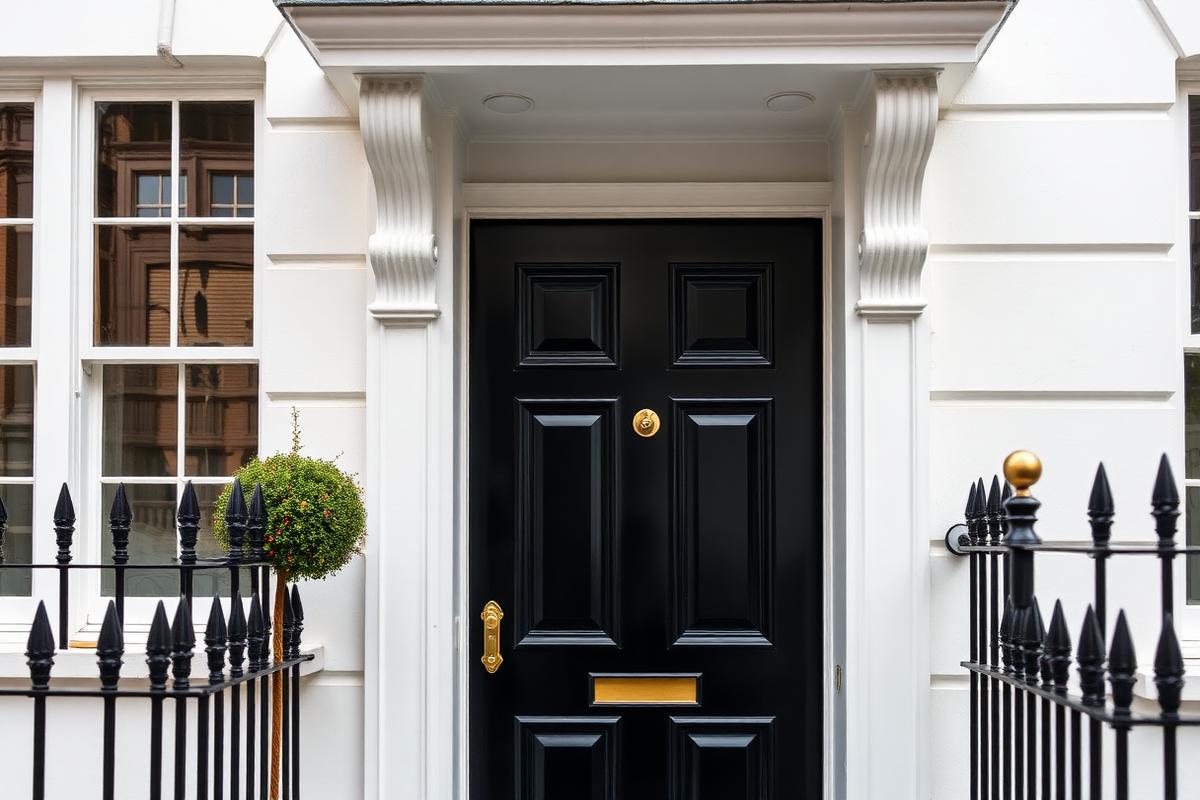
Is Earls Court a nice place to live? This question resonates with anyone considering a move to this historic corner of West London. Straddling the Royal Borough of Kensington and Chelsea and the London Borough of Hammersmith and Fulham, Earls Court has undergone a remarkable transformation in recent years. Once defined by its enormous exhibition centre, the area now stands at an exciting crossroads, balancing its bohemian heritage with ambitious regeneration plans. Our team has watched this neighbourhood evolve into a compelling choice for those seeking the perfect blend of central London convenience, cosmopolitan character and genuine community spirit.
Location and Transport Connections
Earls Court occupies an enviable position in Zone 1 and 2, offering exceptional connectivity that few London neighbourhoods can match. The area is served by two Underground stations—Earls Court itself and West Brompton—providing access to the District, Piccadilly and Circle lines. This means a journey to South Kensington takes just three minutes, whilst Leicester Square and the West End are reachable within fifteen minutes.
The Earls Court postcode areas—primarily SW5, with sections extending into SW10—benefit from proximity to three major railway stations. West Brompton offers Overground and Southern services, whilst Clapham Junction and Victoria are both within easy reach. For international travellers, Heathrow Airport sits less than forty minutes away on the Piccadilly line, a significant advantage for professionals with frequent overseas commitments.
Road links prove equally impressive, with the A4 and A40 providing swift access to the M4 and western routes out of London. That said, the excellent public transport infrastructure means many residents happily forgo car ownership altogether. The neighbourhood's walkability deserves particular mention—Kensington High Street, Chelsea and South Kensington's world-class museums all lie within comfortable walking distance.
Property Market and Pricing
According to HM Land Registry Price Paid Data, Earls Court's property market recorded a median sale price of £815,000 across 49 transactions in the most recent reporting period. The market is overwhelmingly dominated by flats, which accounted for 44 sales with a median price of £797,500, ranging from £411,000 to £3,900,000. This wide spectrum reflects the area's diverse housing stock, from compact studios to expansive lateral apartments in grand Victorian conversions.
Terraced houses, whilst scarce with only three sales recorded, commanded a median of £1,430,000, whilst 'other' property types—typically commercial conversions or mixed-use developments—saw a median of £1,849,292. These figures position Earls Court as more accessible than neighbouring South Kensington or Chelsea, yet still firmly within the premium London bracket.
Rental values, based on ONS data, demonstrate similar breadth. Studios range from £1,275 to £2,000 per calendar month, one-bedroom flats from £1,700 to £2,650, and two-bedroom properties from £2,300 to £3,600. Larger family homes command higher premiums: three-bedroom properties range from £3,075 to £4,800, four bedrooms from £4,100 to £6,400, and five-bedroom-plus homes from £5,375 to £8,400 monthly. Our team at [Seymont London](/estate-agents/earls-court) has observed particular demand for well-presented one and two-bedroom flats, which suit the area's demographic of young professionals and international workers.
The Pros and Cons of Living in Earls Court
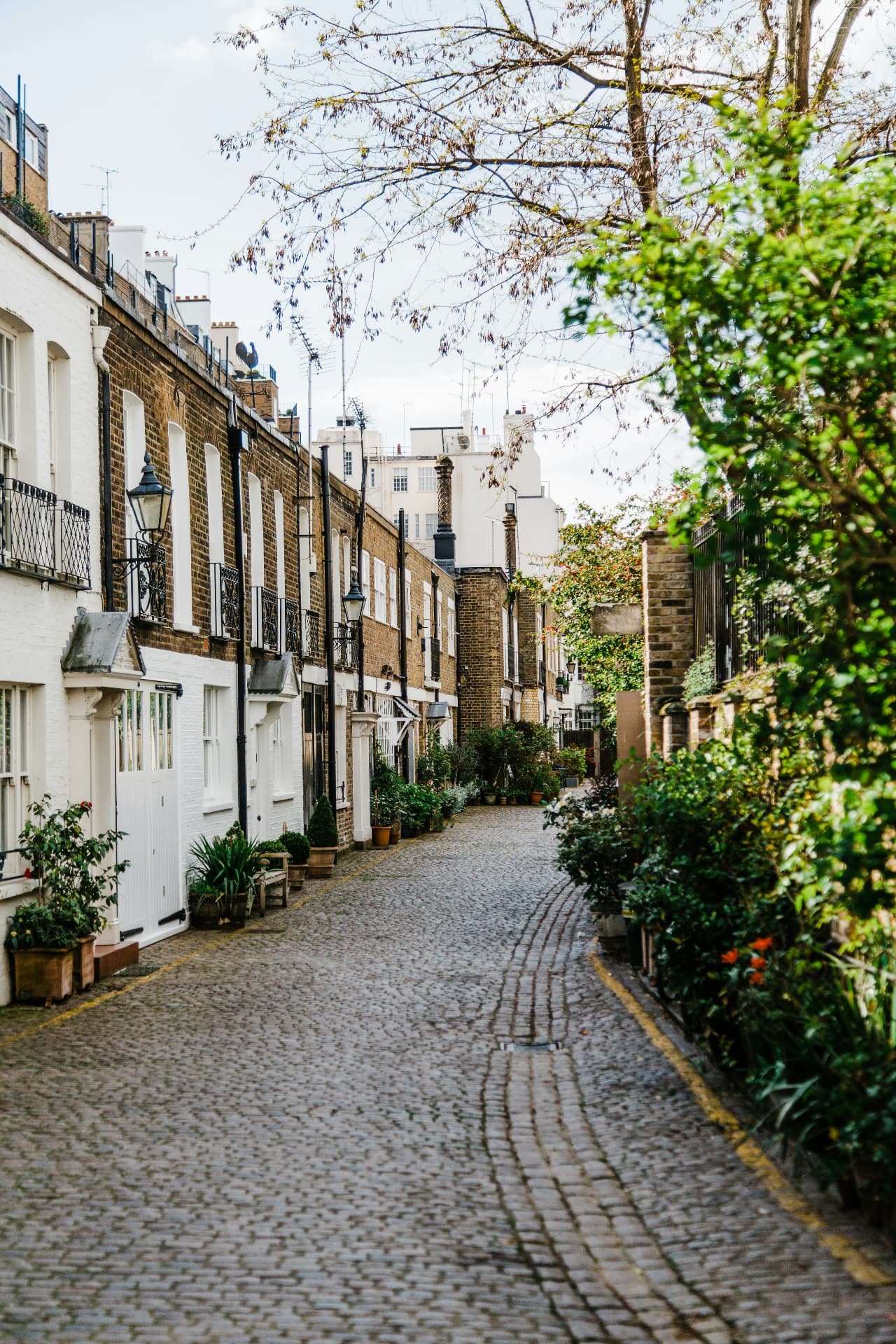
Understanding the pros and cons of living in Earls Court requires an honest appraisal of this neighbourhood's unique character. On the positive side, the area offers remarkable diversity—both architectural and cultural. Grand Victorian mansion blocks line tree-lined streets, whilst independent cafés, authentic international restaurants and long-standing local businesses create a genuinely cosmopolitan atmosphere. The proximity to cultural landmarks, including the Royal Albert Hall, Natural History Museum and V&A, enriches daily life immeasurably.
The ongoing redevelopment of the former exhibition centre site presents both opportunity and complexity. This ambitious project promises to deliver new homes, public spaces and amenities, potentially transforming Earls Court into an even more desirable residential quarter. However, construction activity inevitably brings temporary disruption, and some residents express concern about the scale of change to the neighbourhood's established character.
Earls Court's nightlife and entertainment heritage—once centred around the now-demolished venue—means certain pockets can feel livelier than others, particularly around the station and along Earls Court Road. Whilst this vibrancy appeals to many, those seeking absolute tranquillity might prefer the residential streets that radiate towards West Brompton or Gloucester Road. Traffic congestion during peak hours represents another consideration, though the excellent public transport largely mitigates this concern. For those exploring [property for sale in Earls Court](/property-for-sale/earls-court), we recommend visiting at different times to experience the area's varying rhythms firsthand.
Talk to Seymont
What's your home worth?
A considered view on price, timing and how to bring your London home to market — a personal reply within 24 hours.
Your property
Step 1 of 2Is Earls Court Safe?
When considering whether Earls Court is safe, prospective residents naturally examine crime statistics and street-level perceptions. Like any central London neighbourhood with significant footfall, Earls Court experiences urban crime, but overall safety levels align favourably with comparable Zone 1-2 areas. The Metropolitan Police's publicly available data shows that violent crime rates have declined in recent years, whilst neighbourhood policing teams maintain a visible presence, particularly around transport hubs.
The area benefits from well-lit main thoroughfares and active residential communities that foster natural surveillance. Quieter residential streets, particularly those running perpendicular to Earls Court Road towards the Cromwell Road, feel notably peaceful even late in the evening. We've observed that many residents, including single professionals and families, feel comfortable walking home after dark, though sensible urban precautions always apply.
Estate agents receive frequent enquiries about neighbourhood safety, and Earls Court reviews from residents consistently highlight feeling secure in their immediate residential streets. Community WhatsApp groups and residents' associations contribute to this sense of collective vigilance. The area's mix of long-term residents and transient populations means community cohesion varies by street, but overall, the neighbourhood maintains a reassuring balance between urban energy and residential calm.
Lifestyle, Amenities and Community
Earls Court's lifestyle appeal rests on its remarkable amenity mix. The area caters exceptionally well to food enthusiasts, with everything from Polish delicatessens and Middle Eastern grocers to French patisseries and traditional British pubs. Earls Court Road itself functions as the neighbourhood's commercial spine, offering supermarkets, pharmacies, dry cleaners and everyday conveniences, whilst the boutique shops along Barkston Gardens and surrounding streets provide more specialised retail.
Green space, whilst not abundant immediately within Earls Court, sits tantalizingly close. Holland Park lies fifteen minutes' walk north, offering formal gardens, woodland and cultural events. Brompton Cemetery, accessible via West Brompton, provides an atmospheric setting for walks and runs, whilst Kensington Gardens and Hyde Park are both easily reachable. For families, the area offers several well-regarded primary schools and nurseries, though secondary school options often require looking slightly further afield.
The cultural calendar remains rich despite the exhibition centre's closure. The Troubadour café continues its legendary tradition of hosting live music, whilst proximity to the Royal Albert Hall, Cadogan Hall and West End theatres means world-class performances are perpetually accessible. The area's international character—reflected in its diverse restaurant scene and multilingual street life—appeals particularly to those who value cosmopolitan living. Our experience helping clients [let property in Earls Court](/let-your-property/earls-court) confirms that this international flavour represents a significant draw for tenants from across the globe.
Our Team's Perspective
After years of guiding clients through Earls Court's property market, we've developed a nuanced understanding of who thrives here. The neighbourhood particularly suits professionals who value central location and transport connectivity over village-like intimacy, international residents seeking a cosmopolitan environment, and investors attracted to the area's regeneration potential and robust rental demand.
Earls Court rewards those who appreciate its transitional nature—a neighbourhood honouring its colourful past whilst embracing future transformation. The area isn't manicured like Belgravia, nor village-like as Primrose Hill, but it offers something increasingly rare in central London: affordability relative to its Zone 1 credentials, genuine diversity, and room for the area to grow in value and character. For anyone examining [house prices in Earls Court](/house-prices/earls-court), we always emphasise viewing the investment through a five-to-ten-year lens, considering how the ongoing redevelopment will reshape the area's profile.
Ultimately, Earls Court represents excellent value for those who prioritise connectivity, diversity and authenticity over polished perfection. It's a neighbourhood where long-established communities coexist with newcomers, where Victorian grandeur meets modern development, and where central London living remains within reach for a broader spectrum of buyers and renters than many neighbouring postcodes permit.

Talk to Seymont
What's your home worth?
A considered view on price, timing and how to bring your London home to market — a personal reply within 24 hours.
Your property
Step 1 of 2About the author
Amara BennettProperty Market Analyst
Amara spent seven years as a market analyst at Kestrel Lane Research, a small London property consultancy, before joining our editorial desk. She reads sold-price and rental data street by street to explain how individual London postcode districts actually behave, and reviews every price figure we publish. Her focus is separating headline national averages from what a specific address is worth today.
MSc Real Estate Economics · Seven years in property market research
- Valuations
- Local market data
- Sold prices
- Pricing strategy
Frequently asked
- What is the postcode for Earls Court London?
- Earls Court primarily falls within the SW5 postcode area, with some streets extending into SW10. The specific postcodes include SW5 9, SW5 0 and portions of SW10 9, covering areas served by both Earls Court and West Brompton Underground stations.
- How much does it cost to rent a flat in Earls Court?
- According to ONS data, rental costs in Earls Court vary considerably by property size. Studios typically range from £1,275 to £2,000 per calendar month, one-bedroom flats from £1,700 to £2,650, and two-bedroom properties from £2,300 to £3,600. Larger family homes command higher rents, with three-bedroom properties ranging from £3,075 to £4,800 monthly.
- Is Earls Court well connected for commuting?
- Earls Court offers exceptional transport connections, served by the District, Piccadilly and Circle Underground lines, providing direct access to central London, Heathrow Airport and beyond. West Brompton station adds Overground and Southern rail services, whilst the area's Zone 1-2 location means the West End, City and Canary Wharf are all reachable within thirty minutes.
- What are Earls Court reviews from residents typically like?
- Earls Court reviews from residents generally highlight the area's international character, excellent transport links and relative affordability compared to neighbouring Kensington and Chelsea. Many appreciate the diverse dining options and cultural proximity, though some note ongoing construction activity and varying noise levels depending on proximity to main roads and the station.
- Is Earls Court suitable for families?
- Earls Court can suit families, particularly those prioritising central location and transport connectivity. The area offers several primary schools and nurseries, good access to museums and parks, and residential streets away from main thoroughfares provide quieter environments. However, families seeking abundant green space and multiple secondary school options might find neighbouring areas like Fulham or Hammersmith more accommodating.