Journal
The Best Restaurants in Earls Court
Written by Nina Castellano · Investment Property Advisor
Published 18 March 2026 · Updated 1 June 2026 · 6 min read
The short answer
Earls Court has undergone a remarkable transformation in recent years, and nowhere is this more evident than in its dining scene. Once known primarily for its exhibition centre and budget hotels, this SW5 neighbourhood now offers some of the best restaurants in Earls Court, reflecting the area's diverse community and increasingly affluent residential character.
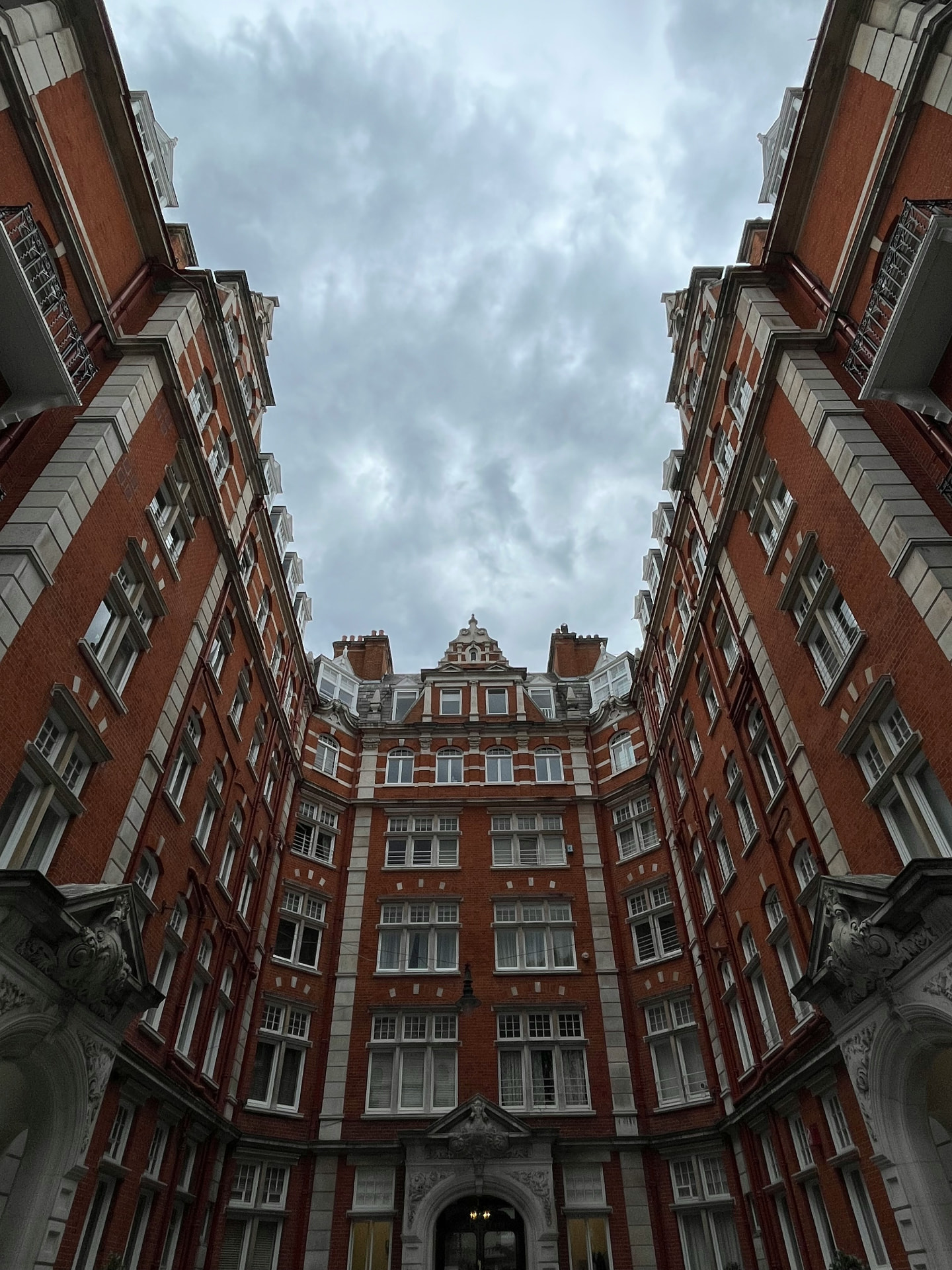
Earls Court has undergone a remarkable transformation in recent years, and nowhere is this more evident than in its dining scene. Once known primarily for its exhibition centre and budget hotels, this SW5 neighbourhood now offers some of the best restaurants in Earls Court, reflecting the area's diverse community and increasingly affluent residential character. Our team has explored the full spectrum of Earls Court restaurants to bring you this definitive guide to where to eat in one of West London's most intriguing postcodes. With a median property price of £815,000 according to HM Land Registry data, Earls Court's evolving identity is mirrored in its culinary offerings, which range from intimate neighbourhood bistros to internationally acclaimed dining destinations.
International Flavours Along Earls Court Road
The stretch of Earls Court Road between the Underground station and Cromwell Road forms the beating heart of the area's restaurant scene. Here you'll find an extraordinary concentration of international cuisine that reflects the neighbourhood's cosmopolitan character. Filipino restaurants sit alongside Lebanese cafés, whilst Polish delis share the pavement with contemporary European eateries.
The area's Filipino community has created a particularly strong culinary presence, with several authentic restaurants offering everything from sinigang to adobo. These establishments range from casual canteens to more polished dining rooms, all serving food that speaks to the substantial Filipino population who have made Earls Court their home. The Lebanese restaurants along this corridor are equally impressive, offering mezze spreads, charcoal-grilled meats and fresh flatbreads that transport diners straight to Beirut.
What makes this strip particularly special is its accessibility and authenticity. These aren't restaurants created for tourists seeking sanitised versions of foreign cuisine; they're neighbourhood establishments where local communities gather, where menus might require translation, and where the cooking reflects genuine culinary traditions. For residents of the growing number of <a href="/property-for-sale/earls-court">properties for sale in Earls Court</a>, this international dining scene represents one of the area's most compelling lifestyle advantages.
The evolution of this dining corridor mirrors the broader changes in Earls Court's residential market. According to HM Land Registry data, recent property transactions show a median flat price of £797,500, attracting a demographic that values both cultural diversity and culinary sophistication.
Contemporary British and European Dining
Beyond the international offerings, Earls Court has cultivated a strong selection of contemporary British and European restaurants that cater to the area's increasingly professional population. These establishments tend to cluster around the quieter residential streets, particularly those closest to Kensington and South Kensington, offering the kind of refined dining that residents previously had to venture elsewhere to find.
Several gastropubs have emerged as neighbourhood anchors, reimagining traditional pub dining with seasonal British ingredients and accomplished technique. These venues strike the delicate balance between remaining welcoming local institutions whilst elevating their food offering beyond standard pub fare. Sunday roasts here are serious affairs, featuring properly aged beef, crisp Yorkshire puddings and vegetables treated with the respect they deserve.
The area's bistro scene deserves particular mention. French and Italian-influenced restaurants have opened in converted shop fronts and former residential spaces, bringing the kind of neighbourhood dining culture that characterises more established West London postcodes. These are the kinds of places residents of the area's <a href="/estate-agents/earls-court">well-appointed flats and houses</a> return to weekly, where staff remember preferences and seasonal menus ensure regular variety.
These contemporary European restaurants have proved particularly popular with the professional couples and young families increasingly drawn to Earls Court. With ONS rental data showing two-bedroom properties commanding between £2,300 and £3,600 per month, the neighbourhood attracts residents who expect and support quality dining options within walking distance of home.
Where to Eat in Earls Court: Hidden Gems and Local Favourites
Some of the most rewarding Earls Court restaurants lie slightly off the main thoroughfares, tucked into residential streets where only locals tend to venture. These hidden gems often occupy modest premises but deliver cooking that rivals anywhere in West London. Our team has spent considerable time exploring these quieter corners, discovering establishments that define what makes neighbourhood dining so special.
The side streets between Earls Court Road and Warwick Road harbour several such treasures. Small family-run restaurants serve everything from regional Italian cuisine to modern Middle Eastern cooking, often in spaces seating fewer than thirty covers. The intimacy of these venues creates an atmosphere quite different from larger, more commercial operations – you're dining in what feels like someone's personal project, where every dish carries the weight of reputation.
Coffee culture has also flourished in these residential pockets, with several independent cafés offering serious espresso alongside all-day food menus. These spaces function as neighbourhood living rooms, where residents working from home decamp for a change of scene, where parents gather after school runs, and where the rhythms of local life play out over flat whites and sourdough toast.
For those considering <a href="/house-prices/earls-court">investing in Earls Court property</a>, these hidden neighbourhood amenities represent significant lifestyle value. They're the kinds of places that don't appear in tourist guides but prove essential to daily quality of life, the establishments that transform a postcode from somewhere you simply reside into a genuine community.
Talk to Seymont
What's your home worth?
A considered view on price, timing and how to bring your London home to market — a personal reply within 24 hours.
Your property
Step 1 of 2Earls Court Pubs: Traditional and Transformed
The pub landscape in Earls Court tells the story of the area's evolution in microcosm. Several Victorian and Edwardian pubs survive, their ornate tilework and etched glass speaking to the neighbourhood's late-nineteenth-century heyday. Some have maintained traditional identities as locals' pubs, whilst others have undergone transformations that reflect changing demographics and expectations.
The best Earls Court pubs manage to honour their heritage whilst adapting to contemporary tastes. Original architectural features remain intact, but the beer selection has expanded beyond standard lagers to include craft options and carefully chosen wines. Food has evolved from crisps-behind-the-bar to proper kitchen operations, often featuring the same commitment to quality ingredients found in standalone restaurants.
What's particularly pleasing is that several pubs have resisted the urge to completely gentrify, maintaining their function as community gathering spaces rather than becoming exclusively dining destinations. You can still enjoy a pint without ordering food, still find locals at the bar on weekday afternoons, still encounter the kind of cross-section of humanity that defines a proper London pub. This balance feels increasingly rare and valuable.
The pub scene contributes meaningfully to Earls Court's residential appeal. For tenants and buyers exploring the area – where HM Land Registry data shows recent terraced house sales achieved a median of £1.43 million – the presence of characterful, well-run pubs within walking distance adds both convenience and community connection. These are the venues where neighbourhood bonds form, where newcomers become locals, where a postcode becomes home.
The Earls Court Dining Scene: Future Prospects
The trajectory of Earls Court's restaurant scene points unmistakably upward. As the area continues to attract investment and residential development, the dining options are evolving to match the expectations of an increasingly discerning population. We're seeing more ambitious openings, with restaurateurs who might previously have focused on Chelsea or Notting Hill now recognising Earls Court's potential.
The neighbourhood benefits from several structural advantages that suggest this culinary evolution will continue. Transport links remain excellent, with the District and Piccadilly lines ensuring easy access to Central London. The residential streets offer the kind of mansion block and Victorian terrace architecture that creates genuine neighbourhood character. And the existing community diversity provides both customer base and cultural richness that more homogeneous areas lack.
What's emerging is a dining scene with genuine identity rather than one imposed from elsewhere. The international restaurants remain proudly authentic, the gastropubs feel rooted in their buildings and community, and newer openings respond to what the neighbourhood actually wants rather than attempting to replicate dining trends from other postcodes. This organic evolution creates something more sustainable and more interesting than top-down gentrification.
For those working with our team on <a href="/let-your-property/earls-court">letting property in Earls Court</a>, the strengthening restaurant scene represents a tangible amenity to highlight. Quality dining options within walking distance increasingly influence residential decisions, particularly among professional tenants and buyers. According to ONS data, rental demand remains strong across all property sizes, from studios (£1,275-£2,000 per month) to larger family homes, partly reflecting the neighbourhood's improving lifestyle offer. The best restaurants in Earls Court aren't merely places to eat; they're evidence of an area coming into its own, developing the kind of local infrastructure that turns good postcodes into great ones.
Talk to Seymont
What's your home worth?
A considered view on price, timing and how to bring your London home to market — a personal reply within 24 hours.
Your property
Step 1 of 2About the author
Nina CastellanoInvestment Property Advisor
Nina advises landlords and investors on rental yields, tenant demand and portfolio structure across Greater London, after running lettings and management at Bellhouse Property Partners. She has overseen single units and multi-property portfolios, and works through compliance, void periods and running costs before a purchase is agreed. Her articles deal with the numbers behind a buy-to-let rather than the headline gross yield.
Lettings and portfolio management · 9 years in London rentals
- Buy-to-let
- Rental yields
- Portfolio strategy
- Landlord compliance
Frequently asked
- What type of cuisine is Earls Court best known for?
- Earls Court is particularly renowned for its authentic international cuisine, especially Filipino and Lebanese restaurants along Earls Court Road. The area's diverse community has created one of London's most genuine concentrations of global dining, where restaurants serve local communities rather than tourists. You'll also find strong contemporary British and European options, particularly gastropubs and neighbourhood bistros in the residential streets.
- Are restaurants in Earls Court expensive?
- Earls Court offers dining at various price points, from budget-friendly international canteens to upscale contemporary restaurants. The neighbourhood's diversity means you can find excellent Filipino or Lebanese meals for under £15 per person, whilst the gastropubs and European bistros typically range from £25-45 per head. This variety makes Earls Court accessible whilst still offering options for special occasions.
- Is Earls Court a good area for dining out?
- Yes, Earls Court has developed into an increasingly strong dining destination. The area combines authentic international restaurants reflecting its diverse community with a growing number of quality contemporary British and European establishments. The dining scene feels genuine and neighbourhood-focused rather than tourist-oriented, offering both variety and quality that appeal to residents and visitors alike.
- What is the postcode for Earls Court restaurants?
- Most Earls Court restaurants fall within the SW5 postcode area, particularly SW5 9 around Earls Court Road and the Underground station. Some establishments on the periphery may have SW10 (towards West Brompton) or SW7 (towards South Kensington) postcodes, but the SW5 designation covers the core dining district.
- How has the Earls Court restaurant scene changed in recent years?
- The Earls Court dining scene has evolved significantly alongside the area's residential transformation. Whilst maintaining its authentic international restaurants, the neighbourhood has attracted more ambitious contemporary British and European openings, plus upgraded gastropubs. This evolution mirrors broader demographic changes, with property prices rising (median £815,000 according to HM Land Registry data) and more professionals choosing the area, creating demand for sophisticated dining options alongside the existing community establishments.