Journal
Is Brixton a Nice Place to Live?
Written by Julian Reyes · Licensed Real Estate Agent
Published 6 May 2026 · Updated 9 May 2026 · 6 min read
The short answer
Is Brixton a nice place to live? For many Londoners, this South London neighbourhood represents the capital at its most dynamic—a place where Caribbean heritage meets cutting-edge culture, where Victorian terraces sit alongside modern developments, and where an authentic community spirit thrives amidst ongoing regeneration. Our team has spent years helping buyers and renters navigate Brixton's distinctive character, and we've witnessed firsthand how this area continues to attract those seeking something genuinely different from London's more conventional postcodes.
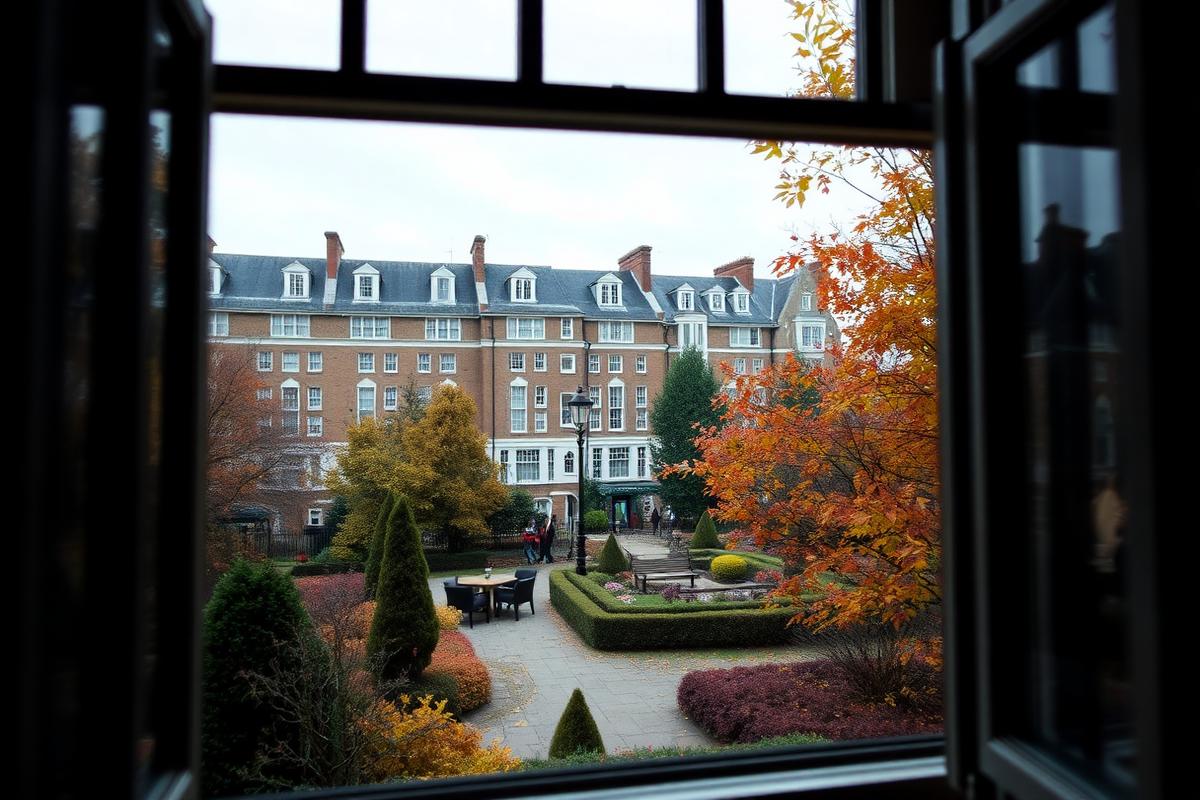
Is Brixton a nice place to live? For many Londoners, this South London neighbourhood represents the capital at its most dynamic—a place where Caribbean heritage meets cutting-edge culture, where Victorian terraces sit alongside modern developments, and where an authentic community spirit thrives amidst ongoing regeneration. Our team has spent years helping buyers and renters navigate Brixton's distinctive character, and we've witnessed firsthand how this area continues to attract those seeking something genuinely different from London's more conventional postcodes. Whether you're drawn by the famous markets, the live music venues, or simply the palpable energy of its streets, Brixton offers a living experience that's undeniably its own.
The Character and Culture of Brixton London
Brixton's identity is inseparable from its rich cultural tapestry. Since the arrival of the Windrush generation in 1948, this area has been the heartbeat of London's Caribbean community, a legacy visible in everything from the spice shops along Electric Avenue to the soundsystem culture that still reverberates through its venues. Brixton Village and Market Row have evolved into foodie destinations where Jamaican patties share space with Japanese ramen bars and Colombian arepas, creating one of London's most authentic dining experiences.
The neighbourhood's creative credentials are equally impressive. The O2 Academy Brixton remains one of the capital's premier live music venues, hosting everyone from emerging artists to global superstars. Independent galleries, street art adorning railway arches, and the recently refurbished Brixton Recreation Centre all contribute to an area that feels genuinely lived-in rather than manufactured. This isn't a place that's been carefully curated for Instagram—it's a working neighbourhood with real character.
Brixton Hill extends the area's appeal southward, offering slightly quieter residential streets whilst maintaining easy access to the amenities that make the neighbourhood special. The contrast between the bustle of central Brixton and the relative calm of streets like Rattray Road or around Corrance Road demonstrates the area's versatility—you can choose your preferred balance between vibrancy and tranquillity within a remarkably compact geography.
Pros and Cons of Living in Brixton: An Honest Assessment
When considering the pros and cons of living in Brixton, transport connectivity sits firmly in the advantages column. Brixton Underground station serves the Victoria line, delivering you to Oxford Circus in just 15 minutes and King's Cross in 20. Overground services from Brixton and Herne Hill expand your options further, whilst numerous bus routes provide excellent connections across South London. For commuters, few areas offer this combination of speed and frequency.
The cultural richness we've already mentioned translates into practical everyday benefits. You'll find some of the best food in Brixton tucked away in market stalls and along side streets—authentic cuisine that would cost twice as much in central London. The neighbourhood's independent spirit means genuine variety in restaurants, pubs and cafés, from established spots to exciting newcomers constantly pushing culinary boundaries.
On the challenges side, Brixton's reputation requires honest discussion. The area has historically experienced higher crime rates than some London neighbourhoods, though statistics show significant improvement over the past decade. Many residents report feeling perfectly safe, particularly in the busier, well-lit areas, but as with any urban environment, street awareness remains important. Brixton reviews from residents often mention this as a consideration rather than a dealbreaker.
Noise and activity levels represent another factor to weigh carefully. What some experience as exciting urban energy, others may find relentless—especially on weekend nights near the town centre. The question "is Brixton safe" frequently appears in property searches, and the truthful answer is nuanced: it's a busy, sometimes boisterous urban neighbourhood with typical city considerations, but one where thousands of families, professionals and students live contentedly.
Property in Brixton: What Your Money Buys
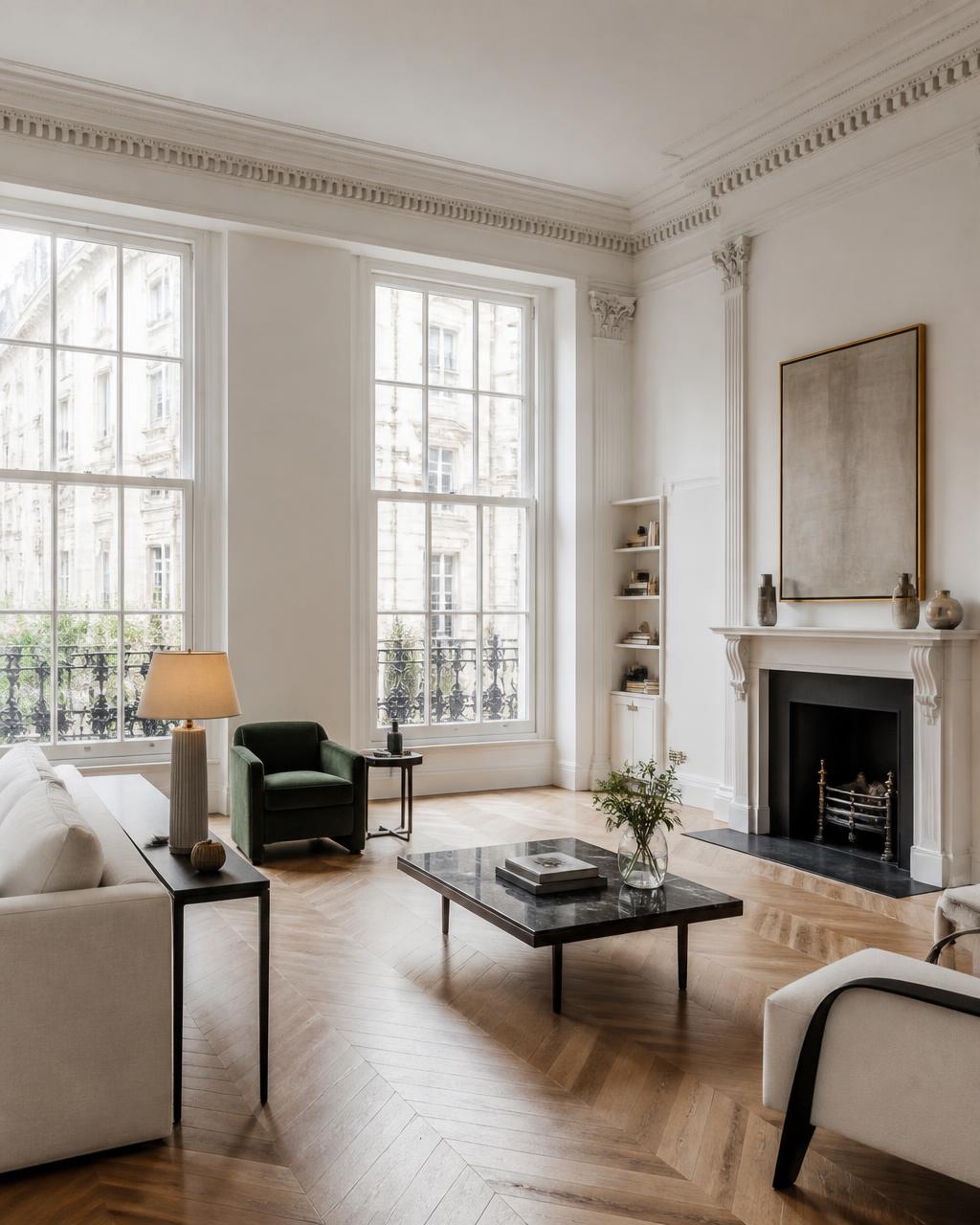
According to HM Land Registry data, the median property price in Brixton stands at £500,000 based on 353 recent transactions. This figure masks considerable variation by property type: flats, which constitute the majority of sales at 274 transactions, carry a median price of £460,000, whilst terraced houses command £880,000 and semi-detached properties reach £1,152,000. The relative scarcity of detached homes (just four sales recorded) reflects Brixton's dense urban character.
For those exploring [property for sale in Brixton](/property-for-sale/brixton), these figures represent reasonable value compared to neighbouring areas like Clapham or Herne Hill, particularly given the transport links. Purpose-built flats dominate the market, especially conversions of larger Victorian and Edwardian properties, alongside newer developments near the station. Period features—high ceilings, original fireplaces, sash windows—remain highly sought after, whilst ex-local authority properties offer more affordable entry points.
The rental market, according to ONS data, shows studios ranging from £775 to £1,225 monthly, one-bedroom properties from £1,025 to £1,625, and two-bedroom homes between £1,425 and £2,200. Larger family homes command £1,875 to £2,950 for three bedrooms, rising to £2,525 to £3,925 for four-bedroom properties. These figures position Brixton as competitive for renters seeking Zone 2 living, though demand remains consistently strong.
Our team at our [Brixton estate agents](/estate-agents/brixton) office observes that buyers and renters increasingly appreciate the area's authenticity—you're purchasing a genuine neighbourhood rather than a property investment product. Streets like Corrance Road and Rattray Road, slightly removed from the main thoroughfares, offer residential calm whilst keeping amenities within walking distance. For detailed local pricing trends, our [Brixton house prices](/house-prices/brixton) analysis provides comprehensive market context.
Talk to Seymont
What's your home worth?
A considered view on price, timing and how to bring your London home to market — a personal reply within 24 hours.
Your property
Step 1 of 2Practical Living: Schools, Amenities and Green Space
Brixton's practical infrastructure supports everyday life effectively. The area offers good primary and secondary school options, both state and independent, though as across London, competition for places at popular schools remains intense. Families often find the neighbourhood's community feel—where local parks become natural social hubs—particularly appealing.
Green space requires a short journey rather than being on your doorstep. Brockwell Park, straddling the Brixton-Herne Hill border, provides 125 acres of parkland, a lido, gardens and sports facilities. Ruskin Park lies slightly further east, whilst Clapham Common is easily accessible westward. For a dense urban area, these nearby spaces offer valuable respite, particularly for families and dog owners.
Shopping extends well beyond the famous markets. You'll find major supermarkets, independent grocers, specialist shops and the usual high-street chains, alongside Brixton's distinctive market offerings. The recent addition of Pop Brixton (though now closed) and ongoing development of the arches demonstrate continuing commercial evolution. Healthcare provision includes several GP surgeries, dental practices, and King's College Hospital approximately two miles away in Denmark Hill.
For landlords considering [letting your property in Brixton](/let-your-property/brixton), the area's rental demand remains robust. Young professionals, students from nearby institutions, and established residents seeking rental flexibility all contribute to a diverse tenant pool. The transport links, cultural amenities and relative affordability compared to Zones 1 and 2 alternatives ensure consistent interest.
The Verdict: Who Thrives in Brixton?
So, is Brixton a nice place to live? The answer depends entirely on what you value in a neighbourhood. Brixton suits those who want authentic urban living—people drawn to cultural diversity, independent businesses, and genuine community character rather than polished homogeneity. It appeals to buyers and renters who prioritise transport connections, food culture and creative energy over the status conferred by certain postcodes.
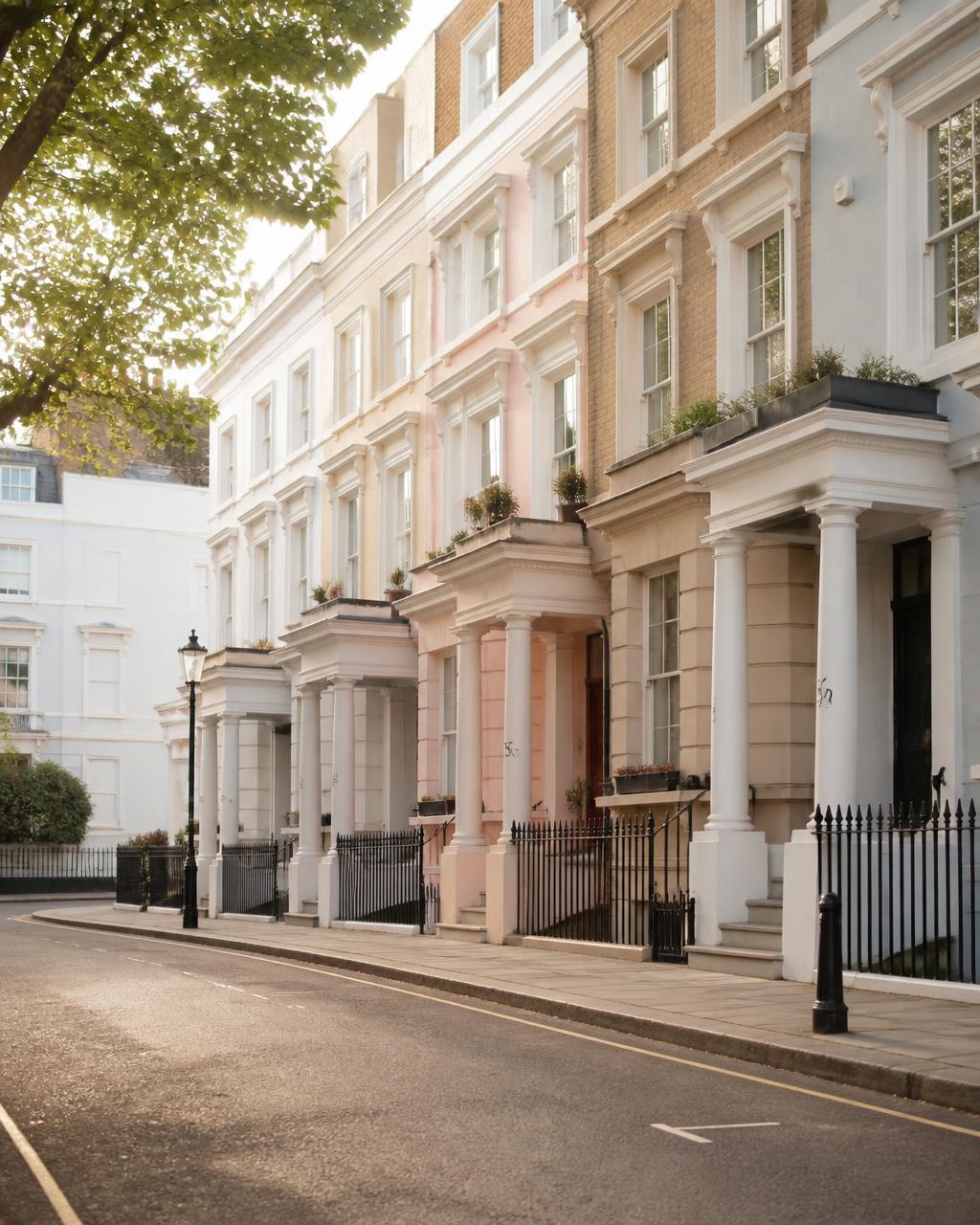
This isn't the place for those seeking quiet suburban predictability or Notting Hill's pastel perfection. Brixton can be loud, sometimes chaotic, perpetually changing. It rewards those who engage with it rather than those seeking an anonymous commuter base. Young professionals, creative industries workers, families valuing diversity, and established Londoners who've consciously chosen the area over trendier alternatives—these groups tend to thrive here.
The neighbourhood continues evolving, with regeneration bringing both improvements and inevitable gentrification concerns. Long-established communities coexist with newer arrivals, creating occasional tensions but also remarkable resilience. Our experience suggests that those who approach Brixton with realistic expectations and genuine appreciation for its distinctive character consistently report high satisfaction.
Ultimately, visiting is essential. Spend time in Brixton Village sampling good food in Brixton, walk the residential streets around Brixton Hill, experience the evening atmosphere, and visit the markets on a Saturday. The area reveals itself experientially rather than through statistics alone. For those it suits, Brixton offers something increasingly rare in London: a neighbourhood that hasn't sacrificed its soul to property values.
Talk to Seymont
What's your home worth?
A considered view on price, timing and how to bring your London home to market — a personal reply within 24 hours.
Your property
Step 1 of 2About the author
Julian ReyesLicensed Real Estate Agent
Julian has spent eleven years handling residential sales across west and central London, previously with the independent agencies Harlowe & Vance and Marchmont Row. He runs listings end to end, from pricing and presentation through to negotiating offers and holding chains together to completion. His writing focuses on the practical mechanics of buying and selling a home in a market where timing and preparation decide the outcome.
Licensed estate agent · 11 years in London residential sales
- Residential sales
- First-time buyers
- Offer negotiation
- Chain management
Frequently asked
- Is Brixton safe to live in?
- Brixton's safety has improved significantly over recent decades, though it remains a busy urban area with typical city considerations. Crime rates have fallen substantially, and many residents report feeling perfectly safe, particularly in well-trafficked areas. As with any London neighbourhood, street awareness is sensible, especially late at night. The area's vibrant community and constant activity actually contribute to natural surveillance. Specific streets and proximity to transport hubs affect the experience, so visiting at different times helps gauge personal comfort levels.
- What are property prices like in Brixton?
- According to HM Land Registry data, Brixton's median property price is £500,000. Flats, which dominate the market, have a median of £460,000, whilst terraced houses reach £880,000 and semi-detached properties £1,152,000. This represents reasonable value for Zone 2 with Victoria line access. Rental costs (ONS data) range from £775-£1,225 for studios to £1,425-£2,200 for two-bedroom properties, making Brixton competitive compared to neighbouring areas like Clapham.
- How is the transport from Brixton?
- Brixton offers excellent transport connectivity. The Victoria line Underground reaches Oxford Circus in 15 minutes and King's Cross in 20 minutes, with trains running frequently throughout the day. Overground services from Brixton and nearby Herne Hill provide additional options, whilst extensive bus networks connect across South London. For commuters working in central London or across the capital, few areas match Brixton's combination of speed and service frequency at this price point.
- What's the food and restaurant scene like in Brixton?
- Brixton's food scene is genuinely exceptional and authentically diverse. Brixton Village and Market Row host everything from Caribbean specialists to Japanese, Colombian, French and fusion cuisine. Electric Avenue and surrounding streets offer Caribbean grocers, African food shops, and international ingredients rarely found elsewhere. The area provides some of the best food in Brixton at reasonable prices—authentic cuisine without the markup you'd pay in central London. Independent restaurants constantly emerge alongside long-established favourites.
- What are the best streets to live on in Brixton?
- Desirable streets depend on personal priorities. Residential roads like Rattray Road and Corrance Road offer relative quiet whilst maintaining proximity to amenities. Streets around Brixton Hill provide a calmer atmosphere than central Brixton whilst keeping excellent transport access. Victorian and Edwardian terraces throughout the area feature period details and generous room sizes. Areas closer to Brockwell Park appeal to families seeking green space access. Our estate agents can provide detailed guidance on specific streets matching your requirements and budget.