Journal
The Best Areas to Live in Brixton
Written by Nina Castellano · Investment Property Advisor
Published 2 March 2026 · Updated 8 August 2026 · 7 min read
The short answer
Brixton has evolved into one of south London's most dynamic residential destinations, offering an extraordinary blend of Victorian architecture, cultural diversity, and urban energy. For those exploring the best areas to live in Brixton, the neighbourhood presents a fascinating variety of streets and sub-districts, each with its own distinct character.
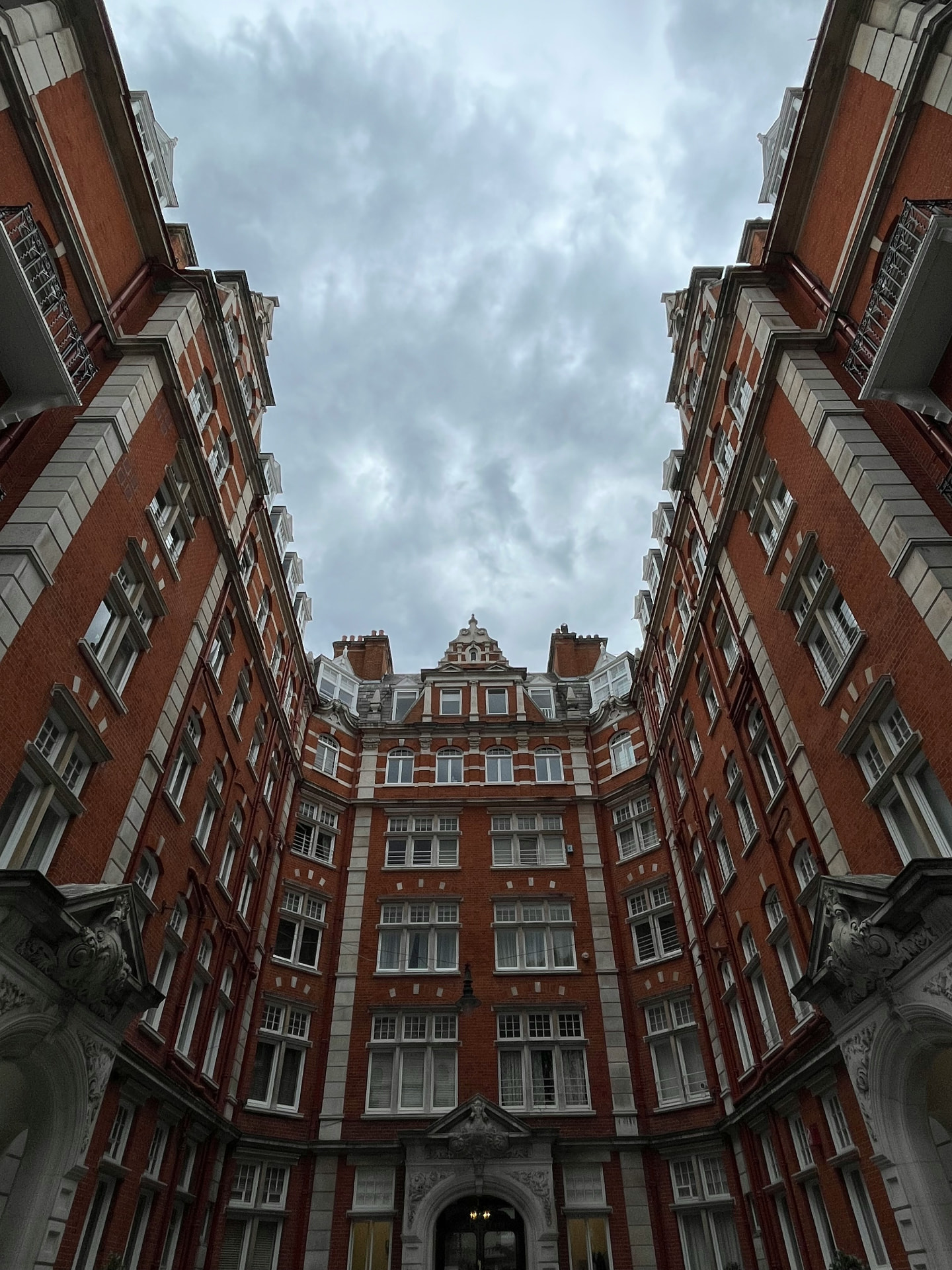
Brixton has evolved into one of south London's most dynamic residential destinations, offering an extraordinary blend of Victorian architecture, cultural diversity, and urban energy. For those exploring the best areas to live in Brixton, the neighbourhood presents a fascinating variety of streets and sub-districts, each with its own distinct character. Our team has spent years helping buyers and tenants navigate this vibrant SW2 and SW9 postcode area, and we've witnessed firsthand how Brixton's residential landscape has matured whilst retaining its authentic spirit. From tree-lined Victorian streets to modern conversions near the bustling market, understanding where to live in Brixton requires local knowledge of its unique micro-neighbourhoods.
Brixton Hill: Victorian Elegance and Family Appeal
Brixton Hill represents the traditional heart of the area's prime residential property market, where grand Victorian and Edwardian houses line wide, leafy streets. This elevated pocket, stretching south from Brixton town centre towards Streatham Hill, has long been favoured by families seeking substantial period homes with original features. According to HM Land Registry data, semi-detached properties in Brixton command a median price of £1,152,000, with many of these characterful homes concentrated around Brixton Hill and its surrounding roads.
The architectural consistency here is remarkable, with many streets showcasing unbroken terraces of bay-fronted houses, complete with original tessellated pathways and generous rear gardens. Roads such as Rattray Road, Corrance Road, and Christchurch Road have become particularly sought-after among professional families, offering the space and period charm that's increasingly rare in inner London. We've observed strong demand for properties here from buyers relocating from areas like Clapham and Dulwich who appreciate the value proposition Brixton Hill offers.
The area benefits from excellent transport links via Brixton Underground and rail stations, both within easy walking distance, whilst retaining a notably quieter, more residential atmosphere than the streets closer to the town centre. Local amenities cluster around Brixton Water Lane and the wider Brixton Hill shopping parade, providing daily essentials without the intensity of the main Brixton market area. For those researching [house prices in Brixton](/house-prices/brixton), this micro-neighbourhood consistently achieves premium values, particularly for well-maintained family homes with gardens.
Brixton Village and Market District: Urban Living at Its Finest
The streets radiating from Brixton Village and the historic market areas represent where to live in Brixton for those seeking maximum urban vitality. This central zone, encompassing roads like Coldharbour Lane, Atlantic Road, and the quieter residential streets just off the main thoroughfares, offers an entirely different proposition from the family-focused Victorian enclaves. Here, converted flats within handsome Victorian buildings dominate the market, with HM Land Registry figures showing a median flat price of £460,000 across Brixton.
What distinguishes this micro-neighbourhood is the unparalleled access to Brixton's renowned food and cultural scene. Residents here live within moments of the restaurants in Brixton that have earned the area its reputation as a culinary destination—from Caribbean institutions to the innovative pop-ups and permanent kitchens throughout Brixton Village and Market Row. The best food in Brixton is quite literally on the doorstep, alongside independent shops, record stores, and the vibrant social fabric that makes this area so distinctive.
We've noticed particular interest in this zone from young professionals and creative industries workers who value walkability and cultural authenticity over garden space. Rental demand remains exceptionally strong, with one-bedroom flats typically commanding between £1,025 and £1,625 per month according to ONS data. For investors exploring [property for sale in Brixton](/property-for-sale/brixton), the central market district offers solid rental yields driven by sustained tenant demand. The trade-off for this central location is typically smaller living spaces and the higher ambient noise levels that come with Brixton's buzzing nightlife, though many residents consider this a feature rather than a drawback.
Brixton Best Streets: Herne Hill Borders and Railton Road
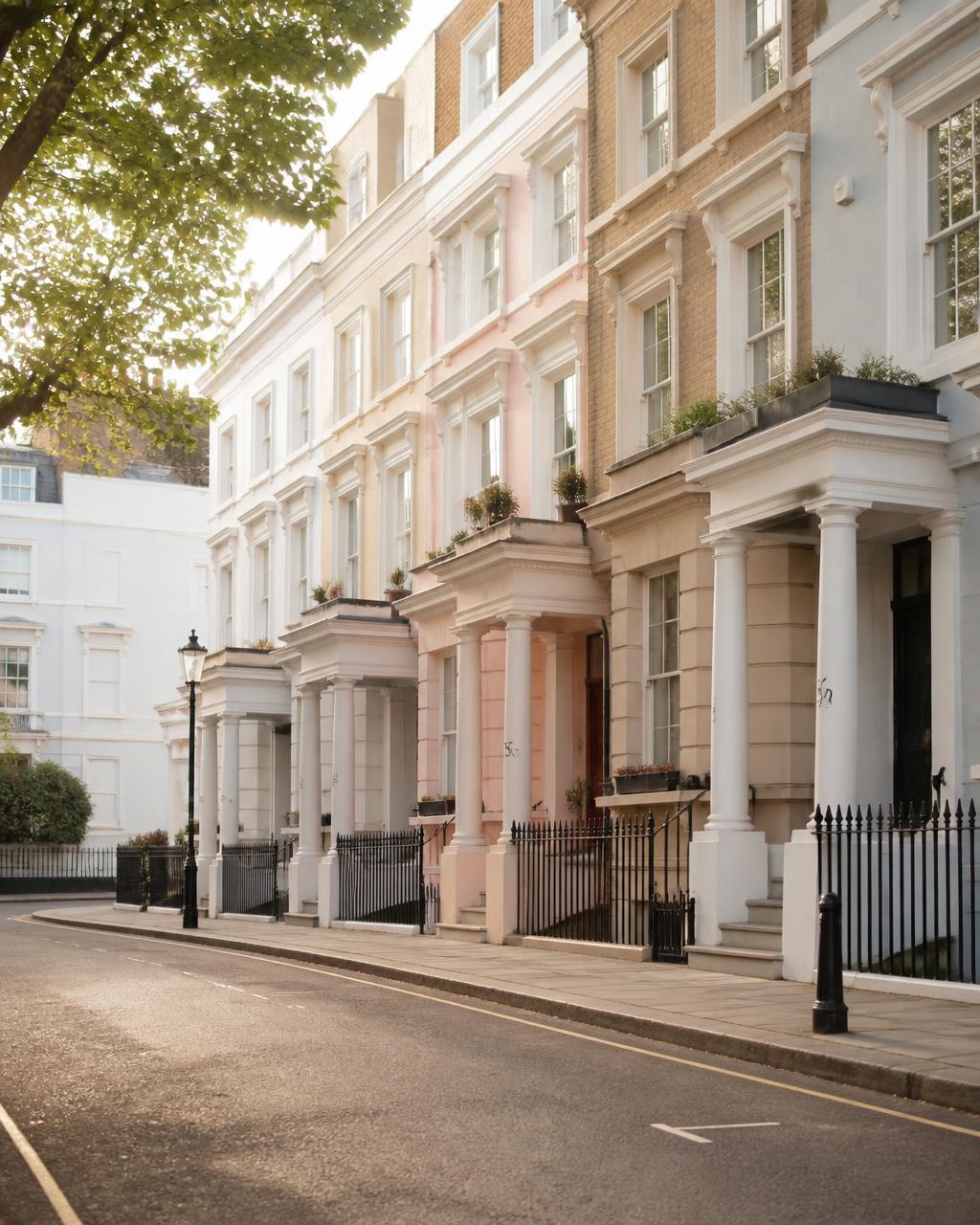
The eastern fringe of Brixton, where it meets Herne Hill, encompasses some of the Brixton best streets for those seeking a middle ground between suburban calm and urban convenience. Roads such as Railton Road, Mayall Road, and the streets around Brockwell Park offer characterful Victorian housing within easy reach of both Brixton's amenities and the open green expanse of Brockwell Park itself.
Railton Road deserves particular mention as one of Brixton's most interesting residential streets, having transformed from its notorious past into a genuinely desirable address. The road combines handsome period housing with an independent spirit—local businesses, community initiatives, and a strong neighbourhood identity make this one of the area's most cohesive residential communities. Properties here range from substantial family terraces to converted flats, with the median terraced house price across Brixton reaching £880,000 according to HM Land Registry data.
Brockwell Park's proximity adds significant value to properties on the eastern side of Brixton, offering residents 50 hectares of parkland, tennis courts, a lido, and weekend farmers' markets. We regularly advise families considering [estate agents in Brixton](/estate-agents/brixton) to explore this pocket thoroughly, as it delivers excellent primary schools, community feel, and appreciating property values. The streets immediately bordering the park often command a premium, particularly those with park views or direct access gates. For buyers seeking garden space and period features without sacrificing SW2's connectivity, this represents one of the area's sweetest spots.
Talk to Seymont
What's your home worth?
A considered view on price, timing and how to bring your London home to market — a personal reply within 24 hours.
Your property
Step 1 of 2Brixton Neighbourhoods: Tulse Hill and Josephine Avenue Conservation Area
Heading south-east from central Brixton, the Tulse Hill borders and the streets around Josephine Avenue offer a more residential alternative whilst remaining firmly within Brixton's catchment. This area showcases some of the finest examples of late Victorian and Edwardian planning, with the Josephine Avenue Conservation Area protecting an exceptional collection of Arts and Crafts-influenced houses.
The architectural quality here is genuinely impressive, with many properties featuring original stained glass, decorative brickwork, and the generous proportions typical of the era. These Brixton neighbourhoods attract buyers seeking character homes with lower price points than comparable properties in Herne Hill or Dulwich Village, whilst benefiting from identical period features and build quality. According to HM Land Registry data, four-bedroom family homes across Brixton typically require budgets between £2,525 and £3,925 per month for rentals, with purchase prices for detached properties reaching a median of £1,121,250.
Transport connections via Tulse Hill station provide direct services to London Bridge and beyond, complementing the Victoria line access at Brixton station. The local shopping parade along Norwood Road serves daily needs, whilst Brixton's wider amenities remain easily accessible. We've observed growing interest in this sector from families priced out of more established south London enclaves, recognising that these streets offer comparable quality of life at more accessible price points. For those willing to be a fifteen-minute walk from Brixton tube rather than five, the value proposition becomes compelling.
Investment Perspective: Rental Demand and Property Types
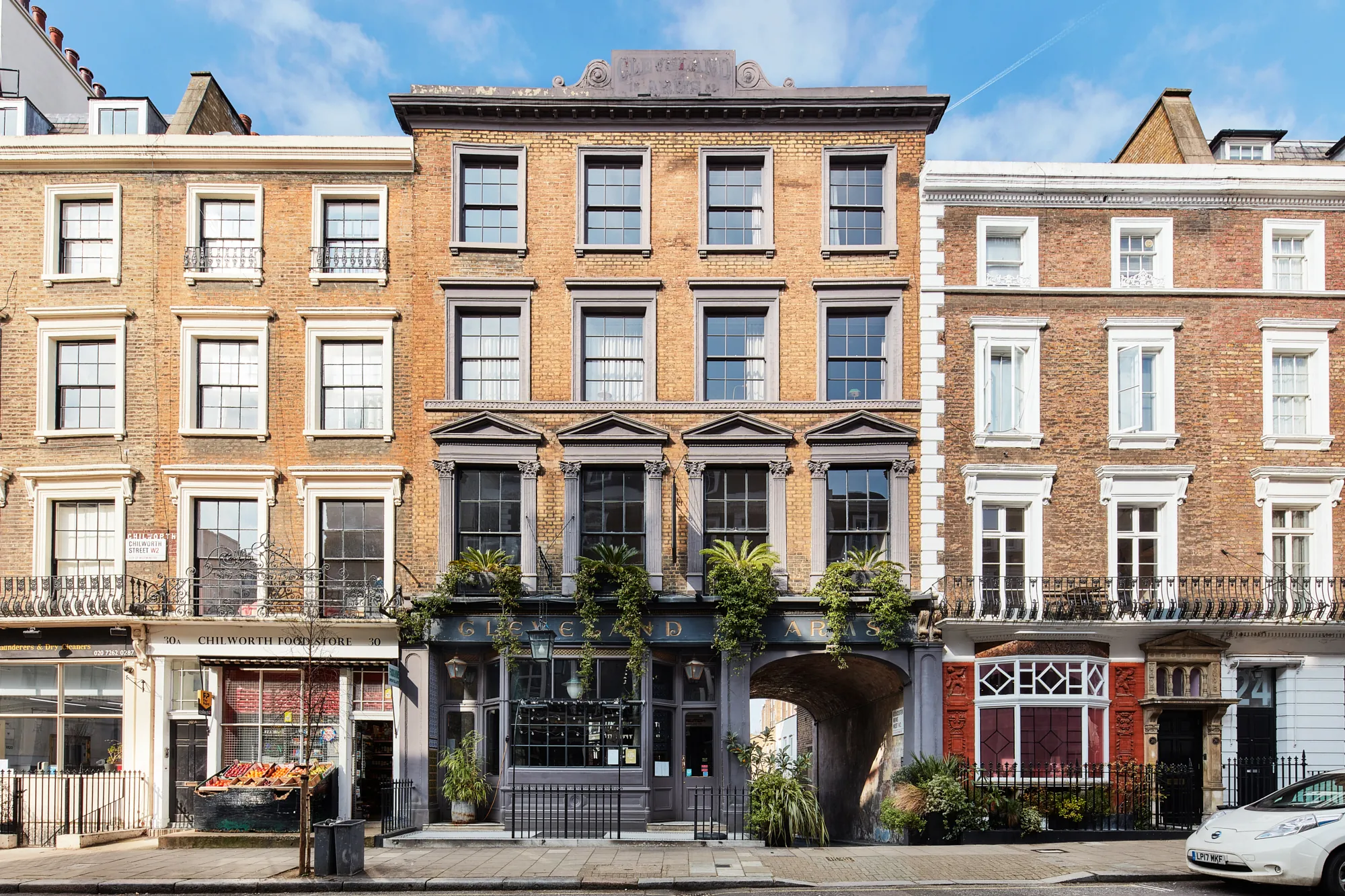
Brixton's rental market remains one of south London's most robust, driven by the area's excellent transport links, cultural amenities, and the ongoing regeneration that has enhanced rather than homogenised the neighbourhood. ONS data reveals a comprehensive rental market serving all budgets, from studios at £775-£1,225 per month through to five-bedroom properties commanding £3,300-£5,150 monthly.
The property type breakdown from HM Land Registry data tells an interesting story about Brixton's housing stock: of 353 recorded sales, 274 were flats (median £460,000), demonstrating the dominance of apartment living in the area. However, the 53 terraced houses that changed hands achieved a significantly higher median of £880,000, reflecting the premium placed on family homes with outdoor space. For landlords considering whether to [let your property in Brixton](/let-your-property/brixton), these figures suggest strong fundamentals across all sectors.
We've observed particularly robust demand for well-presented two-bedroom flats in the £1,425-£2,200 monthly rental bracket, appealing to professional sharers and young couples. The conversion quality matters significantly here—properties in well-maintained Victorian houses with period features command premiums over purpose-built blocks. Location also drives rental performance, with properties within a ten-minute walk of Brixton station or immediately adjacent to Brockwell Park consistently achieving top-end rental values. Investment buyers should note that good food in Brixton and the area's cultural reputation act as genuine tenant attractors, particularly among the creative industries professionals and young families who increasingly call Brixton home.
Making Your Choice: Matching Lifestyle to Location
Selecting where to live in Brixton ultimately depends on your priorities and lifestyle requirements. Families seeking gardens, space, and strong primary schools gravitate towards Brixton Hill, the Herne Hill borders, and the conservation streets around Josephine Avenue. Young professionals and those prioritising nightlife, restaurants, and cultural vitality typically prefer the central zones around Brixton Village and Coldharbour Lane, accepting smaller living spaces in exchange for being at the heart of the action.
Transport requirements also shape the decision—those commuting to the City or West End prioritise proximity to Brixton Underground station and its Victoria line connection, whilst those working in south London or with more flexible arrangements may favour the characterful streets further from the transport hub where property prices typically soften. The price differential can be substantial: similar-sized Victorian conversions may vary by £100,000-£150,000 depending on their proximity to the tube station.
Our team encourages prospective buyers and tenants to explore Brixton at different times—experience the market buzz on a Saturday afternoon, walk the residential streets on a weekday morning, and perhaps visit a local restaurant or two to understand the area's rhythm. The houses for sale in Brixton span an enormous range, from compact studios to substantial detached family homes, and the only way to identify your ideal spot is to spend time in the different micro-neighbourhoods. Brixton rewards those who look beyond the headlines and discover its diverse residential pockets, each offering a distinct interpretation of this remarkable south London neighbourhood.
Talk to Seymont
What's your home worth?
A considered view on price, timing and how to bring your London home to market — a personal reply within 24 hours.
Your property
Step 1 of 2About the author
Nina CastellanoInvestment Property Advisor
Nina advises landlords and investors on rental yields, tenant demand and portfolio structure across Greater London, after running lettings and management at Bellhouse Property Partners. She has overseen single units and multi-property portfolios, and works through compliance, void periods and running costs before a purchase is agreed. Her articles deal with the numbers behind a buy-to-let rather than the headline gross yield.
Lettings and portfolio management · 9 years in London rentals
- Buy-to-let
- Rental yields
- Portfolio strategy
- Landlord compliance
Frequently asked
- What is the most expensive part of Brixton to live in?
- The most expensive properties in Brixton are typically the semi-detached and detached Victorian houses on Brixton Hill and the conservation streets bordering Herne Hill. According to HM Land Registry data, semi-detached properties achieve a median price of £1,152,000, whilst detached homes reach £1,121,250. Specific sought-after roads include Rattray Road, Corrance Road, and the streets immediately adjacent to Brockwell Park, where period family homes with gardens command significant premiums.
- Is Brixton a good area for families?
- Brixton offers excellent family living, particularly in the Brixton Hill area, the streets bordering Brockwell Park, and the conservation areas around Josephine Avenue. These neighbourhoods provide substantial Victorian and Edwardian houses with gardens, access to good primary schools, and proximity to Brockwell Park's 50 hectares of green space. The area combines inner London connectivity via the Victoria line with genuine community atmosphere and more affordable family housing compared to neighbouring Clapham or Dulwich.
- What is the average rent in Brixton?
- According to ONS data, rental prices in Brixton vary significantly by property size. Studios range from £775-£1,225 per month, one-bedroom flats from £1,025-£1,625, two-bedroom properties from £1,425-£2,200, and three-bedroom homes from £1,875-£2,950 monthly. Four-bedroom family houses typically command £2,525-£3,925 per month, with five-bedroom properties reaching £3,300-£5,150. Location and property condition significantly influence where individual properties fall within these ranges.
- How much do flats cost in Brixton?
- HM Land Registry data shows that flats in Brixton achieved a median sale price of £460,000, based on 274 transactions. However, the market spans a wide range, with recorded flat sales ranging from £64,500 to £1,144,000. Pricing depends heavily on size, condition, location relative to Brixton station, and whether the property retains original period features. Well-presented two-bedroom conversions in Victorian houses near the tube station typically command prices at the higher end of the spectrum.
- What makes Brixton a desirable place to live?
- Brixton combines exceptional transport connectivity via the Victoria line with a genuinely vibrant cultural scene, diverse community, and increasingly strong food and entertainment offerings. The area provides characterful Victorian and Edwardian housing at more accessible prices than neighbouring areas, whilst Brockwell Park offers substantial green space. Brixton's authentic neighbourhood feel, independent businesses, and ongoing regeneration that has enhanced rather than replaced its distinctive character make it particularly appealing to young professionals, families, and creative industries workers seeking real community alongside urban convenience.