Journal
Average Rent in Brixton: A Comprehensive Guide to Rental Prices
Written by Nina Castellano · Investment Property Advisor
Published 17 January 2026 · Updated 5 July 2026 · 5 min read
The short answer
Understanding the average rent in Brixton is essential whether you're a prospective tenant searching for your next home or a landlord evaluating investment opportunities in one of South London's most vibrant neighbourhoods. Our team at Seymont London has analysed the latest market data to provide you with a detailed overview of Brixton rent prices across different property types.
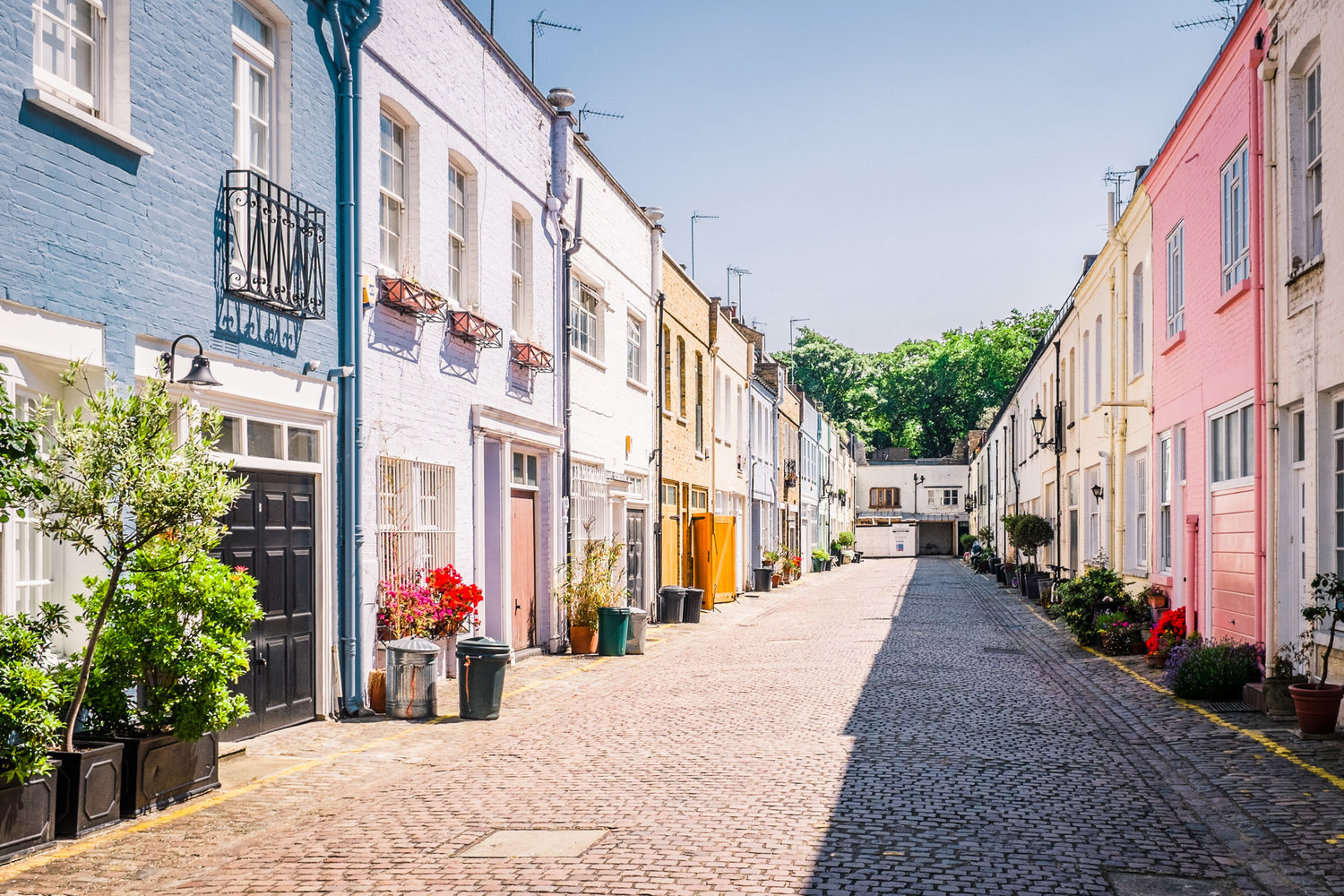
Understanding the average rent in Brixton is essential whether you're a prospective tenant searching for your next home or a landlord evaluating investment opportunities in one of South London's most vibrant neighbourhoods. Our team at Seymont London has analysed the latest market data to provide you with a detailed overview of Brixton rent prices across different property types. From the creative energy of Brixton Village to the residential charm of Brixton Hill, this area continues to attract renters seeking excellent transport links, cultural diversity, and a thriving food and entertainment scene. In this guide, we examine current rental costs, explore what influences pricing, and help you navigate the Brixton lettings market with confidence.
Current Brixton Rent Prices by Property Size
According to the latest ONS rental data, the average rent in Brixton varies significantly depending on property size and configuration. Studio apartments currently command monthly rents between £775 and £1,225, offering an accessible entry point for young professionals and students drawn to the area's renowned music venues and street food markets.
One-bedroom properties range from £1,025 to £1,625 per calendar month, whilst two-bedroom flats and houses typically fall between £1,425 and £2,200. These mid-range properties prove particularly popular with couples and sharers who want proximity to central London without the premium pricing of neighbouring areas like Clapham or Herne Hill.
For families and larger households, three-bedroom properties command rents of £1,875 to £2,950 monthly, whilst four-bedroom homes range from £2,525 to £3,925. At the upper end of the market, five-bedroom and larger properties can reach £3,300 to £5,150 per month, though these represent a smaller segment of Brixton's predominantly flat-based rental stock.
These figures reflect Brixton's position as a diverse market where Victorian conversions sit alongside modern developments, each appealing to different tenant demographics seeking the area's unique character.
What Influences How Much Rent Is in Brixton
Several factors determine rental pricing across this South London neighbourhood. Proximity to Brixton Underground and Overground stations—both served by the Victoria line and London Overground respectively—commands a premium, with properties within a five-minute walk typically achieving the higher end of the rental spectrum.
The specific micro-location within the broader Brixton area significantly impacts pricing. Properties near Brixton Village and Market Row, with immediate access to the area's celebrated restaurant scene and best food in Brixton offerings, attract tenants willing to pay more for lifestyle amenities. Conversely, streets extending towards Brixton Hill or Tulse Hill often offer more competitive rates whilst maintaining excellent connections.
Property condition and presentation play crucial roles in achieving optimal rents. Our team at Seymont London consistently observes that well-maintained flats with modern kitchens and bathrooms, neutral décor, and outdoor space command premiums of 10-15% above comparable properties requiring updating. Period features—high ceilings, original fireplaces, and sash windows—add character that discerning tenants value.
The composition of the local rental market also matters. HM Land Registry data shows that of 353 recent sales, 274 were flats, reflecting Brixton's character as an area dominated by converted Victorian and Edwardian houses. This abundance of flat inventory creates competitive rental pricing for apartments, whilst the relative scarcity of family houses with gardens means terraced and semi-detached properties often achieve premium rents when they become available.

Brixton Rental Yields for Property Investors
For landlords and investors evaluating opportunities, understanding Brixton rental yields provides essential context for purchase decisions. With the median property price currently at £500,000 according to HM Land Registry data, and flats representing the majority of transactions at a median of £460,000, we can assess potential returns across different property types.
A typical one-bedroom flat purchased at the median flat price of £460,000 generating £1,325 monthly (the midpoint of the ONS rental range) would yield approximately 3.5% gross annually before costs. Two-bedroom properties at similar price points can achieve slightly higher yields given the stronger rental demand from sharers and small families.
It's worth noting that Brixton rental yields must be considered alongside capital appreciation potential and the area's sustained tenant demand. The neighbourhood's ongoing regeneration, excellent transport connectivity, and cultural cachet support both rental income stability and long-term value growth. Properties near key transport nodes or within the catchment areas of well-regarded schools typically demonstrate the most resilient yields.
Our experience managing properties across the SW2 and SW9 postcodes suggests that landlords who maintain their properties to high standards and work with knowledgeable letting agents achieve both optimal rents and longer tenancies, reducing void periods that erode annual yields. If you're considering letting your property in this vibrant market, our team can provide tailored advice on maximising returns whilst ensuring full compliance with landlord obligations.
Talk to Seymont
What's your home worth?
A considered view on price, timing and how to bring your London home to market — a personal reply within 24 hours.
Your property
Step 1 of 2The Brixton Rental Market: Tenant Demand and Property Types
Brixton London continues to attract diverse tenant demographics, from creative professionals working in Shoreditch or the West End to families seeking characterful homes with good schools nearby. This breadth of demand supports a resilient rental market less susceptible to economic fluctuations than areas catering to narrower tenant profiles.
The area's reputation for excellent food—from Caribbean cuisine reflecting its cultural heritage to contemporary restaurants in Brixton and the covered markets—creates lifestyle appeal that extends beyond pure property considerations. Tenants frequently cite the vibrant social scene, independent shops, and community feel as reasons for choosing Brixton over more anonymous developments in neighbouring postcodes.
Houses in Brixton, whilst less common in the rental market than flats, command particular interest from families. The availability of terraced properties with gardens—median sale price £880,000 according to recent HM Land Registry data—creates opportunities for landlords to achieve premium rents from long-term family tenants seeking space and stability.
For those searching for houses to rent near them within South London, Brixton offers compelling value compared to areas like Dulwich or Wandsworth, whilst maintaining comparable or superior transport links. The neighbourhood's ongoing evolution, with new cafés, cultural venues, and public realm improvements, continues to enhance its appeal to renters across all life stages and income brackets.
Finding Your Rental Property in Brixton
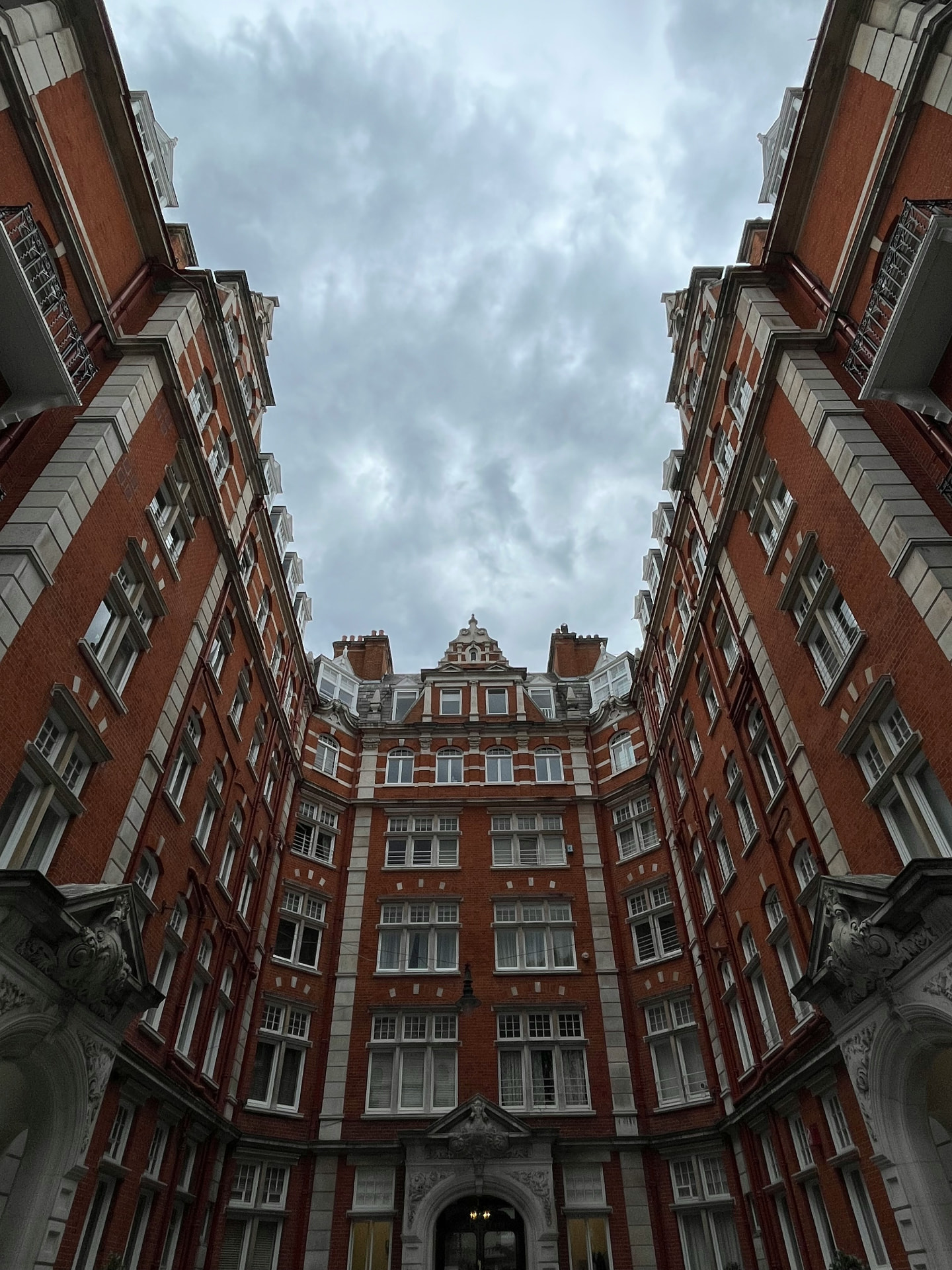
Whether you're searching for studio accommodation or a family house in Brixton, understanding the local market dynamics helps secure the right property at fair terms. Our team recommends prospective tenants research specific streets and micro-locations—the character and pricing can vary notably between properties just streets apart.
Those exploring houses to rent in the area should act decisively when suitable properties become available, as family homes with gardens represent a smaller proportion of rental stock and attract swift interest. Similarly, well-presented flats near the station or within the vibrant Coldharbour Lane district typically receive multiple enquiries within days of listing.
For landlords considering the market, understanding competitive Brixton rent prices for your specific property type and location is crucial for minimising void periods. Our estate agents in Brixton provide comprehensive market appraisals drawing on live transaction data and our extensive knowledge of tenant preferences across different neighbourhoods within the SW2 and SW9 postcodes.
Whether you're looking to rent or let property in Brixton, working with agents who understand the area's distinct character—from the family-oriented streets around Brockwell Park to the buzzing urban energy near Brixton Village—ensures you navigate the market effectively and achieve your residential or investment objectives.
Talk to Seymont
What's your home worth?
A considered view on price, timing and how to bring your London home to market — a personal reply within 24 hours.
Your property
Step 1 of 2About the author
Nina CastellanoInvestment Property Advisor
Nina advises landlords and investors on rental yields, tenant demand and portfolio structure across Greater London, after running lettings and management at Bellhouse Property Partners. She has overseen single units and multi-property portfolios, and works through compliance, void periods and running costs before a purchase is agreed. Her articles deal with the numbers behind a buy-to-let rather than the headline gross yield.
Lettings and portfolio management · 9 years in London rentals
- Buy-to-let
- Rental yields
- Portfolio strategy
- Landlord compliance
Frequently asked
- What is the average rent for a two-bedroom flat in Brixton?
- According to ONS data, two-bedroom properties in Brixton typically rent for between £1,425 and £2,200 per calendar month. The exact price depends on factors including proximity to Brixton station, property condition, outdoor space, and whether the property is a purpose-built flat or a conversion in a period building. Well-presented flats near transport links and the vibrant market area generally achieve rents towards the higher end of this range.
- Is Brixton a good area for rental investment?
- Brixton offers compelling opportunities for rental investment, combining sustained tenant demand with ongoing area regeneration. With a median property price of £500,000 (HM Land Registry) and flats at £460,000, investors can achieve gross yields of approximately 3-4% depending on property type. The area's excellent Victoria line and Overground connections, diverse cultural scene, and appeal to young professionals and families support both rental income stability and capital appreciation potential.
- How does rent in Brixton compare to neighbouring South London areas?
- Brixton rent prices generally offer good value compared to areas like Clapham or Battersea, whilst commanding a premium over more peripheral South London neighbourhoods. The combination of Zone 2 transport links, vibrant lifestyle amenities including renowned restaurants and markets, and characterful Victorian housing stock positions Brixton competitively for tenants seeking central accessibility without premium West or Central London pricing.
- What types of properties are most common in the Brixton rental market?
- The Brixton rental market is dominated by flats, reflecting the area's housing stock of converted Victorian and Edwardian properties. According to HM Land Registry data, 274 of 353 recent sales were flats. Purpose-built developments and mansion flat conversions are common, whilst family houses—terraced, semi-detached and detached properties—represent a smaller but highly sought-after segment of the market, particularly those with gardens near Brockwell Park.
- When is the best time to look for rental properties in Brixton?
- The Brixton rental market experiences activity year-round given the area's popularity and diverse tenant base. However, we typically see increased inventory during late spring and summer months when tenant mobility peaks. For those seeking family houses or larger properties, being prepared to move quickly when suitable homes become available is advisable, as these represent a smaller proportion of rental stock and attract swift interest from competing tenants.