Journal
Is Battersea a Nice Place to Live?
Written by Amara Bennett · Property Market Analyst
Published 3 January 2026 · Updated 5 July 2026 · 8 min read
The short answer
Is Battersea a nice place to live? The answer, in our experience working across this dynamic South London neighbourhood, is a resounding yes—provided you understand what makes this area unique. Battersea has transformed from its industrial heritage into one of London's most desirable residential districts, combining riverside living, expansive green spaces and exceptional transport links.
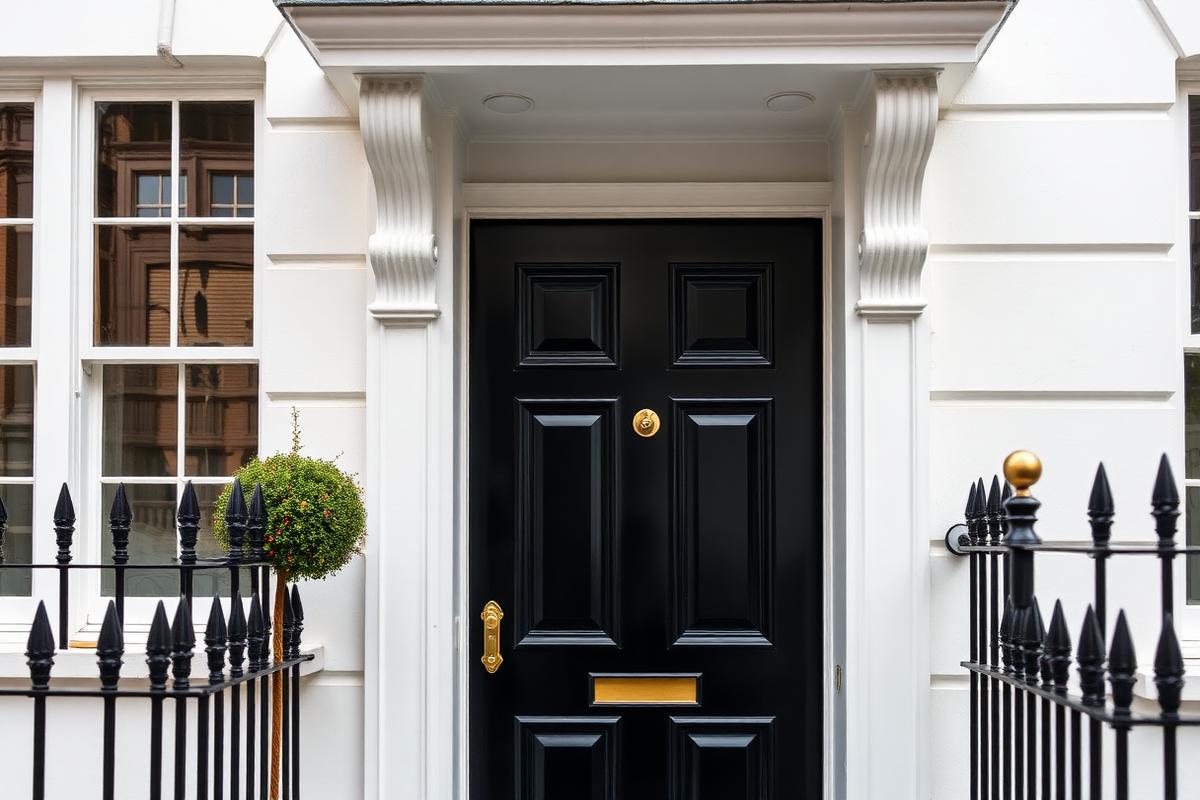
Is Battersea a nice place to live? The answer, in our experience working across this dynamic South London neighbourhood, is a resounding yes—provided you understand what makes this area unique. Battersea has transformed from its industrial heritage into one of London's most desirable residential districts, combining riverside living, expansive green spaces and exceptional transport links. From the elegant Victorian terraces of Battersea Rise to the contemporary developments along the Thames, this SW11 and SW8 postcode offers something for professionals, families and retirees alike. Our team has witnessed firsthand how Battersea's character differs dramatically from street to street, making local knowledge essential when choosing where to call home.
The Battersea Property Market: What the Data Reveals
Understanding property values provides crucial insight when assessing whether Battersea suits your budget and expectations. According to HM Land Registry Price Paid Data, the median sale price across Battersea stands at £700,000 based on 402 transactions in the most recent period. This figure masks considerable variation by property type: flats achieved a median of £618,000 across 297 sales, whilst terraced houses commanded £967,000 (81 sales), and semi-detached properties reached £1,400,000 (11 sales).
These figures position Battersea firmly in London's premium segment, yet the area offers better value than neighbouring Chelsea or Fulham whilst maintaining comparable amenities. Buyers seeking modern apartments will find the majority of stock comprises flats, many within riverside developments or converted Victorian buildings. The range is striking—flat prices span from £115,000 to over £4.1 million, reflecting everything from compact studios to sprawling lateral apartments.
For those exploring the rental market, ONS data shows monthly rents vary considerably by size. Studios range from £1,100 to £1,725, one-bedroom flats from £1,450 to £2,275, and two-bedroom properties from £1,975 to £3,100. Families requiring three bedrooms should budget £2,650 to £4,125 monthly, whilst four-bedroom homes command £3,525 to £5,500. These rental levels reflect Battersea's popularity amongst young professionals and established families alike, many drawn by the combination of village atmosphere and Zone 1-2 accessibility.
Browsing our current [property for sale in Battersea](/property-for-sale/battersea) provides real-time examples of what these price points deliver in terms of space, condition and location. We regularly advise clients on [Battersea house prices](/house-prices/battersea) and market trends specific to individual streets and developments.
Transport Connections: Why Battersea Wins for Commuters
One of Battersea's strongest advantages lies in its exceptional transport infrastructure, which has improved dramatically in recent years. The Northern Line extension, which opened stations at Battersea Power Station and Nine Elms in 2021, revolutionised connectivity for the eastern portion of the area. These stations deliver passengers to the City and West End in under 20 minutes, transforming what was once a bus-dependent zone into a highly accessible hub.
Clapham Junction—technically just outside Battersea's core but serving many residents—ranks as Britain's busiest railway station, offering services to Victoria (four minutes), Waterloo (eight minutes), and destinations across southern England. This makes Battersea particularly attractive for those working in central London or requiring frequent travel outside the capital. Battersea Park station on the same line provides a quieter alternative with similar journey times.
Battersea Park Road and Battersea Rise serve as major bus corridors, with routes connecting to Victoria, Sloane Square, King's Road, Putney and beyond. For cyclists, the Thames Path offers a scenic, largely traffic-free route into Westminster, whilst Cycle Superhighway 8 runs along Battersea Park Road. Road links via Battersea Bridge, Albert Bridge and Chelsea Bridge provide quick access to West London, though parking can prove challenging in the area's Victorian streets.
This transport richness contributes significantly to Battersea's appeal and underpins strong property values. For investors considering rental yields, proximity to these stations directly influences tenant demand—a factor our team always emphasises when discussing the [Battersea and Nine Elms estates](/estate-agents/battersea) with landlords and buyers alike.
Battersea Reviews: Lifestyle, Dining and Green Spaces
Battersea reviews from residents consistently highlight the area's village atmosphere despite its Zone 2 location. Northcote Road forms the social heart for many, lined with independent boutiques, delicatessens, fishmongers and the popular Northcote Road Market (Saturdays). This bustling thoroughfare has cultivated a distinct identity separate from the chain-dominated high streets found in many London suburbs.
The dining scene deserves particular attention when considering restaurants in Battersea. Battersea Rise and the streets around Clapham Junction offer everything from neighbourhood bistros to upmarket dining rooms. Restaurant Battersea options have multiplied in recent years, with the Power Station development alone housing dozens of new establishments ranging from casual eateries to riverside fine dining. The Battersea area now rivals Chelsea and Clapham for culinary diversity, whether you're seeking quick weeknight suppers or special-occasion venues.
Battersea Park—200 acres of Victorian parkland along the Thames—provides an amenity that genuinely sets this area apart. The park features a boating lake, children's zoo, athletics track, ornamental gardens and the Peace Pagoda, offering year-round recreation that many Central London residents would envy. Families particularly value the adventure playground and open spaces for weekend activities, whilst runners and cyclists use the perimeter track daily.
Cultural life extends beyond parks and restaurants. The Battersea Arts Centre, housed in the old town hall, presents cutting-edge theatre and performance work. The revitalised Battersea Power Station now functions as a mixed-use destination with shops, restaurants, exhibition spaces and residential apartments, breathing new life into an iconic structure. This combination of heritage character and contemporary development creates a dynamic environment that appeals to diverse demographics.
Talk to Seymont
What's your home worth?
A considered view on price, timing and how to bring your London home to market — a personal reply within 24 hours.
Your property
Step 1 of 2Is Battersea Safe? Understanding the Neighbourhood
Safety naturally features prominently when people ask is Battersea safe, and the honest answer requires nuance. Like any inner London borough, Battersea experiences urban crime, but rates vary significantly by specific location. The residential streets around Battersea Rise, Battersea Square and the riverside generally report lower crime levels than areas further south towards Clapham Junction's busier commercial zones.
Our team's experience suggests that most residents feel secure in their daily routines, particularly in the well-established family neighbourhoods. The newer developments around Nine Elms and Battersea Power Station benefit from modern security systems, concierge services and well-lit public realm improvements. As with anywhere in London, sensible precautions—securing bicycles properly, being aware of surroundings late at night—apply equally here.
Community policing and active residents' associations contribute to neighbourhood safety. The Battersea Society and various street-specific groups maintain dialogue with local authorities regarding concerns. Package theft and bicycle crime represent the most commonly reported issues, rather than more serious offences. Prospective residents should research specific streets and consider visiting at different times of day to form their own impressions.
When weighing the pros and cons of living in Battersea from a safety perspective, most find the area compares favourably to other Inner London zones at similar price points. The strong sense of community, good street lighting in residential areas, and high foot traffic on main thoroughfares all contribute to a generally secure environment for families and individuals alike.
Pros and Cons of Living in Battersea: Our Balanced Assessment
Every London neighbourhood involves trade-offs, and Battersea proves no exception. On the positive side, the pros and cons of living in Battersea weigh heavily towards advantages: superb transport links that continue improving, genuine village character despite Zone 2 proximity, outstanding parks and green spaces, excellent schools (both state and independent options), thriving restaurant and café culture, and strong property value fundamentals underpinned by continuing development.
The riverside location provides both aesthetic appeal and practical recreation opportunities. Properties with Thames views or park access command premiums, but even homes several streets back benefit from proximity to these amenities. The demographic mix—young professionals, established families, older residents who've lived here decades—creates a balanced community rather than the monoculture found in some newer developments.
Challenges exist, however. Property prices and rents sit at the upper end of the London market, potentially stretching budgets for first-time buyers or those requiring substantial space. Parking proves difficult and expensive; most Victorian terraces lack off-street provision, and controlled parking zones operate extensively. Some find the area's popularity a drawback—Northcote Road and Battersea Park can feel crowded on weekends, and popular restaurants require booking well in advance.
Noise levels vary dramatically by location. Battersea Park Road carries heavy traffic, and areas near Clapham Junction experience train noise. The newer riverside developments, whilst offering modern amenities, sometimes lack the established community feel of the Victorian streets. Construction continues across the Nine Elms opportunity area, with associated disruption likely for several more years.
For those considering whether houses to rent or properties to purchase suit their circumstances better, we'd note that Battersea's rental market remains robust, with strong demand ensuring low void periods for landlords. Those exploring options to [let your property in Battersea](/let-your-property/battersea) benefit from this sustained tenant interest across all property types.
Who Thrives in Battersea? Finding Your Fit
Battersea London attracts particular demographics who find the area's characteristics align with their priorities. Young professionals value the swift commute times, vibrant social scene and proximity to central London without Zones 1's premium pricing. Couples and growing families appreciate the parks, schools and village atmosphere that allows genuine community connections whilst maintaining urban convenience.
Downsizers moving from larger family homes in outer London boroughs often find Battersea offers the perfect balance—retaining city access and cultural amenities whilst gaining manageable property sizes and excellent restaurants within walking distance. The riverside apartments around Battersea Reach on Juniper Drive London SW18 (technically at the Battersea-Wandsworth border) particularly suit this demographic, offering modern, low-maintenance living with concierge services.
Conversely, those seeking maximum space for minimum expenditure, or preferring quieter suburban environments, might find better value elsewhere. Battersea's urban character means accepting traffic noise, busier streets and less garden space than equivalent budgets deliver in outer boroughs. Car-dependent households may struggle with parking limitations, though excellent public transport largely compensates.
Investors and landlords recognise Battersea's fundamentals: consistent tenant demand, transport improvements supporting capital growth, and the ongoing transformation of the Nine Elms opportunity area adding new amenities. The mix of period conversions and new-build flats provides options across price points, whilst the neighbourhood's established reputation reduces letting risk compared to emerging areas.
Ultimately, Battersea suits those who prioritise location, transport and lifestyle amenities over maximum square footage. Our experience working with buyers and tenants across [Battersea estate agents](/estate-agents/battersea) confirms that those who choose the area rarely regret the decision, even when compromising on space or parking to secure their preferred location.
Talk to Seymont
What's your home worth?
A considered view on price, timing and how to bring your London home to market — a personal reply within 24 hours.
Your property
Step 1 of 2About the author
Amara BennettProperty Market Analyst
Amara spent seven years as a market analyst at Kestrel Lane Research, a small London property consultancy, before joining our editorial desk. She reads sold-price and rental data street by street to explain how individual London postcode districts actually behave, and reviews every price figure we publish. Her focus is separating headline national averages from what a specific address is worth today.
MSc Real Estate Economics · Seven years in property market research
- Valuations
- Local market data
- Sold prices
- Pricing strategy
Frequently asked
- What is the average house price in Battersea?
- According to HM Land Registry Price Paid Data, the median sale price in Battersea is £700,000 based on 402 recent transactions. However, this varies significantly by property type: flats have a median of £618,000, terraced houses £967,000, and semi-detached properties £1,400,000. Prices range from £115,000 for the smallest flats to over £4 million for premium properties.
- Is Battersea expensive to rent?
- Battersea sits in the upper range of London's rental market. ONS data shows studios rent for £1,100-£1,725 monthly, one-bedroom flats £1,450-£2,275, two-bedroom properties £1,975-£3,100, and three-bedroom homes £2,650-£4,125. These prices reflect the area's Zone 2 location, excellent transport links and strong amenities, positioning it comparably to neighbouring Clapham and Wandsworth.
- What are the best areas within Battersea to live?
- The 'best' area depends on priorities. Battersea Rise and streets around Battersea Square offer Victorian charm, village atmosphere and proximity to Northcote Road's shops and restaurants. The riverside developments near Battersea Power Station and Nine Elms provide modern apartments with Thames views and new Northern Line stations. Areas around Battersea Park combine green space access with period properties, whilst streets near Clapham Junction suit those prioritising transport connections above all else.
- How safe is Battersea for families?
- Battersea is generally considered safe for families, with crime rates varying by specific location. Residential streets around Battersea Rise, Battersea Square and near the park typically experience lower crime than busier commercial zones. Most reported incidents involve package theft and bicycle crime rather than serious offences. Strong community networks, active residents' associations and good street lighting contribute to neighbourhood security. As with any Inner London area, sensible urban precautions apply.
- What transport options serve Battersea?
- Battersea benefits from exceptional transport connections. The Northern Line extension (opened 2021) serves Battersea Power Station and Nine Elms stations, reaching central London in under 20 minutes. Battersea Park and Clapham Junction stations provide frequent services to Victoria and Waterloo. Numerous bus routes run along Battersea Park Road and Battersea Rise, whilst Thames Path and Cycle Superhighway 8 serve cyclists. Three bridges—Battersea, Albert and Chelsea—connect to West London by road.