Journal
How long to sell a house london
Written by Thomas Lindqvist · Mortgage & Financing Specialist
Published 23 December 2025 · Updated 7 June 2026 · 8 min read
The short answer
How long to sell a house london? Here is our local view. The average time to sell a house in London is between 16 and 24 weeks from initial listing to completion, according to HM Land Registry data and analysis by the HomeOwners Alliance.
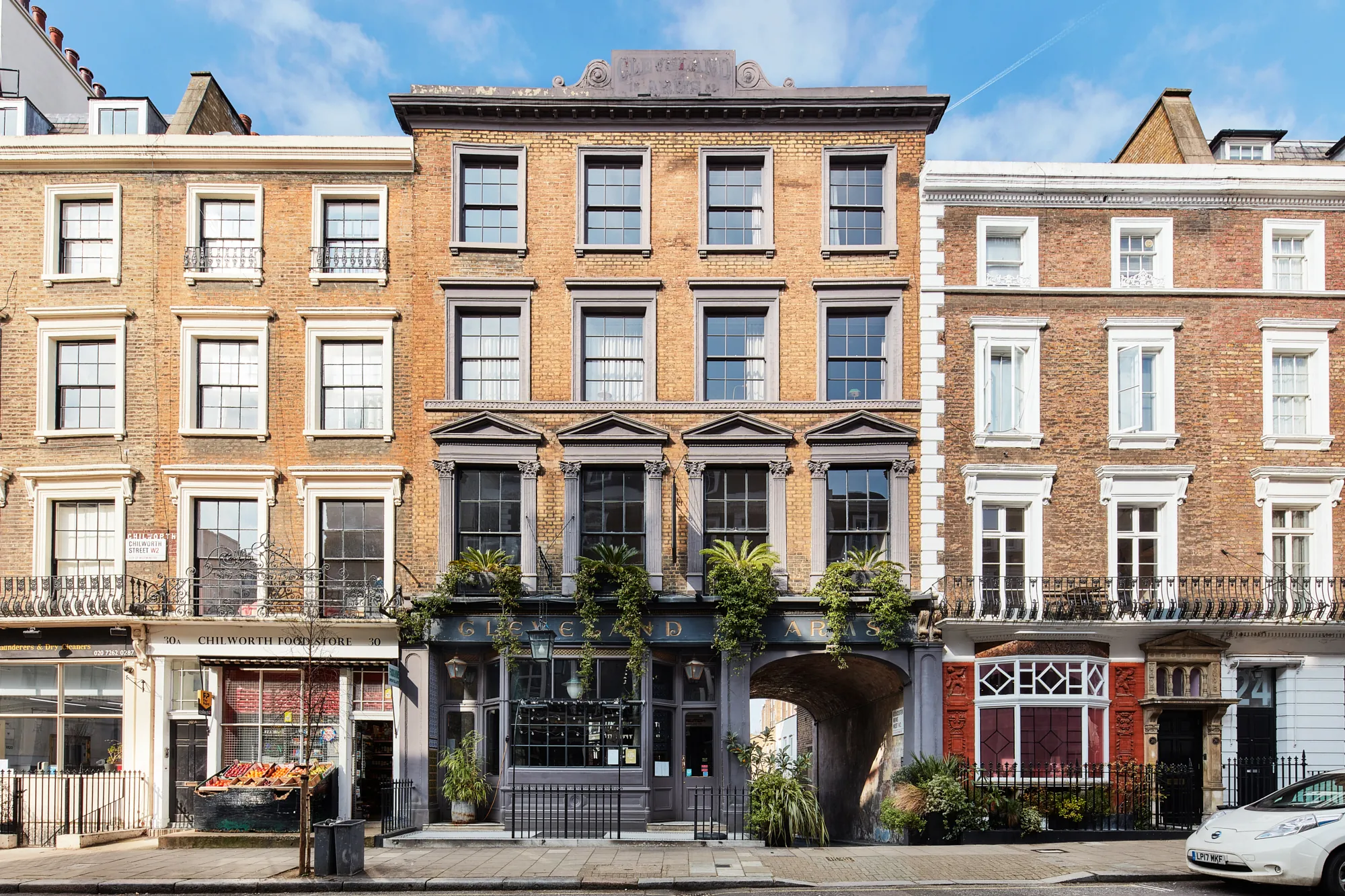
How long to sell a house london? Here is our local view. The average time to sell a house in London is between 16 and 24 weeks from initial listing to completion, according to HM Land Registry data and analysis by the HomeOwners Alliance. That timeline breaks down into roughly 4–8 weeks to find a buyer and agree terms, 8–12 weeks from offer acceptance to exchange of contracts, and a further 1–2 weeks to completion. However, these are median figures: your own sale may move considerably faster or take many months longer depending on pricing, property type, chain complexity, and how efficiently your conveyancer and estate agent work together. In this guide, we walk through each phase of the selling timeline, explain what influences speed, and flag the common pitfalls that cause unnecessary delay.
The Four Phases of a London Property Sale
Understanding how long to sell a house in London means breaking the journey into discrete phases. The first is preparation and marketing launch: drafting particulars, arranging photography, obtaining an Energy Performance Certificate (mandatory and valid for ten years), and listing on portals. Well-prepared properties with professional imagery and realistic pricing typically attract viewings within the first week.
Phase two is securing a buyer. Rightmove's 2026 House Price Index suggests London homes spend an average of six to eight weeks on the market before an offer is accepted, though prime central postcodes and competitively priced family houses in zones 2–4 can go under offer in under a fortnight. Overpriced properties, by contrast, may languish for three months or more, often requiring price reductions that ultimately delay the sale and erode the final figure.
Phase three—offer acceptance to exchange of contracts—is where the bulk of elapsed time accumulates. Conveyancing solicitors conduct local searches, raise enquiries on the legal title, review leasehold documentation if applicable, and liaise with mortgage lenders. The HomeOwners Alliance reports this stage averages 10–12 weeks nationally, but London transactions frequently stretch to 12–14 weeks due to leasehold complexity, local authority search backlogs in boroughs such as Southwark and Newham, and the prevalence of chain sales. Phase four, exchange to completion, is typically one to two weeks and fixed by mutual agreement, though cash buyers and chain-free scenarios sometimes complete within days of exchange.
What Slows Down the Average Time to Sell?
Several factors extend the selling timeline beyond the 16–24 week average. Pricing errors top the list: properties initially marketed 5–10 per cent above realistic market value see 50 per cent fewer viewings in the first month, according to Which?, and often require multiple reductions before attracting serious interest. Each reduction resets the clock, as buyers who dismissed the property weeks earlier may not revisit the listing.
Chain length is the second major variable. A straightforward sale to a cash buyer or first-time purchaser with a mortgage offer in principle can complete in eight to ten weeks; a chain involving four or five interdependent transactions may take six months or more if any link experiences financing issues, survey problems, or cold feet. Leasehold properties introduce additional friction: buyers' solicitors scrutinise service-charge accounts, major-works provisions, and the unexpired lease term (anything below 80 years typically requires a lease extension, adding weeks or months to the timeline and significant cost).
Local authority search delays vary by borough. As of early 2026, Hammersmith & Fulham and Kensington & Chelsea return searches within two weeks on average, while Barking & Dagenham and Brent can take six weeks or longer during peak periods. Your conveyancer can order personal searches or indemnity insurance to mitigate delay, but these workarounds carry their own trade-offs and costs.
Choosing an Agent: Fee Structures and Timelines
The estate agent you instruct influences both the time to exchange and the final sale price. UK-wide, the average estate agent fee in 2026 stands at approximately 1.42 per cent including VAT, according to Rightmove and TheAdvisory, but London fees typically range from 1.5 to 2.5 per cent plus VAT depending on postcode, property value, and service level. High-street chains often charge toward the lower end but may spread one negotiator's attention across 30 or 40 live listings; boutique and founder-led agencies such as Seymont London typically operate on lower volumes per agent, offering more attentive viewings, proactive chain-chasing, and tighter communication with solicitors—all of which can shave weeks off the overall timeline.
Sole agency versus multi-agency also matters. A sole-agency instruction (one agent, lower fee) focuses marketing effort and signals vendor commitment, which buyers and their agents notice. Multi-agency (two or more agents competing, higher fees) can generate a flurry of early interest but often leads to inconsistent messaging and price confusion. Whichever model you choose, agree a realistic marketing period—typically 12 to 16 weeks—with a break clause, so you are not locked in if the agent underperforms.
No-sale-no-fee is now standard, but read the small business print: some contracts charge an exit fee or require notice periods that prevent you switching agent quickly if the relationship sours. For a detailed sense of what comparable homes have achieved, our sold prices tool offers granular, street-level data across every London borough.
Talk to Seymont
What's your home worth?
A considered view on price, timing and how to bring your London home to market — a personal reply within 24 hours.
Your property
Step 1 of 2Conveyancing, Surveys and the Road to Exchange
Once an offer is accepted, instruct a conveyancing solicitor or licensed conveyancer immediately; delay here cascades through the rest of the timeline. Fixed-fee conveyancing quotes for a London freehold sale typically range from £800 to £1,500 plus disbursements (searches, Land Registry fees, bank transfers), while leasehold transactions cost £1,200 to £2,000 due to the additional leasehold-pack enquiries and management-company correspondence.
Your buyer will commission a mortgage valuation (if borrowing) and often a fuller RICS HomeBuyer Report or building survey. Surveyors in London are busy; expect a two- to three-week wait for the inspection, then another week for the report. If the surveyor flags damp, subsidence, or Japanese knotweed, the buyer may renegotiate or request remedial quotes, adding further weeks. Transparent disclosure of known defects at the outset reduces the risk of 11th-hour price chipping.
Local searches—environmental, local authority, water and drainage—usually take three to five weeks in aggregate. Your solicitor will also raise enquiries on boundaries, planning history, and any disputes with neighbours. Prompt, complete answers keep momentum; vague or slow replies invite suspicion and follow-up questions. Many sales stall because sellers are slow to provide proof of building-regulation sign-off for a loft conversion completed a decade earlier; gather these documents before you list. As exchange approaches, both sides' solicitors agree a completion date, draft the transfer deed, and report to their respective clients and lenders. Exchange is the legally binding moment; from that point, withdrawal triggers significant financial penalties.

How to Accelerate Your Selling Timeline
If speed matters—perhaps you have already exchanged on your onward purchase or are relocating for work—several levers are within your control. First, price correctly from day one. Instruct two or three well-regarded local agents to value the property, then list at or just below the mid-point of their range; you will attract multiple offers in the first fortnight and can create competition that lifts the final price above the asking figure.
Second, prepare the legal pack in advance. Some solicitors and modern platforms offer a pre-marketing legal service, assembling title documents, management information, and planning certificates before you go to market. When an offer arrives, the buyer's solicitor receives the full pack within 24 hours, collapsing several weeks of back-and-forth. Third, favour buyers who are chain-free or whose own sale has already exchanged; a slightly lower offer from a cash purchaser often nets you more after accounting for the holding costs and risk of a chain collapse.
Be realistic about your own onward move. If you are buying and selling simultaneously, synchronise timelines closely with both agents and conveyancers, and consider a bridging loan or short-term rental if completion dates threaten to misalign. Finally, maintain weekly contact with your solicitor and agent. Deals drift when communication lapses; a five-minute call every Friday keeps every party focused and surfaces problems while they are still solvable. For a clear view of your property's potential timeline and market value, visit our sell page or book a free, no-obligation valuation with our team.
Market Conditions and Seasonal Patterns in 2026
Macro conditions shape the average time to sell. The London residential market in early 2026 is characterised by relatively stable prices, mortgage rates hovering near 4.5–5 per cent for well-qualified borrowers, and healthy transaction volumes in the £400,000–£1.5 million band that dominates the capital's turnover. However, the £2 million-plus segment—constrained by higher stamp duty and economic uncertainty—is moving more slowly, with properties spending 12–16 weeks on average before going under offer.
Seasonality persists: January and September see a surge of new listings and motivated buyers returning from holidays and aligning with the school year, compressing time on market by one to two weeks relative to the summer lull. December is traditionally quiet, though serious buyers active over Christmas often move decisively and with less competition. If your sale is discretionary, launching in late January or early September maximises visibility and urgency.
Keep an eye on Bank of England base-rate decisions and budget announcements, both of which influence buyer sentiment and mortgage affordability overnight. A surprise rate cut can flood the market with newly confident purchasers; a tax increase on second homes or capital gains can prompt a rush to complete before the effective date. Agile pricing and timing, informed by live data and an agent who tracks these signals daily, turn macro shifts into micro advantages.

Final Thoughts: Plan for the Average, Prepare for the Outlier
Sixteen to twenty-four weeks is the central estimate for how long to sell a house in London, but treat it as a guide rather than a guarantee. A well-priced, chain-free flat in Clapham with a proactive agent and efficient solicitor can complete in ten weeks; a Georgian terrace in Islington with a 95-year lease, a four-party chain, and a buyer whose mortgage offer expires mid-process may take eight months. The difference lies in preparation, partner selection, and communication.
Before you instruct an agent, verify their average time on market for your property type and compare their fee against the service intensity they promise. Use online tools—our stamp duty calculator helps buyers model their total acquisition cost, which in turn affects affordability and offer levels—and lean on your solicitor's expertise to pre-empt title issues. Accept that some delay is structural (searches, lender underwriting) and focus your energy on the variables you control: price, presentation, and responsiveness.
Selling a London home is one of the largest financial transactions most of us undertake. Rushing it invites costly mistakes; letting it drift risks market shifts and buyer fatigue. Aim for steady, informed progress, and choose partners who share that philosophy. Thinking about selling or letting in London? Book a free, no-obligation valuation with our team at seymont.co.uk/valuation and receive a candid, data-led assessment of your property's prospects and timeline.
Talk to Seymont
What's your home worth?
A considered view on price, timing and how to bring your London home to market — a personal reply within 24 hours.
Your property
Step 1 of 2About the author
Thomas LindqvistMortgage & Financing Specialist
Thomas advised buyers for a decade at Ashgrove Financial, an independent brokerage, on borrowing capacity, product selection and the full cost of a purchase, including stamp duty, legal fees and lender charges. He follows rate decisions and lender criteria changes and translates them into what a household can realistically afford. His guides cover affordability, remortgaging and the closing costs that buyers routinely underestimate.
CeMAP qualified · Whole-of-market mortgage advice background
- Mortgages
- Affordability
- Closing costs
- Remortgaging
Frequently asked
- How long does it take to sell a house in London on average?
- The average time to sell a house in London is 16–24 weeks from listing to completion, according to HM Land Registry data. This includes approximately 4–8 weeks to secure a buyer, 10–14 weeks from offer acceptance to exchange of contracts, and 1–2 weeks from exchange to completion. Chain-free sales and cash purchases can complete in as little as 8–10 weeks, while complex chains or leasehold issues may extend the timeline to six months or more.
- What is the time to exchange after an offer is accepted in London?
- In London, the time to exchange of contracts after an offer is accepted typically ranges from 10 to 14 weeks. This period covers conveyancing searches, mortgage underwriting, survey reports, and legal enquiries. Leasehold properties and transactions involving chains often take longer due to additional documentation and coordination. Instructing an experienced solicitor promptly and providing complete information up front can reduce this window by several weeks.
- Does property type affect how long it takes to sell in London?
- Yes. Freehold houses generally move faster than leasehold flats because they involve simpler legal work and no management-company liaison. Properties with short leases (below 80 years), complex freeholder arrangements, or cladding issues can add months to the selling timeline. Period homes requiring specialist surveys or listed-building consent also extend the average time to sell, often by four to eight weeks compared to modern builds.
- How can I speed up the sale of my London property?
- Price accurately from day one, prepare legal documents in advance, choose a chain-free or well-progressed buyer, and maintain weekly communication with your solicitor and estate agent. Instructing a conveyancer before you accept an offer and having an Energy Performance Certificate, building-regulation certificates, and leasehold packs ready can shave several weeks off the timeline. Consider a pre-marketing legal service if speed is essential.
- What delays should I watch out for when selling in London?
- Common delays include overpricing (leading to multiple reductions and extended time on market), slow local authority searches in certain boroughs, leasehold enquiries, chain complications, and buyer mortgage issues. Survey findings such as damp or structural concerns often trigger renegotiation. Missing building-regulation certificates for extensions or loft conversions can halt exchange until retrospective approval is obtained, sometimes adding eight weeks or more.