Journal
Earls Court Property Market Report
Written by Nina Castellano · Investment Property Advisor
Published 18 June 2026 · Updated 14 August 2026 · 7 min read
The short answer
The Earls Court property market continues to demonstrate the enduring appeal of this West London neighbourhood, where Victorian grandeur meets contemporary cosmopolitan living. Straddling the Royal Borough of Kensington and Chelsea and the London Borough of Hammersmith and Fulham, Earls Court has long attracted discerning buyers and tenants drawn to its exceptional transport links, cultural heritage, and village-like atmosphere within Zone 1.

The Earls Court property market continues to demonstrate the enduring appeal of this West London neighbourhood, where Victorian grandeur meets contemporary cosmopolitan living. Straddling the Royal Borough of Kensington and Chelsea and the London Borough of Hammersmith and Fulham, Earls Court has long attracted discerning buyers and tenants drawn to its exceptional transport links, cultural heritage, and village-like atmosphere within Zone 1. Our team has analysed the latest HM Land Registry data to provide a comprehensive overview of current market conditions, price trends, and investment prospects in this distinctive corner of the capital.
Current Price Trends and Sales Activity
Recent HM Land Registry Price Paid Data reveals that the median property price in Earls Court stands at £815,000, based on 49 recorded sales. This figure reflects the area's position as an accessible entry point into prime West London, offering considerably better value than neighbouring Kensington and Chelsea postcodes whilst retaining many of the same amenities and transport advantages.
Flats dominate the Earls Court housing market, accounting for 44 of the 49 transactions, with a median price of £797,500. The price range demonstrates remarkable breadth, from £411,000 for more modest conversions to £3.9 million for exceptional lateral apartments in the area's finest mansion blocks. The three terraced house sales recorded a median of £1.43 million, spanning from £720,000 to £3.75 million, highlighting the premium commanded by family homes with outdoor space in this densely populated neighbourhood.
The 'other' category, which typically encompasses commercial conversions and new-build developments, recorded a median of approximately £1.85 million. These figures underscore the diverse nature of the Earls Court property market, catering to everyone from first-time buyers and buy-to-let investors to established families and international buyers seeking a London pied-à-terre.
Our [estate agents in Earls Court](/estate-agents/earls-court) have observed that properties in the coveted garden squares and those closest to the District and Piccadilly line stations command particular premiums, whilst conversions further from transport hubs offer more accessible price points for those willing to add a few minutes to their commute.
Rental Market Analysis
The rental sector in Earls Court remains buoyant, supported by the area's proximity to major employment centres, world-class museums, and Imperial College London. According to ONS data, studio apartments command monthly rents between £1,275 and £2,000, making them popular with young professionals and postgraduate students seeking Zone 1 convenience without Knightsbridge price tags.
One-bedroom flats, the most sought-after category in the area, range from £1,700 to £2,650 per calendar month, whilst two-bedroom properties span £2,300 to £3,600. These figures reflect both the quality of the accommodation and its specific location within Earls Court—properties within the SW5 postcode's prime garden squares or those with period features intact typically achieve the upper end of these ranges.
Family-sized accommodation commands correspondingly higher rents: three-bedroom properties range from £3,075 to £4,800, four-bedroom homes from £4,100 to £6,400, and five-bedroom properties from £5,375 to £8,400 per month. The rental yields in Earls Court generally compare favourably with other Zone 1 locations, particularly for well-maintained period conversions and purpose-built blocks with porters and communal facilities.
For landlords considering whether to [let your property in Earls Court](/let-your-property/earls-court), the combination of strong rental demand, diverse tenant demographics, and relatively stable void periods makes the area an attractive proposition. The influx of international businesses to nearby White City and ongoing regeneration projects continue to underpin rental demand across all property sizes.

Is Earls Court a Good Investment?
The question of whether Earls Court represents a sound property investment depends on individual circumstances, but several factors warrant consideration. The area's transport infrastructure stands as perhaps its greatest asset: Earls Court station provides both District and Piccadilly line services, offering direct access to the City, West End, and Heathrow Airport within minutes. This connectivity has historically supported property values and rental demand through various market cycles.
The ongoing regeneration surrounding the former Earls Court Exhibition Centre site promises to transform the area over the coming decade. Whilst large-scale development projects can create short-term uncertainty, the planned delivery of new homes, public spaces, and retail amenities typically enhances the appeal of surrounding neighbourhoods. Our team monitors these developments closely when advising clients on investment decisions.
Earls Court's cultural and social infrastructure provides further investment rationale. The proximity to South Kensington's museum quarter, Kensington High Street's retail offerings, and the restaurants and boutiques of Brompton Cross creates a lifestyle proposition that appeals to both owner-occupiers and tenants. The area's demographic diversity—from young professionals to established families and international residents—provides resilience against market fluctuations that might affect more homogeneous neighbourhoods.
Capital appreciation potential in Earls Court has historically lagged behind prime Kensington but outpaced many outer London locations, offering a middle path for investors. When combined with rental yields that typically exceed those in more expensive SW postcodes, the total return proposition merits serious consideration. Those exploring [property for sale in Earls Court](/property-for-sale/earls-court) should evaluate both short-term rental income potential and longer-term capital growth prospects aligned with personal investment horizons.
Talk to Seymont
What's your home worth?
A considered view on price, timing and how to bring your London home to market — a personal reply within 24 hours.
Your property
Step 1 of 2Neighbourhood Character and Property Types
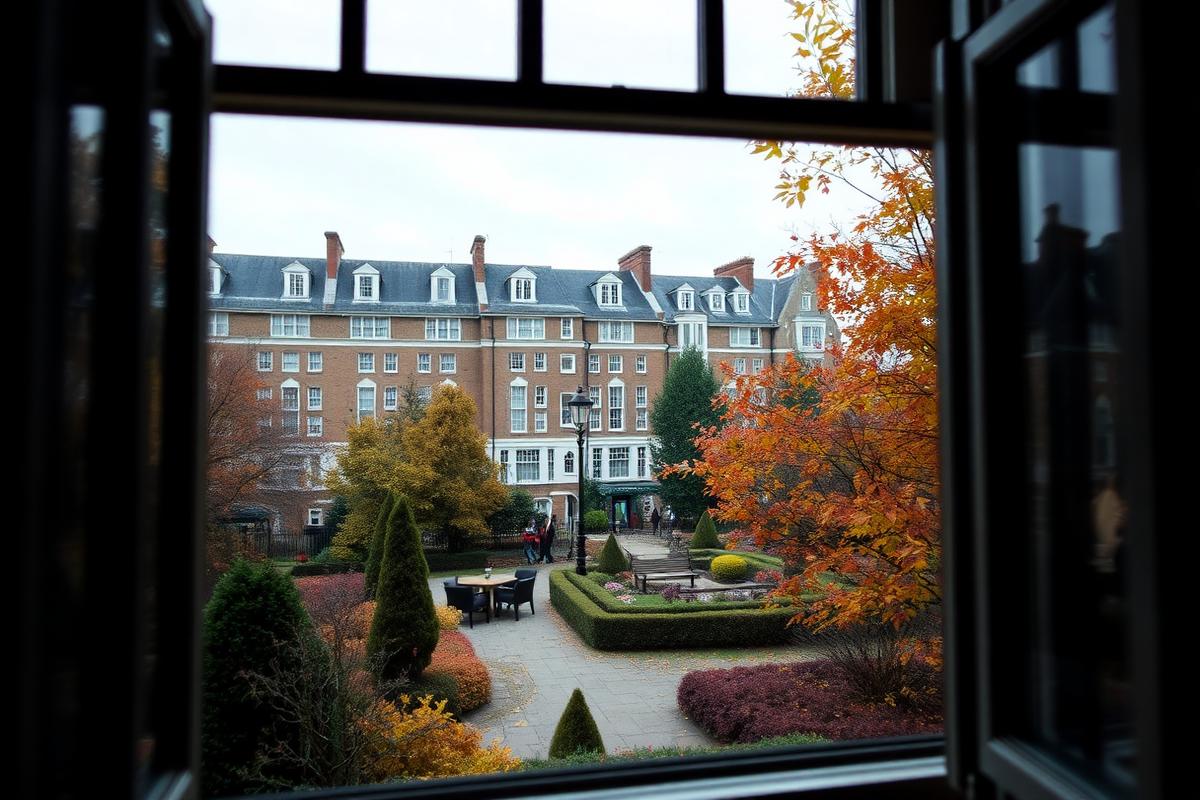
Earls Court's architectural landscape reflects its development during the Victorian and Edwardian periods, when much of the area was laid out with characteristic London mansion blocks and terraced streets. The imposing white stucco buildings that line many roads create a distinctly grand atmosphere, whilst the area's numerous garden squares—many accessible only to residents—provide verdant oases that enhance both quality of life and property values.
The property stock divides broadly between purpose-built mansion flats, typically constructed between 1880 and 1930, and converted Victorian townhouses subdivided into apartments. The mansion blocks, particularly those with porterage, lifts, and well-maintained communal areas, remain perennially popular with both buyers and tenants. Original features such as high ceilings, sash windows, and period fireplaces command premiums, though many properties have been modernised to incorporate contemporary kitchens and bathrooms whilst retaining their historic character.
Family houses remain relatively scarce in Earls Court, concentrated primarily in the streets between Earls Court Road and the western boundary with West Kensington. These terraced properties, often spanning four or five floors, appeal to families seeking space and outdoor gardens whilst remaining within Zone 1. The limited supply of such homes creates competitive bidding situations when they reach the market.
The Earls Court London postcode encompasses SW5, with some properties falling within SW10 towards the southern reaches near West Brompton. This postcode geography matters to some buyers and tenants, who perceive subtle distinctions in prestige and value between different postal districts, though the practical differences in location and amenity access often prove negligible.

Transport Links and Local Amenities
Earls Court's transport credentials extend beyond its namesake Underground station. West Brompton station, at the area's southern boundary, provides London Overground, District line, and Southern Railway services, whilst Gloucester Road to the north offers additional Piccadilly, District, and Circle line options. This transport redundancy—rare in London—means alternative routes exist should any single line face disruption, a practical consideration for daily commuters.
The area benefits from proximity to numerous bus routes, including night services, whilst the A4 and M4 motorway lie within easy reach for those requiring road access westward. Heathrow Airport sits just 30 minutes away via the Piccadilly line, making Earls Court particularly attractive to frequent travellers and international buyers.
Local amenities span the practical and the cultural. The high streets along Earls Court Road and Old Brompton Road provide supermarkets, independent shops, cafés, and restaurants representing diverse international cuisines—a legacy of the area's longstanding cosmopolitan character. For more extensive retail therapy, Kensington High Street lies a short walk north, whilst the King's Road in Chelsea sits equally accessible to the east.
Green space comes via the garden squares accessible to residents of surrounding properties, supplemented by larger parks a short distance away: Holland Park, Kensington Gardens, and Brompton Cemetery all offer recreational opportunities within a fifteen-minute walk. Educational provision includes several well-regarded state and independent schools, whilst Imperial College, the Royal College of Art, and the Royal College of Music attract an academic and creative demographic that enriches the area's cultural life.
Market Outlook and Considerations
Looking ahead, several factors shape our assessment of the Earls Court housing market. The area's fundamental locational advantages—Zone 1 status, transport connectivity, and cultural amenities—provide a solid foundation that has supported property values through previous economic cycles. These attributes remain as relevant today as when the area first developed, suggesting continued resilience regardless of short-term market fluctuations.
The planned regeneration represents both opportunity and uncertainty. Large construction projects inevitably create temporary disruption, potentially affecting both property values and quality of life during the development phase. However, the delivery of new homes, improved public realm, and enhanced retail and leisure facilities should ultimately strengthen the area's appeal. Our team advises clients to consider their investment timeframe when weighing these factors.
Demographic trends favour areas like Earls Court that offer a combination of central location, good transport, and relative value compared to prime Chelsea or Kensington. Young professionals priced out of more expensive postcodes, downsizers seeking to remain in familiar territory, and international buyers attracted to West London's cultural institutions all contribute to sustained demand across both sales and lettings markets.
Those interested in understanding [house prices in Earls Court](/house-prices/earls-court) should recognise that this market rewards careful property selection. Condition, specific location within the area, and the presence of desirable features such as outdoor space, parking, or access to communal gardens significantly influence both sale prices and rental achievable. Working with professionals who possess detailed local knowledge helps buyers and investors identify opportunities that align with their objectives whilst avoiding properties that may prove difficult to sell or let in future.
Talk to Seymont
What's your home worth?
A considered view on price, timing and how to bring your London home to market — a personal reply within 24 hours.
Your property
Step 1 of 2About the author
Nina CastellanoInvestment Property Advisor
Nina advises landlords and investors on rental yields, tenant demand and portfolio structure across Greater London, after running lettings and management at Bellhouse Property Partners. She has overseen single units and multi-property portfolios, and works through compliance, void periods and running costs before a purchase is agreed. Her articles deal with the numbers behind a buy-to-let rather than the headline gross yield.
Lettings and portfolio management · 9 years in London rentals
- Buy-to-let
- Rental yields
- Portfolio strategy
- Landlord compliance
Frequently asked
- What is the average property price in Earls Court?
- According to HM Land Registry data, the median property price in Earls Court is £815,000. However, this figure encompasses significant variation: flats, which dominate the market, have a median price of £797,500, whilst terraced houses command a median of £1.43 million. Individual property prices range from around £411,000 for smaller conversions to several million pounds for exceptional homes and lateral apartments.
- What postcode is Earls Court in London?
- Earls Court primarily falls within the SW5 postcode area, with some properties towards the southern boundary near West Brompton in SW10. The neighbourhood spans parts of both the Royal Borough of Kensington and Chelsea and the London Borough of Hammersmith and Fulham, sitting in Transport for London's Zone 1.
- How much does it cost to rent a flat in Earls Court?
- Rental costs in Earls Court vary by property size and quality. According to ONS data, studios range from £1,275 to £2,000 per month, one-bedroom flats from £1,700 to £2,650, and two-bedroom properties from £2,300 to £3,600. Larger family homes command higher rents, with three-bedroom properties ranging from £3,075 to £4,800 monthly.
- Is Earls Court a good area for property investment?
- Earls Court offers several attractive investment characteristics: excellent Zone 1 transport links via District and Piccadilly lines, strong rental demand from diverse tenant demographics, and more accessible price points than neighbouring Kensington and Chelsea. The area combines reasonable capital appreciation prospects with competitive rental yields. However, the ongoing major regeneration project introduces both opportunity and short-term uncertainty that investors should factor into their decision-making process.
- What types of property are most common in Earls Court?
- Flats overwhelmingly dominate the Earls Court property market, accounting for approximately 90% of transactions according to HM Land Registry data. These primarily consist of Victorian and Edwardian mansion flats and converted apartments within period townhouses. Purpose-built blocks with porterage and communal facilities are particularly sought-after. Family houses—typically terraced properties spanning four or five floors—remain relatively scarce and command premium prices when they reach the market.