Journal
The Cost of Living in Dulwich
Written by Julian Reyes · Licensed Real Estate Agent
Published 17 December 2025 · Updated 15 January 2026 · 6 min read
The short answer
Understanding the cost of living in Dulwich requires looking beyond headline property prices to encompass the broader financial picture of life in one of south London's most distinguished addresses. From the leafy avenues of Dulwich Village to the vibrant high street of East Dulwich and the residential charm of West Dulwich, this area commands a premium that reflects its exceptional schools, verdant spaces and village atmosphere within the capital.
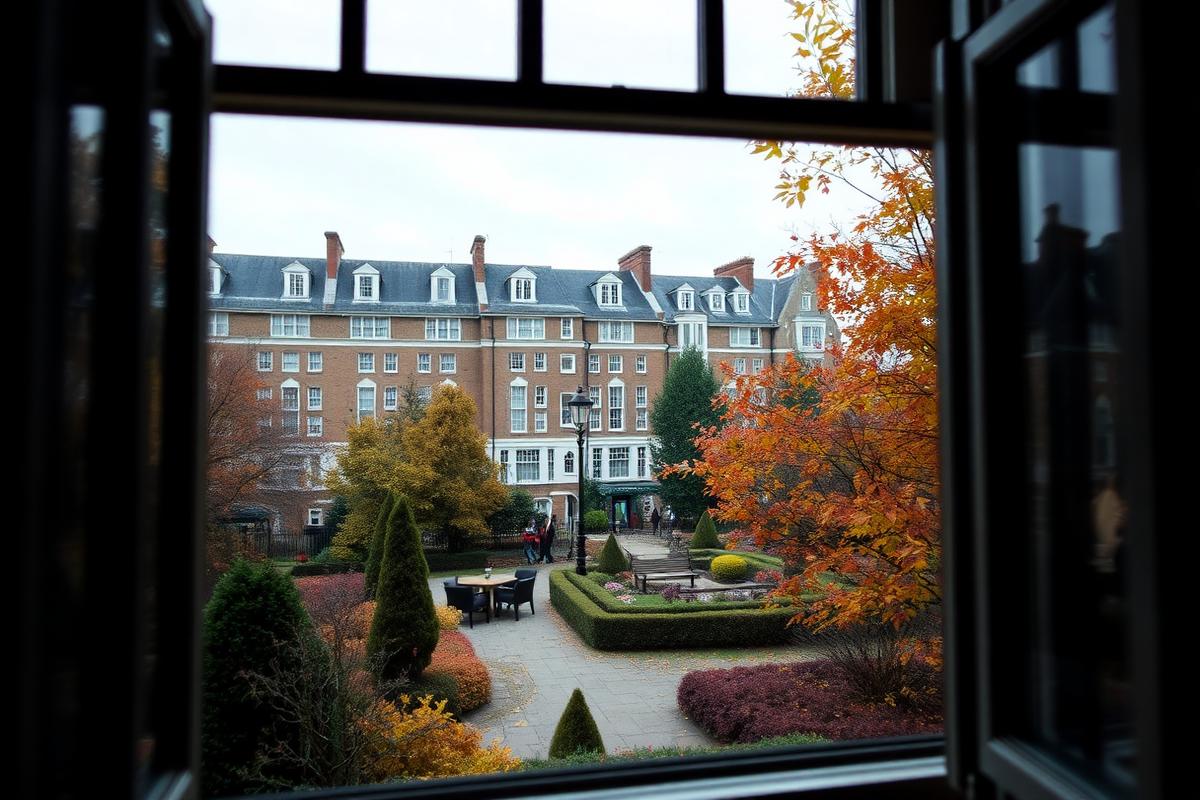
Understanding the cost of living in Dulwich requires looking beyond headline property prices to encompass the broader financial picture of life in one of south London's most distinguished addresses. From the leafy avenues of Dulwich Village to the vibrant high street of East Dulwich and the residential charm of West Dulwich, this area commands a premium that reflects its exceptional schools, verdant spaces and village atmosphere within the capital. Our team has analysed the latest data to provide a comprehensive picture of what it truly costs to call Dulwich home, whether you're considering buying, renting or already established in the area.
Property Purchase Costs Across Dulwich
According to HM Land Registry data, the median property price in Dulwich stands at £612,500 based on 171 recent sales, though this headline figure masks considerable variation depending on property type and specific location. Flats, which represented 96 of these transactions, command a median price of £477,500, making them the entry point for many buyers seeking to establish themselves in the area. The range extends from £133,600 to £1,000,000, reflecting everything from compact conversions to substantial lateral apartments.
Terraced houses, the quintessential Dulwich family home, achieve a median of £876,875 across 50 sales, with prices spanning £400,000 to £2,825,000. The semi-detached properties that grace many of Dulwich's tree-lined streets command a median of £1,377,500, whilst the area's rare detached houses reach £1,675,000 at the median. These figures position Dulwich firmly in London's upper echelon, though many families consider the premium worthwhile given the area's renowned educational establishments and quality of life.
Beyond the purchase price itself, buyers should budget for stamp duty, legal fees typically ranging from £1,500 to £3,000, and survey costs of £500 to £1,500 depending on property type. Those seeking [property for sale in Dulwich](/property-for-sale/dulwich) through our team benefit from detailed guidance on the total acquisition costs, ensuring no surprises during the purchase process.
The distinct neighbourhoods—East Dulwich with its gastropubs and independent shops, Dulwich Village with its historic college and picture gallery, and West Dulwich's residential tranquillity—each command slightly different premiums, though all remain among London's most sought-after postcodes.
Rental Market and Monthly Housing Costs
For those considering renting, ONS data reveals that studio apartments in Dulwich range from £975 to £1,500 per calendar month, whilst one-bedroom properties command £1,275 to £1,975. The two-bedroom flats and houses that prove popular with young professionals and small families typically range from £1,725 to £2,700 monthly, representing a significant premium over many comparable London suburbs.
Family-sized accommodation reflects Dulwich's appeal to established households seeking excellent state and independent schools. Three-bedroom properties rent for £2,300 to £3,600 per month, four-bedroom homes for £3,075 to £4,800, and larger five-bedroom houses command £4,050 to £6,300 monthly. These figures place Dulwich among the capital's more expensive rental markets, though many tenants prioritise the area's green spaces, community atmosphere and transport links.
Renters should also factor in initial costs including deposits (typically five weeks' rent under current regulations), first month's rent in advance, and reference checking fees where applicable. Our [letting service](/let-your-property/dulwich) provides transparent guidance on all associated costs for both landlords and tenants navigating the Dulwich market.
Dulwich Council Tax and Local Authority Charges
Dulwich council tax varies depending on which of the area's postcodes you occupy, as the neighbourhood straddles the boundary between Southwark and Lambeth councils. Southwark's 2024/25 rates for a Band D property stand at £1,445.95, whilst Lambeth charges £1,572.47 for the equivalent band. Given Dulwich's property values, many homes fall into bands E, F, G or H, where annual bills can reach £2,358.71 in Southwark or £2,620.79 in Lambeth for Band H properties.
These council tax rates cover essential services including refuse collection, street maintenance, libraries and some aspects of local policing. Dulwich benefits from generally well-maintained public spaces and regular refuse collection, though residents occasionally express concerns about parking enforcement and the condition of certain residential roads. Those viewing properties through [our Dulwich estate agents](/estate-agents/dulwich) receive clear guidance on which borough covers their prospective home and the corresponding tax implications.
Beyond council tax, homeowners must budget for buildings insurance (typically £300-£800 annually for standard properties), contents insurance, and maintenance costs that can prove substantial for the area's many Victorian and Edwardian houses. Period properties, whilst characterful, often require ongoing investment in roof repairs, sash window maintenance and damp prevention.
Talk to Seymont
What's your home worth?
A considered view on price, timing and how to bring your London home to market — a personal reply within 24 hours.
Your property
Step 1 of 2Understanding Dulwich Service Charges for Leasehold Properties
Dulwich service charges represent a significant consideration for flat buyers, particularly in the area's numerous Victorian conversion blocks and purpose-built developments. Annual service charges typically range from £1,500 to £4,500 depending on the building's facilities, management arrangements and sinking fund provisions. Buildings with porters, lifts, communal gardens or underground parking command charges at the higher end of this spectrum.
Prospective buyers should scrutinise service charge accounts carefully, examining both regular expenditure and any planned major works. Some Dulwich mansion blocks have recently faced substantial bills for external redecoration, roof repairs or fire safety improvements following recent regulatory changes. Our team always advises clients to review at least three years of accounts and any surveyor reports indicating future capital expenditure.
Ground rent, whilst often nominal at £50-£250 annually for older leases, should also be factored into the total cost picture. Those considering leasehold properties should verify remaining lease length, as leases below 80 years typically require costly extensions that involve both premium payments and legal fees. Understanding these ongoing Dulwich service charges proves essential for accurate budgeting and avoiding unexpected financial pressure.
Day-to-Day Living Expenses and Lifestyle Costs
Beyond housing costs, daily life in Dulwich carries a premium reflecting the area's affluent demographics and high-quality local amenities. The independent shops, delicatessens and farm shops along Lordship Lane and Dulwich Village command higher prices than typical supermarkets, though many residents value the quality and community aspect these establishments provide. A weekly grocery shop for a family of four might cost £120-£180 at local independents, compared to £80-£120 at mainstream supermarkets slightly further afield.
Dining out represents another significant expense, with Dulwich's acclaimed restaurants and gastropubs charging London prices. Expect £40-£60 per head for dinner with wine at mid-range establishments, whilst the area's popular brunch spots command £15-£25 per person. Coffee culture thrives here, with artisan flat whites costing £3.50-£4.50, adding up for regular café visitors.
Transport costs vary depending on commuting patterns. Those travelling to central London will spend approximately £160-£200 monthly on Zone 2-3 travel cards or pay-as-you-go fares via Oyster or contactless payment. East Dulwich, West Dulwich and North Dulwich stations provide regular services to London Bridge, London Victoria and London Blackfriars, making the capital's employment centres readily accessible. Many residents also run vehicles, with parking permits costing £120-£150 annually depending on borough and emissions, plus fuel, insurance and maintenance.
Childcare and education represent substantial costs for families, though Dulwich's exceptional state schools reduce pressure to pursue private education. Those choosing independent schooling face termly fees from £5,000 to £8,500 at local preparatory and senior schools. Nursery provision costs £1,400-£1,800 monthly for full-time places, whilst after-school clubs and activities add £200-£400 monthly to family budgets.
How Expensive is Dulwich Compared to Other London Areas?
When examining how expensive Dulwich truly is within London's property landscape, the area positions itself firmly in the premium segment, though below the stratospheric prices of prime central neighbourhoods like Kensington, Chelsea or Hampstead. The [median property prices](/house-prices/dulwich) compare favourably with nearby Clapham and Herne Hill, whilst offering larger gardens, better schools and more green space per pound spent.
Dulwich's appeal lies in delivering a genuine village atmosphere with independent retailers, historic architecture and abundant parkland—Dulwich Park, Belair Park and Peckham Rye Park provide over 200 acres of recreational space—whilst maintaining excellent transport connectivity to the City and West End. This combination of suburban calm and urban accessibility commands its premium, particularly among families unwilling to compromise on either schools or commuting convenience.
The area has demonstrated remarkable price resilience over decades, with property values supported by constrained supply (much land remains held by the Dulwich Estate), sustained demand from both domestic relocators and international families, and ongoing investment in local infrastructure and amenities. Those considering whether Dulwich represents value should weigh total lifestyle costs against alternatives, recognising that cheaper areas often involve trade-offs in school quality, safety, community cohesion or commuting time that erode their apparent savings.
Our collective experience suggests that Dulwich purchasers and renters typically prioritise quality of life over strict cost minimisation, viewing the area's premium as an investment in family wellbeing, educational opportunity and long-term capital preservation. For those whose budgets accommodate the entry requirements, few London suburbs deliver comparable returns across these multiple dimensions.
Talk to Seymont
What's your home worth?
A considered view on price, timing and how to bring your London home to market — a personal reply within 24 hours.
Your property
Step 1 of 2About the author
Julian ReyesLicensed Real Estate Agent
Julian has spent eleven years handling residential sales across west and central London, previously with the independent agencies Harlowe & Vance and Marchmont Row. He runs listings end to end, from pricing and presentation through to negotiating offers and holding chains together to completion. His writing focuses on the practical mechanics of buying and selling a home in a market where timing and preparation decide the outcome.
Licensed estate agent · 11 years in London residential sales
- Residential sales
- First-time buyers
- Offer negotiation
- Chain management
Frequently asked
- What is the average cost of buying a house in Dulwich?
- According to HM Land Registry data, the median property price in Dulwich is £612,500, though this varies significantly by property type. Flats achieve a median of £477,500, terraced houses £876,875, semi-detached properties £1,377,500, and detached houses £1,675,000. Prices differ between East Dulwich, Dulwich Village and West Dulwich, with individual properties ranging from under £150,000 for small flats to over £3 million for substantial family houses.
- How much is council tax in Dulwich?
- Dulwich council tax depends on whether your property falls within Southwark or Lambeth borough. For 2024/25, Southwark charges £1,445.95 for Band D properties, whilst Lambeth charges £1,572.47. Given Dulwich's property values, many homes occupy higher bands, with Band H properties paying £2,358.71 in Southwark or £2,620.79 in Lambeth annually. Always confirm which borough covers your specific address when budgeting.
- What are typical rental costs in Dulwich?
- ONS data shows rental costs vary by property size. Studios range from £975 to £1,500 monthly, one-bedroom properties £1,275 to £1,975, two-bedroom homes £1,725 to £2,700, three-bedroom properties £2,300 to £3,600, four-bedroom houses £3,075 to £4,800, and five-bedroom homes £4,050 to £6,300. These figures reflect Dulwich's position as a premium London location with excellent schools and transport links.
- Are service charges expensive for Dulwich flats?
- Dulwich service charges typically range from £1,500 to £4,500 annually, depending on the building's facilities and management. Period conversion blocks generally charge less than modern developments with lifts, porters or underground parking. Always review several years of service charge accounts and enquire about planned major works when purchasing leasehold property, as one-off contributions for roof repairs or external works can add thousands to annual costs.
- Is Dulwich more expensive than other South London areas?
- Dulwich ranks among the most expensive South London neighbourhoods, though it remains more affordable than prime central areas like Kensington or Chelsea. Property prices exceed those in neighbouring Peckham or Forest Hill but compare similarly to Clapham and Balham. The premium reflects exceptional state schools, abundant green spaces including Dulwich Park, a genuine village atmosphere, and excellent transport connections to central London—factors that many families consider worth the additional investment.