Journal
The Best Areas to Live in Dulwich
Written by Amara Bennett · Property Market Analyst
Published 22 July 2026 · Updated 14 August 2026 · 7 min read
The short answer
When considering the best areas to live in Dulwich, you'll find a rare blend of village charm and metropolitan convenience that few London postcodes can match. This corner of South London has long captivated families, professionals and creatives alike with its tree-lined streets, outstanding schools and remarkable cultural heritage.
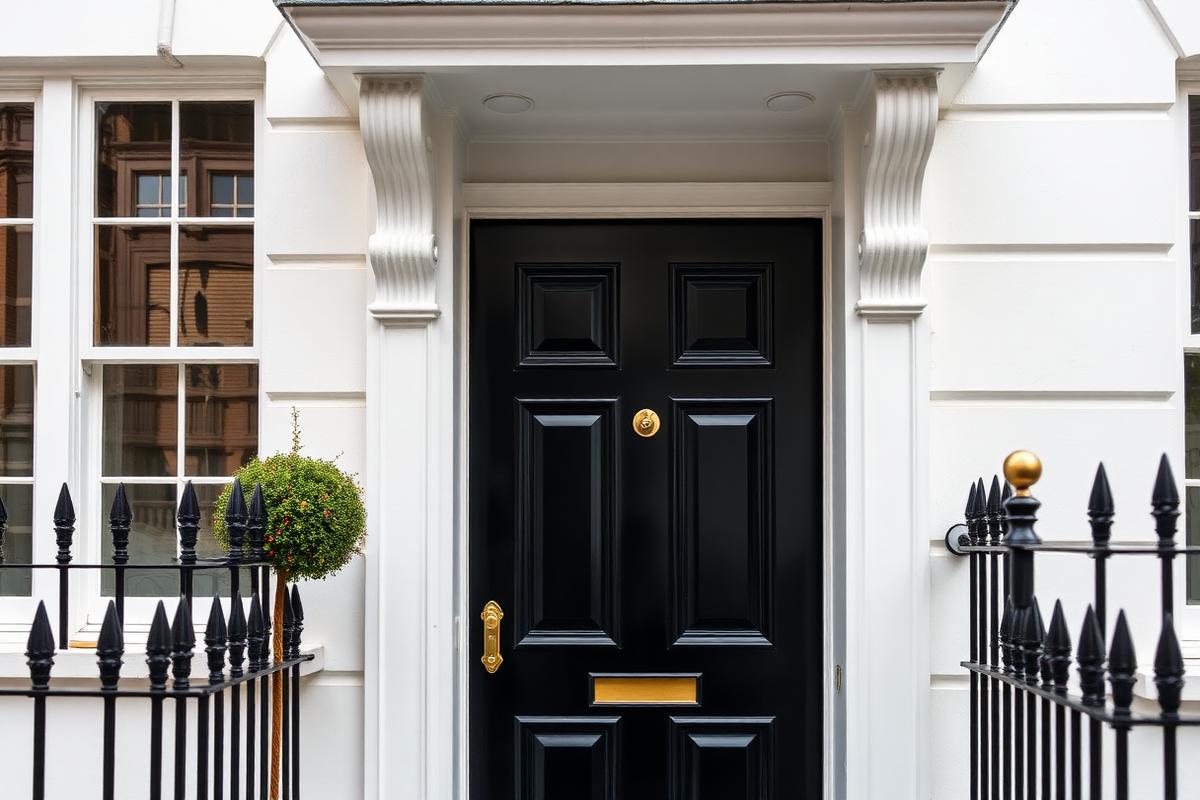
When considering the best areas to live in Dulwich, you'll find a rare blend of village charm and metropolitan convenience that few London postcodes can match. This corner of South London has long captivated families, professionals and creatives alike with its tree-lined streets, outstanding schools and remarkable cultural heritage. Our team at Seymont London has watched Dulwich evolve into one of the capital's most sought-after residential destinations, where Georgian elegance meets contemporary café culture. Whether you're drawn to the buzzing independent shops of East Dulwich, the architectural serenity of Dulwich Village, or the convenient transport links of West Dulwich, understanding each neighbourhood's distinct character is essential to finding your perfect home in this exceptional area.
East Dulwich: The Heart of Community Living
East Dulwich has established itself as the vibrant, cosmopolitan centre of the wider Dulwich area, attracting young families and professionals who value both community spirit and urban convenience. The neighbourhood radiates outward from Lordship Lane, a bustling thoroughfare lined with independent boutiques, artisan bakeries, gastropubs and some of South London's finest restaurants. This is where Dulwich truly comes alive in the evenings and weekends, with a social scene that rivals many central London postcodes whilst retaining an unmistakably village atmosphere.
According to HM Land Registry data, the median property price across Dulwich stands at £612,500, with flats in East Dulwich typically commanding £477,500 and terraced houses reaching £876,875. The area's popularity is reflected in these figures, particularly for period conversions and Victorian terraces that characterise streets running perpendicular to Lordship Lane. We've observed consistent demand for <a href="/property-for-sale/dulwich">property for sale in Dulwich</a>, with East Dulwich commanding particular attention from buyers seeking that perfect balance of character and convenience.
The transport connections here are excellent, with East Dulwich station providing regular services to London Bridge, Victoria and beyond. Multiple bus routes connect residents to Peckham, Camberwell and central London, making the morning commute remarkably straightforward. For families, the proximity to outstanding primary schools including Alleyn's and several highly-rated state options has cemented East Dulwich's reputation as one of South London's premier family neighbourhoods.
Rental demand in East Dulwich remains robust, with ONS data showing two-bedroom properties ranging from £1,725 to £2,700 per calendar month, whilst three-bedroom family homes command between £2,300 and £3,600. This reflects the area's enduring appeal to both young professionals and established families seeking quality of life without sacrificing urban amenities.
Dulwich Village: Timeless Elegance and Heritage
Dulwich Village represents the historic soul of the area, where grand Georgian and Victorian architecture sits within a conservation area of exceptional beauty. The Village retains an almost rural tranquillity despite being mere miles from central London, thanks largely to the Dulwich Estate's stewardship of the surrounding land. Here, you'll find some of the most prestigious addresses in South London, characterised by substantial detached and semi-detached properties set within generous plots.
The Village's centrepiece is undoubtedly Dulwich Picture Gallery, England's first purpose-built public art gallery, designed by Sir John Soane. The gallery's presence has shaped the cultural character of the neighbourhood, attracting residents who value heritage and the arts. Surrounding streets such as Gallery Road and Dulwich Common maintain an architectural consistency that's increasingly rare in London, with many properties dating from the 18th and 19th centuries.
Property prices in Dulwich Village reflect its prestige, with semi-detached houses achieving a median of £1,377,500 and detached properties reaching £1,675,000 according to HM Land Registry figures. The limited housing stock and conservation restrictions mean opportunities here are particularly prized by discerning buyers. Our team at Seymont London advises clients that when <a href="/estate-agents/dulwich">looking for estate agents in Dulwich</a> to guide Village purchases, local expertise is paramount given the unique considerations these historic properties present.
Dulwich Village also benefits from proximity to Dulwich College and the magnificent Dulwich Park, 72 acres of beautifully maintained green space offering boating lakes, sports facilities and year-round horticultural displays. The combination of educational excellence, cultural amenities and architectural distinction makes the Village particularly attractive to international relocators and established families seeking a prestigious London address with a distinctly English character.
West Dulwich: Connectivity and Value
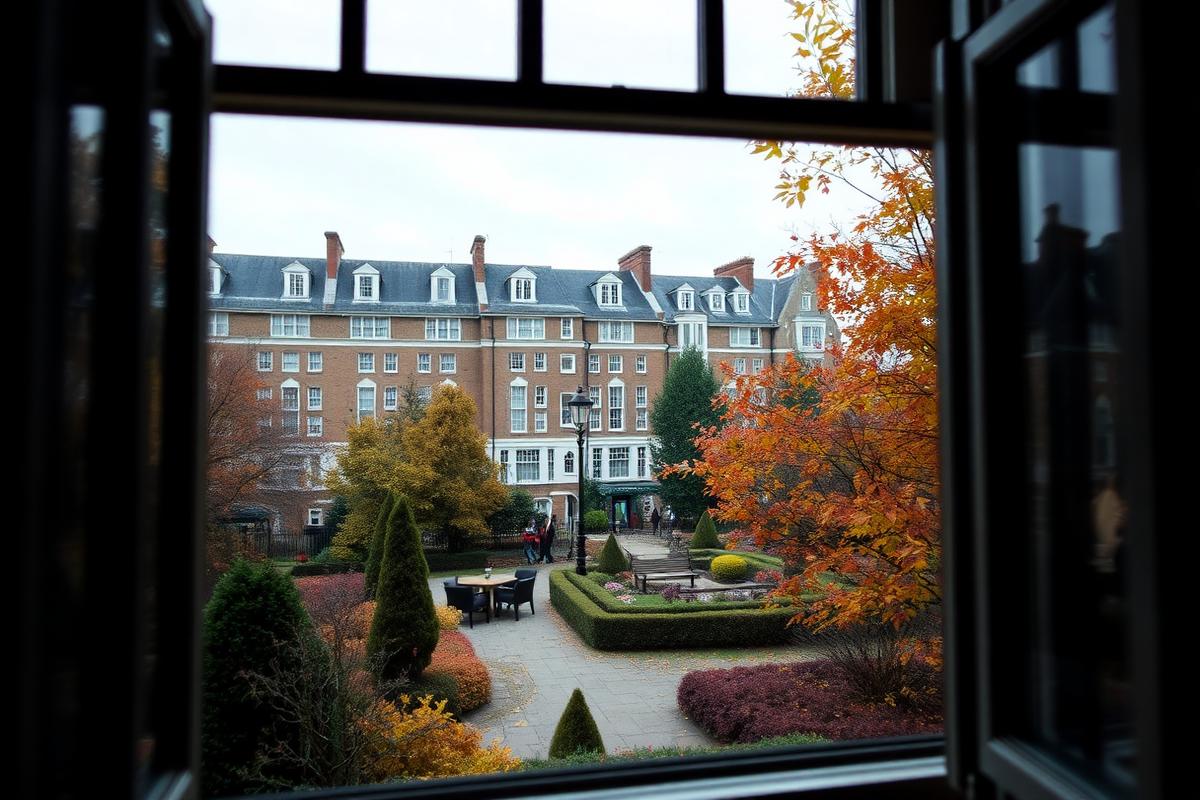
West Dulwich offers perhaps the most compelling proposition for those prioritising transport links and relative value when deciding where to live in Dulwich. The neighbourhood centres on West Dulwich station, which provides direct services to Victoria, London Bridge and beyond, making it particularly popular with commuters working in central London or the City. This connectivity advantage has driven consistent interest in the area, particularly among first-time buyers and young professionals.
The housing stock in West Dulwich is notably diverse, ranging from Victorian terraces to purpose-built mansion flats and inter-war semi-detached properties. This variety means buyers can find accommodation across a broader price spectrum than in the Village or prime East Dulwich locations. Flats, with a median price of £477,500 according to HM Land Registry data, offer an accessible entry point to the Dulwich market, whilst terraced family homes provide excellent value compared to neighbouring postcodes.
Thoroughfares such as Park Hall Road and Rosendale Road provide the neighbourhood's commercial spine, with a growing selection of cafés, convenience stores and local services. Whilst West Dulwich doesn't match Lordship Lane's restaurant density, the trade-off comes in the form of larger properties and gardens, with many Victorian houses retaining substantial outdoor space increasingly rare in inner London.
We've noticed particular interest in West Dulwich from families seeking proximity to excellent state schools whilst maintaining reasonable access to central London. Rental yields here are competitive, with studio flats ranging from £975 to £1,500 per calendar month according to ONS data, making the area attractive to buy-to-let investors as well as owner-occupiers. Those considering <a href="/let-your-property/dulwich">letting property in Dulwich</a> often find West Dulwich offers strong tenant demand from young professionals and small families.
Talk to Seymont
What's your home worth?
A considered view on price, timing and how to bring your London home to market — a personal reply within 24 hours.
Your property
Step 1 of 2Dulwich's Best Streets and Hidden Gems
Beyond the three main Dulwich neighbourhoods, certain streets have established reputations as the area's most desirable addresses. In our experience advising clients on Dulwich best streets, location often comes down to individual priorities: proximity to transport, school catchment areas, architectural character, or garden size. However, several roads consistently command premium prices and attract discerning buyers.
In East Dulwich, roads such as Court Lane, Dovercourt Road and Woodwarde Road are particularly sought-after, offering substantial Victorian family homes with modern amenities within walking distance of Lordship Lane's attractions. These streets combine period charm with practical family living, typically featuring four or five bedrooms, original features and gardens large enough for children and entertaining. Recent sales on these roads have seen terraced properties exceed £2 million, whilst beautifully extended semi-detached houses can command significantly more.
Dulwich Village's most prestigious addresses cluster around the Common and College Road, where architectural pedigree and plot sizes are unmatched elsewhere in the area. Properties here often feature coach houses, tennis courts and grounds measured in fractions of an acre rather than square metres. The detached houses in this pocket represent Dulwich's pinnacle, with prices ranging from £1,325,000 to well over £3 million for the finest examples.
In West Dulwich, streets backing onto Belair Park or close to the station command particular interest. The area also benefits from several attractive garden squares and conservation areas that maintain high environmental standards. For those researching <a href="/house-prices/dulwich">house prices in Dulwich</a>, we always recommend viewing properties across all three neighbourhoods to appreciate the distinct character and value proposition each offers.
Understanding Dulwich Neighbourhoods: Making Your Choice
Choosing between Dulwich neighbourhoods ultimately depends on your lifestyle priorities and budget. East Dulwich suits those who value walkable amenities, social vibrancy and a strong sense of community, though you'll pay a premium for properties closest to Lordship Lane. The demographic here skews younger, with many first-time buyers stretching budgets to access the area's renowned restaurants, independent shops and buzzing weekend atmosphere.
Dulwich Village appeals to buyers seeking prestige, space and architectural heritage, often those in their peak earning years or downsizing from larger country properties whilst maintaining substantial homes. The pace of life here is noticeably more sedate, the streets quieter, and the emphasis firmly on quality over trendiness. Educational considerations often drive Village purchases, with families prioritising proximity to Dulwich College, Alleyn's School and James Allen's Girls' School.
West Dulwich represents the pragmatic choice for those who need excellent transport links and more house for their money. The area has evolved considerably in recent years, with infrastructure improvements and new businesses raising its profile. We anticipate continued appreciation here as more buyers discover that West Dulwich offers genuine Dulwich credentials at more accessible price points.
Across all Dulwich neighbourhoods, green space remains a defining characteristic. Dulwich Park, Peckham Rye Park and numerous smaller commons ensure residents are never far from nature, a luxury increasingly valued in post-pandemic London. The area's architectural heritage, protected by conservation designations and the Dulwich Estate's careful stewardship, provides assurance that the character that makes Dulwich special will endure for generations to come.
Talk to Seymont
What's your home worth?
A considered view on price, timing and how to bring your London home to market — a personal reply within 24 hours.
Your property
Step 1 of 2About the author
Amara BennettProperty Market Analyst
Amara spent seven years as a market analyst at Kestrel Lane Research, a small London property consultancy, before joining our editorial desk. She reads sold-price and rental data street by street to explain how individual London postcode districts actually behave, and reviews every price figure we publish. Her focus is separating headline national averages from what a specific address is worth today.
MSc Real Estate Economics · Seven years in property market research
- Valuations
- Local market data
- Sold prices
- Pricing strategy
Frequently asked
- Is East Dulwich or Dulwich Village better for families?
- Both areas excel for family living but offer different advantages. East Dulwich provides walkable amenities, numerous children's activities and a vibrant community atmosphere, making it ideal for families who value convenience and social connections. Dulwich Village offers larger properties, more outdoor space and proximity to prestigious independent schools, suiting families prioritising space and educational excellence. Your choice ultimately depends on whether you prefer urban village buzz or tranquil, spacious living.
- What is the average house price in Dulwich?
- According to HM Land Registry data, the median property price in Dulwich is £612,500. However, this varies significantly by property type: flats typically sell for around £477,500, terraced houses for £876,875, semi-detached properties for £1,377,500, and detached houses for £1,675,000. Prices also vary between neighbourhoods, with Dulwich Village commanding premiums for its heritage properties whilst West Dulwich offers relatively better value.
- How much does it cost to rent in Dulwich?
- Rental costs in Dulwich vary by property size and location. ONS data shows studios range from £975 to £1,500 per calendar month, one-bedroom flats from £1,275 to £1,975, two-bedroom properties from £1,725 to £2,700, three-bedroom homes from £2,300 to £3,600, and four-bedroom houses from £3,075 to £4,800. Premium properties and those closest to Lordship Lane or Dulwich Village typically command the higher end of these ranges.
- Which Dulwich area has the best transport links?
- West Dulwich offers the most direct transport connections with its National Rail station providing regular services to Victoria and London Bridge in under 20 minutes. East Dulwich station also serves Victoria and London Bridge, though journey times are slightly longer. Dulwich Village itself has no station but is well-served by buses connecting to nearby stations and central London. All areas benefit from extensive bus networks providing connections across South London.
- What makes Dulwich different from other South London areas?
- Dulwich's unique character stems from several factors: the Dulwich Estate's historic land ownership preserving green spaces and architectural consistency; exceptional cultural amenities including Dulwich Picture Gallery; outstanding schools both independent and state-maintained; and distinct village atmospheres despite proximity to central London. The area maintains remarkably low building density, generous gardens and tree-lined streets rarely found this close to Zone 1, creating an almost suburban tranquillity within an urban setting.