Journal
Average Rent in Dulwich: A Comprehensive Guide to Rental Prices
Written by Amara Bennett · Property Market Analyst
Published 24 February 2026 · Updated 11 July 2026 · 6 min read
The short answer
Understanding the average rent in Dulwich is essential for landlords seeking optimal returns and tenants planning their move to this distinguished corner of south London. As a leafy enclave renowned for its historic architecture, exceptional schools and village atmosphere, Dulwich commands rental prices that reflect its premium positioning within the capital's property market.
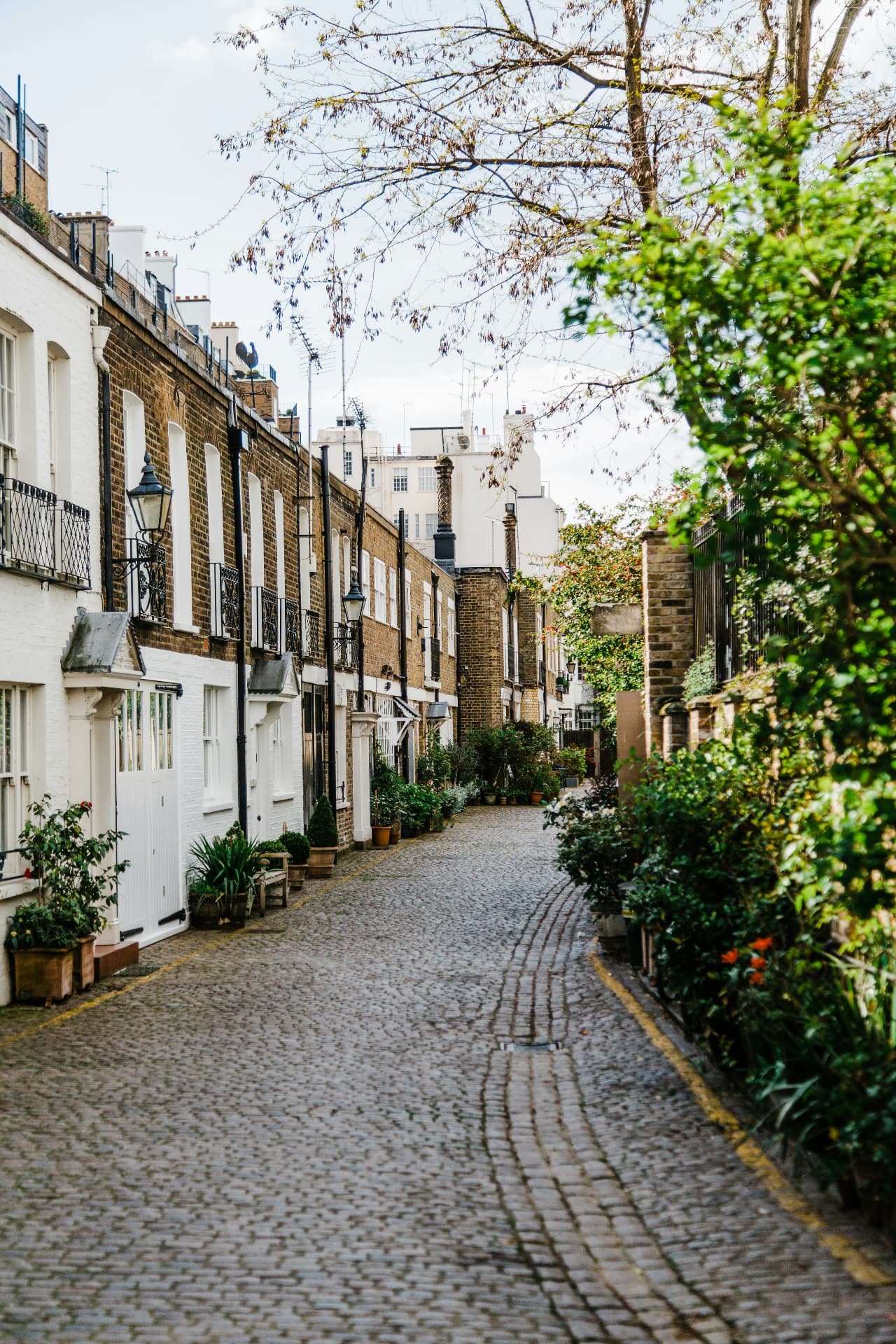
Understanding the average rent in Dulwich is essential for landlords seeking optimal returns and tenants planning their move to this distinguished corner of south London. As a leafy enclave renowned for its historic architecture, exceptional schools and village atmosphere, Dulwich commands rental prices that reflect its premium positioning within the capital's property market. Our team at Seymont London has analysed the latest data from the ONS and HM Land Registry to provide a detailed picture of Dulwich rent prices across different property types and sizes. Whether you're considering East Dulwich's vibrant café culture, the protected heritage of Dulwich Village, or the excellent transport links of West Dulwich, rental values vary considerably depending on location, property type and bedroom count. This guide examines current rental ranges, explores the factors driving demand, and contextualises Dulwich rental yields against both purchase prices and the wider London market.
Current Dulwich Rent Prices by Property Size
The rental market in Dulwich presents a broad spectrum of opportunities, from compact studios perfect for young professionals to substantial family homes that attract both domestic and international tenants. According to ONS data, studio apartments currently command monthly rents between £975 and £1,500, offering an accessible entry point to this sought-after area for single tenants prioritising location and community over space.
One-bedroom properties, which represent a significant portion of the Dulwich rental stock, typically achieve between £1,275 and £1,975 per calendar month. These flats attract a diverse tenant base including professionals working in Canary Wharf and the City, couples seeking proximity to green spaces, and individuals relocating to London who value the area's village character over central London's intensity.
Two-bedroom homes remain the most liquid segment of the market, with monthly rents ranging from £1,725 to £2,700. This category encompasses everything from purpose-built flats in converted Victorian houses to modern apartments in recent developments. The upper end of this bracket typically features properties with outdoor space, parking, or particularly desirable locations near Dulwich Park or the Picture Gallery.
Family-sized accommodation commands premium pricing reflective of the area's educational reputation. Three-bedroom properties range from £2,300 to £3,600 monthly, four-bedroom homes from £3,075 to £4,800, whilst five-bedroom and larger properties can achieve between £4,050 and £6,300 per month. These figures position Dulwich firmly within London's prime rental market, competing with areas such as Clapham, Wandsworth and Greenwich for tenant attention.
How Much Is Rent in Dulwich Compared to Purchase Prices?
To properly assess Dulwich rental yields, we must examine rental income against prevailing sale prices. HM Land Registry data reveals a median property price of £612,500 across 171 transactions in the most recent reporting period, though this figure masks considerable variation by property type.
Flats, which constituted 96 of these sales, achieved a median price of £477,500, with transactions ranging from £133,600 to £1,000,000. For a typical two-bedroom flat purchased at the median price and let at the mid-point of the rental range (approximately £2,200 monthly), landlords might anticipate a gross yield of around 5.5% before costs—a respectable return in the current London market, though landlords must factor in management fees, maintenance, ground rent and service charges.
Terraced houses, with a median sale price of £876,875 across 50 transactions, represent a different investment proposition. A three-bedroom terraced home let at £3,000 monthly would generate a gross yield closer to 4.1%, reflecting the capital appreciation potential that attracts many investors to Dulwich property. Semi-detached homes, at a median of £1,377,500, and the limited stock of detached properties (median £1,675,000) typically appeal to owner-occupiers rather than buy-to-let investors, though corporate lets can occasionally justify the economics.
These calculations demonstrate why Dulwich attracts a sophisticated investor base focused on long-term capital growth and tenant quality rather than maximum immediate yield. The area's enduring appeal, constrained supply due to conservation protections, and consistent demand from families prioritising education create conditions for sustained value appreciation. For landlords considering whether to [let your property in Dulwich](/let-your-property/dulwich), understanding this balance between yield and growth potential is crucial.

Dulwich London: Neighbourhood Variations and Rental Dynamics
Dulwich London encompasses several distinct neighbourhoods, each commanding slightly different rental premiums based on transport accessibility, local amenities and character. East Dulwich has emerged as the area's commercial and social hub, with Lordship Lane's independent shops, restaurants and delicatessen attracting young professionals and families who value community atmosphere alongside period charm. Properties here often achieve the upper end of rental ranges, particularly those within walking distance of East Dulwich station.
Dulwich Village maintains a unique position within the London rental market, protected by conservation area status and characterised by historic buildings, independent schools and tree-lined streets that feel remarkably removed from urban intensity. The Dulwich Estate's stewardship ensures architectural consistency and restricts certain commercial activities, creating an environment that appeals particularly to international families and senior professionals seeking tranquillity without sacrificing access to central London. Rental properties here are comparatively scarce, with many substantial houses occupied by long-term owner-occupiers.
West Dulwich offers a compelling value proposition within the Dulwich ecosystem, with excellent train services to London Bridge, Victoria and beyond, plus proximity to both Dulwich Park and Brockwell Park. The area attracts tenants who prioritise transport links and outdoor space, with rental properties ranging from converted flats in substantial Victorian villas to family homes on residential roads north of the South Circular. Our experience suggests that well-presented properties here let efficiently to tenants who have compared options across south London and recognise the quality-to-price ratio.
For those exploring the wider market, our [Dulwich estate agents](/estate-agents/dulwich) can provide granular advice on micro-location variations that significantly impact both rental achievement and void periods.
Talk to Seymont
What's your home worth?
A considered view on price, timing and how to bring your London home to market — a personal reply within 24 hours.
Your property
Step 1 of 2What Drives Rental Demand in Dulwich?
Education remains the single most significant driver of Dulwich rental demand, with families willing to pay premium rents for proximity to outstanding state and independent schools. Alleyns School, James Allen's Girls' School, Dulwich College and JAGS consistently rank among London's top-performing institutions, creating year-round enquiries from parents seeking term-time accommodation or permanent relocation. This educational magnetism ensures stable demand even during broader market corrections, as families prioritise continuity in their children's schooling.
The area's exceptional green space provision differentiates it from many comparable London neighbourhoods. Dulwich Park's 30 hectares of landscaped gardens, Belair Park's natural beauty, and the extensive Dulwich Woods create an environment that appeals to health-conscious professionals, young families and dog owners who might otherwise consider outer suburbs or Home Counties locations. During and following the pandemic, this access to nature has become an even more explicit requirement in tenant briefs, supporting rental values for properties near park entrances or with garden space.
Cultural amenities including the Dulwich Picture Gallery—England's first purpose-built public art gallery—contribute to the area's sophisticated appeal, whilst the independent retail and dining scene along Lordship Lane and surrounding streets creates a village-within-London atmosphere increasingly rare in the capital. Transport connectivity has improved markedly with Thameslink services reducing journey times to key employment hubs, making Dulwich viable for City, Canary Wharf and West End workers who previously might have dismissed south London locations.
Those considering [property for sale in Dulwich](/property-for-sale/dulwich) should recognise that these demand drivers support both rental income and capital values, creating conditions for balanced portfolio returns.
Investment Considerations and Dulwich Rental Yields
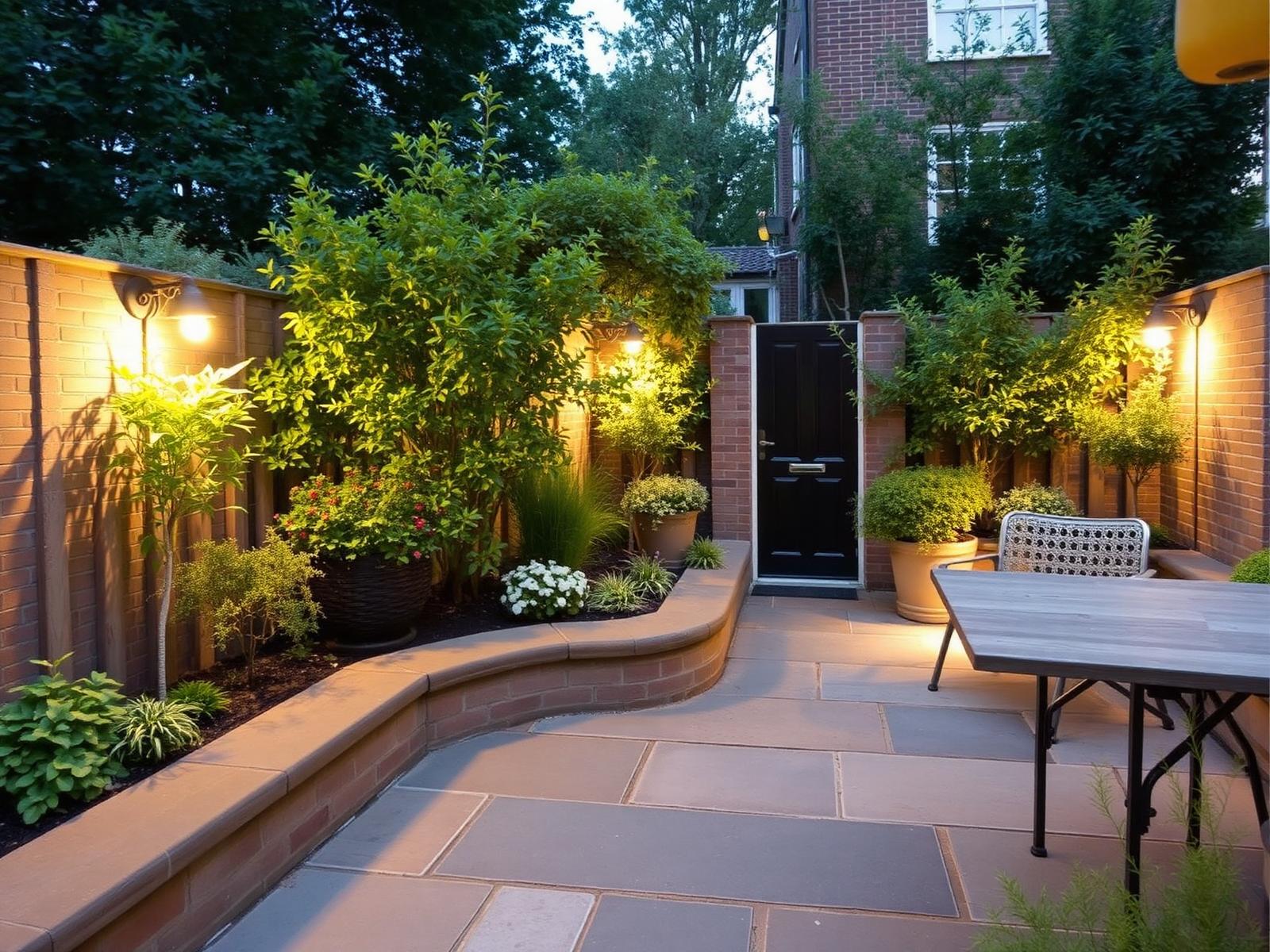
Calculating realistic Dulwich rental yields requires understanding both gross returns and the operational costs specific to this market. While gross yields of 4-6% are achievable depending on property type and price point, landlords must account for management fees typically ranging from 10-15% of rental income, buildings insurance, maintenance obligations, and—for leasehold properties—service charges that can be substantial in converted period buildings.
The regulatory environment continues to evolve, with energy efficiency requirements, licensing schemes and tenant protection legislation imposing additional compliance costs on landlords. Properties in Dulwich's conservation areas may face restrictions on external alterations, potentially complicating efforts to install heat pumps or solar panels to meet future EPC requirements. These factors make professional management and proactive maintenance strategies essential for protecting both income and asset value.
Tenant quality in Dulwich generally exceeds London averages, with longer tenancy durations, lower arrears rates and greater care for properties reflecting the professional demographic and family focus of the rental population. Corporate lets represent a smaller but valuable segment, with relocating executives and visiting academics affiliated with nearby King's College London occasionally seeking furnished accommodation for 6-12 month assignments. These lets can command premium rates but require flexible inventory provision and more intensive management.
The supply-demand balance favours landlords in the current market, with limited new build supply due to conservation constraints and robust demand across multiple tenant segments. However, this also means that property acquisition costs remain elevated, making careful analysis of rental yields essential before purchase. For detailed insights into property values, our [Dulwich house prices](/house-prices/dulwich) analysis provides comprehensive market context.
Talk to Seymont
What's your home worth?
A considered view on price, timing and how to bring your London home to market — a personal reply within 24 hours.
Your property
Step 1 of 2About the author
Amara BennettProperty Market Analyst
Amara spent seven years as a market analyst at Kestrel Lane Research, a small London property consultancy, before joining our editorial desk. She reads sold-price and rental data street by street to explain how individual London postcode districts actually behave, and reviews every price figure we publish. Her focus is separating headline national averages from what a specific address is worth today.
MSc Real Estate Economics · Seven years in property market research
- Valuations
- Local market data
- Sold prices
- Pricing strategy
Frequently asked
- What is the average rent for a two-bedroom flat in Dulwich?
- According to ONS data, two-bedroom properties in Dulwich typically rent for between £1,725 and £2,700 per calendar month. The specific rent achieved depends on factors including the property's condition, exact location within Dulwich, outdoor space, parking provision and proximity to stations or schools. Well-presented flats near East Dulwich station or Dulwich Park tend to achieve the upper end of this range, whilst properties requiring updating or located further from transport links sit towards the lower end.
- Which part of Dulwich offers the best rental yields for landlords?
- Rental yields vary across Dulwich's neighbourhoods based on the relationship between purchase prices and achievable rents. East Dulwich generally offers the most balanced yields for flat investors, combining relatively accessible purchase prices with strong rental demand driven by the area's amenities and transport links. West Dulwich can provide good returns on family houses due to slightly lower entry costs than Dulwich Village whilst maintaining excellent schools access. Dulwich Village properties, whilst commanding premium rents, also have the highest purchase prices, resulting in lower percentage yields but potentially stronger long-term capital appreciation.
- How does Dulwich rent compare to other south London areas?
- Dulwich rent prices position the area within south London's premium tier, broadly comparable to Clapham, Wandsworth and Greenwich but typically 15-25% above areas like Peckham, Camberwell or Lewisham. The premium reflects Dulwich's exceptional schools, green space, village atmosphere and conservation area protections. Compared to prime central London locations like Chelsea or Kensington, Dulwich offers considerably more space and garden access at approximately 40-50% lower rental costs, making it attractive to families who prioritise these factors over minimal commute times.
- Is demand for rental properties in Dulwich seasonal?
- Dulwich experiences more pronounced seasonality than many London markets due to its concentration of schools. Peak demand occurs in spring and early summer as families seek properties ahead of the September school term, with enquiry levels typically 30-40% higher during April-June compared to December-January. This pattern means landlords listing properties in February-April often achieve optimal rents and shorter void periods, whilst winter listings may require more competitive pricing or greater flexibility on move-in dates. However, the area's year-round appeal to professionals means quality properties let efficiently even outside peak periods.
- What rental income can landlords expect from a Victorian terraced house in Dulwich?
- A typical three-bedroom Victorian terraced house in Dulwich, which HM Land Registry data shows has a median sale price of £876,875, can achieve monthly rents between £2,300 and £3,600 according to ONS figures. Properties at the upper end of this range typically feature off-street parking, substantial gardens, recent refurbishment and locations particularly close to sought-after schools or Dulwich Park. A well-maintained house achieving £3,000 monthly would generate £36,000 annual rent, representing a gross yield of approximately 4.1% before management costs, maintenance and other expenses—a return that reflects Dulwich's position as a capital growth rather than maximum yield investment.